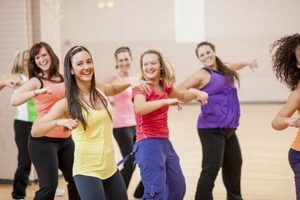
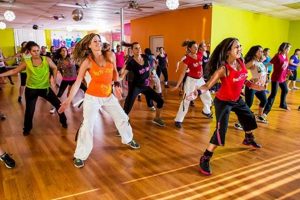
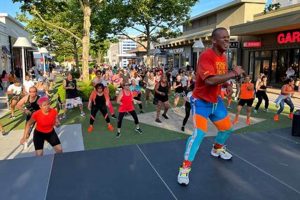
This form of group fitness activity integrates faith-based elements into a dance workout. It combines the energetic rhythms of Latin-inspired music with movements rooted in Zumba, while incorporating Christian themes, such as gospel music and scripture-based messages, to create an exercise experience that nourishes both the body and spirit. For instance, a class may use contemporary Christian songs instead of secular pop music, and the instructor might offer a devotional thought at the beginning or end of the session.
Such classes offer a unique avenue for individuals seeking physical activity within a supportive and spiritually uplifting environment. The integration of faith can enhance motivation and provide a sense of community among participants who share similar values. While the Zumba program itself has its origins in the late 1990s, the adaptation with specifically Christian content is a more recent development, reflecting a growing desire for holistic wellness approaches.
The following sections will delve into specific aspects, including the format of a typical session, the target audience, and considerations for instructors interested in leading this type of activity.
Guidance for Participation and Instruction
The following offers pertinent advice for individuals considering participation in or instruction of faith-based dance fitness activities.
Tip 1: Seek Qualified Instructors. Verify the instructor possesses certification in Zumba or a similar dance fitness program. Additionally, determine if they have training or experience in integrating Christian themes into fitness routines.
Tip 2: Review Music Selection. Prior to attending, inquire about the music utilized during the class. Ensure the playlist aligns with personal preferences and spiritual values.
Tip 3: Understand the Class Format. Different instructors may incorporate spiritual elements in varying degrees. Some may include scripture readings, prayer, or devotional moments. It is advisable to clarify the extent of these components beforehand.
Tip 4: Prioritize Safety. As with any exercise program, proper form and technique are crucial to prevent injuries. Listen to the instructor’s guidance and modify movements as needed to suit individual fitness levels.
Tip 5: Foster a Supportive Environment. The aim is to create an inclusive and encouraging atmosphere for all participants. Promote mutual respect and understanding within the class.
Tip 6: For Instructors: Obtain Proper Licensing. Ensure appropriate licensing for both Zumba instruction and public performance of the chosen music. Failure to do so may result in legal repercussions.
Tip 7: For Instructors: Integrate Faith Authentically. The integration of Christian themes should feel genuine and natural. Avoid forcing or imposing beliefs on participants. Focus on creating a positive and uplifting experience through movement and music.
Tip 8: For Instructors: Continuous Improvement. Seek feedback from participants and continuously refine the class structure, music selection, and spiritual components to optimize the overall experience.
By adhering to these guidelines, participants can maximize the benefits derived from this unique blend of physical activity and spiritual enrichment.
The subsequent section will explore the potential impact within religious communities and the broader fitness landscape.
1. Gospel Music

Gospel music serves as a foundational element within Christian Zumba classes, directly influencing the overall atmosphere and participant engagement. The substitution of secular music with gospel selections creates an environment steeped in faith, providing a spiritually resonant backdrop for physical activity. The energetic rhythms and uplifting lyrics characteristic of gospel music can enhance motivation, encourage movement, and reinforce the spiritual intent of the class. For example, popular gospel songs focused on themes of strength, perseverance, and joy are often incorporated into the playlist to align physical exertion with spiritual encouragement.
The selection of gospel music is not arbitrary; it reflects a deliberate effort to foster a sense of connection to Christian values and beliefs. Different subgenres of gospel, from contemporary praise and worship to traditional hymns and spirituals, may be incorporated to cater to varying preferences within the class. Instructors typically curate playlists that are both musically engaging and lyrically appropriate, ensuring that the content aligns with the overall goals of the class. The absence of gospel music would fundamentally alter the nature of the class, removing the core element that differentiates it from standard Zumba or other dance fitness programs.
In summary, gospel music is integral to the identity of Christian Zumba classes, acting as both a musical driver and a spiritual touchstone. Its intentional use underscores the commitment to creating a fitness experience that nurtures the body and spirit. The strategic deployment of gospel music directly contributes to the class’s ability to foster a faith-based community and promote holistic wellness. Instructors should prioritize careful selection and integration of gospel music to maintain the authenticity and spiritual focus of the class.
2. Scripture Integration
Scripture integration serves as a critical component within classes, providing a direct link between physical activity and spiritual reflection. The incorporation of biblical verses, either through verbal readings or visual displays, aims to infuse the workout with Christian teachings and principles. This integration extends beyond mere exercise, transforming the activity into a form of worship or devotional practice. For instance, an instructor might read a verse about strength and endurance before a particularly challenging routine, framing the physical exertion within a spiritual context. The effect is to elevate the experience from a simple fitness class to one that nurtures the body and spirit simultaneously. The absence of scripture integration would reduce the activity to a standard exercise class lacking the distinctive element of faith-based instruction.
The selection of scripture is often thematic, aligning with the overall message or intent of the class. Verses pertaining to joy, peace, community, or personal growth are commonly chosen to complement the uplifting nature of the music and movements. The method of integration can vary; some instructors opt for direct readings, while others incorporate scripture-inspired affirmations or reflections into the workout dialogue. In practical application, scripture integration requires careful consideration of appropriateness and accessibility. The selected verses should be relevant and understandable to participants from diverse backgrounds within the Christian faith. Furthermore, instructors should avoid imposing interpretations or doctrines that may conflict with individual beliefs.
In summary, scripture integration within classes is a deliberate and purposeful act that aims to connect physical fitness with spiritual growth. Its successful implementation hinges on thoughtful selection, respectful delivery, and a genuine desire to create a holistic experience. While challenges may arise in ensuring relevance and avoiding imposition, the benefits of integrating scripture in a meaningful way can significantly enhance the transformative potential of the class, fostering a deeper sense of connection between participants and their faith. This connection underscores the purpose of faith-based fitness: that wellness encompasses body and soul together.
3. Faith-Based Community
The formation of a faith-based community represents a significant outcome of engagement with group fitness activities. This outcome stems from the shared values, beliefs, and experiences inherent within the class structure, extending beyond mere physical exercise to foster a sense of belonging and mutual support.
- Shared Values and Beliefs
The foundation of a faith-based community rests upon the commonality of Christian values and beliefs among participants. Classes provide a space where individuals can express their faith openly without fear of judgment or opposition. This shared understanding facilitates deeper connections and encourages participants to support one another in their spiritual journeys. For example, class members may offer prayers for one another, share personal testimonies, or engage in discussions about faith-related topics outside of class time.
- Mutual Support and Encouragement
Participation in classes fosters a culture of mutual support and encouragement, both during and outside of the workout sessions. Individuals often find motivation and inspiration in the shared experience of physical exertion within a faith-affirming environment. Class members may celebrate each other’s fitness achievements, offer assistance during challenging exercises, and provide emotional support during difficult times in their lives. This sense of camaraderie extends beyond the physical realm, creating a network of individuals who care for one another’s well-being.
- Spiritual Growth and Accountability
Faith-based fitness activities can contribute to individual spiritual growth and accountability. The integration of scripture, prayer, and devotional messages into the class structure encourages participants to reflect on their faith and apply Christian principles to their daily lives. Furthermore, the community aspect provides a framework for accountability, as individuals are more likely to stay committed to their faith and fitness goals when they are surrounded by like-minded individuals who offer support and encouragement. Examples include participants holding each other accountable for attending classes regularly, engaging in daily prayer, and practicing acts of service within the community.
- Expanded Social Networks
Classes frequently lead to the expansion of social networks among participants, creating opportunities for meaningful relationships beyond the confines of the gym or studio. Individuals who may not otherwise have crossed paths find common ground through their shared faith and fitness interests. This expanded social network can provide a valuable source of friendship, support, and connection, enriching participants’ lives in a variety of ways. For instance, class members may organize social events, volunteer together for charitable causes, or form small groups for Bible study and fellowship.
The elements detailed above demonstrate that classes transcend physical exercise, cultivating a faith-based community. This community offers participants a supportive network that promotes spiritual growth, mutual encouragement, and expanded social connections, strengthening the individual’s connection to their faith and enhancing their overall sense of well-being.
4. Holistic Wellness

Holistic wellness, encompassing physical, mental, and spiritual well-being, forms a core tenet underpinning the structure and purpose of faith-based dance fitness. These classes are designed to address not only the physical fitness of participants but also their emotional and spiritual needs, thus fostering a more complete sense of well-being. This holistic approach recognizes the interconnectedness of the various dimensions of health, acknowledging that physical fitness is enhanced when coupled with positive mental and spiritual states. As an example, the uplifting gospel music and scripture readings integrated into a session can reduce stress, improve mood, and foster a sense of inner peace, which in turn, can enhance physical performance and adherence to the exercise program. The practice contrasts with conventional fitness classes that primarily focus on physical outcomes.
The practical significance of holistic wellness within these classes is multifaceted. The inclusion of faith-based elements can increase motivation and adherence to exercise regimens. Individuals who are motivated by both physical and spiritual goals are more likely to maintain consistent participation. Furthermore, the emphasis on community and social support within the class can combat feelings of isolation and loneliness, contributing to improved mental health. For instance, participants may find encouragement and accountability from fellow class members, fostering a sense of belonging and shared purpose. The integration of spiritual practices, such as prayer or meditation, can also promote mindfulness and self-awareness, further contributing to mental and emotional well-being.
In summary, holistic wellness is not merely an ancillary benefit but a fundamental principle guiding the design and execution of Christian Zumba classes. The integration of physical activity with spiritual and mental components creates a synergistic effect, promoting a more comprehensive and sustainable approach to well-being. While challenges may exist in tailoring the spiritual content to meet the diverse needs of participants, the emphasis on holistic wellness remains a key differentiator and a central value proposition for these classes, ensuring that participants experience benefits that extend beyond the purely physical realm. The approach highlights the importance of addressing the whole person in pursuit of a healthier and more fulfilling life.
5. Uplifting Environment
The creation of an uplifting environment within classes directly influences participant engagement and overall experience. The incorporation of positive messaging, encouraging interactions, and faith-affirming elements generates an atmosphere conducive to both physical exertion and spiritual enrichment. This environment serves as a key component in attracting and retaining individuals seeking a fitness experience that transcends mere physical exercise. For instance, instructors frequently use motivational phrases derived from scripture or positive affirmations to encourage participants during challenging routines, fostering a sense of empowerment and resilience. The presence of an uplifting environment distinguishes these classes from conventional fitness settings, appealing to individuals seeking a supportive and faith-centered community.
The practical significance of an uplifting environment is evident in its ability to enhance motivation, reduce stress, and foster a sense of belonging. Participants are more likely to attend classes regularly and engage fully in the activities when they feel supported, encouraged, and spiritually uplifted. This positive atmosphere also promotes social interaction and camaraderie among class members, fostering a sense of community and shared purpose. Moreover, an uplifting environment can mitigate feelings of anxiety or self-consciousness that may arise in traditional fitness settings, making exercise more accessible and enjoyable for individuals of all fitness levels. The atmosphere’s impact extends beyond the class itself, positively influencing participants’ attitudes and behaviors in their daily lives.
The emphasis on cultivating an uplifting environment presents certain challenges, including the need for instructors to possess strong interpersonal skills and a genuine commitment to fostering a positive atmosphere. The environment’s effectiveness relies on consistency and authenticity, requiring instructors to model the values they seek to promote. Despite these challenges, the benefits of creating an uplifting environment within classes are substantial, contributing to increased participant engagement, enhanced well-being, and a stronger sense of community. It is essential for instructors to prioritize the creation and maintenance of this environment to ensure the ongoing success and impact of the program, linking the program’s success to its deliberate and consistent creation of an uplifting experience.
6. Modified Choreography

The implementation of modified choreography within classes addresses accessibility and inclusivity, particularly for individuals who may have physical limitations or are new to dance fitness. Standard Zumba routines can be high-impact and require a degree of coordination that may not be suitable for all participants. Therefore, adjustments to movements are often necessary to accommodate varying fitness levels and physical abilities. For instance, high-impact jumps may be replaced with low-impact steps, or complex turns may be simplified to avoid dizziness or injury. This adaptation ensures that a broader range of individuals can participate comfortably and safely, regardless of their prior experience or physical condition. The incorporation of modified choreography directly impacts the overall inclusivity of the class, enabling individuals with physical limitations or those new to exercise to engage fully.
The modifications implemented typically involve reducing the intensity or complexity of movements, providing alternative options, and offering clear instructions and demonstrations. Instructors might provide modifications for specific exercises, allowing participants to choose the variation that best suits their abilities. Clear verbal cues and visual demonstrations are essential to ensure that participants understand the modifications and can execute them correctly. For example, an instructor might demonstrate a grapevine step and then offer a modified version that involves simply stepping side to side without the cross-over movement. These adaptations are vital to ensure that all class participants are safely and effectively exercising within their comfort level.
The use of modified choreography within classes is not merely a matter of accommodating physical limitations; it also reflects a commitment to creating a welcoming and inclusive environment for all individuals, regardless of their fitness background. These alterations aim to make the activity accessible to the widest possible audience, fostering a sense of belonging and encouraging sustained participation. Challenges may arise in balancing the need for modification with the desire to maintain the integrity and effectiveness of the Zumba workout. The ability to adapt movements skillfully while still providing a challenging and enjoyable workout is a critical skill for instructors. It also allows individuals to enjoy the spiritual uplifting environment and gospel music that distinguishes it from standard Zumba classes.
7. Spiritual Motivation

Within the context of group fitness activities, spiritual motivation functions as a significant driver for participation and adherence. This intrinsic motivation stems from the integration of faith-based elements, fostering a deeper connection between physical activity and personal values. The presence of spiritual motivation enhances the likelihood that individuals will engage in regular exercise, viewing it not merely as a means to physical fitness but also as an opportunity for spiritual enrichment. The cause-and-effect relationship is evident: the integration of faith-based elements leads to heightened spiritual motivation, which, in turn, increases engagement in the activity. The importance of spiritual motivation is magnified in programs like this, where the goal extends beyond physical well-being to encompass emotional and spiritual growth. A real-life example includes individuals who might otherwise struggle to maintain a consistent exercise routine finding renewed commitment and enthusiasm through the integration of gospel music and scripture-based affirmations.
Further analysis reveals that spiritual motivation operates on multiple levels. It provides a sense of purpose and meaning, transforming exercise from a chore into an act of worship or self-care aligned with one’s faith. It fosters a sense of community, creating a supportive environment where individuals can share their beliefs and experiences. It promotes resilience, enabling individuals to overcome challenges and setbacks by drawing strength from their faith. The practical application of this understanding is crucial for instructors, who can leverage spiritual motivation by carefully curating playlists, incorporating scripture readings, and facilitating discussions that resonate with participants’ spiritual values. This targeted approach can enhance engagement, foster a stronger sense of community, and ultimately improve health outcomes.
In summary, spiritual motivation is an essential component of group fitness. It enhances participant engagement, fosters a sense of community, and promotes long-term adherence. Instructors who understand and leverage spiritual motivation can create a more impactful and transformative experience for their students. Challenges may arise in catering to diverse spiritual backgrounds or avoiding the imposition of specific beliefs. Yet, the benefits of fostering spiritual motivation, including increased participation and improved well-being, outweigh the potential challenges. The connection to the broader theme of holistic wellness remains central: these classes integrate physical activity with spiritual and emotional needs, creating a comprehensive approach to health and well-being.
Frequently Asked Questions About Christian Zumba Classes
The following addresses common inquiries surrounding the practice of this fitness activity. The intention is to provide clear and concise information, fostering a better understanding of its aims and characteristics.
Question 1: What distinguishes this activity from a standard Zumba class?
While both involve dance-based fitness routines set to music, the core distinction lies in the integration of Christian elements. These elements include gospel music, scripture readings, and faith-based affirmations, absent in standard Zumba classes.
Question 2: Is prior dance experience required to participate?
No. The routines are designed to be accessible to individuals of all fitness levels and dance backgrounds. Modifications are often provided to accommodate varying abilities and physical limitations.
Question 3: What type of music is utilized during these classes?
The music primarily consists of contemporary gospel, Christian pop, and worship songs. The selection aims to provide an uplifting and faith-affirming atmosphere throughout the workout.
Question 4: Are these classes affiliated with a specific denomination?
Generally, these classes are non-denominational, welcoming individuals from various Christian backgrounds. However, specific classes may be associated with a particular church or organization.
Question 5: Are non-Christians welcome to participate?
While the classes incorporate Christian elements, individuals of all faiths or no faith are typically welcome to participate. However, participants should be aware and respectful of the religious context of the activity.
Question 6: What should one wear to this type of class?
Comfortable workout attire and supportive athletic shoes are recommended. Clothing that allows for freedom of movement is essential. There are no specific dress code requirements beyond general modesty and appropriateness.
In conclusion, this fusion of fitness and faith presents a unique opportunity for individuals seeking physical activity within a spiritually supportive environment. It is essential to be aware of the religious context and to approach the activity with respect and openness.
The next section explores resources for finding or starting a class.
Conclusion
This exploration has illuminated the multifaceted nature of Christian Zumba Classes. It has shown how the integration of faith-based elements, such as gospel music and scripture, transforms a standard fitness activity into a holistic experience that nurtures the body, mind, and spirit. The discussion highlighted the importance of modified choreography, inclusive environments, and the cultivation of a strong faith-based community. The analysis of spiritual motivation as a key driver for participation and adherence underscored the unique value proposition of these classes.
As the demand for fitness activities that align with personal values continues to grow, Christian Zumba Classes are likely to gain further prominence. Individuals seeking an exercise regimen that integrates faith and fitness should consider the factors outlined herein to make informed decisions. Whether participating or instructing, a commitment to authenticity, inclusivity, and safety remains paramount to ensure the long-term sustainability and positive impact of this distinct form of physical activity.