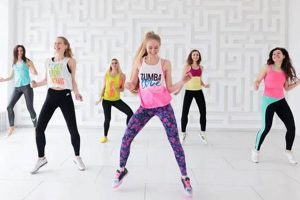
The advantages derived from participating in Zumba, a dance fitness program, encompass a range of physical and mental improvements. This activity blends aerobic exercise with dance movements, typically set to Latin-inspired music. Regular engagement can contribute to enhanced cardiovascular health, weight management, and improved coordination.
The importance of such programs lies in their ability to provide a fun and accessible avenue for physical activity, fostering adherence and long-term participation. Historically, dance fitness has been recognized for its positive impact on physical well-being; Zumba builds upon this tradition by incorporating varied rhythms and styles, thereby appealing to a diverse population. These types of exercise classes not only improve physical fitness but also contribute to stress reduction and increased self-esteem.
The subsequent sections will explore the specific effects of this particular dance fitness program on cardiovascular health, weight control, muscular endurance, mood enhancement, and social well-being.
Guidance for Optimizing the Experience
To maximize the physical and psychological advantages derived from participating in Zumba, consider the following recommendations. These guidelines aim to enhance safety, efficacy, and enjoyment during sessions.
Tip 1: Prioritize Proper Hydration. Adequate fluid intake is crucial before, during, and after each session to maintain optimal performance and prevent dehydration. Water is generally sufficient, but electrolyte-enhanced beverages may be considered for longer or more intense sessions.
Tip 2: Select Appropriate Attire and Footwear. Clothing should be breathable and allow for a full range of motion. Footwear should provide adequate support and cushioning to minimize the risk of foot and ankle injuries. Cross-training shoes are often a suitable choice.
Tip 3: Warm-Up Thoroughly. A comprehensive warm-up, including dynamic stretching and light cardio, prepares the muscles for activity and reduces the likelihood of injury. Focus on movements that mimic those performed during the Zumba session.
Tip 4: Modify Movements as Needed. Zumba routines can be modified to accommodate individual fitness levels and physical limitations. Participants are encouraged to adjust the intensity and range of motion to suit their capabilities and avoid overexertion. If experiencing any pain, stop immediately.
Tip 5: Maintain Correct Posture. Proper posture is essential for preventing injuries and maximizing the effectiveness of each movement. Engage core muscles and maintain a neutral spine throughout the session.
Tip 6: Cool Down Effectively. A gradual cool-down, including static stretching, helps to reduce muscle soreness and promote recovery. Hold each stretch for at least 30 seconds.
Tip 7: Listen to the Body. Pay attention to physical signals and avoid pushing beyond comfortable limits. Rest and recovery are crucial for preventing overtraining and promoting long-term participation.
Adherence to these recommendations can contribute to a safer, more effective, and more enjoyable experience. The long-term advantages include improved cardiovascular health, enhanced muscular endurance, and a greater sense of well-being.
The subsequent section will summarize the key advantages and offer concluding remarks regarding the importance of incorporating Zumba into a comprehensive fitness regimen.
1. Cardiovascular Improvement

Cardiovascular improvement constitutes a significant component of the positive outcomes associated with dance fitness programs. The rhythmic and continuous nature of the activity places demands on the circulatory system, leading to measurable enhancements in cardiac function and overall vascular health.
- Increased Heart Rate and Cardiac Output
Elevated heart rate during sessions stimulates the cardiovascular system, increasing cardiac output and the delivery of oxygenated blood to working muscles. This repeated stimulus strengthens the heart muscle, improving its efficiency over time. Real-world implications include improved stamina for daily activities and reduced risk of cardiac events.
- Enhanced Blood Vessel Function
The increased blood flow associated with regular participation promotes vasodilation, improving the elasticity and function of blood vessels. This contributes to lower blood pressure and reduces the risk of atherosclerosis. The benefits of enhanced blood vessel function extend to improved circulation throughout the body.
- Improved Lipid Profile
Consistent engagement can positively influence lipid profiles, leading to reductions in LDL (low-density lipoprotein) cholesterol and increases in HDL (high-density lipoprotein) cholesterol. This alteration in lipid levels is associated with a decreased risk of cardiovascular disease. Regular physical activity is a recognized strategy for managing cholesterol levels.
- Reduced Resting Heart Rate
Over time, regular cardiovascular exercise leads to a decrease in resting heart rate. This physiological adaptation reflects improved cardiovascular efficiency, indicating that the heart can pump more blood with fewer beats. A lower resting heart rate is generally considered an indicator of good cardiovascular health.
The facets outlined above demonstrate the multifaceted nature of cardiovascular improvement through dance-based fitness. These benefits contribute to enhanced overall health and a reduced risk of chronic diseases, making this a valuable component of a comprehensive wellness strategy. The improvements detailed are measurable and contribute significantly to an individual’s long-term health outcomes.
2. Weight management

Weight management, a critical aspect of overall health, is significantly influenced by participation in dance fitness programs. The relationship between regular participation and effective weight control is multifaceted, extending beyond simple calorie expenditure.
- Calorie Expenditure and Energy Deficit
Engagement in fitness activities results in substantial calorie expenditure, contributing to an energy deficit essential for weight loss. The intensity and duration of sessions dictate the number of calories burned, influencing the rate of weight reduction. Consistent participation amplifies the cumulative calorie deficit, leading to sustainable weight loss. The activity’s engaging nature promotes adherence, thus facilitating long-term weight management.
- Increased Metabolic Rate
Regular physical activity elevates the body’s metabolic rate, even during periods of rest. This increase in metabolic rate contributes to greater calorie consumption throughout the day, augmenting weight loss efforts. Furthermore, enhanced metabolic function aids in the oxidation of fat stores, further supporting weight management objectives. Consistent participation fosters a sustained elevation in metabolic rate, promoting continuous calorie burning.
- Muscle Mass Preservation
While primarily a cardiovascular activity, also contributes to muscle mass preservation during weight loss. Unlike purely calorie-restrictive diets, the physical demands placed on the body stimulate muscle protein synthesis, mitigating muscle loss. Maintaining muscle mass is crucial for sustaining metabolic rate and preventing the rebound effect often observed after weight loss. Preserving muscle mass ensures that a larger proportion of weight loss comes from fat stores.
- Improved Body Composition
Consistent practice contributes to improved body composition, characterized by a reduction in body fat percentage and a relative increase in lean muscle mass. Alterations in body composition positively influence metabolic health, reducing the risk of metabolic disorders associated with excess adiposity. The transformation in body composition leads to a more favorable ratio of muscle to fat, supporting long-term weight maintenance.
The facets outlined illustrate the integrated relationship between participation in dance fitness activities and effective weight management. The combined effects of increased calorie expenditure, elevated metabolic rate, muscle mass preservation, and improved body composition synergistically contribute to sustainable weight control and enhanced overall health. These mechanisms underscore the importance of incorporating dance fitness programs into a comprehensive weight management strategy.
3. Mood elevation

Mood elevation, as a beneficial outcome, warrants careful examination. The relationship between dance fitness activities and improved psychological well-being is complex, involving neurochemical, psychological, and social factors. The following details illuminate the mechanisms through which these activities contribute to improved mood and emotional health.
- Endorphin Release
Physical activity stimulates the release of endorphins, natural neurotransmitters with mood-boosting and pain-relieving effects. The endorphin rush experienced during and after participation contributes to a feeling of euphoria and reduced stress. Regular engagement can lead to sustained elevations in endorphin levels, promoting long-term improvements in mood.
- Stress Reduction and Cortisol Regulation
Dance fitness activities serve as an effective stress reliever. The physical exertion helps to reduce levels of cortisol, the primary stress hormone. Chronic elevation of cortisol is associated with negative psychological outcomes, including anxiety and depression. By regulating cortisol levels, such programs mitigate the adverse effects of stress and promote a sense of calm and well-being.
- Social Interaction and Support
Participation in group-based fitness activities fosters social interaction and provides a sense of community. Social support is a critical factor in maintaining psychological health and resilience. The shared experience of engaging in dance fitness can lead to the formation of meaningful connections, reducing feelings of isolation and promoting a sense of belonging. The social aspect of fitness classes often enhances motivation and adherence.
- Increased Self-Esteem and Body Image
Achieving fitness goals and mastering dance movements can lead to increased self-esteem and improved body image. The physical improvements resulting from regular participation can enhance feelings of confidence and self-worth. The positive feedback and encouragement received from instructors and fellow participants further contribute to enhanced self-perception. These factors collectively promote a more positive body image and greater overall self-esteem.
The details outlined above showcase the multifaceted nature of mood elevation through engagement in dance fitness programs. The combined effects of endorphin release, stress reduction, social interaction, and increased self-esteem synergistically contribute to improved psychological well-being. These mechanisms underscore the importance of considering the holistic benefits of such activities, which extend beyond purely physical outcomes.
4. Coordination enhancement
Dance fitness activities, exemplified by Zumba, demonstrably enhance coordination. The basis for this improvement lies in the execution of complex, multi-directional movements that require the simultaneous engagement of various muscle groups and the precise timing of motor actions. These movements necessitate the brain’s capacity to process spatial information, plan motor sequences, and adjust movements in real-time. Therefore, sustained participation serves to refine the neural pathways responsible for motor control and proprioception.
The practical significance of enhanced coordination extends beyond the dance floor. Improved balance, reaction time, and spatial awareness translate into reduced risk of falls and injuries in everyday activities. For instance, navigating uneven terrain, reacting quickly to unexpected obstacles, or performing tasks requiring fine motor skills benefit directly from the coordination improvements fostered by regular participation. The enhancement of these skills facilitates safer and more efficient movement across a range of physical contexts.
In summary, the activity offers a mechanism for improving coordination through the consistent execution of complex movements. The improvements translate into tangible benefits, increasing agility, balance, and motor control across various everyday scenarios, ultimately improving safety and functional capacity. Understanding this connection underscores the value of incorporating the activity into a balanced fitness routine, especially for individuals seeking to enhance their overall physical proficiency.
5. Social engagement

Social engagement, an integral component of well-being, is demonstrably fostered through participation in group fitness activities. The context of group activities provides opportunities for interaction and support, thereby impacting individual health outcomes. This discussion explores key facets of social engagement within the activity and its subsequent effects.
- Community Building
Participation in regularly scheduled fitness classes facilitates the formation of a community amongst attendees. Shared experiences, common goals, and consistent interaction contribute to a sense of belonging. This community provides emotional support, encouragement, and a network of individuals with similar interests. The resultant community fosters adherence and enhances motivation to continue the program.
- Reduced Social Isolation
Group fitness activities provide an antidote to social isolation, a significant concern for various demographic groups. Classes offer a structured environment for social interaction, mitigating feelings of loneliness and alienation. Regular engagement fosters interpersonal connections, thereby expanding an individual’s social network. The mitigation of social isolation contributes to improved mental and emotional well-being.
- Enhanced Motivation and Adherence
The social dynamics of group fitness positively influence motivation and adherence to the program. The presence of others creates a sense of accountability and peer support. Participants are more likely to attend classes consistently when they feel connected to a social group. The encouragement and camaraderie derived from social interactions enhance the likelihood of sustained participation and the attainment of fitness goals.
- Improved Communication Skills
Consistent interaction with fellow participants in fitness classes provides opportunities to hone communication skills. Engaging in conversations, coordinating movements, and offering encouragement contribute to the development of interpersonal abilities. Improved communication skills translate to enhanced social interactions outside the fitness environment. The cultivation of these skills contributes to greater social competence and confidence.
In summation, social engagement within dance fitness programs provides tangible benefits. The creation of community, reduction of isolation, enhancement of motivation, and improvement of communication skills collectively contribute to improved well-being and a greater likelihood of sustained participation. The benefits underscore the value of considering the social dimension of fitness activities.
Frequently Asked Questions
The following addresses common inquiries regarding the advantages of participating in Zumba. These answers aim to provide clear and concise information.
Question 1: Is Zumba suitable for individuals with no prior dance experience?
Yes, the program is designed to be accessible to individuals of all fitness levels and dance backgrounds. Instructors typically provide modifications to accommodate varying degrees of experience. The focus is on movement and fun, not technical precision.
Question 2: What are the primary cardiovascular benefits derived from Zumba?
Regular participation elevates heart rate, strengthens the heart muscle, and improves blood vessel function. These effects contribute to reduced blood pressure and a decreased risk of cardiovascular disease.
Question 3: Does Zumba contribute to weight loss?
Yes, it facilitates weight loss by increasing calorie expenditure and elevating metabolic rate. Consistent engagement can lead to a significant calorie deficit, promoting fat loss. Additionally, it aids in preserving muscle mass during weight reduction.
Question 4: Can Zumba improve an individual’s mood?
The activity triggers the release of endorphins, which have mood-boosting effects. It also serves as a stress reliever by regulating cortisol levels. Furthermore, social interaction within classes promotes a sense of community and reduces feelings of isolation, contributing to overall psychological well-being.
Question 5: How does Zumba enhance coordination?
The activity involves complex, multi-directional movements that require the brain to process spatial information and coordinate motor actions. Consistent practice refines neural pathways, improving balance, reaction time, and spatial awareness.
Question 6: Are there any potential risks or precautions to consider before starting Zumba?
Individuals with pre-existing medical conditions, particularly cardiovascular or musculoskeletal issues, should consult a healthcare professional prior to participation. Proper hydration, appropriate footwear, and a thorough warm-up are essential to minimize the risk of injury.
These FAQs provide a summary of the key regarding the benefits of participating. It is crucial to seek professional medical advice when necessary.
The subsequent section will provide concluding remarks summarizing the overall advantages of this activity.
Conclusion
The exploration of the positive impacts stemming from participation in Zumba has revealed a multifaceted array of advantages. These extend beyond mere physical fitness, encompassing improvements in cardiovascular health, weight management, mood elevation, coordination enhancement, and social engagement. Each facet contributes to a holistic enhancement of individual well-being.
The confluence of physical, psychological, and social has the potential to yield substantial dividends in terms of quality of life. The data presented herein underscores the value of considering dance fitness programs as a component of a comprehensive health and wellness strategy. Further investigation into the long-term effects and broader applicability of these activities is warranted to fully elucidate their potential.