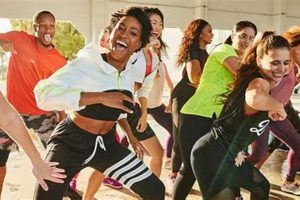
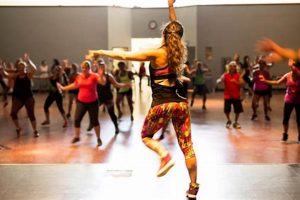
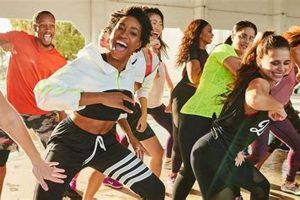
An individual certified to lead Zumba fitness classes is trained to choreograph routines incorporating Latin American-inspired dance and music. These professionals guide participants through various rhythms and movements, ensuring proper form and safety while fostering an energetic and enjoyable workout environment. For example, they might instruct a class through a salsa-inspired warm-up, followed by merengue and cumbia sections, concluding with a cool-down.
The value of a qualified fitness professional in this discipline lies in their ability to deliver a structured and safe exercise program. The benefits extend beyond physical fitness, encompassing improved coordination, stress reduction, and social interaction. The format originated in the late 1990s and gained widespread popularity in the early 2000s, evolving into a globally recognized fitness trend.
The following sections will delve into the specific responsibilities, required qualifications, career paths, and continued professional development necessary to succeed in this role. Additional information will also be provided in order to have a more clear understanding of the responsibilities required to be a certified fitness professional in this area.
Guidance for Aspiring Professionals
The following offers actionable advice for individuals pursuing a career leading Zumba fitness classes. Emphasis is placed on strategies for building expertise, promoting classes, and maintaining a thriving practice.
Tip 1: Obtain Formal Certification. Completion of a Zumba Basic 1 Instructor Training course is fundamental. This certification provides the foundational knowledge and skills to lead introductory-level classes effectively.
Tip 2: Master Choreography and Cueing Techniques. Practice and refine the ability to execute Zumba steps accurately and provide clear verbal cues. Consistent rehearsal will build confidence and ensure participants can follow instructions easily.
Tip 3: Develop a Diverse Music Library. Cultivate a collection of music that spans various Latin rhythms and genres. This variety keeps classes engaging and caters to diverse preferences.
Tip 4: Prioritize Participant Safety. Maintain awareness of participants’ physical limitations and provide modifications for exercises as needed. A safe and supportive environment is essential.
Tip 5: Build a Strong Online Presence. Utilize social media platforms and professional websites to promote classes and showcase expertise. Consistent online activity can attract new clients and build a brand.
Tip 6: Network with Fitness Professionals. Connect with other instructors and gym owners to explore collaborative opportunities and expand reach. Building relationships within the fitness community can lead to referrals and partnerships.
Tip 7: Continuously Pursue Professional Development. Participate in advanced Zumba training courses and workshops to enhance skills and stay current with industry trends. Ongoing learning demonstrates commitment to excellence.
Adherence to these recommendations will facilitate the development of a successful and rewarding career. Dedication to continuous improvement and commitment to participant well-being are paramount.
The concluding section will summarize key career considerations and offer final advice for aspiring professionals.
1. Choreography Expert

The role of choreography expertise is central to the function. A Zumba instructor’s proficiency in choreography directly impacts the efficacy and appeal of their classes. A skilled instructor does more than simply execute steps; they select, adapt, and combine movements to create sequences that are both engaging and effective for participants of varying fitness levels. Poor choreography can lead to participant frustration, injury, or disengagement, while well-crafted routines enhance the workout experience and promote adherence. For example, an instructor lacking choreography skills might simply string together random steps, resulting in a disjointed and ineffective class. Conversely, an instructor with expertise will structure a routine that progressively increases in intensity, incorporates diverse muscle groups, and flows seamlessly, creating a more enjoyable and beneficial workout.
Practical application of this expertise involves a thorough understanding of rhythm, musicality, and movement principles. Instructors must be able to interpret music cues, adapt steps to different tempos, and provide clear and concise verbal cues to guide participants. They also need to be adept at modifying routines to accommodate individuals with physical limitations or injuries. For instance, an instructor might offer a low-impact alternative to a jump or a seated modification for a floor exercise. A real-world example of this is an instructor adapting a high-energy salsa routine for a group of senior citizens, modifying jumps and turns to make it more accessible while retaining the essence of the dance.
In conclusion, the ability to create effective and engaging routines is an indispensable component of the Zumba instructor skillset. This expertise directly influences participant outcomes, class attendance, and the overall success of the class. Challenges in this area can arise from a lack of training, experience, or creativity, highlighting the importance of continuous learning and professional development within the field.
2. Certified Professional

Certification is a cornerstone of legitimacy and competence for Zumba instructors. It signifies a commitment to safety, best practices, and adherence to established standards within the fitness industry. This status ensures that instructors possess the fundamental knowledge and skills to lead classes effectively and responsibly.
- Adherence to Safety Protocols
A certified Zumba instructor is trained in injury prevention and emergency response procedures. They understand how to modify movements to accommodate participants with physical limitations, ensuring a safe exercise environment. For example, a certified professional will be proficient in recognizing signs of overexertion and adapting the class accordingly to mitigate risks.
- Proficiency in Choreography and Cueing
Certification programs emphasize the development of choreography skills and effective cueing techniques. Instructors learn how to structure routines that are both engaging and accessible, providing clear and concise instructions to guide participants through the steps. This is crucial for maintaining class flow and maximizing participant enjoyment.
- Understanding of Zumba Methodology
Certified professionals possess a thorough understanding of the underlying principles and philosophy of the Zumba program. They are familiar with the various rhythms and styles incorporated into Zumba classes, and they can effectively communicate the benefits of the program to potential participants. This knowledge fosters confidence and credibility.
- Ethical and Professional Conduct
Certification often includes training on ethical considerations and professional conduct. Instructors are expected to uphold the standards of the Zumba brand, treat participants with respect, and avoid engaging in practices that could compromise their reputation or the integrity of the program. Maintaining a high level of professionalism is essential for building trust and fostering a positive class environment.
In summation, the “Certified Professional” status is more than just a credential; it represents a commitment to excellence and a dedication to providing a safe, effective, and enjoyable Zumba experience. This directly impacts the value and perceived quality of the class, influencing participant satisfaction and retention. A lack of certification can raise concerns about an instructor’s qualifications and potentially deter individuals from attending their classes.
3. Fitness Motivator

The role of a “Fitness Motivator” is intrinsically linked to the function of a Zumba instructor. The ability to inspire and encourage participants is a critical component of the effectiveness and overall success of a Zumba class. A skilled instructor leverages motivational techniques to foster a positive and supportive environment, maximizing participant engagement and adherence to the fitness program.
- Encouraging Participation and Engagement
A motivating instructor employs verbal cues, positive reinforcement, and non-verbal communication to encourage active participation from all class members. For example, they might offer words of encouragement, acknowledge individual efforts, and create a sense of community among participants. This strategy can transform a hesitant group into an energetic and committed class.
- Fostering a Positive and Inclusive Environment
Motivation is often intertwined with the creation of a welcoming and inclusive atmosphere. An instructor who celebrates diversity and acknowledges individual differences can make participants feel comfortable and accepted. This environment reduces anxieties related to fitness levels and promotes a sense of belonging, which, in turn, increases motivation.
- Overcoming Barriers to Exercise Adherence
Many individuals face challenges in maintaining a consistent exercise routine. The motivator helps overcome these barriers by providing ongoing support, setting realistic goals, and celebrating achievements. An instructor might offer tips for time management, healthy eating, or stress reduction, demonstrating a holistic approach to fitness and wellness.
- Promoting a Sustainable Lifestyle Change
The ultimate goal of a fitness motivator is to inspire long-term lifestyle changes. This requires more than just providing a fun workout; it involves educating participants about the benefits of physical activity and empowering them to make informed choices about their health. An instructor might share information about nutrition, stress management, and the importance of sleep, equipping participants with the tools to sustain a healthy lifestyle.
In summary, the function of a “Fitness Motivator” is integral to the role of a Zumba instructor. The capacity to inspire, encourage, and support participants significantly influences their adherence to the program and their overall fitness outcomes. By creating a positive and inclusive environment and providing the tools and knowledge necessary for lifestyle change, Zumba instructors can empower individuals to achieve their health and wellness goals.
4. Music Curator

The role of a “Music Curator” is fundamentally intertwined with the function of a Zumba instructor. The selection and management of music directly influence the energy, engagement, and overall success of each class. A skilled instructor acts as a music curator, carefully choosing tracks that align with Zumba principles and enhance the workout experience.
- Genre Expertise and Rhythmic Variety
A competent music curator possesses a broad understanding of Latin American and international musical genres. This includes knowledge of salsa, merengue, cumbia, reggaeton, and other rhythms integral to Zumba. Selection should provide rhythmic variety, preventing monotony and maintaining participant engagement. For instance, a class might transition from a high-energy salsa track to a more relaxed cumbia, offering both cardiovascular challenge and stylistic diversity.
- Track Selection for Intensity and Flow
The strategic selection of music influences the intensity and flow of the class. Tracks should be sequenced to create a balanced workout, incorporating periods of high-intensity activity and active recovery. A curator considers the tempo, beat, and overall energy of each song when constructing a playlist. As an example, an instructor might start with a moderate-tempo warm-up track, gradually increase the intensity with several high-energy songs, and then conclude with a slower cool-down track.
- Music Licensing and Copyright Compliance
A responsible music curator adheres to music licensing regulations and copyright laws. This involves obtaining the necessary permissions to use copyrighted music in a commercial setting. Instructors must be knowledgeable about licensing options and ensure that their music usage is compliant with applicable regulations. Failure to comply with these laws can result in legal penalties.
- Adaptation to Participant Preferences
An effective music curator is sensitive to the preferences of their participants. This may involve soliciting feedback on music choices and incorporating popular requests into playlists. While maintaining the integrity of the Zumba format, instructors can tailor their music selections to appeal to the specific tastes of their class. An instructor may notice a local trend and use that to the advantage in selecting the music.
These facets of music curation collectively highlight the crucial role it plays in the broader context of being a successful Zumba instructor. The ability to expertly select, license, and adapt music is a significant determinant of participant satisfaction, class attendance, and overall program effectiveness.
5. Safety Guardian

The role of a “Safety Guardian” is a paramount responsibility for the role described as what is zumba instructor. It encompasses a comprehensive approach to minimizing risks and ensuring the well-being of all participants. This responsibility transcends mere adherence to guidelines; it requires a proactive and attentive approach to identifying and mitigating potential hazards.
- Risk Assessment and Mitigation
Prior to each class, a competent individual assesses the physical environment for potential hazards, such as uneven flooring or obstructions. Steps are taken to mitigate these risks, which may include adjusting the layout, providing warnings, or modifying activities. For example, a loose floor mat could be secured, or participants could be informed of a low-hanging fixture. This proactive approach minimizes the likelihood of accidents or injuries.
- Proper Warm-up and Cool-down Procedures
A carefully structured warm-up prepares the body for the physical demands of the Zumba class, while a cool-down facilitates recovery and reduces the risk of muscle soreness. A Zumba instructor leads participants through a series of stretches and low-intensity movements, gradually increasing blood flow to the muscles. The cool-down phase involves similar exercises to gradually reduce the heart rate and promote relaxation. Deviation from these procedures can increase the risk of injury.
- Modification and Adaptation for Diverse Needs
Participants in a Zumba class often have varying levels of fitness and may have pre-existing injuries or physical limitations. It is imperative to offer modifications and adaptations to exercises to accommodate these diverse needs. This may involve providing low-impact alternatives, suggesting modifications for individuals with joint pain, or offering chair-based exercises for those with limited mobility. Individual assessment allows adjustments to specific needs. The goal is to enable everyone to participate safely and effectively.
- Emergency Preparedness and Response
A responsible individual is prepared to respond effectively to medical emergencies that may arise during a class. This includes having a basic understanding of first aid and CPR, as well as having a plan for contacting emergency services. A well-stocked first-aid kit should be readily available, and participants should be informed of the location of emergency exits. Prompt and appropriate action can be critical in mitigating the severity of a medical event.
These facets of safety directly influence the value and sustainability of a Zumba program. A safe and well-managed class fosters trust and encourages participation, while incidents or injuries can damage the reputation of the role and deter individuals from attending future classes. The core goal to take in mind to have more people in the Zumba class by making sure there is safety in the area. Prioritizing safety is not merely a matter of compliance; it is an ethical imperative that reflects a commitment to the well-being of all participants.
6. Community Builder

The role of a community builder is intrinsically linked to success in the function of a fitness class leader. This aspect extends beyond simply leading exercises; it involves cultivating an inclusive, supportive environment where participants feel connected and motivated. The ability to foster such a community significantly impacts participant retention, class satisfaction, and overall program efficacy. It establishes a sense of belonging, reducing feelings of isolation and enhancing the overall experience. An example includes organizing social events outside class time, facilitating interactions among participants, and creating a culture of mutual encouragement. This creates a sense of bonding and support.
The practical application of community building manifests in several ways. A leader might facilitate introductions between new members and existing participants, fostering friendships and support networks. Celebrating participant milestones, such as fitness achievements or class attendance milestones, strengthens the community bond. A specific example could involve organizing a themed class or a charity event to bring participants together for a shared purpose. Facilitating feedback sessions allows class leaders to get direct input from the participants on how they can improve. Addressing concerns promptly demonstrates a commitment to creating a positive and responsive community atmosphere. In building a positive environment, the attendees and participants are more likely to promote the Zumba class.
The connection between the “Community Builder” role and effective fitness leadership is undeniable. It requires dedication, empathy, and strong interpersonal skills. Cultivating a vibrant community enhances the exercise experience. This creates lasting relationships and contributes to the overall well-being of participants. Challenges may include addressing conflicts within the group, managing diverse needs, and maintaining engagement over time. This is a challenge in any community to maintain stability, but by addressing it early, the Zumba class can progress efficiently.
7. Business Manager

The role of “Business Manager” is a critical, often understated, component of an individual leading Zumba fitness classes. While proficiency in choreography and fitness instruction is essential, effective management of the class as a business venture directly impacts its financial viability and long-term sustainability.
- Marketing and Promotion
Effective marketing is paramount for attracting and retaining clients. A business-minded Zumba instructor develops strategies to promote classes through various channels, including social media, local advertising, and community partnerships. For example, offering introductory discounts or collaborating with local businesses can increase class visibility and attract new participants. Failure to effectively market the class can lead to low attendance and financial losses.
- Financial Management
Sound financial management is crucial for profitability. An instructor must track income and expenses, manage class fees, and potentially handle payroll for assistant instructors. Implementing budgeting practices and understanding basic accounting principles is essential for ensuring financial stability. For instance, meticulously tracking expenses and comparing them against revenue can reveal areas for cost optimization and increased profitability. Poor financial management can result in unsustainable business practices and potential debt.
- Client Relationship Management
Building and maintaining strong client relationships is key to long-term success. A business manager prioritizes communication with participants, addressing concerns promptly and soliciting feedback to improve the class experience. Implementing a system for tracking attendance, sending reminders, and offering personalized attention can foster client loyalty and encourage repeat business. Neglecting client relationships can lead to attrition and decreased revenue.
- Scheduling and Logistics
Efficient scheduling and logistical planning are essential for smooth operation. The business-minded individual handles class scheduling, manages studio rentals or space agreements, and ensures that all necessary equipment is available. Optimizing the schedule to accommodate participant preferences and maximizing space utilization can enhance convenience and increase attendance. Poor scheduling or logistical mismanagement can create inconvenience for participants and negatively impact the overall class experience.
The “Business Manager” facet underscores that being a Zumba instructor entails more than fitness expertise; it necessitates sound business acumen. Effective management across marketing, finance, client relationships, and logistics directly influences the success and sustainability of the role. The aspects are a core function to take note for every Zumba Instructor, where they are considered to be the face of their Zumba Community.
Frequently Asked Questions About Zumba Instructors
The following addresses common inquiries regarding the role, qualifications, and responsibilities of these certified fitness professionals.
Question 1: What are the fundamental requirements to become a certified Zumba instructor?
Certification typically necessitates completion of a Zumba Basic 1 instructor training course. This foundational training provides the essential choreography, cueing techniques, and safety protocols necessary to lead introductory-level classes.
Question 2: Does an instructor’s certification expire, and if so, what is required for renewal?
Initial certification often requires ongoing professional development and may be subject to periodic renewal. Specific renewal requirements vary but often include attending advanced training sessions or workshops to maintain current knowledge and skills.
Question 3: What legal liabilities does an instructor face, and how are these mitigated?
Instructors face potential liabilities related to participant injury or negligence. Mitigation strategies include maintaining adequate liability insurance, ensuring a safe class environment, and providing appropriate modifications for participants with physical limitations.
Question 4: What continuing education opportunities are available to instructors to enhance their skills?
Continuing education options encompass advanced Zumba specialty courses, workshops focusing on specific rhythms or techniques, and professional development opportunities offered by fitness organizations. These opportunities allow instructors to refine their skills and stay current with industry trends.
Question 5: How does the role differ from other group fitness instructor positions?
The role distinguishes itself through its emphasis on Latin American-inspired dance and music. It requires specialized knowledge of specific rhythms and choreography, as well as the ability to create a fun and engaging class environment that fosters a sense of community.
Question 6: What are the key challenges commonly faced by instructors?
Typical challenges include attracting and retaining participants, managing class dynamics, adapting routines to diverse fitness levels, and staying current with music and choreography trends. Overcoming these challenges requires strong communication skills, adaptability, and a commitment to continuous learning.
In summary, the role demands a combination of fitness expertise, musical knowledge, and business acumen. Continuous learning and dedication to participant well-being are essential for long-term success.
The subsequent section will delve into resources for locating qualified instructors and verifying their credentials.
Conclusion
This exposition has explored the multifaceted role. Responsibilities extend beyond leading dance-based fitness routines to encompass elements of choreography, safety, motivation, musical expertise, community building, and business management. The certified professional serves as more than a fitness leader; they are a facilitator of health, wellness, and social interaction.
The long-term success hinges on a commitment to ethical conduct, ongoing professional development, and the ability to adapt to evolving participant needs and industry trends. Prospective participants should prioritize instructors with verifiable credentials and a demonstrable dedication to creating a safe and inclusive class environment. Continued examination of these aspects is warranted to ensure the integrity and effectiveness of the Zumba program.