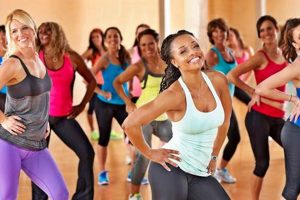
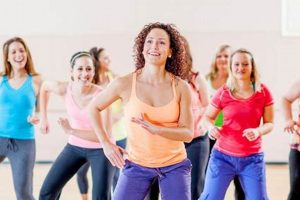
The delivery of Zumba fitness instruction via online platforms constitutes a remote exercise option. This modality allows individuals to participate in Zumba sessions from their homes or other locations with internet access. Participants typically follow the instructor’s choreography through a live video feed or a pre-recorded session. Access to the online session is usually provided through a subscription or a per-class fee.
This approach to fitness provides increased accessibility and convenience. Geographical limitations are eliminated, enabling participation from anywhere with an internet connection. Individuals with scheduling constraints or mobility issues can engage in physical activity more readily. Furthermore, the cost-effectiveness and the availability of diverse instructors and class styles contribute to its appeal.
Subsequent sections will delve into the technical requirements, optimal practices for effective participation, and the potential benefits and drawbacks associated with remote Zumba instruction.
Tips for Effective Remote Zumba Participation
Maximizing the benefits of virtual Zumba sessions requires careful consideration of several factors, including preparation, environment, and technology.
Tip 1: Optimize the Viewing Device. Employ a screen large enough to clearly visualize the instructor’s movements. Smaller screens on mobile phones may hinder the ability to accurately follow the choreography. A tablet or computer screen is recommended.
Tip 2: Secure Adequate Space. Ensure sufficient unobstructed space for movement. Clear the area of any furniture or objects that could impede movement or present a safety hazard. Measure the space to ensure free range of motion.
Tip 3: Evaluate Internet Connectivity. A stable and reliable internet connection is crucial for a seamless experience. Test the connection speed prior to the session to prevent interruptions during the class. Consider using a wired connection if Wi-Fi is unstable.
Tip 4: Prioritize Proper Footwear. Select footwear appropriate for indoor exercise. Shoes with good support and traction are essential to prevent injuries and provide stability during dynamic movements. Bare feet or socks alone are generally discouraged.
Tip 5: Implement a Warm-Up and Cool-Down Routine. Complement the instructor’s routine with additional warm-up exercises prior to the session and cool-down stretches afterwards. This helps to prepare the body for exercise and reduce the risk of muscle soreness.
Tip 6: Adjust the Volume Appropriately. Manage the audio volume to ensure clear audibility of both the instructor’s voice and the music. The balance between these two elements is crucial for maintaining rhythm and following instructions effectively. Use headphones if in a shared space.
These strategies, when implemented conscientiously, enhance the overall efficacy and safety of remote Zumba engagement.
The following section will discuss common challenges and solutions related to this mode of fitness instruction.
1. Accessibility

The concept of accessibility, when applied to remote Zumba instruction, fundamentally alters the landscape of fitness participation. The digital delivery of these classes broadens access to individuals who may face barriers to traditional in-person sessions. This accessibility encompasses several distinct facets, each contributing to a more inclusive and equitable fitness experience.
- Geographical Reach
Traditional Zumba classes are geographically constrained by the physical location of studios and instructors. Remote instruction removes this limitation, allowing individuals in rural areas or those with limited transportation options to participate. A person residing in a remote area with limited access to fitness facilities, for example, can now engage in Zumba instruction from their home.
- Time Constraints
Fixed class schedules often conflict with personal commitments, limiting participation for many. Remote platforms typically offer a variety of class times, including on-demand sessions, allowing individuals to exercise according to their own schedules. An individual with a demanding work schedule can participate in a pre-recorded session during their lunch break or after hours.
- Physical Limitations
Individuals with mobility issues or disabilities may find it challenging to attend in-person classes. Remote instruction allows them to modify exercises to suit their individual needs and participate from the comfort and safety of their homes. A person with a knee injury, for instance, can modify the jumping and high-impact movements of a Zumba class.
- Cost Considerations
The cost of gym memberships and in-person classes can be a barrier to entry for some individuals. Remote instruction often offers more affordable options, such as subscription-based services or pay-per-class models. This can provide a more financially accessible pathway to fitness for those on a limited budget.
These facets of accessibility collectively democratize participation in Zumba, extending its reach to populations previously underserved by traditional fitness offerings. The expansion of access, enabled by digital platforms, significantly increases the potential for individuals to benefit from this form of physical activity.
2. Space Requirements

Adequate space is a fundamental prerequisite for safe and effective participation in remote Zumba classes. The dynamic nature of Zumba, characterized by lateral movements, turns, and various dance steps, necessitates a designated area free from obstructions. Failure to adhere to appropriate space requirements can elevate the risk of injury and diminish the overall exercise experience.
- Obstruction-Free Zone
The primary concern is the creation of an obstruction-free zone. This involves clearing the immediate area of furniture, equipment, or any object that could impede movement or present a tripping hazard. The size of this zone should correspond to the individual’s range of motion during typical Zumba movements. For instance, a participant performing a wide grapevine step requires sufficient lateral space to avoid collisions.
- Floor Surface Considerations
The type of floor surface influences safety and comfort. Hard surfaces, such as concrete or tile, can increase the impact on joints and should be avoided if possible. A sprung floor or a surface covered with a non-slip mat provides better cushioning and reduces the risk of slips and falls. Consider the example of a participant performing a Zumba routine on a hard, unyielding surface versus one performing the same routine on a padded, non-slip surface; the latter experience would likely be more comfortable and safer.
- Vertical Clearance
While often overlooked, vertical clearance is also a relevant factor. Low-hanging light fixtures or ceiling fans pose a potential hazard during upward arm movements or jumps. Ensuring sufficient vertical space minimizes the risk of accidental contact with overhead objects. A participant with extended arm movements, for example, requires ample vertical space to execute the choreography without obstruction.
- Proximity to Walls and Objects
Maintaining a safe distance from walls and other fixed objects is crucial. Accidental contact with these objects during dynamic movements can lead to injuries. The distance should be sufficient to allow for unrestricted arm and leg movements in all directions. A participant performing a turn, for instance, needs adequate space to avoid bumping into a wall or a piece of furniture.
These spatial considerations are essential for mitigating risks and optimizing the benefits derived from remote Zumba participation. By prioritizing space requirements, participants can create a safe and conducive environment for engaging in this form of physical activity. The application of these principles enhances the accessibility and safety aspects of “stream zumba classes”.
3. Connectivity Stability
Connectivity stability is a non-negotiable prerequisite for effective participation in remote Zumba instruction. The real-time nature of these classes demands an uninterrupted data stream to ensure synchronization between the instructor’s movements and the participant’s actions. Disruptions to connectivity compromise the learning experience and can potentially lead to physical injury.
- Real-Time Video Transmission
The transmission of video data in real-time relies heavily on a stable internet connection. Fluctuations in bandwidth or packet loss can cause video buffering, freezing, or complete disconnection. This disrupts the participant’s ability to follow the choreography accurately. Consider the scenario where a participant is in the middle of a complex step sequence, and the video feed freezes due to network instability. The participant may then misinterpret the subsequent movements, increasing the risk of injury.
- Audio Synchronization
Synchronized audio is equally critical. Audio disruptions, such as lagging or distortion, hinder the participant’s ability to hear instructions and follow the rhythm of the music. This can lead to timing errors and a diminished sense of engagement. For instance, if the music cuts out during a fast-paced section, the participant loses the crucial auditory cues that guide their movements, potentially leading to disengagement.
- Interactive Feedback Limitations
Some remote Zumba classes incorporate interactive elements, such as live chats or virtual “shout-outs” from the instructor. Unstable connectivity limits the ability to participate in these interactive features. Delays in message delivery or dropped video calls prevent the participant from receiving real-time feedback or engaging in the social aspects of the class. A participant attempting to ask a question via the chat function but experiencing connectivity issues will be unable to receive immediate clarification, diminishing their learning experience.
- Platform Reliability
The stability of the platform hosting the remote Zumba class is also dependent on reliable connectivity. Server-side issues or network congestion on the provider’s end can lead to widespread disruptions, affecting all participants simultaneously. A platform experiencing a server outage during a peak class time would render the class inaccessible, highlighting the importance of platform reliability and robust infrastructure.
The interdependence of these elements underscores the critical role of connectivity stability in facilitating a seamless and effective remote Zumba experience. Without a reliable connection, the potential benefits of increased accessibility and convenience are significantly diminished. Therefore, participants and providers alike must prioritize robust network infrastructure to ensure optimal participation in stream zumba classes.
4. Qualified Instructors

The efficacy and safety of “stream zumba classes” are inextricably linked to the qualifications and expertise of the instructors leading the sessions. Unqualified instructors may lack the necessary knowledge of proper form, injury prevention, and effective teaching techniques, potentially leading to negative outcomes for participants. The presence of qualified instructors serves as a cornerstone for ensuring the value and integrity of remote fitness instruction.
A qualified Zumba instructor possesses a comprehensive understanding of Zumba choreography, music rhythms, and modifications for various fitness levels and physical limitations. They are certified by Zumba Fitness, LLC, demonstrating adherence to established standards of competence and ethical conduct. For example, a certified instructor can effectively adapt Zumba routines to accommodate participants with joint pain or mobility restrictions, ensuring they can participate safely and effectively. Furthermore, a qualified instructor understands the principles of exercise physiology and can provide guidance on proper warm-up and cool-down routines, reducing the risk of injury. In contrast, an unqualified instructor may lack the knowledge to provide these essential modifications and guidance.
The proliferation of “stream zumba classes” necessitates heightened vigilance in verifying instructor credentials. Platforms offering remote fitness instruction should implement stringent screening processes to ensure that instructors possess valid Zumba certifications and relevant fitness qualifications. Participants should also exercise due diligence by researching the instructor’s background and experience before enrolling in a class. This proactive approach safeguards the quality and safety of remote Zumba instruction, mitigating potential risks and maximizing the benefits for all participants.
5. Music Licensing
Music licensing represents a critical legal and ethical consideration for the provision of “stream zumba classes”. Zumba, as a fitness discipline, relies heavily on copyrighted music to motivate participants and synchronize movements. The unauthorized use of copyrighted music in a commercial setting, such as a streamed fitness class, constitutes copyright infringement and can lead to significant legal and financial repercussions for both the instructor and the hosting platform. Music licensing ensures that copyright holders composers, publishers, and recording artists are compensated for the use of their intellectual property. Without proper licensing, instructors are essentially profiting from the unauthorized exploitation of creative works. Consider, for example, a Zumba instructor who streams classes without obtaining the necessary licenses. They might be using popular songs to attract participants and generate revenue; however, this use infringes upon the rights of the copyright holders, who are entitled to royalties for the public performance of their music.
The practical significance of understanding music licensing lies in the ability to operate legally and ethically within the digital fitness landscape. Instructors must secure performance licenses from performing rights organizations (PROs) such as ASCAP, BMI, and SESAC in the United States, or their equivalent organizations in other countries. These licenses grant the right to publicly perform copyrighted music within specified parameters. In the context of “stream zumba classes”, this entails obtaining licenses that cover the online streaming of music to participants. Alternatively, instructors can opt to use royalty-free music specifically designed for fitness purposes, ensuring that they are not infringing on any copyrights. A Zumba studio offering “stream zumba classes”, for instance, should factor the costs of music licensing into their business model, just as they would account for rent, insurance, and instructor fees. The failure to do so puts them at risk of legal action.
In conclusion, music licensing is not merely a technicality but an essential component of legitimate “stream zumba classes”. Proper licensing practices ensure that creators are fairly compensated, that instructors operate within the bounds of the law, and that the entire remote Zumba ecosystem functions ethically and sustainably. The challenges involved in navigating the complexities of copyright law underscore the need for clarity, transparency, and readily accessible resources for instructors and platforms. Adherence to music licensing protocols demonstrates respect for intellectual property and contributes to the long-term viability of the online fitness industry.
Frequently Asked Questions About Stream Zumba Classes
This section addresses common inquiries and concerns related to engaging with Zumba instruction via online platforms. The information provided aims to offer clarity and informed guidance.
Question 1: What technical requirements are necessary to participate effectively in Stream Zumba Classes?
A stable internet connection, a suitable viewing device (tablet or computer recommended), and adequate space free from obstructions are essential. Additionally, appropriate footwear and consideration of audio volume levels are important for safety and optimal engagement.
Question 2: Are Stream Zumba Classes as effective as in-person Zumba sessions for achieving fitness goals?
Effectiveness is contingent upon individual adherence and effort. While the social dynamics of in-person classes may provide additional motivation for some, the accessibility and convenience of Stream Zumba Classes can facilitate consistent participation, leading to comparable results.
Question 3: How can one verify the qualifications of an instructor offering Stream Zumba Classes?
Zumba Fitness, LLC, provides a certification process for instructors. Inquire about the instructor’s certification status and experience. Reputable platforms typically vet instructors to ensure they meet established standards.
Question 4: What measures are in place to ensure the safety of participants during Stream Zumba Classes?
Participants are responsible for creating a safe environment, including adequate space and appropriate footwear. Qualified instructors should provide modifications for various fitness levels and physical limitations. Pre-class warm-up and post-class cool-down routines are also crucial.
Question 5: How does music licensing impact the availability and cost of Stream Zumba Classes?
Compliance with copyright laws necessitates that platforms and instructors obtain appropriate music licenses. The cost of these licenses can influence class pricing. Some instructors may opt to use royalty-free music to reduce expenses.
Question 6: What recourse does a participant have if they experience technical difficulties or dissatisfaction with a Stream Zumba Class?
Review the platform’s terms of service for information on refunds, technical support, and dispute resolution procedures. Contact the instructor or platform provider directly to address concerns and seek clarification.
In summary, successful engagement with Stream Zumba Classes requires attention to technical details, instructor qualifications, safety protocols, and music licensing considerations. Informed decision-making enhances the overall experience and minimizes potential risks.
The following section will delve into the future trends and emerging technologies shaping the landscape of remote fitness instruction.
Conclusion
The exploration of “stream zumba classes” reveals a multifaceted approach to fitness engagement. Key elements, including accessibility, spatial considerations, connectivity stability, instructor qualifications, and music licensing, are crucial determinants of efficacy and safety. The transition from traditional in-person instruction to remote platforms presents both opportunities and challenges that warrant careful consideration.
As remote fitness instruction continues to evolve, a commitment to quality control and ethical practices remains paramount. The industry must prioritize verifiable qualifications for instructors, robust infrastructure for reliable connectivity, and transparent adherence to copyright regulations. By addressing these critical aspects, the benefits of accessible fitness can be realized without compromising safety or ethical standards, ultimately contributing to the long-term viability of “stream zumba classes.”