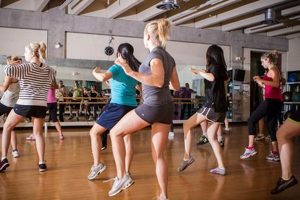
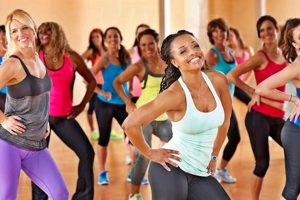
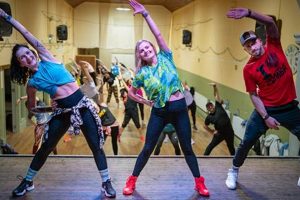
The typical duration of a Zumba fitness session is approximately 60 minutes. This timeframe allows for a comprehensive workout encompassing warm-up exercises, high-intensity dance routines, and cool-down stretches. Some variations may exist, with express classes potentially lasting 30-45 minutes and specialized sessions extending to 75-90 minutes.
The established timeframe is important for achieving optimal cardiovascular benefits and muscle engagement. A structured session permits adequate time for elevating the heart rate, burning calories, and improving coordination. Consistency in workout length contributes to predictable scheduling and adherence to fitness goals. The standardization of session length across many Zumba programs allows participants to plan their routines effectively and promotes widespread accessibility.
Understanding the factors that influence session length, the structure of a typical class, and variations in duration can assist individuals in selecting a program that aligns with their fitness level and time constraints. Furthermore, recognizing the benefits associated with adhering to a consistent timeframe underscores the importance of choosing a class that fits into a sustainable exercise regimen.
Tips on Class Duration
Maximizing the benefits of a Zumba fitness routine requires careful consideration of class length. The following tips provide guidance on selecting and optimizing the duration of Zumba sessions.
Tip 1: Assess Fitness Level: Individuals new to Zumba or with limited fitness experience should consider starting with shorter classes, such as express sessions, to gradually build endurance and avoid overexertion.
Tip 2: Evaluate Time Constraints: Integrate Zumba into a schedule effectively by selecting a class duration that aligns with available time. Shorter classes offer flexibility for busy schedules, while longer sessions may require more dedicated time management.
Tip 3: Consider Class Structure: Different Zumba programs may offer variations in class format and intensity. Investigate the structure of a class to determine if the warm-up, workout, and cool-down segments are adequately balanced within the allotted time.
Tip 4: Monitor Energy Levels: Throughout the class, pay attention to energy levels and adjust intensity accordingly. If fatigue sets in prematurely, consider opting for shorter sessions or modifying movements to conserve energy.
Tip 5: Explore Specialized Classes: Investigate specialized Zumba classes, such as those tailored for specific age groups or fitness goals. These classes may have variations in duration to accommodate the unique needs of participants.
Tip 6: Adhere to a Consistent Schedule: Establishing a consistent workout schedule, with regularly timed Zumba sessions, is crucial for achieving long-term fitness benefits. Choose a class duration that is sustainable within a weekly routine.
Tip 7: Prioritize Proper Hydration and Nutrition: Ensure adequate hydration and nutrition before, during, and after a Zumba class. Maintaining proper hydration and nutrient intake can help sustain energy levels and prevent fatigue throughout the session, regardless of the duration.
Careful selection and management of session length are crucial for realizing the full spectrum of fitness benefits Zumba offers. By considering individual fitness levels, time constraints, and class structures, individuals can develop a routine that is both effective and sustainable. Prioritizing both hydration and energy levels are also important for managing any Zumba routine.
By strategically adapting the workouts length to individual demands and abilities, users can ensure they receive the most out of their routine.
1. Typical 60-minute session

The 60-minute Zumba class represents a standard benchmark in the fitness program. This duration serves as a widely adopted template, influencing expectations and shaping the structure of many commercially available Zumba offerings. Understanding the elements contained within this standardized session is crucial for participants.
- Cardiovascular Conditioning
The 60-minute format allows for a substantial period dedicated to elevating the heart rate and improving cardiovascular health. This sustained period of activity contributes to calorie expenditure and enhances overall fitness. Instructors design routines that progressively increase and maintain the heart rate, then allow it to gradually return to normal during cool-down phases.
- Choreographic Variety and Skill Development
The extended timeframe enables instructors to incorporate a wide range of dance styles and choreographic sequences. This variety prevents monotony and allows participants to develop coordination, rhythm, and memorization skills. The ability to explore different dance genres adds depth and complexity to the Zumba experience.
- Warm-up and Cool-down Integration
The 60-minute session provides ample time for comprehensive warm-up and cool-down routines. Adequate warm-up prepares the muscles for activity, reducing the risk of injury. The cool-down phase facilitates muscle recovery and helps prevent soreness. These components are integral to ensuring participant safety and maximizing the benefits of the class.
- Social Interaction and Community Building
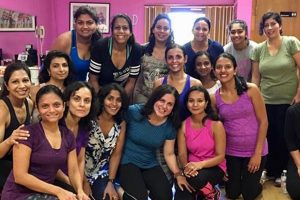
The longer class duration fosters opportunities for social interaction among participants. The shared experience of learning and performing dance routines creates a sense of community and camaraderie. This social aspect can enhance motivation and adherence to the Zumba program.
The ubiquity of the 60-minute Zumba class reflects its effectiveness in delivering a well-rounded fitness experience. While shorter and longer variations exist, the standard session remains a cornerstone of the Zumba program, representing a balanced approach to cardiovascular conditioning, skill development, injury prevention, and social engagement.
2. Express Class Variations

Express Zumba classes represent a condensed adaptation of the traditional Zumba format, directly impacting the duration of the overall workout. These variations address the constraints of time-limited schedules while aiming to deliver core fitness benefits.
- Reduced Session Length
The primary characteristic of express classes is a shorter timeframe, typically ranging from 30 to 45 minutes. This reduction necessitates a streamlining of the workout, focusing on high-intensity segments and minimizing transition times. The reduced length allows for easier integration into busy lifestyles.
- Focused Choreography
Due to the limited duration, express classes often feature a curated selection of choreography. The routines are designed to maximize calorie expenditure and muscle engagement within the allotted time. This targeted approach may prioritize foundational Zumba steps and omit more complex dance styles.
- Abbreviated Warm-up and Cool-down
Express classes often employ shorter warm-up and cool-down periods to maximize the time dedicated to the core workout. While essential for injury prevention and muscle recovery, these segments are condensed to maintain the high-intensity focus of the session. Participants may need to supplement these segments with additional stretching outside of class.
- Increased Intensity
To compensate for the shorter duration, express classes may incorporate higher-intensity movements or shorter recovery periods. This approach aims to achieve comparable cardiovascular and caloric burn outcomes to a standard-length session within a reduced timeframe. Participants should be prepared for a more demanding workout experience.
The emergence of express Zumba classes highlights the demand for adaptable fitness options. These variations provide a viable alternative for individuals with limited time, demonstrating the program’s capacity to adjust to diverse schedules and fitness levels. The trade-off between duration and intensity requires careful consideration, ensuring that participants prioritize safety and proper form throughout the abbreviated workout.
3. Warm-up/cool-down inclusion

The presence and duration of warm-up and cool-down segments directly influence the overall length of a Zumba class. These segments are integral to the fitness routine, affecting both its safety and effectiveness.
- Injury Prevention and Preparation
Warm-up exercises, typically lasting 5-10 minutes, prepare muscles for the increased demands of the dance workout. These activities, such as light cardio and dynamic stretching, increase blood flow, enhance joint mobility, and reduce the risk of strains or sprains. Inadequate warm-up increases the likelihood of injury, necessitating a longer cool-down period or resulting in extended recovery time, indirectly impacting future participation.
- Muscle Recovery and Soreness Reduction
Cool-down routines, similarly lasting 5-10 minutes, facilitate a gradual decrease in heart rate and promote muscle recovery. Static stretching during this phase helps to reduce muscle soreness and improve flexibility. The absence or inadequacy of cool-down exercises can lead to increased muscle stiffness and delayed-onset muscle soreness (DOMS), negatively affecting subsequent workouts.
- Cardiovascular Regulation
Warm-up and cool-down periods are essential for regulating the cardiovascular system. A gradual increase in heart rate during the warm-up prepares the heart for the exertion of the workout. Conversely, a gradual decrease during the cool-down prevents sudden drops in blood pressure and reduces the risk of dizziness or fainting. Abrupt transitions between rest and intense activity can strain the cardiovascular system.
- Psychological Transition
The warm-up and cool-down segments also serve as psychological transitions, preparing the mind for the workout and facilitating a smooth return to a resting state. These periods allow participants to mentally focus on the exercises ahead and to reflect on the accomplishments of the session. A well-structured warm-up and cool-down can enhance the overall enjoyment and perceived effectiveness of the Zumba class.
The allocation of time to warm-up and cool-down exercises directly influences the total session length. Shorter classes, such as express sessions, may condense these segments, while longer classes allow for more comprehensive routines. Regardless of the overall duration, the inclusion of adequate warm-up and cool-down periods is crucial for optimizing safety, promoting recovery, and enhancing the overall Zumba experience. Consequently, the absence of either can increase the need for a longer “How long does a zumba class last” to adjust for injuries, and in the long run be detrimental to any progress.
4. Instructor's Choreography Pace
The instructor’s choreography pace is a crucial determinant of the actual duration and perceived intensity of a Zumba session. The tempo and complexity of the routines directly impact the energy expenditure of participants and, consequently, the flow and feel of the session.
- Tempo and Caloric Expenditure
The speed at which an instructor delivers the choreography directly correlates with the number of repetitions and the overall caloric burn within a given class. A faster pace necessitates quicker transitions and sustained high-intensity movement, potentially leading to a higher energy expenditure within a fixed timeframe. Slower tempos, conversely, may reduce the overall caloric burn, although they can allow for greater focus on form and technique.
- Complexity and Cognitive Load
Intricate choreographic sequences require greater cognitive processing, demanding that participants focus intently on learning and executing the steps. A high degree of complexity can slow down the overall pace of the class, as participants need additional time to assimilate the movements. Simpler routines, on the other hand, can allow for a faster pace and a more continuous flow of movement.
- Transitions and Rest Periods
The instructor’s skill in orchestrating transitions between different dance styles and intensity levels significantly affects the overall pace of the session. Smooth, seamless transitions maintain a high level of energy and contribute to a more efficient workout. Abrupt or poorly executed transitions can disrupt the flow and reduce the intensity, extending the perceived duration of the class or requiring the instructor to compensate by increasing the pace during other segments.
- Adaptation to Fitness Level
Experienced instructors tailor the choreography pace to suit the fitness levels of their participants. Classes comprised of beginners may feature a slower pace and simpler routines, allowing for gradual skill development. Advanced classes, conversely, may demand a faster pace and more challenging choreography to provide an adequate workout for seasoned participants. This adaptation is crucial for ensuring that the class is both effective and enjoyable for all participants.
In summary, the instructor’s ability to effectively manage the choreography pace plays a significant role in shaping the experience and efficacy of a Zumba session. The interplay between tempo, complexity, transitions, and adaptation to fitness level directly impacts the session’s perceived duration and physical demands, underlining the instructor’s importance to creating a fulfilling and productive workout.
5. Specialized class adaptations

Variations in the format and target demographic of Zumba classes introduce adaptations to the standard session length, impacting the duration of the fitness experience. These specialized classes adjust the timing to accommodate specific needs and goals.
- Zumba Gold and Duration
Zumba Gold, designed for active older adults, often features modifications in choreography and intensity. While standard Zumba classes last 60 minutes, Zumba Gold sessions may be slightly shorter (45-50 minutes) to account for potentially reduced stamina and mobility. This adjustment allows participants to engage in a full workout without overexertion.
- Zumba Toning and Session Extension
Zumba Toning incorporates light weights to enhance muscle engagement. The inclusion of toning exercises may extend the session length beyond the typical 60 minutes (65-75 minutes) to ensure adequate time for both cardiovascular activity and targeted muscle work. The additional time allows for proper form and controlled movements with the weights.
- Aqua Zumba and Class Time
Aqua Zumba, conducted in a pool, presents unique physical demands due to water resistance. The buoyant environment may permit a slightly longer session duration (65-70 minutes) compared to traditional classes, as water supports joints and reduces impact. The extended timeframe allows for comprehensive aquatic exercises.
- Zumbini and Age-Appropriate Duration
Zumbini, designed for young children and their caregivers, necessitates adjustments in session length to suit the attention spans and physical capabilities of toddlers. These classes are typically shorter (30-45 minutes) and incorporate age-appropriate activities and music. The reduced duration keeps participants engaged and prevents fatigue.
Specialized Zumba classes strategically adapt session length to cater to the specific needs and capabilities of diverse populations. Whether shortening the duration for older adults or extending it for toning or aquatic workouts, these modifications ensure that participants of all ages and fitness levels can safely and effectively enjoy the benefits of Zumba. These examples demonstrate the flexibility of the Zumba program and its capacity to adjust to a wide range of requirements.
Frequently Asked Questions
This section addresses common inquiries regarding the duration of Zumba fitness sessions, providing clarity on typical lengths and influencing factors.
Question 1: What is the average length of a standard Zumba class?
A standard Zumba class typically lasts approximately 60 minutes. This timeframe encompasses a warm-up period, a core workout, and a cool-down phase.
Question 2: Do all Zumba classes adhere to the 60-minute duration?
No, variations in session length exist. Express Zumba classes may run for 30-45 minutes, while specialized classes, such as Zumba Toning, could extend to 75-90 minutes.
Question 3: What accounts for the difference in duration between Zumba class types?
Differences in duration often reflect the inclusion of additional activities or the target demographic. Express classes streamline the workout, while specialized classes incorporate toning exercises or cater to specific age groups, like seniors or children.
Question 4: Does the instructor have control over the class duration?
While instructors generally adhere to a predetermined schedule, they may make minor adjustments to the pace or intensity of the workout, potentially impacting the perceived duration of the class. Significant deviations from the scheduled length are uncommon.
Question 5: Is the warm-up and cool-down period factored into the stated class duration?
Yes, the stated class duration typically includes the warm-up and cool-down phases. These components are considered integral parts of the Zumba workout.
Question 6: Is it possible to shorten or extend a Zumba class on my own?
While individuals can modify the intensity of their participation, altering the overall duration of a scheduled class is generally not possible. Participants seeking shorter workouts should consider express classes, while those desiring longer sessions may explore back-to-back classes or specialized programs.
The standard duration provides a comprehensive workout, while express options cater to time constraints, and specialized classes are tailored to specific fitness goals and demographics.
Further exploration of the benefits of Zumba fitness and appropriate attire is advised.
In Summary
The preceding analysis has explored the multifaceted dimensions of “how long does a zumba class last,” encompassing the conventional 60-minute session, abbreviated express variations, and specialized adaptations catering to diverse populations. Factors such as the inclusion of warm-up and cool-down segments, the instructor’s choreography pace, and the target demographic significantly influence the overall timeframe.
Ultimately, the optimal duration of a Zumba class is contingent upon individual fitness levels, time constraints, and specific objectives. Understanding the nuances of session length empowers individuals to make informed decisions, maximizing the benefits derived from this dynamic fitness modality. The sustained commitment to regular Zumba participation, regardless of session length, holds the key to achieving long-term health and wellness goals. Continued engagement and a commitment to sustained sessions will yield the best results.