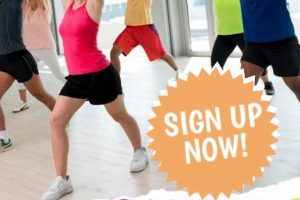
Introductory Zumba sessions represent a structured introduction to the Zumba fitness program. These sessions are designed for individuals with little to no prior experience in Zumba or dance-based fitness activities. The core focus involves teaching fundamental Zumba steps, rhythms, and basic choreography at a reduced pace and intensity compared to intermediate or advanced levels.
Participation in these initial sessions offers several advantages. It provides a low-impact entry point into exercise, promoting cardiovascular health and muscle toning without placing excessive strain on joints. Furthermore, it cultivates a sense of community and enjoyment through group fitness, fostering motivation and adherence to a regular exercise routine. Early forms of group dance fitness, from which contemporary Zumba derives, have historically served as both physical activity and social engagement across various cultures.
Subsequent discussion will elaborate on specific techniques learned during initial instruction, common modifications for diverse fitness levels, and strategies for progressing to more advanced routines. The following sections will also detail the essential attire and equipment to ensure a safe and effective workout experience.
Guidance for New Zumba Participants
The following recommendations are intended to facilitate a successful and enjoyable introduction to Zumba fitness. Adherence to these suggestions may enhance safety, optimize results, and promote long-term engagement.
Tip 1: Prioritize Proper Footwear. Supportive athletic shoes with adequate cushioning are essential. Shoes lacking sufficient support may increase the risk of injury, particularly to the ankles and knees. Cross-training shoes are generally recommended over running shoes, as they offer better lateral support.
Tip 2: Arrive Prepared and Hydrated. Ensure adequate hydration by drinking water before, during, and after the session. Bringing a water bottle is crucial. Arriving a few minutes early allows for familiarization with the studio environment and interaction with the instructor.
Tip 3: Focus on Mastering Fundamental Steps. Resist the urge to immediately attempt complex choreography. Mastering the basic steps, such as the merengue, salsa, and cumbia, provides a solid foundation for progression. Focus on correct form and rhythm.
Tip 4: Modify Movements as Necessary. Zumba is adaptable to varying fitness levels. Modifications are often provided by instructors. Do not hesitate to reduce the intensity of movements or take breaks when needed. Listening to the body is paramount.
Tip 5: Communicate with the Instructor. Inform the instructor of any pre-existing medical conditions or physical limitations. Active communication ensures that personalized modifications can be provided, minimizing potential risks.
Tip 6: Embrace the Learning Process. Initial sessions may feel challenging. Consistent attendance and practice will lead to improved coordination and increased confidence. Patience is vital.
Tip 7: Wear Comfortable Clothing. Opt for attire that allows for a full range of motion. Breathable fabrics are preferred to regulate body temperature during physical activity. Avoid excessively loose clothing that could impede movement.
These recommendations are designed to support a positive and effective introduction to Zumba. By focusing on fundamental techniques, respecting individual limitations, and maintaining open communication, participants can maximize the benefits of this fitness program.
The subsequent section will address common challenges encountered by new Zumba participants and strategies for overcoming them.
1. Basic Steps

The acquisition of fundamental steps constitutes the cornerstone of successful participation in introductory Zumba sessions. Proficiency in these foundational movements dictates the individual’s ability to progress to more intricate choreography and derive maximum benefit from the program.
- Merengue Mastery
The merengue, characterized by its two-beat rhythm and hip swaying motion, is a recurring element in Zumba routines. Accurate execution of the merengue step provides a template for understanding weight transfer and rhythmic interpretation, enabling participants to adapt to variations within different Zumba tracks. Its prevalence makes it essential for building confidence and stamina early on.
- Salsa Foundations
The salsa step, distinguished by its side-to-side movement and syncopated rhythm, introduces a more complex level of coordination. Learning the basic salsa step in beginning Zumba sessions lays the groundwork for understanding partner work and more elaborate dance combinations that are often incorporated into advanced Zumba routines. It is crucial for developing agility and rhythmic awareness.
- Cumbia Integration
The cumbia step, a slower, more grounded movement often incorporating a slight forward and backward motion, provides a contrast to the faster-paced steps. Its emphasis on controlled movement and core engagement enhances body awareness and balance. The cumbia step allows new participants to focus on proper form and posture, reducing the risk of injury and improving overall stability.
- Reggaeton Influence
Though often more complex in advanced routines, beginning Zumba incorporates simplified reggaeton-inspired movements. These steps introduce participants to isolations and dynamic changes in tempo. Learning these simplified versions prepares individuals for more intense and energetic routines while building strength and coordination, contributing to the overall fitness benefits of Zumba.
Therefore, the mastery of these core dance steps, including the merengue, salsa, cumbia, and simplified reggaeton, equips participants in initial Zumba experiences with the necessary skills to engage confidently, improve cardiovascular fitness, and safely progress toward more demanding routines. The understanding of these movements provides a solid basis for future development within the Zumba framework.
2. Rhythm Accuracy

Rhythm accuracy is a foundational component of effective participation in initial Zumba instruction. The precise execution of movements in synchronization with the musics tempo is paramount for achieving intended physiological benefits and preventing potential injuries.
- Cardiovascular Efficiency
Synchronized movement with the rhythm optimizes cardiovascular engagement. When participants accurately match their movements to the beat, they maintain a consistent heart rate within a targeted aerobic zone. Deviation from the rhythm can lead to erratic heart rate fluctuations, diminishing the overall cardiovascular benefit. An example includes performing steps faster or slower than the music’s tempo, leading to either insufficient exertion or premature fatigue.
- Musculoskeletal Alignment
Adherence to rhythm promotes proper musculoskeletal alignment during Zumba routines. When movements are executed precisely in time with the music, the body naturally follows the intended choreography, reducing the likelihood of strain or injury. Conversely, failure to maintain rhythmic accuracy can result in awkward or forced movements, potentially causing undue stress on joints and muscles. An illustration would be incorrectly timing hip movements during a salsa step, leading to lower back strain.
- Choreographic Integrity
Rhythmic precision is essential for maintaining the integrity of Zumba choreography. Each step and sequence is designed to complement the musical structure. Deviation from the rhythm disrupts the flow of the choreography, undermining the intended aesthetic and functional outcome. For instance, misinterpreting the beat during a merengue segment can result in a disjointed and ineffective movement pattern.
- Cognitive Engagement
Accurate rhythm execution enhances cognitive engagement, promoting improved coordination and motor skill development. Consciously matching movements to the beat requires focused attention and cognitive processing. This mental exertion contributes to overall cognitive function and can enhance neural pathways associated with motor control. A common scenario involves participants actively listening to the music and anticipating changes in tempo or rhythm, thereby improving their overall coordination.
In summation, rhythm accuracy is not merely an aesthetic element of introductory Zumba sessions. It is a critical factor in optimizing cardiovascular engagement, ensuring musculoskeletal alignment, preserving choreographic integrity, and enhancing cognitive function. Emphasizing rhythmic precision from the outset of instruction is essential for ensuring that participants derive maximum benefit from the program while minimizing the risk of injury.
3. Modified Movements

Within the context of introductory Zumba instruction, modified movements represent a critical adaptation strategy designed to accommodate diverse fitness levels and physical limitations. These adaptations enable a broader range of individuals to safely and effectively participate in the exercise program without compromising its core principles.
- Reduced Impact Options
Many Zumba routines involve high-impact movements, such as jumps and leaps. Modified movements often entail replacing these with low-impact alternatives, such as stepping side-to-side or performing toe taps. This adjustment reduces stress on joints, making the workout accessible to individuals with joint pain or limited mobility. An example includes substituting a jump during a salsa step with a simple weight shift from one foot to the other.
- Range of Motion Adjustments
Individuals with limited flexibility or previous injuries may require modifications to the range of motion. Instructors often demonstrate variations that reduce the degree of extension or flexion in certain movements. This approach minimizes the risk of exacerbating existing conditions. For instance, during a cumbia step, reducing the depth of the squat or bending the knees less deeply can alleviate strain on the knees and hips.
- Tempo Modulation
Altering the tempo of the routine is another common modification. Slower tempos allow participants to focus on proper form and technique without feeling rushed. This is particularly beneficial for beginners who are still learning the steps. For example, reducing the speed of a merengue sequence provides more time to coordinate hip movements and footwork, enhancing overall comprehension and execution.
- Complexity Simplification
Introductory Zumba routines may involve complex choreography that can be challenging for beginners to grasp. Modified movements often involve simplifying these sequences by breaking them down into smaller, more manageable steps. This approach reduces cognitive overload and promotes confidence. An example could be simplifying a salsa turn by reducing the number of steps or eliminating the arm movements initially.
These modifications are integral to ensuring that initial Zumba sessions are inclusive and accessible to a wide range of participants. By providing options for reduced impact, adjusted range of motion, tempo modulation, and simplified choreography, instructors can create a supportive environment that fosters participation, promotes safety, and maximizes the benefits of the program for all individuals, regardless of their fitness level or physical limitations.
4. Safe Footwear
Appropriate footwear selection is paramount for safe and effective participation in introductory Zumba sessions. The dynamic nature of Zumba, involving rapid changes in direction, rhythmic movements, and varying levels of impact, necessitates footwear that provides adequate support, cushioning, and traction.
- Ankle Stability and Support
Footwear designed for lateral support is crucial for mitigating the risk of ankle sprains during Zumba routines. Cross-training shoes, engineered to provide stability during side-to-side movements, are preferable to running shoes, which primarily focus on forward motion. Inadequate ankle support increases the likelihood of injury, particularly when executing turns or quick directional changes. For example, using running shoes during a salsa sequence can compromise ankle stability, leading to potential strain or sprain.
- Impact Absorption and Cushioning
The repetitive impact associated with Zumba movements necessitates footwear with sufficient cushioning to protect joints, particularly the knees and hips. Adequate shock absorption reduces the stress placed on these joints, minimizing the risk of impact-related injuries such as stress fractures or cartilage damage. Footwear lacking proper cushioning can transmit excessive force to the lower extremities. For instance, wearing flat or minimally cushioned shoes during a high-energy Zumba routine can exacerbate existing knee conditions or lead to new injuries.
- Traction and Grip
Sufficient traction is essential for maintaining stability and preventing slips or falls during Zumba routines. Footwear with a non-slip outsole provides the necessary grip to navigate the floor surface safely. Insufficient traction can compromise balance and increase the risk of accidents. An illustration would be attempting a fast-paced merengue sequence on a smooth or slippery floor with shoes that lack adequate grip, potentially resulting in a fall.
- Proper Fit and Comfort
Correct shoe sizing and a comfortable fit are vital for preventing blisters, chafing, and other foot-related issues. Shoes that are too tight can restrict circulation and cause discomfort, while shoes that are too loose can lead to slippage and instability. A well-fitting shoe allows for unrestricted movement and reduces the likelihood of foot irritation. For example, wearing shoes that are a half-size too small can cause blisters and discomfort, distracting from the workout and potentially leading to skin breakdown.
The selection of appropriate footwear is a critical aspect of injury prevention and performance enhancement in introductory Zumba sessions. The integration of footwear that provides adequate ankle support, impact absorption, traction, and proper fit is fundamental to ensuring a safe and enjoyable Zumba experience for new participants.
5. Instructor Guidance

Instructor guidance constitutes a critical determinant of participant success in introductory Zumba sessions. The instructor’s role extends beyond demonstrating steps; it encompasses providing a supportive and informative learning environment tailored to the unique needs of novice participants. Effective guidance directly influences participant confidence, technique acquisition, and overall adherence to the program. For example, an instructor who offers clear, concise explanations of fundamental movements, coupled with personalized feedback, fosters a more rapid and accurate understanding of Zumba principles. This, in turn, reduces the risk of incorrect technique and potential injury. A lack of adequate guidance, conversely, can lead to confusion, frustration, and ultimately, dropout.
The instructor’s ability to adapt routines and provide modifications is also paramount. New Zumba participants often possess varying fitness levels and physical limitations. Skilled instructors proactively offer modifications for high-impact movements or complex choreography, ensuring that all individuals can participate safely and effectively. Consider the scenario of a participant with knee problems. An instructor offering low-impact alternatives to jumps, such as stepping side-to-side, allows that individual to maintain participation and derive the benefits of the workout without exacerbating their condition. Moreover, instructor encouragement and positive reinforcement play a significant role in motivating new participants. A supportive instructor creates a welcoming atmosphere that fosters a sense of community and enhances the overall enjoyment of the experience.
In summary, instructor guidance is not merely an ancillary component of introductory Zumba instruction; it is a foundational element that directly impacts participant outcomes. Clear instruction, adaptive modifications, and positive reinforcement are essential for fostering a safe, effective, and engaging learning environment. The quality of instructor guidance can ultimately determine whether new participants embrace Zumba as a long-term fitness activity or abandon it due to frustration or lack of support. The effective delivery of instructor guidance, therefore, constitutes a core competency in the successful implementation of initial Zumba programs.
6. Consistent Practice

Consistent practice is a critical factor in the successful integration of new participants into introductory Zumba sessions. Regular engagement reinforces learned movements, builds physical endurance, and enhances coordination, ultimately promoting long-term adherence and realizing the full benefits of the program.
- Enhanced Motor Skill Development
Regular participation in initial Zumba instruction fosters the development and refinement of motor skills essential for executing Zumba choreography. Repetitive practice of fundamental steps, such as the merengue, salsa, and cumbia, facilitates the establishment of neural pathways, leading to improved coordination, balance, and agility. Consistent practice allows the participant to internalize these movements, reducing cognitive effort and enabling smoother, more fluid execution. For instance, an individual attending classes multiple times per week will demonstrate a noticeable improvement in their ability to transition seamlessly between steps compared to someone practicing sporadically.
- Improved Cardiovascular Endurance
Consistent practice contributes to the gradual improvement of cardiovascular endurance, a key benefit of Zumba fitness. Regular engagement strengthens the cardiovascular system, enhancing its ability to deliver oxygen and nutrients to working muscles. Over time, participants experience increased stamina and reduced fatigue during Zumba routines. Individuals who attend classes consistently will exhibit an increased tolerance for prolonged physical activity and a lower resting heart rate compared to those with inconsistent attendance.
- Increased Muscular Strength and Tone
Frequent engagement in Zumba exercises promotes the development of muscular strength and tone, particularly in the lower body and core. Repetitive movements, such as squats, lunges, and core engagement exercises, stimulate muscle growth and improve overall strength. Consistent practice yields noticeable improvements in muscle definition and functional strength. For example, an individual attending Zumba sessions regularly may experience enhanced core stability, facilitating improved posture and reduced risk of lower back pain.
- Reinforcement of Correct Technique
Consistent practice provides opportunities for instructors to observe and correct participant technique, ensuring proper form and minimizing the risk of injury. Regular interaction with instructors allows for personalized feedback and guidance, enabling participants to refine their movements and prevent the development of incorrect habits. This reinforcement is crucial for long-term safety and effectiveness. Attending classes consistently allows the instructor to monitor progress and provide targeted corrections, preventing the perpetuation of improper form that could lead to injury over time.
These facets underscore the significance of consistent practice in maximizing the benefits of introductory Zumba. Regular engagement facilitates motor skill development, enhances cardiovascular endurance, promotes muscular strength, and reinforces correct technique. These benefits contribute to increased participant confidence, improved physical fitness, and sustained adherence to the Zumba program, highlighting consistent practice as a key determinant of long-term success.
Frequently Asked Questions About Beginning Zumba Classes
The following questions address common inquiries regarding introductory Zumba sessions, providing clarity and guidance for prospective participants.
Question 1: What specific attire is recommended for initial Zumba sessions?
Comfortable, breathable athletic attire is recommended. Loose-fitting clothing that allows for a full range of motion is ideal. Supportive athletic shoes, specifically cross-trainers, are essential. Avoid wearing restrictive garments or jewelry that may impede movement or pose a safety risk.
Question 2: Is prior dance experience a prerequisite for enrolling in introductory Zumba sessions?
Prior dance experience is not required. Introductory sessions are specifically designed for individuals with little to no prior exposure to dance or structured fitness activities. The focus is on teaching basic steps and rhythms in a supportive and non-intimidating environment.
Question 3: What level of physical fitness is necessary to participate in beginning Zumba classes?
A high level of physical fitness is not required. Introductory sessions are designed to accommodate a range of fitness levels. Instructors typically provide modifications to movements, allowing participants to adjust the intensity according to their individual capabilities. Participants are encouraged to listen to their bodies and take breaks as needed.
Question 4: How frequently should one attend initial Zumba instruction to experience noticeable benefits?
Attending classes at least two to three times per week is generally recommended to experience noticeable improvements in cardiovascular fitness, muscle tone, and coordination. Consistent participation reinforces learned movements and promotes progressive adaptation.
Question 5: What strategies can be employed to mitigate potential muscle soreness after the first few Zumba sessions?
Proper hydration before, during, and after exercise is crucial. Gentle stretching following the workout can also alleviate muscle soreness. Engaging in light activity, such as walking, on rest days can promote blood flow and reduce stiffness. If soreness is severe or persistent, consulting a medical professional is advisable.
Question 6: Are there any medical conditions that would contraindicate participation in introductory Zumba sessions?
Individuals with pre-existing medical conditions, such as cardiovascular disease, musculoskeletal injuries, or balance impairments, should consult with a physician before participating in Zumba. Certain conditions may require specific modifications or preclude participation altogether. The participant’s health and safety remain paramount.
These answers are designed to address common concerns and misconceptions surrounding initial Zumba instruction. Prospective participants are encouraged to seek additional information from qualified instructors or healthcare providers.
The following section will provide information on selecting appropriate beginning Zumba classes.
Beginning Zumba Classes
This exploration has elucidated the core components of introductory Zumba instruction, underscoring the significance of fundamental steps, rhythmic accuracy, modified movements, appropriate footwear, instructor guidance, and consistent practice. Each element contributes to a safe, effective, and engaging introduction to the Zumba fitness program. The emphasis has been on equipping prospective participants with the knowledge necessary to make informed decisions and maximize their initial experiences.
The successful integration of new individuals into the Zumba community hinges upon a commitment to these principles. While Zumba offers numerous potential benefits, ranging from improved cardiovascular health to enhanced coordination, realizing these advantages requires a dedicated and informed approach. Continued adherence to these guidelines will promote sustained participation and contribute to the long-term well-being of individuals seeking to incorporate Zumba into their fitness regimens. Therefore, a discerning approach to initial Zumba instruction remains paramount for achieving optimal outcomes.