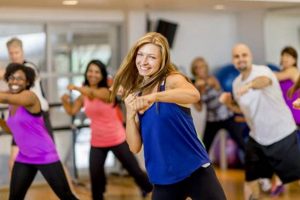
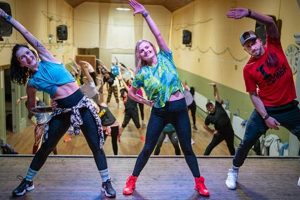
This exercise format represents a fusion of Zumba’s energetic dance rhythms with the low-impact environment of a swimming pool. Participants engage in choreographed movements to music while submerged in water, leveraging buoyancy and resistance. It is a group fitness activity tailored to an older demographic.
Water-based fitness offers substantial advantages for older adults, including reduced joint stress, improved cardiovascular health, and enhanced muscle strength and endurance. The aquatic environment minimizes the risk of injury, allowing for a broader range of motion and promoting greater overall mobility. Furthermore, group classes foster social interaction, combatting isolation and contributing to mental well-being. The integration of Zumba’s rhythmic elements adds an element of fun and motivation, encouraging consistent participation.
The following sections will delve into the specific adaptations made for older participants, the health advantages derived from this activity, safety considerations, and how to locate these specialized exercise programs. Further discussion will explore modifications and considerations to accommodate varying mobility levels and health conditions common within this age group.
Essential Considerations for Aqua Zumba Classes for Seniors
This section provides crucial guidance for maximizing safety and effectiveness during aqua Zumba classes tailored for the senior population.
Tip 1: Gradual Introduction: Begin with introductory sessions to acclimate to the water and movements. Overexertion can lead to injury, particularly for those new to aquatic exercise.
Tip 2: Proper Hydration: Dehydration is a risk, even in water. Consume water before, during, and after each session to maintain electrolyte balance and optimal performance.
Tip 3: Appropriate Attire: Wear a properly fitted swimsuit and water shoes. Water shoes provide traction and prevent slipping on wet surfaces, minimizing the risk of falls.
Tip 4: Medical Clearance: Seek approval from a physician before starting. Medical professionals can assess individual health conditions and provide guidance on appropriate exercise intensity.
Tip 5: Qualified Instruction: Ensure the instructor is certified and experienced in leading aqua fitness programs for seniors. A qualified instructor will be able to modify movements based on individual limitations.
Tip 6: Listen to the Body: Pay attention to pain signals and adjust movements accordingly. Pushing through pain can result in injury and hinder long-term progress.
Tip 7: Controlled Movements: Focus on controlled, deliberate movements rather than speed. Controlled movements enhance muscle engagement and reduce the risk of injury.
Adhering to these recommendations can significantly enhance the safety and enjoyment of aqua Zumba classes. Gradual progression, proper hydration, appropriate attire, medical consultation, qualified instruction, heeding to body’s signs and controlled movements are crucial elements to maximize the benefits.
The subsequent sections will further explore the long-term benefits and potential modifications.
1. Reduced Joint Impact

Reduced joint impact is a fundamental characteristic of water-based exercise and a primary benefit for seniors participating in aqua Zumba. The buoyancy of water counteracts gravitational forces, effectively reducing the weight-bearing stress on joints such as knees, hips, and ankles. This alleviates pressure and discomfort, allowing for a greater range of motion and enabling individuals with arthritis, osteoarthritis, or other joint-related conditions to engage in physical activity with less pain. For instance, an individual who experiences knee pain during land-based Zumba may find the aquatic version considerably more tolerable, extending their participation time and improving adherence to a regular exercise routine.
The diminished impact has a cascade of positive effects. It allows for longer exercise sessions, promoting greater cardiovascular conditioning and calorie expenditure. Furthermore, it reduces the risk of exacerbating existing joint problems or developing new ones. Muscle strengthening exercises, particularly those targeting muscles surrounding and supporting joints, can be performed with less pain and greater control. A study comparing land-based and water-based exercise in individuals with knee osteoarthritis revealed significant improvements in pain levels and functional capacity in the water group, demonstrating the tangible benefits of reduced joint impact.
In conclusion, the connection between reduced joint impact and aqua Zumba for seniors is paramount. It provides a safe and effective means of engaging in physical activity, mitigating pain, and promoting overall health and well-being. The understanding of this relationship is critical for tailoring exercise programs to meet the specific needs of older adults and maximizing their participation in aqua Zumba classes. The integration of this understanding is essential for creating classes accessible and beneficial for seniors with varying levels of mobility.
2. Cardiovascular Improvement
The relationship between cardiovascular improvement and aqua Zumba classes designed for seniors is direct and physiologically significant. Aqua Zumba, as a form of aerobic exercise, elevates heart rate and increases the demand for oxygen throughout the body. Consistent participation in these classes strengthens the heart muscle, improves circulation, and enhances the efficiency of oxygen delivery to tissues. This leads to a measurable reduction in resting heart rate and blood pressure, key indicators of improved cardiovascular health. For example, individuals with pre-existing hypertension may experience a reduction in blood pressure levels through regular participation, decreasing their reliance on medication or mitigating the risk of cardiovascular events.
The aquatic environment further enhances these benefits. Water resistance necessitates greater muscular effort, intensifying the cardiovascular challenge without the high-impact stress associated with land-based exercise. The hydrostatic pressure of the water also aids in venous return, improving circulation and reducing swelling in the lower extremities. Furthermore, the choreographed movements of Zumba engage multiple muscle groups simultaneously, contributing to a higher caloric expenditure and aiding in weight management. A person with a sedentary lifestyle who transitions to regular aqua Zumba sessions can expect to see improvements in their VO2 max (maximal oxygen uptake), a key indicator of cardiorespiratory fitness. This increased efficiency in oxygen utilization translates to improved endurance and reduced fatigue during daily activities.
In summary, cardiovascular improvement is a core benefit derived from aqua Zumba classes for seniors. It offers a safe and effective means of enhancing heart health, improving circulation, and increasing overall fitness levels. The low-impact nature of the exercise combined with the unique properties of water make it an ideal activity for seniors seeking to improve their cardiovascular well-being. Understanding this connection is crucial for healthcare professionals and fitness instructors in promoting and designing effective programs for this demographic. The integration of proper monitoring and adaptations to intensity is required for optimizing outcome and minimizing health risks.
3. Enhanced Flexibility

Aqua Zumba classes for seniors directly contribute to enhanced flexibility through the principles of water-based exercise and choreographed movement. The buoyancy of water reduces the gravitational forces on joints, facilitating a wider range of motion with less strain compared to land-based activities. The water’s resistance provides a gentle yet consistent force, encouraging participants to stretch and extend their limbs further during dance-inspired movements. This combination of buoyancy and resistance allows for a safer and more effective approach to improving flexibility, particularly for individuals who may experience limitations due to age-related stiffness or conditions such as arthritis. For instance, an older adult with limited shoulder mobility might find it easier to perform arm raises and rotations in the water, gradually increasing their range of motion over time. This increased flexibility directly translates to improved performance of daily tasks such as reaching for objects, dressing, and maintaining balance.
The choreography of Zumba itself incorporates various stretches and movements designed to improve flexibility in different muscle groups. The combination of Latin-inspired dance steps, modified for the aquatic environment and the senior population, promotes lengthening of muscles in the legs, hips, back, and shoulders. Aqua Zumba instructors trained to work with older adults emphasize proper form and controlled movements, minimizing the risk of injury while maximizing the benefits of stretching. For example, a routine might include gentle hamstring stretches, torso twists, and arm circles, all performed in the water, allowing for a deeper and more comfortable stretch than might be achievable on land. This approach makes enhanced flexibility not only attainable but also enjoyable and motivating for senior participants. Furthermore, improved flexibility has a positive impact on balance and coordination, reducing the risk of falls and promoting overall mobility.
In summary, the synergy between aqua Zumba and enhanced flexibility is clear. The aquatic environment provides a supportive and resistive medium that facilitates safer and more effective stretching, while the choreography of Zumba integrates movements designed to improve range of motion. This combination yields tangible benefits for senior participants, improving their ability to perform daily activities, reducing their risk of falls, and enhancing their overall quality of life. The successful implementation of these classes relies on qualified instructors, proper modifications, and an understanding of the unique needs and limitations of the senior population. Continued research and refinement of aqua Zumba techniques will further optimize the benefits for this demographic, fostering a healthier and more active aging process.
4. Social Engagement

The positive effects of social engagement within the context of aquatic Zumba programs for seniors are significant. Participation in group fitness activities provides opportunities for interaction, fostering a sense of community and belonging. This combats social isolation, a prevalent issue among older adults often linked to diminished mental and physical health. Seniors participating in aqua Zumba classes form connections with peers, sharing experiences and building supportive relationships. For example, individuals who may have experienced bereavement or relocation can find a new social network within the class, mitigating feelings of loneliness and enhancing their overall well-being. These classes also facilitate informal socialization before and after sessions, further reinforcing social bonds.
The structure of these classes fosters collaboration and mutual encouragement. Participants learn and perform movements together, creating a shared experience that strengthens camaraderie. Instructors often incorporate activities that promote interaction, such as partner exercises or group choreography. This collaborative environment motivates individuals to attend regularly, contributing to improved adherence and sustained engagement. For example, seniors might arrange to travel to and from classes together, providing mutual support and companionship. Furthermore, the positive atmosphere within the class can boost self-esteem and confidence, encouraging participants to engage in other social activities outside of the aquatic Zumba environment. This increased social interaction has been linked to improved cognitive function and reduced risk of depression in older adults.
In summary, social engagement is a crucial component of aqua Zumba programs for seniors, contributing significantly to their overall health and well-being. It combats social isolation, fosters supportive relationships, and promotes mental and physical health. Understanding the importance of this social element allows program organizers and instructors to create classes that not only provide physical exercise but also nurture social connections. Addressing challenges related to accessibility and inclusivity is essential to ensure that all seniors have the opportunity to benefit from the social aspects of aqua Zumba. The impact of social participation creates a wider scope of well being and happiness.
5. Improved Balance

Maintaining balance is a critical aspect of healthy aging, directly influencing mobility, independence, and the prevention of falls. Aqua Zumba classes designed for seniors offer a unique environment to enhance balance skills due to the properties of water and the nature of the exercises.
- Reduced Gravitational Impact
The buoyancy of water reduces the effect of gravity, decreasing the load on joints and allowing for a safer practice of balance exercises. This lessened weight-bearing stress enables seniors to perform movements that may be challenging on land, thereby promoting improved stability. For instance, individuals with arthritis or other joint issues can participate more comfortably, enhancing their ability to practice balance techniques.
- Enhanced Proprioceptive Feedback
Water provides resistance to movement, increasing proprioceptive feedback, which is the body’s awareness of its position in space. This heightened awareness contributes to improved balance control. Participants become more attuned to subtle shifts in their center of gravity, enabling them to make corrective adjustments to maintain stability. The consistent water resistance, therefore, amplifies the body’s inherent ability to sense and react to balance challenges.
- Strengthening Core Muscles
Aqua Zumba inherently engages core muscles to maintain posture and stability in the aquatic environment. Stronger core muscles directly correlate with improved balance and a reduced risk of falls. The dynamic movements of Zumba, even when adapted for water and seniors, require continuous core engagement, leading to increased strength and stability in the trunk, which is essential for balance control. A person with a stronger core can stand straighter, have improved posture and better adjust their balance even when unexpected situations arise.
- Coordination and Rhythm
The choreographed movements of Aqua Zumba require coordination and rhythm, both of which contribute to improved balance. Synchronizing movements with music and following specific sequences enhances motor skills and coordination. This improved coordination translates to better balance in everyday activities, reducing the risk of falls and promoting greater confidence in movement. For example, the choreography challenges seniors to think and react quickly, refining their ability to maintain balance in real-world situations.
The combination of reduced gravitational impact, enhanced proprioceptive feedback, core muscle strengthening, and improved coordination makes aqua Zumba a multifaceted approach to enhancing balance in seniors. This activity provides a safe and enjoyable environment for developing and maintaining balance skills, contributing to increased mobility, independence, and a reduced risk of falls.
6. Muscle Strengthening
Muscle strengthening is a fundamental component of overall health and functional independence for seniors. Aqua Zumba classes offer a low-impact environment conducive to building and maintaining muscle mass, thereby mitigating age-related muscle loss and enhancing physical capabilities.
- Water Resistance as a Training Modality
The density of water provides resistance in all directions, requiring muscles to work harder during movement. This constant resistance strengthens muscles throughout the entire range of motion, increasing muscle fiber recruitment and promoting hypertrophy. For instance, performing leg extensions or arm raises in water engages muscles more effectively than similar exercises performed on land due to the continuous opposition provided by the water’s density.
- Targeted Muscle Groups
Aqua Zumba classes incorporate a variety of movements that engage multiple muscle groups simultaneously. Exercises such as leg kicks, arm swings, and core rotations target major muscle groups including the quadriceps, hamstrings, glutes, biceps, triceps, and abdominal muscles. Consistent engagement of these muscle groups contributes to improved strength, endurance, and functional capacity. As an example, seniors may find that, by actively participating in these exercises, they improve their ability to sit, stand, and walk.
- Enhanced Bone Density
Muscle strengthening exercises stimulate bone remodeling, leading to increased bone density and reduced risk of osteoporosis. The muscle contractions exert force on the bones, promoting the deposition of calcium and other minerals, thereby strengthening the skeletal structure. Regular participation in these classes can lead to stronger, more robust bones, further supporting mobility and independence.
- Improved Functional Capacity
Increased muscle strength translates to improved functional capacity, enabling seniors to perform daily tasks with greater ease and efficiency. Activities such as climbing stairs, carrying groceries, and maintaining balance become less challenging as muscle strength improves. This increased functionality contributes to greater independence and a higher quality of life, allowing seniors to remain active and engaged in their communities.
The interconnectedness of water resistance, targeted muscle engagement, improved bone density, and enhanced functional capacity underscores the significance of muscle strengthening within aqua Zumba classes for seniors. Regular participation in these classes provides a holistic approach to maintaining physical health, promoting independence, and improving overall well-being. This form of exercise addresses both muscle strength and also improves overall health of seniors.
7. Cognitive Stimulation

Cognitive stimulation, encompassing mental processes such as memory, attention, and problem-solving, is a critical aspect of maintaining brain health throughout the lifespan. Aqua Zumba classes for seniors provide a multifaceted approach to cognitive enhancement, integrating physical activity with mentally engaging elements.
- Choreography and Memory
Learning and remembering dance sequences inherent in Zumba classes challenges memory and cognitive flexibility. Participants must recall steps and patterns, engaging both short-term and long-term memory. The mental effort required to master the choreography stimulates neural pathways, supporting cognitive reserve and potentially delaying cognitive decline. For example, recalling a new sequence each week strengthens memory and retention skills. The process enhances the brain’s ability to adapt and learn, counteracting age-related cognitive slowdown.
- Coordination and Attention
Performing dance movements in the water requires focus and coordination, demanding sustained attention and precise motor control. Concentrating on executing the steps correctly enhances attentional skills and improves the ability to multitask. This mental focus reinforces the connection between mind and body, fostering cognitive-motor integration. As the music and rhythm challenge participants, seniors are required to actively listen and move. In turn, attention span is improved and cognitive processes are sharpened.
- Social Interaction and Cognitive Engagement
Aqua Zumba classes inherently promote social interaction, creating opportunities for seniors to engage in conversation, build relationships, and participate in group activities. Social engagement has been linked to improved cognitive function and a reduced risk of cognitive decline. Interacting with others stimulates cognitive processes and provides mental enrichment, as participants share experiences and learn from one another. The relationships fostered creates an atmosphere of belonging and support, which is important for mental well-being.
- Novelty and Cognitive Challenge
Introducing new routines and variations within aqua Zumba classes provides ongoing cognitive challenge, preventing mental stagnation and promoting cognitive adaptability. Learning new skills and adapting to changing circumstances helps maintain cognitive plasticity. The continuous learning process contributes to cognitive reserve, enabling the brain to better withstand age-related changes. The newness keeps the mind fresh, while seniors enjoy fun and challenging activities.
In conclusion, aqua Zumba classes for seniors offer a holistic approach to cognitive stimulation, integrating physical activity with mentally engaging elements such as memory, attention, coordination, social interaction, and novelty. These combined benefits contribute to enhanced cognitive function, improved brain health, and a higher quality of life for older adults. Such factors may improve cognitive skills, thus having a better mental life. Incorporating mental challenges alongside physical exercise has positive effect on the brain.
Frequently Asked Questions
This section addresses common inquiries and concerns regarding participation in aquatic Zumba programs tailored for the senior demographic. The information provided aims to offer clarity and promote informed decision-making.
Question 1: What specific health conditions might preclude participation in aqua Zumba classes?
Individuals with uncontrolled hypertension, severe cardiovascular disease, open wounds, active infections, or acute musculoskeletal injuries should consult with a physician before engaging in aquatic exercise. Medical clearance is advisable to ensure safety and mitigate potential risks.
Question 2: Are modifications available to accommodate varying levels of physical ability?
Qualified instructors typically offer modifications to accommodate participants with limited mobility, joint pain, or other physical limitations. These adjustments may involve reducing the range of motion, using assistive devices, or altering the intensity of the exercises.
Question 3: What is the recommended frequency and duration of aqua Zumba sessions for optimal benefit?
A frequency of two to three sessions per week, each lasting 45 to 60 minutes, is generally recommended for achieving meaningful improvements in cardiovascular health, muscle strength, and overall fitness. Consistency is key to realizing sustained benefits.
Question 4: What type of footwear is appropriate for aqua Zumba classes?
Water shoes with non-slip soles are essential to provide traction and prevent falls on wet surfaces. Bare feet are not recommended due to the risk of slipping and potential exposure to fungal infections.
Question 5: How are aqua Zumba classes different from traditional land-based Zumba?
Aqua Zumba leverages the buoyancy and resistance of water to reduce joint impact and increase muscle engagement. The aquatic environment allows for a greater range of motion and provides a safer setting for individuals with joint pain or mobility limitations. Land-based Zumba does not offer these benefits.
Question 6: Are there specific certifications or qualifications that aqua Zumba instructors should possess?
Ideally, instructors should hold certifications in both Zumba and aquatic fitness, along with specialized training in working with older adults. These credentials ensure that instructors have the knowledge and skills necessary to design and deliver safe and effective programs for this demographic.
Understanding these key points can facilitate informed decisions about incorporating aqua Zumba into a senior’s fitness regimen. Prioritizing safety and tailoring exercises to individual needs are paramount.
The following section will address considerations for finding qualified instructors and appropriate class settings.
Conclusion
The preceding analysis has illuminated the multifaceted benefits of aqua Zumba classes for seniors, emphasizing their potential to enhance cardiovascular health, muscle strength, flexibility, balance, cognitive function, and social engagement. The low-impact aquatic environment provides a safe and supportive setting for older adults to engage in physical activity, mitigating the risk of injury and promoting sustained participation. Key considerations, including medical clearance, qualified instruction, and appropriate modifications, are crucial for maximizing the positive outcomes and minimizing potential risks associated with these programs.
The integration of aqua Zumba into senior wellness initiatives represents a proactive approach to promoting healthy aging and improving quality of life. The availability of accessible and well-designed programs is essential to meet the growing demand for age-appropriate fitness options. Continued research and advocacy are needed to further validate the benefits and expand access to this valuable resource, ultimately contributing to a healthier and more active aging population.
![Find: What Gyms Have Zumba Classes Near You [Guide] | The Ultimate Zumba Guide: Dance Your Way to a Healthier You](https://mamazumba.com/wp-content/uploads/2026/05/th-232-300x200.jpg "Find: What Gyms Have Zumba Classes Near You [Guide] The Ultimate Zumba Guide: Dance Your Way to a Healthier You")