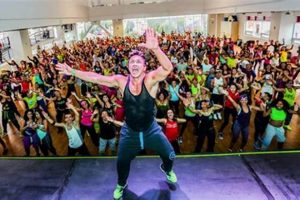
The extent to which Zumba yields measurable health or fitness improvements is a key consideration for prospective participants. This involves analyzing factors such as cardiovascular enhancement, caloric expenditure, muscular endurance development, and overall well-being as a direct result of regular participation in Zumba classes.
Understanding the potential of this fitness program is important for individuals seeking a fun and engaging way to achieve their health goals. Its appeal stems from its blend of dance and fitness, fostering adherence and long-term engagement. Historically, various exercise modalities have been assessed for their impact, and Zumba is no different; rigorous evaluation is needed to determine its specific contributions to fitness outcomes.
Therefore, a comprehensive examination of the factors that contribute to its ability to enhance fitness, promote weight management, and improve overall health outcomes warrants further investigation. This exploration will delve into aspects such as the intensity levels of typical classes, the types of movements involved, and the potential modifications needed to accommodate different fitness levels.
Enhancing Zumba’s Fitness Impact
To maximize the benefits derived from Zumba participation, consider the following strategies. Each recommendation aims to enhance its effectiveness as a fitness modality.
Tip 1: Prioritize Proper Form. Maintaining correct posture and executing movements with precision will reduce the risk of injury and optimize muscle engagement. Seek guidance from certified instructors to ensure accurate technique.
Tip 2: Increase Intensity Gradually. As fitness levels improve, progressively increase the intensity of Zumba sessions. This may involve incorporating more challenging variations of steps or increasing the range of motion.
Tip 3: Supplement with Strength Training. While Zumba offers a cardiovascular workout, integrating supplementary strength training exercises will contribute to balanced muscle development and increased overall strength.
Tip 4: Maintain a Consistent Schedule. Regular participation is crucial for realizing the full benefits. Aim for at least three Zumba sessions per week to promote cardiovascular health and maintain fitness gains.
Tip 5: Focus on Dietary Habits. Complement Zumba workouts with a balanced diet. Adequate nutrition fuels energy levels and supports muscle recovery, contributing to greater fitness achievements.
Tip 6: Stay Hydrated. Drink water before, during, and after Zumba sessions to maintain hydration levels. Proper hydration is important for performance and recovery.
Tip 7: Vary Zumba Styles. Explore different Zumba formats, such as Zumba Toning or Aqua Zumba, to target various muscle groups and prevent plateaus. This variation can provide a more well-rounded fitness experience.
By adhering to these guidelines, individuals can optimize their Zumba workouts to yield enhanced fitness outcomes. These strategic adjustments transform this dance-based activity into a more robust and effective fitness regimen.
The ensuing sections will discuss the limitations of relying solely on Zumba for comprehensive fitness and explore alternative exercise modalities.
1. Cardiovascular Improvement

Cardiovascular improvement, referring to enhanced efficiency of the heart and circulatory system, is a pivotal element when assessing the overall fitness effects of Zumba. The rhythmic and aerobic nature of Zumba classes promotes increased heart rate and improved blood flow, making it a significant factor in determining overall fitness impact.
- Elevated Heart Rate Training
Zumba sessions inherently involve periods of elevated heart rate, falling within target heart rate zones conducive to cardiovascular conditioning. Consistent training within these zones can lead to improved cardiac output and reduced resting heart rate, indicative of enhanced cardiovascular function. Real-world examples include participants reporting increased stamina during other physical activities and a decreased perceived exertion during daily tasks.
- Increased Oxygen Consumption
The aerobic component of Zumba promotes increased oxygen consumption by the body. This enhanced oxygen uptake strengthens the respiratory system and improves the body’s ability to utilize oxygen for energy production during physical exertion. Individuals engaged in regular Zumba may experience improved endurance and reduced breathlessness during activities requiring sustained physical effort.
- Improved Blood Vessel Function
Regular aerobic activity, such as Zumba, has been shown to improve the elasticity and function of blood vessels. This reduces the risk of atherosclerosis and improves overall circulation. Improved blood vessel function translates to reduced blood pressure and a decreased risk of cardiovascular diseases in the long term.
- Enhanced Lipid Profile
Consistent Zumba participation can positively influence an individual’s lipid profile by decreasing levels of LDL (low-density lipoprotein) cholesterol, often referred to as “bad” cholesterol, while increasing levels of HDL (high-density lipoprotein) cholesterol, or “good” cholesterol. This beneficial shift in lipid levels contributes to a reduced risk of heart disease.
In summary, cardiovascular improvement is a key measurable outcome of Zumba fitness programs. By targeting heart rate elevation, oxygen consumption, blood vessel function, and lipid profiles, Zumba contributes significantly to cardiovascular health, solidifying its role in the broader landscape of fitness modalities. These specific enhancements illustrate that regular engagement can lead to tangible health advantages.
2. Caloric Expenditure

Caloric expenditure, quantified as the amount of energy the body utilizes during physical activity, plays a crucial role in determining the overall fitness benefits derived from Zumba. Its relationship with the health benefits warrants focused attention.
- Intensity of Movement
The intensity of movements within a Zumba class directly correlates with the number of calories burned. High-intensity interval training segments, characterized by rapid and dynamic steps, result in greater energy expenditure compared to lower-intensity periods. For instance, a Zumba class incorporating jumping jacks, high knees, and plyometric exercises will likely lead to higher caloric burn compared to a class primarily featuring slow-paced Latin dance steps. Therefore, variations in intensity significantly influence the extent to which a Zumba workout contributes to weight management and overall fitness improvement.
- Duration of Session
The total duration of a Zumba session is a key determinant of total caloric expenditure. Longer sessions, exceeding the standard 60-minute timeframe, provide extended opportunities for energy utilization. For example, a 90-minute Zumba marathon will typically result in a greater caloric deficit than a standard-length class, provided the intensity is maintained. This emphasizes that extended participation is conducive to enhanced weight loss and fitness benefits, assuming adherence to proper form and hydration protocols.
- Individual Metabolic Rate
An individual’s basal metabolic rate (BMR), reflecting the number of calories the body burns at rest, influences total caloric expenditure during Zumba. Individuals with higher BMRs, often correlated with greater muscle mass, tend to burn more calories during equivalent Zumba sessions compared to those with lower BMRs. Factors such as age, sex, and body composition impact an individual’s BMR and consequently, the potential for weight loss through Zumba participation.
- Exercise Post-Oxygen Consumption (EPOC)
Exercise Post-Oxygen Consumption, also known as the “afterburn effect,” refers to the increased oxygen consumption and caloric expenditure that persists after a workout. High-intensity exercise, such as Zumba, can result in a significant EPOC effect, further contributing to overall calorie burn beyond the duration of the class itself. This sustained metabolic elevation can enhance the long-term benefits of Zumba by promoting continued fat oxidation and improved body composition.
In conclusion, the caloric expenditure associated with Zumba is a complex interplay of intensity, duration, individual metabolic characteristics, and the post-exercise “afterburn effect.” Understanding these factors provides a more nuanced perspective on the relationship between Zumba and its weight-management benefits, highlighting the importance of a personalized approach to maximizing outcomes.
3. Muscular Endurance

Muscular endurance, defined as the ability of a muscle or group of muscles to repeatedly exert force against resistance over an extended period, holds significance when evaluating the overall fitness contributions of Zumba. Its role in the execution and sustainability of Zumba routines merits careful examination.
- Repetitive Movement Patterns
Zumba classes are characterized by repetitive movement patterns, often involving sustained contractions of various muscle groups. These movements, executed continuously throughout the session, challenge the muscles’ ability to resist fatigue. For example, maintaining a squat position during certain dance sequences or repeatedly executing arm movements requires the engaged muscles to sustain effort over time. The extent to which these movements foster muscular endurance is directly relevant to assessing the fitness benefits associated with Zumba.
- Core Stabilization
Core stabilization is essential for maintaining proper form and balance during Zumba routines, particularly during complex dance steps and transitions. Muscles of the core, including the abdominals, obliques, and lower back, must continuously contract to stabilize the spine and pelvis. The ability to maintain this core engagement throughout the class is indicative of muscular endurance. Instances of compromised form or loss of balance suggest limitations in core muscular endurance, potentially affecting the effectiveness of the exercise and increasing risk of injury.
- Lower Body Strength and Endurance
Lower body strength and endurance are crucial for executing the numerous steps, jumps, and pivots incorporated in Zumba classes. The quadriceps, hamstrings, and calf muscles are continuously engaged to propel the body, maintain balance, and absorb impact. Increased fatigue in these muscle groups can hinder performance, leading to reduced range of motion and compromised technique. The capacity to sustain these lower body movements is a direct measure of muscular endurance and a determinant of the degree of fitness improvement yielded by Zumba.
- Upper Body Involvement
While Zumba is often perceived primarily as a lower body activity, upper body muscles, including the deltoids, biceps, and triceps, are actively involved in many dance sequences. Arm movements, such as punches, claps, and overhead reaches, require sustained muscular contractions. The ability to maintain proper arm positioning and execute these movements with control contributes to overall muscular endurance. The extent of upper body involvement may vary between different Zumba styles, but its presence underscores the holistic nature of the workout and its potential impact on upper body muscular endurance.
In summary, the connection between muscular endurance and Zumba hinges on the repetitive nature of movements, the requirement for core stabilization, the engagement of lower body muscles, and the varying degrees of upper body involvement. Evaluating these elements provides a nuanced understanding of how Zumba contributes to muscular endurance, acknowledging that its impact may differ depending on individual fitness levels and the specific style of Zumba practiced. Further study could examine how targeted strength training complements Zumba to enhance muscular endurance further.
4. Adherence Potential

Adherence potential, representing the likelihood that an individual will consistently engage in a fitness program over time, is a critical determinant of the long-term gains associated with any exercise regimen, including Zumba. The sustained practice of any form of exercise is necessary to realize its full range of health benefits. Therefore, the degree to which Zumba fosters adherence directly influences its effectiveness as a fitness modality.
- Enjoyment Factor
The enjoyment factor, encompassing the level of pleasure and satisfaction derived from the exercise experience, is a primary driver of adherence. Zumba, with its fusion of dance and fitness, often elicits greater enjoyment compared to more traditional workout formats. For example, individuals who find repetitive gym routines monotonous may find Zumba engaging and motivating due to its variety of movements and music. This elevated enjoyment translates into a greater willingness to attend classes regularly, thereby increasing the likelihood of sustained participation and the accrual of long-term fitness benefits.
- Social Interaction
Social interaction, encompassing the opportunities for connection and camaraderie within a fitness setting, significantly influences adherence. Zumba classes often foster a sense of community among participants. Individuals may form friendships, offer mutual support, and participate in group activities outside of class. The social aspect of Zumba creates a sense of accountability and shared purpose, motivating individuals to continue attending classes even when facing personal challenges or time constraints. Conversely, individuals who lack social connections within a fitness program are more likely to discontinue participation.
- Perceived Competence
Perceived competence, referring to an individual’s belief in their ability to successfully perform the exercises, is a key psychological determinant of adherence. Zumba classes can be structured to accommodate individuals of varying fitness levels, allowing participants to gradually improve their skills and confidence. As participants master the dance steps and experience improvements in their fitness, their sense of competence increases, leading to greater motivation and sustained participation. However, if individuals consistently struggle to keep up with the class or feel inadequate, their perceived competence may diminish, potentially leading to decreased adherence.
- Accessibility and Convenience
Accessibility and convenience, encompassing factors such as location, class schedule, and cost, directly impact adherence potential. Zumba classes that are conveniently located, offered at flexible times, and priced affordably are more likely to attract and retain participants. Individuals are less likely to adhere to a fitness program if it requires significant travel time, conflicts with their work schedule, or places an undue financial burden on their budget. Accessible and convenient Zumba classes reduce barriers to participation, increasing the likelihood of sustained engagement and the attainment of long-term fitness goals.
In summary, adherence potential is a multi-faceted construct influenced by factors such as enjoyment, social interaction, perceived competence, and accessibility. When these factors are positively addressed within a Zumba program, they collectively contribute to increased adherence rates, thereby amplifying the overall fitness effectiveness of this modality. The ability of Zumba to foster sustained participation is arguably as important as the physiological benefits it provides.
5. Overall Well-being

Overall well-being, encompassing physical, mental, and social dimensions of health, is intrinsically linked to fitness effectiveness. The impact of Zumba extends beyond mere physical conditioning; it influences an individual’s holistic state of health, thereby enhancing its perceived and actual effectiveness. This connection warrants careful consideration to fully appreciate the benefits of this exercise modality.
- Mood Enhancement
Regular Zumba participation has been associated with elevated mood states. The combination of music, dance, and social interaction stimulates the release of endorphins, natural mood elevators. Real-world examples include individuals reporting reduced symptoms of anxiety and depression following consistent Zumba attendance. In the context of fitness effectiveness, enhanced mood can increase motivation and adherence to the exercise program, leading to improved physical outcomes.
- Stress Reduction
Zumba provides a structured outlet for stress release. The physical activity involved can help reduce levels of cortisol, a stress hormone. Individuals may report feeling less overwhelmed and more capable of managing daily stressors after participating in Zumba. Stress reduction, in turn, contributes to improved sleep quality and overall mental health, positively influencing an individual’s capacity to engage in and benefit from physical activity.
- Cognitive Function
Engagement in dance-based fitness activities, such as Zumba, has been linked to improved cognitive function. The need to remember and execute dance steps challenges cognitive processes such as memory and coordination. Studies suggest that regular participation in Zumba may help maintain cognitive function and reduce the risk of cognitive decline with age. Enhanced cognitive function supports better decision-making regarding health and fitness, contributing to improved overall well-being and adherence to exercise regimens.
- Social Connectedness
Zumba classes offer opportunities for social interaction and the formation of supportive relationships. This sense of social connectedness can combat feelings of isolation and loneliness, contributing to improved mental and emotional well-being. Individuals who feel connected to a community are more likely to prioritize their health and engage in regular physical activity. Thus, social connectedness fostered by Zumba enhances its overall effectiveness as a tool for promoting both physical and psychological well-being.
In summary, the impact of Zumba on overall well-being transcends its physical benefits, influencing mood, stress levels, cognitive function, and social connectedness. These psychological and social enhancements contribute to increased motivation, adherence, and overall quality of life, thereby amplifying the perceived and actual fitness effectiveness of Zumba. A holistic approach to fitness recognizes the interconnectedness of physical and mental health, emphasizing the importance of considering overall well-being when evaluating the effectiveness of any exercise program.
6. Accessibility Factors

The feasibility of participating in Zumba, influenced by various accessibility factors, significantly impacts its overall effectiveness as a fitness modality. If potential participants face barriers to entry, the benefits are unrealized. Therefore, a thorough examination of these factors is crucial in determining Zumba’s practical contribution to public health and individual fitness goals.
- Geographic Proximity
The geographic proximity of Zumba classes to residential areas or workplaces is a primary determinant of accessibility. Individuals residing in areas with limited access to fitness facilities or certified Zumba instructors face a significant barrier to participation. Rural or underserved communities often lack sufficient class offerings, necessitating lengthy commutes that deter consistent attendance. The availability of classes within a reasonable distance directly influences the number of individuals who can realistically incorporate Zumba into their fitness routines.
- Financial Cost
The financial cost associated with Zumba classes, including membership fees, per-class rates, and required attire, can pose a substantial obstacle for many individuals. Low-income populations or those facing financial constraints may find the cost prohibitive, effectively excluding them from participating. While some community centers offer subsidized or free Zumba classes, their availability is often limited. The financial burden associated with Zumba impacts its reach and limits its ability to contribute to overall fitness improvements among economically disadvantaged populations.
- Time Constraints
Time constraints, arising from work schedules, family responsibilities, or other commitments, represent a significant barrier to Zumba participation. Classes offered during inconvenient times, such as midday or late at night, may not align with individuals’ availability. Those with demanding jobs or caregiving responsibilities may struggle to find time for regular Zumba sessions. The scheduling flexibility and availability of classes at diverse times directly influence the number of individuals who can effectively integrate Zumba into their lifestyles.
- Physical Limitations and Modifications
Physical limitations, such as injuries, disabilities, or age-related mobility issues, can hinder participation in traditional Zumba classes. Individuals with physical limitations may require modifications to the standard routines to safely and effectively engage in the exercise. The availability of adaptive Zumba programs, tailored to specific needs and abilities, is essential for promoting inclusivity and ensuring that Zumba is accessible to a wider population. Without appropriate modifications, physical limitations can prevent individuals from reaping the benefits of Zumba and potentially lead to injury.
In conclusion, the accessibility of Zumba, shaped by geographic proximity, financial cost, time constraints, and the accommodation of physical limitations, directly impacts its overall fitness effectiveness. Addressing these barriers through strategic interventions, such as increasing class availability, offering subsidized programs, and providing adaptive classes, is crucial for maximizing Zumba’s contribution to public health and individual well-being. Overcoming these limitations is essential to ensuring that the benefits of Zumba are available to all, regardless of their socioeconomic status, geographic location, or physical abilities.
Frequently Asked Questions
The following questions address common inquiries regarding the degree to which Zumba contributes to overall fitness and well-being.
Question 1: What specific physiological changes can be expected from regular Zumba participation?
Consistent engagement in Zumba can lead to improvements in cardiovascular function, measured by reduced resting heart rate and increased VO2 max. Furthermore, reductions in body fat percentage and increases in lean muscle mass are often observed, contingent upon dietary habits. Improvements in lipid profiles are also possible.
Question 2: Is Zumba a sufficient form of exercise for achieving comprehensive fitness goals?
Zumba primarily addresses cardiovascular fitness and muscular endurance. While it can contribute to caloric expenditure and weight management, it may not provide sufficient stimulus for maximizing strength development or addressing all aspects of physical fitness. A well-rounded fitness regimen typically incorporates supplementary strength training and flexibility exercises.
Question 3: What is the typical caloric expenditure during a standard Zumba class?
Caloric expenditure varies significantly based on individual factors such as weight, sex, and fitness level, as well as the intensity of the class. However, on average, individuals can expect to burn between 300 and 600 calories during a 60-minute Zumba session.
Question 4: How does Zumba compare to other forms of aerobic exercise in terms of fitness benefits?
Zumba provides comparable cardiovascular benefits to other forms of moderate-intensity aerobic exercise, such as brisk walking or jogging. Its unique advantage lies in its engaging and enjoyable format, which can enhance adherence and long-term participation. However, the specific benefits and intensity levels may differ depending on the class and instructor.
Question 5: Are there any potential risks associated with Zumba participation?
As with any form of physical activity, Zumba carries a risk of injury, particularly sprains, strains, and overuse injuries. Proper warm-up, cool-down, and adherence to correct form are crucial for minimizing these risks. Individuals with pre-existing injuries or medical conditions should consult with a healthcare professional before participating.
Question 6: What modifications can be made to Zumba to accommodate different fitness levels and physical limitations?
Many Zumba instructors offer modifications to the standard routines to accommodate individuals with varying fitness levels or physical limitations. These modifications may involve reducing the intensity of movements, simplifying steps, or using supportive equipment. Adaptive Zumba programs specifically designed for individuals with disabilities are also available in some locations.
In summary, Zumba offers a valuable contribution to fitness, particularly in the areas of cardiovascular health and muscular endurance. Its effectiveness is contingent upon consistent participation, proper technique, and a balanced approach to overall fitness. While it may not be a comprehensive solution for all fitness goals, its enjoyable format and social aspects can make it a sustainable and rewarding form of exercise.
The next section will explore strategies for maximizing the fitness benefits of Zumba and addressing potential limitations.
Zumba Fitness Effectiveness
This exploration has delved into the multifaceted nature of Zumba fitness effectiveness, examining its influence on cardiovascular health, caloric expenditure, muscular endurance, adherence potential, overall well-being, and accessibility. Analysis reveals that while Zumba offers notable benefits, particularly in promoting cardiovascular fitness and enhancing adherence through its enjoyable format, it is not a panacea for comprehensive fitness. Its impact is contingent upon factors such as class intensity, individual commitment, and the incorporation of supplementary exercises to address strength and flexibility gaps. The degree to which Zumba translates to tangible fitness improvements depends heavily on individual engagement and a holistic approach to health.
Ultimately, the responsible assessment of Zumba fitness effectiveness lies in acknowledging both its strengths and limitations. Individuals seeking to incorporate Zumba into their fitness regimen should do so with a clear understanding of its benefits and the potential need for complementary activities. Ongoing research and individual self-assessment are crucial for optimizing the effectiveness of Zumba and ensuring it aligns with specific health and fitness objectives. The pursuit of well-being is a dynamic process, and Zumba, when strategically employed, can serve as a valuable component within a broader framework of healthy habits.