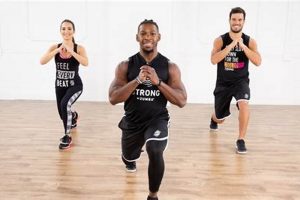
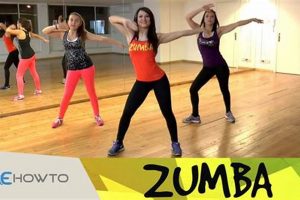
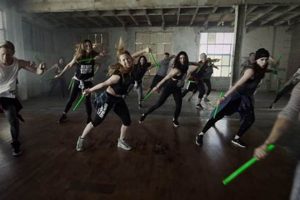
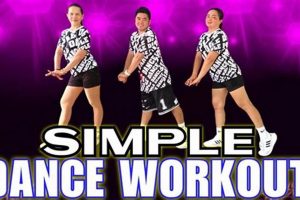
Zumba Fitness is an exercise program that combines Latin and international music with dance moves. It incorporates interval training, alternating between high- and low-intensity movements, designed to improve cardiovascular fitness and muscular endurance. A typical class features a variety of rhythms, such as salsa, merengue, cumbia, and reggaeton, blending these styles into an accessible and engaging workout format.
This fusion of dance and exercise offers numerous benefits, including improved coordination, increased calorie expenditure, and enhanced mood through the release of endorphins. Its origins trace back to the mid-1990s, when a fitness instructor accidentally improvised a class using non-traditional music. This impromptu session proved remarkably popular, leading to the formalization and widespread adoption of the program across the globe.
The following sections will delve into the specific elements that contribute to the program’s effectiveness, examining its diverse dance styles, its impact on physical health, and the accessibility that makes it a popular choice for individuals of varying fitness levels.
Guidance for Optimizing Zumba Fitness Participation
The following tips are intended to provide guidance for individuals seeking to maximize the benefits derived from participation in Zumba Fitness activities. Adhering to these suggestions can enhance both the effectiveness and safety of the workout routine.
Tip 1: Hydration is Paramount: Adequate fluid intake is essential both before, during, and after a class. Dehydration can lead to reduced performance, muscle cramps, and dizziness. Water should be the primary source of hydration.
Tip 2: Proper Footwear Selection: Opt for supportive athletic shoes designed for lateral movements. Shoes with excessive grip can hinder dance steps and increase the risk of ankle injuries. Cross-training shoes are often a suitable choice.
Tip 3: Listen to the Body’s Signals: Modify movements as needed to accommodate individual fitness levels and any physical limitations. Avoid pushing through pain; instead, prioritize proper form and technique.
Tip 4: Master Basic Steps: Familiarize oneself with the foundational steps of various dance styles incorporated in the routine. Understanding basic salsa, merengue, or cumbia movements will improve coordination and confidence.
Tip 5: Gradual Progression: New participants should begin with lower-intensity classes and gradually increase the duration and intensity as fitness levels improve. This approach minimizes the risk of overexertion and injury.
Tip 6: Consult with a Healthcare Professional: Individuals with pre-existing medical conditions, such as cardiovascular disease or joint problems, should consult with a physician before engaging in this, or any, new exercise program.
Tip 7: Maintain Proper Posture: Engage core muscles and maintain an upright posture throughout the class. Correct posture supports the spine, improves balance, and enhances the effectiveness of each movement.
By incorporating these guidelines, participants can enhance their overall experience and achieve optimal results from their Zumba Fitness endeavors. Prioritizing safety, proper technique, and individual needs will contribute to a more enjoyable and sustainable fitness journey.
The subsequent sections will address the potential benefits and risks associated with regular participation, further informing readers seeking to integrate Zumba Fitness into their exercise regimen.
1. Dance-based Intervals

Dance-based intervals are a cornerstone of Zumba Fitness, differentiating it from traditional steady-state cardio workouts. This method strategically alternates between high-intensity dance movements and periods of lower-intensity recovery steps, creating a dynamic exercise experience.
- Cardiovascular Enhancement Through Variation
The interval structure challenges the cardiovascular system by repeatedly elevating and lowering the heart rate. This fluctuation promotes improved aerobic capacity and enhanced cardiovascular endurance, more effectively than sustained, moderate-intensity exercise.
- Increased Caloric Expenditure and Metabolic Impact
High-intensity intervals trigger a greater caloric expenditure compared to continuous moderate-intensity exercise. Furthermore, this method may lead to an elevated post-exercise oxygen consumption (EPOC), resulting in continued calorie burning even after the workout concludes.
- Muscle Engagement and Coordination Development
The incorporation of varied dance styles and steps in each interval recruits a wide range of muscle groups, fostering muscular strength and endurance. The need to quickly transition between different movements enhances coordination and agility.
- Reduced Perceived Exertion and Enhanced Adherence
The dynamic nature of dance-based intervals can decrease the perceived exertion compared to monotonous exercise. The engaging music and varied movements contribute to a more enjoyable workout experience, which can improve long-term adherence to the fitness program.
The utilization of dance-based intervals within Zumba Fitness provides a multi-faceted approach to improving fitness. By combining cardiovascular challenges, caloric expenditure, muscle engagement, and enhanced enjoyment, this approach offers a comprehensive and sustainable method for achieving fitness goals.
2. Latin-inspired rhythms
The core essence of Zumba Fitness is intrinsically linked to Latin-inspired rhythms. These rhythms, including but not limited to salsa, merengue, cumbia, and reggaeton, serve as the foundational element upon which the dance movements and overall structure of the workout are built. Without these musical influences, Zumba Fitness would lack its distinguishing characteristic and primary source of motivation. The pulsating beats dictate the pace and style of the exercises, creating a synergy between music and movement that propels participants through the workout. The selection of music is carefully curated to encourage both physical activity and emotional engagement, harnessing the intrinsic power of rhythm to enhance the exercise experience. For example, a salsa track prompts rapid footwork and hip movements, contributing to improved coordination and cardiovascular conditioning, while a slower cumbia rhythm emphasizes core engagement and balance.
The integration of Latin rhythms extends beyond mere background music. It actively shapes the choreography, dictating the types of steps, the intensity of the movements, and the overall energy of the class. Instructors leverage the distinct characteristics of each musical genre to create varied and engaging routines. This variety not only prevents monotony but also allows for a more comprehensive workout, targeting different muscle groups and improving various aspects of fitness. In practice, one may observe that a Zumba Fitness class incorporating a medley of Latin rhythms provides a full-body workout encompassing elements of cardio, strength training, and flexibility enhancement. The rhythms ensure that the workout remains dynamic and engaging, fostering an environment where participants are more likely to maintain motivation and adhere to their fitness goals.
In summary, the relationship between Latin-inspired rhythms and Zumba Fitness is causal and inextricable. The rhythms are not simply an accompaniment but an integral component that defines the workout’s character, enhances its effectiveness, and drives its popularity. A comprehensive understanding of this connection is crucial for both instructors and participants seeking to maximize the benefits of Zumba Fitness. A failure to appreciate the importance of Latin rhythms diminishes the program’s potential, reducing it to a generic dance exercise devoid of its unique and culturally rich identity.
3. Cardiovascular Endurance

Cardiovascular endurance, the ability of the heart and lungs to supply oxygen-rich blood to working muscle tissue for prolonged periods, is a key benefit derived from participation in Zumba Fitness. The activitys dynamic nature, integrating high- and low-intensity dance movements, directly impacts and improves this critical aspect of physical fitness.
- Interval Training Effect
Zumba Fitness employs interval training principles, alternating between periods of high-intensity exertion and active recovery. This approach places intermittent demands on the cardiovascular system, forcing the heart and lungs to adapt and become more efficient at oxygen delivery. Over time, this leads to increased stroke volume, reduced resting heart rate, and improved overall cardiovascular function.
- Sustained Aerobic Activity
The duration of a typical Zumba Fitness class, often ranging from 45 to 60 minutes, provides a sustained aerobic stimulus. Maintaining a moderate to vigorous intensity for this length of time challenges the body’s ability to utilize oxygen for energy production. As the body adapts, it enhances its capacity to perform prolonged physical activity without undue fatigue.
- Music and Motivation Influence
The Latin-inspired music and social atmosphere of Zumba Fitness contribute to increased participant engagement and motivation. This psychological effect can translate into a greater willingness to push oneself during the workout, leading to higher heart rates and a more substantial cardiovascular challenge. Consequently, individuals may experience a greater improvement in their cardiovascular endurance compared to activities perceived as less enjoyable.
- Caloric Expenditure and Weight Management Correlation
Regular participation in Zumba Fitness can contribute to significant caloric expenditure, which, when combined with a balanced diet, can aid in weight management. Maintaining a healthy weight reduces the strain on the cardiovascular system and improves its overall efficiency. Therefore, the weight management benefits associated with Zumba Fitness indirectly support enhanced cardiovascular endurance.
The improvement in cardiovascular endurance through Zumba Fitness arises from a multifaceted interplay of interval training, sustained aerobic activity, motivational factors, and weight management benefits. These elements coalesce to create a fitness program that not only provides a fun and engaging experience but also delivers tangible improvements in a vital aspect of physical health. The efficacy lies in consistent participation and adherence to proper form and technique, ensuring the cardiovascular system is appropriately challenged and stimulated.
4. Calorie expenditure

Zumba Fitness, as a physically engaging exercise program, elicits significant calorie expenditure, representing a primary mechanism through which it promotes weight management and overall health. The program’s design, characterized by dance-based intervals and dynamic movements, elevates metabolic rate, increasing the rate at which the body burns calories. A typical 60-minute session can result in a substantial caloric deficit, contingent on individual factors such as body weight, fitness level, and intensity of participation. Calorie expenditure is not merely a byproduct; it is a central and actively promoted aspect of the exercise.
The program’s appeal stems partly from its ability to make calorie expenditure enjoyable. The combination of Latin rhythms, dance elements, and social interaction often distracts participants from the perceived exertion of the workout. This can lead to sustained engagement and consistent participation, which are critical for realizing long-term weight management goals. For instance, individuals who find traditional cardio monotonous may find Zumba Fitness a more palatable and sustainable way to burn calories. Furthermore, the program’s interval nature, alternating between high- and low-intensity movements, maximizes caloric burn and optimizes metabolic function, resulting in improved body composition and cardiovascular health.
Understanding the relationship between Zumba Fitness and calorie expenditure underscores the importance of incorporating regular physical activity into a healthy lifestyle. The practical significance lies in the ability to effectively manage weight, reduce the risk of chronic diseases, and improve overall well-being. While individual results may vary, the program’s capacity to elicit significant calorie expenditure makes it a valuable tool for those seeking to achieve their fitness goals. However, it is crucial to recognize that calorie expenditure is just one component of a comprehensive weight management strategy, which should also include dietary modifications and other lifestyle factors.
5. Improved coordination
Improved coordination is a significant benefit derived from participation in Zumba Fitness. The exercise program demands intricate movements and rhythm synchronization, actively engaging multiple muscle groups and neural pathways. This multifaceted activity promotes enhanced motor skills and overall body awareness.
- Neuromuscular Pathway Enhancement
Zumba Fitness necessitates rapid responses to auditory cues, translating musical rhythms into physical actions. This process strengthens the connection between the brain and muscles, improving the speed and efficiency of neuromuscular signaling. Repeated execution of dance steps refines these pathways, resulting in more fluid and coordinated movements. For example, consistently performing a salsa sequence enhances the ability to quickly shift weight and execute intricate footwork, translating to improved balance and agility in everyday activities.
- Spatial Awareness Development
The choreography often involves navigating a defined space, requiring participants to be cognizant of their body position and movement in relation to others. This spatial awareness is critical for avoiding collisions and maintaining proper form. Mastering Zumba Fitness routines can enhance an individual’s perception of their physical boundaries and improve their ability to maneuver effectively in crowded or confined spaces. Such development is applicable to various real-world scenarios, from navigating a busy street to participating in team sports.
- Bilateral Coordination Refinement
Zumba Fitness incorporates movements that require the coordinated action of both sides of the body. This bilateral coordination is essential for performing complex tasks that demand simultaneous use of both arms and legs. Regularly engaging in activities that challenge bilateral coordination can improve overall motor control and enhance the ability to perform tasks requiring precision and symmetry, such as playing a musical instrument or performing certain athletic skills.
- Proprioceptive Awareness Improvement
Proprioception, the sense of body position and movement in space, is crucial for maintaining balance and coordination. Zumba Fitness challenges proprioceptive abilities by requiring participants to execute movements without visual feedback. Over time, this improves the body’s ability to sense its position and adjust accordingly, leading to enhanced balance and stability. This improvement translates to a reduced risk of falls and injuries, particularly for older adults.
These facets of improved coordination underscore the holistic benefits of Zumba Fitness. The program’s emphasis on rhythm, movement, and spatial awareness fosters enhanced motor skills that extend beyond the dance floor, positively impacting various aspects of daily life and contributing to overall physical well-being.
6. Community Engagement
Community engagement represents a significant factor in the sustained popularity and perceived benefits of Zumba Fitness. The social interaction and shared experience within group classes contribute to motivation, adherence, and overall participant satisfaction.
- Shared Motivation and Accountability
Group fitness settings foster a sense of shared purpose, encouraging participants to persevere through challenging routines. The presence of others creates a supportive environment where individuals feel accountable for attending classes and maintaining effort levels. For example, knowing that other members are relying on one’s presence can increase the likelihood of attending class, even when motivation is low.
- Social Interaction and Relationship Building
Zumba Fitness classes provide opportunities for social interaction and the development of new relationships. The shared activity and positive atmosphere facilitate communication and camaraderie among participants. Individuals often form bonds based on their common interest in fitness and dance, extending social networks beyond the confines of the class. This social connection can lead to enhanced well-being and a sense of belonging.
- Reduced Perceived Exertion Through Distraction
The engaging music and social environment within Zumba Fitness classes can distract participants from the physical demands of the workout. The focus shifts from the exertion itself to the enjoyment of the music and movement, making the exercise seem less arduous. This reduced perceived exertion can improve adherence and make the workout more sustainable in the long term. An individual engrossed in the music and social interaction may not realize the extent of their physical effort, leading to a more effective workout.
- Sense of Belonging and Inclusivity
Well-run Zumba Fitness classes cultivate a sense of belonging and inclusivity, welcoming participants of all fitness levels and backgrounds. Instructors often emphasize the importance of individual expression and adaptation, creating an environment where everyone feels comfortable participating. This sense of inclusivity encourages continued participation and fosters a positive body image, irrespective of individual fitness levels.
These facets of community engagement highlight its integral role in the success of Zumba Fitness. The shared experience, social connections, and sense of belonging contribute to a positive and motivating environment, enhancing adherence and overall well-being. The social dynamics augment the physical benefits of the program, making it a valuable tool for individuals seeking to improve their fitness and connect with others.
Frequently Asked Questions
The following questions address common inquiries and misconceptions regarding Zumba Fitness. The answers aim to provide clear and concise information based on current understanding and best practices.
Question 1: Is Zumba Fitness suitable for individuals of all fitness levels?
Zumba Fitness is generally adaptable to various fitness levels. Modifications can be made to the intensity and complexity of movements to accommodate beginners or individuals with physical limitations. However, consultation with a healthcare professional is advised for those with pre-existing medical conditions.
Question 2: What type of clothing and footwear is recommended for Zumba Fitness?
Comfortable, breathable athletic clothing is recommended to allow for unrestricted movement. Supportive athletic shoes designed for lateral movements are essential to prevent injuries. Cross-training shoes are generally a suitable option.
Question 3: How frequently should one participate in Zumba Fitness to experience noticeable benefits?
Consistent participation is crucial for achieving optimal results. Engaging in Zumba Fitness two to three times per week is generally sufficient to observe improvements in cardiovascular fitness, coordination, and weight management, assuming adherence to proper form and technique.
Question 4: Does Zumba Fitness effectively contribute to weight loss?
Zumba Fitness can contribute to weight loss by increasing caloric expenditure and promoting fat burning. However, weight loss is also dependent on dietary habits and overall energy balance. Combining Zumba Fitness with a balanced diet is essential for achieving sustainable weight loss.
Question 5: Are there any potential risks or injuries associated with Zumba Fitness?
As with any physical activity, there is a risk of injury associated with Zumba Fitness. Common injuries include sprains, strains, and knee problems. Minimizing these risks requires proper warm-up, cool-down, and adherence to correct form. Individuals should listen to their bodies and modify movements as needed.
Question 6: Can Zumba Fitness replace traditional strength training?
While Zumba Fitness can contribute to muscular endurance, it does not fully replace traditional strength training. It primarily focuses on cardiovascular fitness and coordination. Incorporating separate strength training exercises is recommended for comprehensive fitness development.
The above information offers a basic understanding of common concerns. It is essential to consult reliable sources and qualified professionals for personalized advice.
Further exploration of related fitness topics is encouraged to enhance overall knowledge and promote informed decision-making regarding exercise practices.
In Conclusion
This exploration has detailed “what is zumba fitness workout,” emphasizing its blend of Latin-inspired dance and interval training. The analysis encompassed its impact on cardiovascular endurance, calorie expenditure, coordination, and the significance of community engagement. Key elements such as dance-based intervals and Latin rhythms were underscored as defining features that contribute to its widespread adoption.
The information presented serves as a foundation for understanding the principles and potential benefits of this exercise modality. Its effective integration into a comprehensive fitness plan requires consideration of individual fitness levels, adherence to proper technique, and awareness of potential risks. Further research and consultation with qualified professionals are encouraged to optimize individual outcomes and ensure safe and sustainable participation.