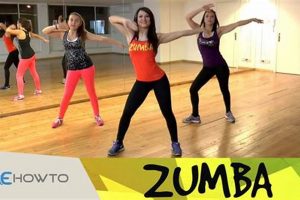
This interactive exercise program, designed for the Xbox 360 using the Kinect motion sensor, enables users to participate in Zumba routines within their homes. It translates the popular dance fitness program into a video game format, leveraging motion-capture technology to track player movements and provide feedback.
Its significance lies in making exercise accessible and engaging for a broad audience. The platform offers convenience, eliminating the need for gym memberships or scheduled classes. The integration of motion-sensing technology can provide a degree of personalized feedback, potentially enhancing the effectiveness of workouts. Its popularity reflects a broader trend towards interactive fitness solutions.
The following sections will delve into specific aspects of this technology, examining its features, benefits, limitations, and its role in the broader landscape of home fitness solutions.
Optimizing the Experience
Achieving optimal results with the interactive fitness program requires careful attention to various factors. The following recommendations are designed to enhance the user experience and maximize the potential benefits.
Tip 1: Calibrate the Kinect Sensor. Proper calibration is paramount for accurate motion tracking. Ensure adequate lighting conditions and follow the on-screen prompts precisely during the calibration process. Re-calibration may be necessary if the play area is altered or lighting conditions change.
Tip 2: Maximize Play Area. The Kinect requires sufficient space to accurately detect and track movement. Clear the play area of obstructions, ensuring ample room to move freely in all directions. Refer to the game’s instructions for recommended dimensions.
Tip 3: Wear Appropriate Attire. Clothing that allows for unrestricted movement is recommended. Avoid loose-fitting garments that may impede the sensor’s ability to accurately track body movements. Bare feet or athletic shoes with non-slip soles are suitable footwear options.
Tip 4: Familiarize with the Interface. Understand the game’s menu navigation and feedback mechanisms. Pay attention to the on-screen prompts and performance metrics to track progress and identify areas for improvement. Adjust difficulty levels as needed to match individual fitness levels.
Tip 5: Maintain Proper Posture. Focus on maintaining correct posture throughout each routine. Engage core muscles and pay attention to alignment cues provided by the virtual instructor. Proper form is crucial for maximizing effectiveness and minimizing the risk of injury.
Tip 6: Start Slowly and Gradually Increase Intensity. Begin with beginner-level routines and gradually progress to more challenging levels as fitness improves. Avoid attempting advanced moves prematurely to prevent strain or injury. Listen to the body and take breaks when needed.
Tip 7: Incorporate Regular Sessions. Consistency is key to achieving desired results. Aim for regular sessions, ideally several times per week. Schedule workouts in advance to increase adherence and maintain momentum.
By implementing these strategies, users can optimize their experience, enhance the effectiveness of their workouts, and ultimately achieve greater success with this interactive fitness program.
The subsequent sections will explore the potential benefits and limitations of this type of home fitness solution compared to traditional methods.
1. Motion Tracking Accuracy

Motion tracking accuracy constitutes a foundational element of the interactive fitness program’s efficacy. This element directly dictates the system’s ability to interpret and respond to a user’s physical movements. In the context of simulated Zumba routines, precise motion capture is paramount for registering steps, arm movements, and body positioning. Without accurate tracking, the system cannot provide appropriate feedback, score performance, or adjust the difficulty level effectively. For example, if the Kinect sensor fails to register a user’s hip movements during a salsa step, the system may incorrectly assess the performance, leading to a demotivating or misleading experience. The practical significance of motion tracking accuracy is therefore directly correlated to the user’s perceived success and engagement with the program.
The impact of motion tracking limitations extends beyond scoring and feedback. Inaccuracies can hinder the learning process, leading to the adoption of incorrect techniques. If the system misinterprets a movement and provides positive reinforcement, the user may unknowingly reinforce flawed form. This, in turn, can increase the risk of injury and diminish the overall fitness benefits. Moreover, inconsistencies in motion tracking can create a frustrating user experience, ultimately leading to abandonment of the program. Software updates and recalibration of the Kinect sensor are often necessary to maintain acceptable levels of accuracy, but these measures may not fully compensate for inherent limitations in the technology or environmental factors that affect sensor performance, such as poor lighting or insufficient space.
In summary, motion tracking accuracy functions as a critical determinant of the interactive fitness program’s effectiveness and user satisfaction. While the technology offers a convenient and engaging means of exercising at home, its reliance on accurate movement interpretation necessitates careful consideration of its limitations. Addressing these challenges through improved sensor technology, optimized software algorithms, and enhanced user guidance will be essential for maximizing the potential benefits and minimizing the drawbacks of this home fitness solution.
2. Workout Variety

Workout variety is a key determinant of the long-term effectiveness and user engagement with any fitness program, including those implemented via interactive gaming platforms. In the context of Zumba Fitness for Xbox 360 Kinect, the breadth and depth of available routines directly influence the program’s capacity to provide sustained physical and motivational benefits.
- Routine Style Diversity
The program incorporates a range of Zumba styles, each drawing from different dance genres and rhythms. These may include salsa, merengue, reggaeton, and cumbia. This diversity caters to varying user preferences and prevents monotony. Insufficient style representation can limit the program’s appeal and reduce adherence over time. For example, a user primarily interested in Latin rhythms may find a program heavily weighted towards hip-hop routines less engaging.
- Intensity Levels
A comprehensive fitness program should offer a spectrum of intensity levels to accommodate individuals with varying fitness levels and to facilitate progressive overload. Zumba Fitness for Xbox 360 Kinect implements varying speeds, complexity of choreography, and inclusion of high-impact movements. A program lacking adequate intensity scaling may be unsuitable for beginners or fail to challenge more advanced users, leading to stagnation and decreased motivation.
- Instructor Variations
Different virtual instructors bring unique teaching styles, cues, and energy levels to the routines. This provides users with opportunities to find instructors who resonate with their individual learning preferences. A lack of instructor variety can lead to boredom or a feeling of disconnect, particularly if a user finds a particular instructor’s style unappealing or ineffective for their learning style.
- Track List and Music Selection
The selection of music significantly impacts the overall enjoyment and motivation derived from the workouts. Diverse musical genres and song selections contribute to sustained engagement. Repetitive or uninspiring soundtracks can diminish user enthusiasm and reduce the likelihood of continued participation. The ability to customize playlists or incorporate new music can be a significant advantage in maintaining long-term interest.
In conclusion, workout variety within Zumba Fitness for Xbox 360 Kinect significantly affects its capacity to deliver sustained fitness benefits and maintain user engagement. A diverse selection of routine styles, intensity levels, instructors, and music choices are crucial for catering to individual preferences, preventing monotony, and promoting long-term adherence to the program.
3. Space Requirements

Adequate physical space is a fundamental prerequisite for effectively utilizing Zumba Fitness on the Xbox 360 Kinect. The interactive nature of the program necessitates a designated area that allows for unrestricted movement, as the Kinect sensor relies on visual tracking to translate physical actions into in-game responses. Insufficient space compromises the accuracy of motion capture, diminishes the user experience, and potentially leads to physical hazards.
- Minimum Play Area Dimensions
The Kinect sensor requires a minimum play area to accurately track body movements. Typically, this translates to approximately 6 feet by 6 feet of unobstructed space. This area allows for full body tracking without the sensor losing sight of limbs or mistaking background objects for the user. Failure to meet these minimum dimensions results in inaccurate tracking, lag, and a diminished capacity to execute Zumba routines effectively. For example, a user attempting to perform lateral movements in a confined space may experience inconsistent tracking, leading to frustration and an ineffective workout.
- Obstacle Avoidance and Safety
The designated play area must be free of obstacles that could impede movement or pose a safety risk. Furniture, pets, and other obstructions should be removed from the area to prevent collisions or falls. The Kinect system does not inherently prevent collisions; user awareness and proactive space management are critical for safe participation. For instance, performing a spinning motion near a coffee table creates a direct risk of impact, potentially leading to injury. Safety considerations extend beyond just the user; clear space prevents accidental damage to the surrounding environment.
- Sensor Positioning and Field of View
The Kinect sensor’s positioning directly impacts its ability to capture movements within the designated play area. The sensor should be placed at an appropriate height and distance from the user, as specified in the device’s documentation. An incorrect angle or distance can limit the sensor’s field of view, resulting in incomplete tracking and inaccurate performance assessment. For example, a sensor positioned too low may only capture leg movements, while a sensor placed too far away may struggle to distinguish subtle movements. The optimal sensor placement ensures comprehensive coverage of the user’s range of motion.
- Lighting Conditions and Visual Interference
Lighting conditions within the play area influence the Kinect sensor’s ability to accurately track movements. Adequate and consistent lighting is essential; excessively bright or dim conditions can impair sensor performance. Furthermore, visual interference from reflective surfaces or busy backgrounds can disrupt tracking accuracy. For instance, direct sunlight streaming through a window may overwhelm the sensor, causing it to lose track of the user. Similarly, a visually cluttered background may confuse the sensor, leading to inaccurate movement interpretation. Careful attention to lighting and visual distractions is crucial for optimal sensor performance.
In conclusion, the spatial requirements of the interactive fitness program are not merely a matter of convenience; they are directly intertwined with the system’s functionality, accuracy, and safety. Meeting the minimum spatial requirements, ensuring obstacle-free movement, optimizing sensor positioning, and controlling lighting conditions are all critical factors in maximizing the benefits and minimizing the risks associated with this interactive fitness experience. The program’s effectiveness is predicated on the user’s capacity to establish and maintain a suitable physical environment.
4. Kinect Compatibility
Kinect compatibility constitutes a foundational element of the Zumba Fitness for Xbox 360 experience. The software is explicitly designed to leverage the motion-sensing capabilities of the Kinect peripheral; without this hardware, the interactive functionality of the program is rendered inoperable. The Kinect sensor’s ability to track body movements in three dimensions is the causal mechanism that allows user actions to translate into in-game responses and performance assessments. Real-life examples demonstrate this dependency: an attempt to operate the Zumba Fitness software without a connected Kinect results in an inability to participate in the interactive routines, limiting the user to menu navigation or tutorial videos.
The importance of Kinect compatibility extends beyond mere operability. The fidelity of the motion tracking directly influences the quality of the fitness experience. Accurate tracking allows the software to provide real-time feedback on user form, track progress, and adjust difficulty levels dynamically. This interactive feedback loop enhances engagement and motivation, differentiating the experience from passive workout videos. Consider the scenario where a user performs a complex dance move; the Kinect sensor’s accurate capture of the movement allows the software to provide positive reinforcement and unlock new routines, thereby encouraging continued participation. Conversely, poor tracking due to compatibility issues or sensor malfunction results in frustrating inaccuracies, diminishing the user’s motivation and potentially leading to incorrect exercise form.
In summary, Kinect compatibility is not merely a technical requirement but a critical component that defines the core functionality and user experience of Zumba Fitness for Xbox 360. Challenges in ensuring consistent and reliable compatibility, such as sensor malfunctions or inadequate play space, can significantly detract from the intended benefits. Recognizing this intrinsic link is crucial for understanding the practical significance of the software and its limitations in the broader context of home fitness solutions.
5. User Engagement

User engagement is a critical determinant of the success of any interactive fitness program. In the context of Zumba Fitness for Xbox 360 Kinect, engagement directly influences the sustained use of the software and, consequently, the potential for achieving desired fitness outcomes. The program’s reliance on motion-based interaction introduces a unique set of factors that impact user involvement, extending beyond those typically associated with traditional exercise methods. A direct correlation exists: higher levels of engagement translate to more frequent and prolonged participation, leading to improved physical fitness and adherence to a regular workout routine. Conversely, low engagement results in infrequent use, diminishing the potential health benefits and ultimately rendering the software ineffective.
Several features contribute to or detract from user engagement within this interactive environment. The variety of dance routines, the accuracy of motion tracking, and the presence of positive feedback mechanisms are all factors that can enhance user involvement. For example, a user who experiences accurate motion tracking and receives positive reinforcement for correctly executing dance moves is more likely to remain engaged with the program. Conversely, frustrating inaccuracies in motion tracking or a lack of perceived progress can quickly diminish motivation and lead to abandonment of the system. Furthermore, the social aspect, or lack thereof, plays a significant role. While the program is primarily a solitary activity, the ability to track progress, compete against personal bests, or share accomplishments with others can inject a competitive or social element that enhances long-term engagement. Similarly, intuitive navigation and a user-friendly interface are crucial for minimizing frustration and maximizing the enjoyment derived from the experience.
In conclusion, the connection between user engagement and the effectiveness of Zumba Fitness for Xbox 360 Kinect is undeniable. The program’s success hinges on its ability to captivate users, provide a sense of accomplishment, and maintain motivation over time. While technological advancements can enhance the interactive experience, ultimately, the user’s intrinsic motivation and the program’s capacity to foster that motivation are the key determinants of its long-term success. Challenges remain in optimizing the balance between challenge and accessibility to ensure that the program remains engaging for a wide range of users with varying fitness levels and technical proficiencies. Further research into the factors that drive user engagement within interactive fitness programs is essential for maximizing their potential to promote healthier lifestyles.
6. Fitness Level
Fitness level represents a critical consideration when evaluating the suitability and effectiveness of the Zumba Fitness for Xbox 360 Kinect program. The program’s intensity, complexity, and reliance on motion tracking necessitate a certain baseline level of physical capability and coordination to ensure a safe and beneficial experience. Matching the program’s demands to the user’s existing fitness level is paramount for avoiding injury, maximizing engagement, and achieving sustainable results.
- Beginner Accessibility
The program offers modifications and beginner-level routines designed to accommodate individuals with limited prior experience in dance or exercise. These introductory levels typically emphasize simplified choreography, lower-impact movements, and slower tempos. This gradual introduction allows users to build a foundational understanding of Zumba principles and improve their cardiovascular fitness and coordination without risking overexertion or injury. If a user lacks any prior experience with dance or structured exercise, starting with the beginner level is essential for establishing a base level of fitness and familiarity with the program’s interface and movement patterns.
- Intermediate Progression
As users progress and improve their fitness level, the program provides options to increase the intensity and complexity of the routines. Intermediate levels introduce more challenging choreography, faster tempos, and more dynamic movements, such as jumps and turns. These adjustments demand greater cardiovascular endurance, muscular strength, and coordination. A user who has successfully completed the beginner routines and demonstrates a comfortable level of proficiency may find the intermediate level more engaging and effective for further enhancing their fitness level.
- Advanced Challenges
The advanced levels of the program cater to individuals with a high degree of fitness and coordination. These routines feature complex choreography, high-impact movements, and rapid transitions, requiring significant cardiovascular endurance, muscular strength, and agility. Attempting advanced routines without sufficient preparation can increase the risk of injury and lead to discouragement. A user who possesses a strong foundation in dance or other forms of exercise may find the advanced levels both challenging and rewarding, pushing their physical limits and enhancing their overall fitness level.
- Customization and Modification
The program often allows for some degree of customization, enabling users to modify routines to suit their individual fitness levels and preferences. Modifications might include reducing the range of motion, opting for lower-impact alternatives, or taking breaks as needed. This adaptability allows individuals with pre-existing injuries or limitations to participate in the program safely and effectively. A user with knee problems, for example, can modify certain movements to minimize stress on the joints while still benefiting from the cardiovascular and coordination aspects of the workout. However, the extent of customization may be limited, and careful consideration should be given to ensure that modifications do not compromise the effectiveness or safety of the exercise.
In summary, matching the Zumba Fitness for Xbox 360 Kinect program to the user’s current fitness level is a crucial determinant of its success. The availability of beginner, intermediate, and advanced levels, combined with the potential for customization, allows individuals with varying degrees of fitness to participate and progress at their own pace. However, users should exercise caution and listen to their bodies, gradually increasing the intensity and complexity of the routines as their fitness improves. Consulting with a healthcare professional or certified fitness instructor before beginning any new exercise program is recommended, especially for individuals with pre-existing health conditions.
Frequently Asked Questions About Zumba Fitness for Xbox 360 Kinect
This section addresses common queries and clarifies key aspects of the interactive fitness program, providing essential information for prospective and current users.
Question 1: Is the Kinect sensor absolutely required to operate the Zumba Fitness software on the Xbox 360?
Affirmative. The Kinect sensor is indispensable. The software is explicitly designed to leverage the motion-tracking capabilities of the Kinect. Without the sensor, the interactive elements, which are core to the program’s functionality, are rendered unusable.
Question 2: What is the minimum recommended play area to ensure optimal performance of the Zumba Fitness software?
A minimum unobstructed space of approximately 6 feet by 6 feet is generally recommended. This allows the Kinect sensor to accurately track full-body movements. Smaller spaces may compromise tracking accuracy and the overall user experience.
Question 3: Does the Zumba Fitness for Xbox 360 Kinect program offer routines suitable for individuals with no prior dance experience?
Yes. The program typically includes beginner-level routines that emphasize simplified choreography and lower-impact movements. These routines are designed to introduce fundamental steps and gradually build fitness without overwhelming new users.
Question 4: Can the Kinect sensor track movements accurately in dimly lit environments?
Adequate lighting is necessary for optimal sensor performance. Dim or inconsistent lighting can impede the sensor’s ability to accurately track movements. Sufficient ambient light, without direct glare, is generally recommended.
Question 5: Is it possible to customize the workout routines to accommodate physical limitations or pre-existing injuries?
The software may offer limited customization options, such as reducing the range of motion or modifying certain exercises. However, the extent of customization is often restricted. Individuals with physical limitations should consult a healthcare professional before participating.
Question 6: How does the Zumba Fitness program track progress and provide feedback to the user?
The Kinect sensor tracks movement and assigns scores based on the accuracy and timing of user actions. Real-time feedback is typically displayed on-screen, providing guidance and encouragement. Progress is often tracked through a points system or by unlocking new routines and achievements.
In summary, Kinect compatibility, adequate space, appropriate lighting, and an understanding of the software’s limitations are all crucial for a successful experience. The program offers options for beginners, but individual physical limitations should be carefully considered.
The following section will explore potential alternatives to this interactive fitness solution.
Conclusion
The preceding analysis has explored the multifaceted aspects of Zumba Fitness for Xbox 360 Kinect, examining its functionality, requirements, benefits, and limitations. Critical considerations include Kinect compatibility, space constraints, the importance of appropriate lighting, and the necessity of aligning the program’s intensity with the user’s fitness level. The success of this interactive fitness solution hinges on these factors, which directly impact user engagement and the achievement of desired physical outcomes.
Ultimately, the efficacy of Zumba Fitness for Xbox 360 Kinect resides in its capacity to translate a proven fitness modality into an engaging and accessible home exercise experience. While technological advancements offer potential enhancements, a comprehensive understanding of its constraints and a commitment to responsible implementation are crucial for maximizing its potential benefits. Continued evaluation of similar interactive fitness solutions will be vital to optimizing their contribution to public health and well-being.