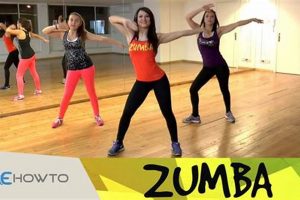
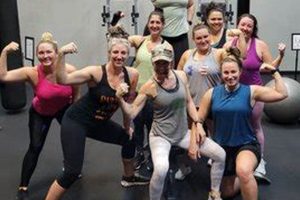
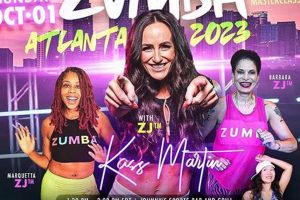
This dance-fitness class blends high-energy Latin rhythms with cardiovascular exercise. The program integrates choreographed routines set to vibrant musical genres, including a popular style originating in Panama and Puerto Rico. The routines provide a workout experience that feels more like a dance party than traditional exercise.
Engagement in this activity offers numerous physical and mental advantages. Participants can improve cardiovascular health, increase muscle strength and endurance, and enhance coordination. The energetic music and dynamic movements foster a sense of joy and community, reducing stress and boosting mood. The incorporation of Latin-inspired music and steps allows for cultural immersion and exploration.
The following discussion will delve into specific class structures, potential health outcomes, modifications for various fitness levels, and considerations for instructors leading these energetic dance sessions. Further details will cover the music’s cultural influences and the program’s widespread appeal.
Optimizing the Dance-Fitness Experience
Maximizing benefits requires a strategic approach that encompasses technique, preparation, and mindful engagement. The following guidelines aim to enhance participation and outcomes.
Tip 1: Prioritize Proper Footwear: Adequate support is essential to mitigate potential injuries. Select shoes designed for lateral movement and high-impact activities.
Tip 2: Master Basic Steps: Familiarity with fundamental dance steps improves coordination and confidence. Beginners should consider introductory sessions or online tutorials.
Tip 3: Maintain Hydration: Fluid loss occurs rapidly during intense physical exertion. Consume water before, during, and after the session to maintain optimal performance and prevent dehydration.
Tip 4: Listen to the Body: Modify movements or take breaks as needed to avoid overexertion. Pay attention to physical signals and adjust intensity accordingly.
Tip 5: Engage Core Muscles: Conscious engagement of core musculature improves stability, posture, and overall form. Focus on controlled movements and abdominal bracing.
Tip 6: Emphasize Proper Warm-up and Cool-down: Prepare muscles for exertion through dynamic stretching. Promote recovery and flexibility through static stretching post-activity.
Tip 7: Understand Music Structure: Anticipating changes in rhythm and tempo facilitates smoother transitions. Become familiar with the distinctive characteristics of Latin musical genres.
Consistent application of these strategies enhances physical conditioning, minimizes risk, and fosters a more rewarding experience. A balanced approach ensures safe and effective participation.
These recommendations will assist in preparing for a successful engagement. The subsequent sections offer more in-depth explorations of movement, music, and safety considerations.
1. Rhythmic Foundations

Rhythmic foundations are integral to the practice of this dance-fitness activity, serving as the structural framework upon which all movements are based. A thorough understanding of musical timing, tempo, and rhythmic patterns facilitates accurate execution of steps and sequences. Cause-and-effect relationships are evident: precise rhythmic interpretation directly affects the effectiveness of the workout and the individual’s ability to maintain coordination. For example, the correct identification of the “clave” rhythm, a fundamental element in many Latin musical forms, including this style of music, ensures accurate footwork and proper body alignment.
The accurate application of rhythmic understanding translates to improved cardiovascular engagement and muscle activation. Individuals who internalize the rhythmic patterns are better equipped to maintain a consistent pace, thereby optimizing the caloric expenditure and physical conditioning. Furthermore, the cultural significance of these rhythmic foundations cannot be overstated; recognizing and respecting the nuanced variations within Latin musical traditions enhances the appreciation and authenticity of the dance experience. A practical application involves breaking down complex sequences into simpler rhythmic components, allowing participants to gradually build proficiency and confidence.
In summary, rhythmic foundations provide the core structure for successful and enjoyable participation. Mastering rhythmic elements is paramount for physical execution and cultural appreciation. Addressing the challenge of complex rhythms through structured practice and educational resources ensures that participants can fully realize the benefits of this activity, linking the fundamental rhythmic basis to the broader themes of fitness, cultural awareness, and community engagement.
2. Cardiovascular Intensity

Cardiovascular intensity forms a critical component of this particular dance-fitness format. Its manipulation directly affects the physiological response, influencing caloric expenditure, aerobic capacity, and overall fitness gains. Understanding and managing this intensity is essential for maximizing benefits and minimizing potential risks.
- Heart Rate Regulation
Heart rate serves as a primary indicator of cardiovascular exertion. Monitoring heart rate during these sessions allows participants to gauge the intensity level and ensure they are working within a target zone conducive to aerobic conditioning. Achieving and maintaining an appropriate heart rate range maximizes cardiovascular benefit. For instance, a sustained heart rate between 60-80% of the individual’s maximum predicted heart rate (220 minus age) is often recommended for improving aerobic capacity.
- Interval Training Incorporation
Interval training, characterized by alternating periods of high-intensity bursts and periods of active recovery, is often woven into the routines. This approach enhances cardiovascular fitness more efficiently than steady-state exercise. An example is incorporating a series of quick steps followed by slower movements. These intervals push the cardiovascular system to adapt, resulting in improved endurance and increased calorie burning.
- Movement Complexity and Range of Motion
The complexity of the dance steps and the range of motion involved in the choreography significantly impact cardiovascular demand. More complex routines requiring greater coordination and larger movements elevate heart rate and oxygen consumption. For instance, routines incorporating jumps, leaps, and rapid turns demand a higher level of cardiovascular fitness compared to simpler steps with smaller movements.
- Music Tempo and Rhythm
Music tempo is directly linked to cardiovascular demand. Faster tempos necessitate quicker movements, which increase heart rate and breathing rate. The style of musics rhythmic complexity further influences the intensity level; intricate rhythms challenge coordination and require increased focus, contributing to a higher overall exertion level. The integration of up-tempo music promotes greater energy expenditure and more intensive cardiovascular engagement.
The integration of these facetsheart rate regulation, interval training, movement complexity, and music tempodetermines the overall cardiovascular intensity of this particular fitness activity. The carefully structured combination ensures an effective workout, improving cardiovascular health. This integration highlights the importance of understanding and managing these elements for optimal outcomes, as well as highlighting the adaptability for varying levels of fitness and physical capacity.
3. Choreographic Integration

Choreographic integration forms a foundational element in this dance-fitness program, intertwining fitness principles with artistic expression. This integration defines the unique character of the workout, differentiating it from more conventional exercise formats.
- Step Pattern Sequencing
Sequencing of step patterns involves arranging individual movements into cohesive routines. This includes the strategic use of repetition, variation, and progression to build intensity and complexity. In the context of this dance-fitness activity, step patterns often incorporate elements of Latin dance styles. For example, a sequence might start with a basic “reggaeton” step, progress to a modified salsa turn, and then transition into a body roll. The order and combination of these steps directly influence the workout’s flow, challenge, and enjoyment.
- Musical Synchronization
Musical synchronization is the alignment of movements with the underlying music’s rhythm, tempo, and phrasing. Effective synchronization enhances the workout’s impact and aesthetic appeal. Instructors design routines that emphasize the downbeat, syncopation, and melodic accents of the “reggaeton” musical style. For instance, a powerful bass drop might coincide with a jump or a strong arm movement. Choreography becomes an interpretation of the music, creating a synergistic relationship between sound and motion.
- Transition Techniques
Transition techniques involve seamlessly connecting different movements or sections of a routine. Smooth transitions maintain workout momentum and prevent abrupt changes that could disrupt rhythm or cause injury. This entails the use of linking steps, preparatory movements, and clear directional cues. A transition might involve a simple grapevine step to move from one side of the room to another or a gradual increase in tempo to prepare participants for a more vigorous section. The use of transition techniques contributes to a seamless and continuous workout experience.
- Variation and Modification
Variation and modification address the diverse fitness levels and physical capabilities of participants. Effective choreography incorporates both simplified versions of movements for beginners and more advanced variations for experienced individuals. This allows instructors to cater to a wider audience and ensure that all participants can safely and effectively engage with the workout. For example, a jump could be modified into a simple step touch, or a complex turn could be broken down into a series of smaller, more manageable movements. This creates an inclusive workout environment.
These components step pattern sequencing, musical synchronization, transition techniques, and variation/modificationwork together to create a unified and dynamic choreographic experience. When effectively integrated, these elements enhance the physical benefits of the workout and foster a sense of accomplishment. In this style of fitness activity, the careful interplay of these factors provides an engaging and effective form of exercise.
4. Cultural Expression

Cultural expression forms an inextricable link with this particular dance-fitness activity, serving as more than mere aesthetic adornment. It functions as a foundational element that imbues the fitness routine with authenticity and context. The program draws heavily from Latin American musical traditions, specifically incorporating rhythms and movements intrinsic to this musical style and dance culture. Ignoring the cultural roots would not only diminish the experience but also risk misrepresenting the art form. The cause-and-effect relationship is evident: genuine cultural understanding fosters respect, while superficial appropriation can lead to misinterpretations. For example, correctly executing a “dembow” step, a hallmark of this musical style, demonstrates recognition of its origin, whereas a distorted rendition diminishes the significance.
The importance of cultural expression extends beyond accurate step execution. It encompasses an appreciation for the historical context, social significance, and evolving nature of Latin American dance and music. It provides not just physical exercise, but also connection to its cultural history. Instructors who incorporate cultural insights provide added context to participants, enhancing the class’s learning experience and adding depth beyond mere physical exertion. For instance, explaining the origins of a particular rhythm or step during class facilitates a deeper level of engagement. Respectful understanding and transmission of the associated movements is thus critical. This respect can be shown by acknowledging the cultural origins of steps and dances.
Challenges in incorporating cultural expression include avoiding stereotypes and providing appropriate context without cultural appropriation. In conclusion, the integration of cultural elements enhances the experience, increasing the program’s potential and enriching participants understanding and appreciation for the associated origins. As such, it’s essential that educators and participants engage with this material in a thoughtful manner that respects and celebrates Latin culture.
5. Community Engagement
Community engagement constitutes a vital dimension of group dance-fitness activities, influencing participant adherence, motivation, and overall program efficacy. The group setting provides a space for shared experience, where participants collectively pursue fitness goals. This shared pursuit fosters a sense of belonging and mutual support. The social interaction inherent in a community-oriented exercise program creates a positive feedback loop: increased engagement leads to enhanced motivation, which, in turn, strengthens community bonds. A real-world example of effective community engagement is the formation of participant-led dance groups that practice outside of formal class settings. This informal interaction demonstrates a commitment that extends beyond the structured exercise, indicating the significance of the social connections. This engagement is thus practically significant for promoting sustained participation, improving physical and mental wellness, and expanding the reach of the fitness program.
Further analysis reveals that community engagement is influenced by several factors, including instructor facilitation, peer support, and the inclusivity of the class environment. Instructors who actively encourage interaction, foster a sense of camaraderie, and tailor routines to accommodate diverse skill levels are more likely to cultivate a strong community dynamic. Peer support, wherein experienced participants mentor newcomers and provide encouragement during challenging routines, reinforces the sense of collective effort. Moreover, inclusive class environments that welcome individuals of all backgrounds and fitness levels contribute to a more positive and supportive atmosphere. Local community centers are creating this type of social setting, by facilitating diverse events, and activities.
In conclusion, community engagement is an essential, multifaceted element that elevates the experience from an individual workout to a collaborative and supportive endeavor. The challenges lie in consistently nurturing a welcoming atmosphere, ensuring inclusivity, and facilitating meaningful interactions among participants. These efforts have lasting effects on individual well-being. Prioritizing community engagement fosters long-term adherence, enhances participant satisfaction, and promotes the holistic benefits of active lifestyle habits.
Frequently Asked Questions
The following addresses common inquiries regarding this energetic dance-fitness format, providing clear and concise answers to ensure informed participation.
Question 1: What exactly is “zumba fitness hala reggaeton?”
It is a dance-fitness class that blends cardiovascular exercise with Latin-inspired music and movements, focusing on a specific Panamanian and Puerto Rican music genre.
Question 2: What are the potential physical benefits of participating in this activity?
Engagement can improve cardiovascular health, increase muscle strength and endurance, enhance coordination, and promote caloric expenditure.
Question 3: Is prior dance experience required to participate effectively?
No prior dance experience is necessary. The class is designed to be accessible to individuals of all fitness levels, with modifications available for various movements.
Question 4: What type of footwear is recommended for participation?
Shoes designed for lateral movement and high-impact activities are recommended to provide adequate support and minimize the risk of injury.
Question 5: Are there any safety considerations to keep in mind during participation?
It is essential to maintain proper hydration, listen to the body’s signals, and modify movements as needed to avoid overexertion or injury.
Question 6: How can I maximize my enjoyment and effectiveness in this class?
Mastering basic steps, engaging core muscles, and understanding the music’s rhythmic structure can enhance both enjoyment and physical outcomes.
This overview provides foundational knowledge for understanding the core elements and benefits of participation. Further inquiry is encouraged to ensure informed and safe engagement.
The following discussion will transition to considerations for instructors and potential modifications for specific populations.
Concluding Thoughts
The exploration of zumba fitness hala reggaeton reveals a multifaceted activity, extending beyond simple exercise. The integration of Latin musical traditions, choreographed movements, and community engagement fosters a unique fitness experience. Mastering rhythmic foundations, managing cardiovascular intensity, and respecting cultural origins are essential for maximizing individual benefits. Participants, instructors, and community stakeholders each contribute to the activity’s value proposition, promoting the adoption of healthy lifestyle choices.
Further research into the long-term health outcomes and social impacts associated with regular participation is warranted. Continuing efforts to ensure accessibility and inclusivity will widen the potential positive impact of the activity within diverse populations. Recognition of the activity’s contribution to promoting physical and cultural well-being holds considerable importance for public health initiatives.