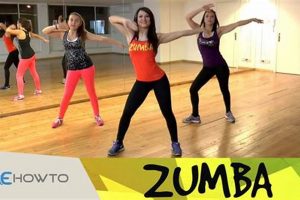
The subject is a fitness program that combines Latin and international music with dance moves. It integrates interval training, alternating between fast and slow rhythms, which helps improve cardiovascular fitness. A typical session involves various dance styles such as salsa, merengue, cumbia, and reggaeton, creating an energetic and enjoyable workout experience.
This type of program offers several benefits, including improved coordination, enhanced mood, and increased calorie expenditure. The format’s accessible nature makes it suitable for individuals of varying fitness levels. Its origin can be traced to the mid-1990s, and it has since gained global popularity as a fun and effective way to exercise.
The following sections will delve deeper into the specific elements that comprise a typical session, the equipment that may be utilized, and the potential adaptations for individuals with particular fitness needs or limitations.
Guidance for Participation in Zumba-Inspired Fitness Programs
The following guidelines are provided to optimize the experience and safety of individuals engaging in dance-based fitness activities.
Tip 1: Hydration is Paramount. Adequate fluid intake prior to, during, and following the session is crucial for maintaining optimal performance and preventing dehydration. Water is generally sufficient for shorter sessions, while electrolyte-enhanced beverages may be considered for prolonged or intense activity.
Tip 2: Footwear Selection Matters. Appropriate footwear, specifically designed for dance or aerobic activity, is essential. Shoes should provide adequate support, cushioning, and lateral stability to minimize the risk of ankle or foot injuries.
Tip 3: Modifying Movements is Acceptable. Participants should feel empowered to modify movements based on their individual fitness levels and any physical limitations. High-impact variations can be substituted with lower-impact alternatives to reduce stress on joints.
Tip 4: Pacing is Critical. Individuals should monitor their heart rate and perceived exertion levels throughout the session. Maintaining a conversational pace, where one can speak comfortably, is a general indicator of staying within a safe and effective intensity range.
Tip 5: Warm-Up and Cool-Down are Indispensable. A proper warm-up, consisting of dynamic stretching and light cardio, prepares the body for activity. A cool-down, including static stretching, promotes flexibility and aids in muscle recovery.
Tip 6: Listen to the Body’s Signals. Pain is an indicator to cease activity immediately. Ignoring discomfort can lead to more significant injuries. Consulting a healthcare professional is advisable for persistent pain or discomfort.
Tip 7: Space Awareness is Important. Maintaining adequate personal space is necessary to prevent collisions with other participants. Be mindful of surroundings and adapt movements accordingly.
Adhering to these recommendations contributes to a safer and more rewarding fitness experience, enabling individuals to maximize the benefits of this dynamic activity.
The subsequent sections will address common questions and misconceptions regarding these types of exercise regimens.
1. Dance-based Aerobic Exercise

Dance-based aerobic exercise constitutes a primary component of the fitness program under consideration. It provides a foundation for cardiovascular fitness enhancement through rhythmic movements and structured routines.
- Cardiovascular Conditioning
Elevated heart rate and increased oxygen consumption characterize the aerobic nature of the movements. Routines incorporate a range of intensities to challenge the cardiovascular system. This conditioning improves endurance and reduces the risk of cardiovascular diseases. Examples include sustained salsa steps and energetic merengue combinations. The effect is a strengthening of the heart muscle and improved blood flow.
- Musculoskeletal Engagement
Dance movements engage multiple muscle groups, including those in the legs, core, and arms. These movements enhance muscular endurance and contribute to overall body toning. For instance, specific routines strengthen the core muscles through rotational movements and improve lower body strength through repeated steps and jumps. This musculoskeletal engagement supports joint stability and functional movement patterns.
- Coordination and Motor Skill Development
The choreography challenges individuals to learn and execute complex movement patterns, thereby improving coordination and motor skills. Participants must synchronize movements to music, requiring spatial awareness and temporal precision. This development translates to improved agility and balance, beneficial in daily activities and other forms of exercise.
- Psychological Benefits
Participation contributes to improved mood and reduced stress levels. The combination of music, movement, and social interaction creates a positive and engaging environment. Endorphin release during exercise promotes feelings of well-being and reduces symptoms of anxiety and depression. This psychological benefit enhances adherence and contributes to long-term health.
These interconnected aspects solidify dance-based aerobic exercise as a significant element of the program. Each aspect contributes to the overall fitness benefits and enhances the enjoyment of the workout experience.
2. Latin and International Music

The incorporation of Latin and international music forms a core, defining element of the dance fitness program. This musical selection is not merely an accompaniment, but rather the driving force that dictates movement patterns, intensity levels, and overall class structure. The rhythms and melodies of genres such as salsa, merengue, cumbia, and reggaeton directly influence the specific dance steps and choreographic combinations employed. As such, the music serves as the primary stimulus that initiates and sustains the physical activity. The selection ensures cultural immersion and a sense of global connectedness.
The use of these specific musical genres is deliberate and strategic. The characteristic beats and tempos facilitate interval training, which is integral to the program’s fitness benefits. Fast-paced rhythms are interspersed with slower segments, providing a balanced approach to cardiovascular exercise. The music’s inherent upbeat nature is designed to enhance motivation and enjoyment, thereby increasing participant adherence. Moreover, exposure to diverse musical styles broadens cultural awareness and promotes appreciation for global traditions. For example, a session might transition seamlessly from a high-energy salsa sequence to a slower, more sensual bachata routine, showcasing musical diversity and providing varied physical challenges.
In summation, the strategic integration of Latin and international music is essential to the identity and efficacy of this fitness modality. It dictates the physical demands, fosters a positive psychological experience, and encourages cultural appreciation. The music selected is not merely a backdrop, but rather the foundation upon which the entire program is built.
3. Interval Training Structure

Interval training structure forms a foundational element in the design and execution of the dance fitness program. This structure involves alternating periods of high-intensity activity with periods of lower-intensity recovery or rest. Its incorporation is integral to achieving specific physiological benefits.
- Alternating Intensity Levels
Interval training involves defined periods of high-intensity exercise, such as rapid dance sequences and energetic jumps, interspersed with periods of active recovery, such as slower dance steps or stationary movements. This fluctuation in intensity challenges the cardiovascular system, promoting enhanced aerobic and anaerobic fitness. The alternating nature of the exercise can prevent plateaus in fitness progress by continuously varying the demands placed on the body.
- Enhanced Caloric Expenditure
The intermittent high-intensity periods elevate the metabolic rate, leading to increased caloric expenditure both during and after the session. This phenomenon, known as the “afterburn effect” or Excess Post-exercise Oxygen Consumption (EPOC), results in continued calorie burning even after the exercise has ceased. The increased metabolic demand is beneficial for weight management and body composition improvement.
- Cardiovascular Adaptations
The repeated transitions between high and low intensity induce adaptations in the cardiovascular system. The heart becomes more efficient at pumping blood, and the body becomes more adept at utilizing oxygen. This leads to improved cardiovascular health, reduced resting heart rate, and increased overall endurance. The variable intensity also promotes the development of both aerobic and anaerobic energy systems.
- Reduced Perceived Exertion
The inclusion of recovery periods can make the overall workout feel less strenuous compared to continuous high-intensity exercise. The recovery intervals provide opportunities to catch breath and recover, making the workout more sustainable and enjoyable. This can enhance adherence and promote long-term engagement with the fitness program.
The strategic application of interval training structure optimizes the fitness outcomes within the dance-based modality. The variable intensity levels, increased caloric expenditure, cardiovascular adaptations, and reduced perceived exertion combine to provide a comprehensive and effective workout experience.
4. Coordination and Rhythm
Coordination and rhythm represent fundamental components of the fitness regimen under discussion, influencing the efficacy and accessibility of the dance-based movements. Their presence is central to the program’s ability to provide a comprehensive physical and cognitive workout.
- Motor Skill Enhancement
The repetitive execution of dance steps, synchronized to music, directly enhances motor skills. Participants learn to control their body movements with greater precision, improving both gross and fine motor skills. For instance, executing a complex salsa turn requires coordinated movements of the arms, legs, and torso. The acquisition of these skills translates to improved balance, agility, and overall physical competence.
- Cognitive Engagement
Following choreographed routines requires cognitive processing to remember sequences and anticipate upcoming movements. This mental engagement challenges the brain, improving memory, attention span, and cognitive flexibility. Participants must focus on both the music and the instructor’s cues, promoting active listening and mental acuity. The mental workout complements the physical exertion, providing a holistic fitness experience.
- Musicality and Timing
Successful participation necessitates an understanding of musicality and timing. Participants must internalize the rhythm and tempo of the music to execute the movements effectively. This develops a sense of musical awareness and an appreciation for the nuances of various musical genres. For example, recognizing the clave rhythm in salsa is crucial for timing steps accurately. This musicality enhances the enjoyment and artistic expression of the activity.
- Neuromuscular Synchronization
The program fosters synchronization between the nervous system and the muscles. Repeated practice of dance movements strengthens neural pathways, leading to improved muscle memory and faster reaction times. This neuromuscular synchronization enhances coordination and allows for more fluid and efficient movement. For instance, consistent practice leads to improved ability to seamlessly transition between different dance styles.
These interconnected facets of coordination and rhythm are integral to the effectiveness and appeal of the fitness system. They contribute to physical skill development, cognitive enhancement, musical appreciation, and neuromuscular efficiency, resulting in a comprehensive and engaging workout experience.
5. Calorie Expenditure Potential

The capacity for significant caloric expenditure constitutes a key factor in evaluating the efficacy of dance-based fitness programs. The intensity, duration, and nature of the movements involved directly influence the amount of energy expended during a session, thereby impacting weight management and overall fitness outcomes.
- Intensity of Movement
The varied intensity of dance movements, incorporating both high-impact and low-impact steps, plays a critical role in determining caloric expenditure. Periods of rapid, energetic dance sequences elevate the heart rate and increase oxygen consumption, leading to a higher caloric burn. Conversely, periods of slower, more controlled movements provide active recovery, allowing participants to sustain activity for longer durations. The strategic alternation of intensity levels optimizes the overall energy expenditure during the session. For example, a routine incorporating frequent jumps and turns will generally result in a higher caloric burn than a routine composed primarily of walking steps.
- Duration of Session
The length of a typical session directly correlates with the total number of calories burned. Longer sessions provide more opportunities for sustained physical activity, resulting in a greater energy expenditure. A standard class, lasting approximately 60 minutes, allows sufficient time for participants to engage in a comprehensive workout that challenges the cardiovascular system and engages multiple muscle groups. However, even shorter sessions can contribute to overall caloric expenditure, particularly when performed consistently over time. For instance, participating in a 30-minute session several times per week can lead to a significant cumulative effect on weight management.
- Muscle Engagement
Dance-based fitness programs engage multiple muscle groups simultaneously, including those in the legs, core, and arms. The coordinated movements involved require muscular effort, contributing to overall caloric expenditure. Routines that incorporate resistance training elements, such as squats, lunges, and push-ups, further enhance muscle engagement and increase energy expenditure. Engaging a greater number of muscles during exercise elevates the metabolic rate and promotes fat burning. For instance, a routine emphasizing core strengthening exercises will contribute to a higher caloric expenditure compared to a routine focusing primarily on lower body movements.
- Individual Factors
Individual factors, such as body weight, fitness level, and metabolic rate, also influence caloric expenditure. Individuals with higher body weights generally burn more calories during exercise compared to those with lower body weights. Similarly, individuals with higher fitness levels may be able to sustain higher intensity levels for longer durations, leading to increased caloric expenditure. Metabolic rate, which varies from person to person, affects the rate at which the body burns calories at rest and during activity. These individual factors should be considered when estimating the potential caloric expenditure for a given session. For instance, an individual with a slower metabolism may burn fewer calories during the same session compared to an individual with a faster metabolism.
The potential for significant caloric expenditure inherent within this form of exercise, influenced by the intensity of movement, duration of the session, muscle engagement, and individual factors, underscores its value as a tool for weight management and overall fitness enhancement. The combination of physical activity and an enjoyable environment contributes to increased adherence and sustained engagement, maximizing the long-term benefits of the program.
6. Social and Fun Environment
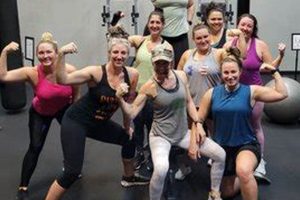
The element of a social and fun environment plays a critical role in the sustained popularity and effectiveness of this fitness program. It moves beyond a purely physical workout, incorporating aspects of community and enjoyment that promote adherence and enhance psychological well-being. This characteristic addresses a common challenge in fitness the tendency for individuals to discontinue exercise due to boredom or lack of motivation. The group setting fosters a sense of camaraderie, encouraging participants to support and motivate one another. The integration of dance movements with upbeat music transforms the exercise experience into an engaging activity. As an example, participants often report increased motivation to attend classes regularly due to the positive social interactions and the enjoyment derived from the activity itself, rather than solely focusing on the physical benefits.
The social aspect can mitigate feelings of self-consciousness and anxiety often associated with traditional gym settings. The emphasis on movement and rhythm, rather than strict adherence to perfect form, creates a more inclusive atmosphere. Individuals feel less pressure to perform flawlessly and are more likely to embrace the learning process. This contributes to a more positive self-image and enhances overall mental well-being. A concrete illustration of this is observed in the diverse demographic typically found in these sessions, where individuals of varying ages, fitness levels, and cultural backgrounds participate together, forming a supportive community. The lighthearted nature of the activity encourages laughter and playful interaction, further reducing stress and promoting a sense of shared enjoyment.
The incorporation of a social and fun environment effectively addresses adherence challenges often associated with exercise programs. The combination of physical activity, social interaction, and enjoyable music creates a holistic experience that promotes both physical and mental well-being. Understanding this connection is important for maximizing the benefits of this program and for informing the design of other fitness interventions aimed at long-term adherence.
Frequently Asked Questions
The following section addresses common inquiries and clarifies misconceptions surrounding dance-based fitness programs, providing concise and informative answers.
Question 1: What specific fitness benefits are realistically attainable through consistent participation?
Consistent engagement promotes improvements in cardiovascular endurance, muscular strength, and flexibility. Furthermore, participation may contribute to weight management and enhanced coordination.
Question 2: Is prior dance experience a prerequisite for successful participation?
Prior dance experience is not required. The routines are designed to be accessible to individuals of varying fitness levels and movement abilities. Modifications are often provided to accommodate diverse needs.
Question 3: What is the recommended frequency of participation to realize tangible results?
A minimum of two to three sessions per week is generally recommended to observe noticeable improvements in fitness metrics. Individual results may vary depending on factors such as baseline fitness level and adherence to a balanced dietary regimen.
Question 4: Are there any specific contraindications or precautions that prospective participants should consider?
Individuals with pre-existing musculoskeletal injuries or cardiovascular conditions should consult with a healthcare professional before initiating participation. Modifications to movements may be necessary to mitigate potential risks.
Question 5: What constitutes appropriate attire for optimal participation?
Comfortable clothing that allows for freedom of movement is recommended. Supportive athletic shoes are essential to provide adequate cushioning and stability, reducing the risk of injury.
Question 6: Does the program exclusively utilize Latin music, or are other genres incorporated?
While Latin music forms a core component, other international genres are often integrated to diversify the musical experience and broaden the range of dance styles utilized within the sessions.
In summary, these FAQs offer a concise overview of key considerations for individuals contemplating participation in this activity. The emphasis on accessibility, potential benefits, and necessary precautions underscores the importance of informed decision-making.
The subsequent section will explore potential adaptations and modifications that can enhance inclusivity and accommodate diverse needs and limitations.
Conclusion
This exploration of “what is zumba fitness classes” reveals a multifaceted fitness program integrating dance, music, and interval training. Its accessible nature, coupled with the potential for improved cardiovascular health, muscular endurance, and psychological well-being, contributes to its global appeal. The program’s structure emphasizes inclusivity and adaptability to varying fitness levels and physical limitations.
Ultimately, understanding the core elements and potential benefits of this fitness approach allows for informed decisions regarding its suitability as part of a comprehensive wellness strategy. Continued research and adaptation are essential to optimizing its effectiveness and ensuring its accessibility for a diverse population.