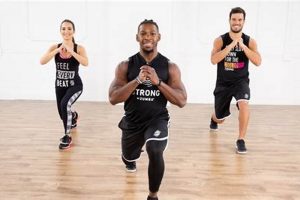
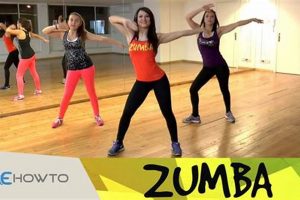
Zumba, a dance fitness program, offers a multifaceted approach to exercise, blending aerobic activity with Latin-inspired rhythms and movements. The program’s structure and inherent physical demands translate into tangible advantages for participants.
Engaging in this type of physical activity yields improvements in cardiovascular health through sustained aerobic exercise. Increased calorie expenditure during sessions promotes weight management and aids in the reduction of body fat. Furthermore, the dynamic motions inherent in the program enhance muscular strength and endurance, particularly in the core and lower body. Social interaction within group classes provides a supportive environment and can contribute to improved mental well-being.
The subsequent sections will explore in greater detail the specific physiological and psychological advantages derived from consistent participation, including its effects on cardiovascular function, muscular development, weight management, and overall quality of life.
Maximizing Advantages of Zumba Fitness
To fully realize the potential of Zumba fitness, a strategic approach to participation and supplementary practices is recommended. The following guidelines are designed to enhance the exercise experience and optimize physical gains.
Tip 1: Prioritize Proper Form. Focusing on accurate execution of movements ensures targeted muscle engagement and minimizes risk of injury. Seek guidance from certified instructors to refine technique.
Tip 2: Maintain Consistent Hydration. Sustained physical activity necessitates adequate fluid intake. Consume water before, during, and after each session to support physiological function and prevent dehydration.
Tip 3: Select Appropriate Footwear. Wearing supportive athletic shoes with good traction is crucial for stability and impact absorption. Consider cross-training shoes designed for lateral movements.
Tip 4: Gradually Increase Intensity. Avoid overexertion by progressively increasing the intensity and duration of workouts. Allow the body to adapt to the demands of the program.
Tip 5: Incorporate a Balanced Diet. Complementing physical activity with a nutritious diet optimizes weight management and promotes overall health. Focus on whole foods, lean protein, and complex carbohydrates.
Tip 6: Listen to the Body. Pay attention to signals of fatigue or discomfort. Rest and recovery are essential for preventing injuries and maximizing long-term progress.
Tip 7: Engage in Regular Stretching. Incorporate static and dynamic stretching exercises to improve flexibility, reduce muscle soreness, and enhance range of motion.
Tip 8: Supplement with Strength Training. Integrating resistance training exercises can augment muscular development and improve overall physical conditioning. Focus on compound movements targeting major muscle groups.
Adhering to these guidelines can significantly enhance the exercise experience, leading to greater physical improvements and a reduced risk of injury. Integrating these practices ensures a comprehensive approach to fitness.
The subsequent section will synthesize key findings and provide concluding remarks regarding the overall contribution of Zumba fitness to health and wellness.
1. Cardiovascular Health

Cardiovascular health, encompassing the efficient functioning of the heart and blood vessels, is a cornerstone of overall well-being. Its relationship with Zumba fitness is direct and substantial, with regular participation demonstrably influencing several key indicators.
- Improved Aerobic Capacity
Zumba’s rhythmic, high-energy movements elevate heart rate and oxygen consumption, leading to improved aerobic capacity. This manifests as increased stamina during physical activity and a reduced risk of cardiovascular disease. Consistent Zumba participation trains the heart to pump blood more efficiently, increasing the body’s ability to utilize oxygen.
- Blood Pressure Regulation
Regular physical activity, such as Zumba, contributes to the regulation of blood pressure. The exercise induces vasodilation, widening blood vessels and reducing resistance to blood flow. This can result in lower systolic and diastolic blood pressure readings, mitigating the risk of hypertension and related complications.
- Cholesterol Profile Enhancement
Zumba exercise can positively influence lipid profiles, increasing high-density lipoprotein (HDL) cholesterol, often referred to as “good” cholesterol, and reducing low-density lipoprotein (LDL) cholesterol, or “bad” cholesterol. This improvement in cholesterol balance decreases the likelihood of plaque buildup in arteries, thereby lowering the risk of atherosclerosis and coronary artery disease.
- Enhanced Circulation
The dynamic movements in Zumba classes promote improved blood circulation throughout the body. This enhanced circulation ensures efficient delivery of oxygen and nutrients to tissues and organs, contributing to overall vitality and reducing the risk of peripheral artery disease.
The cumulative effects of improved aerobic capacity, blood pressure regulation, enhanced cholesterol profiles, and improved circulation underscore the significant contribution of Zumba fitness to cardiovascular health. This exercise modality offers a comprehensive approach to improving cardiovascular function and mitigating the risk of associated diseases.
2. Calorie Expenditure

Zumba fitness fundamentally relies on its capacity to induce a substantial calorie expenditure, directly impacting its overall effectiveness as a weight management and fitness tool. The program’s blend of aerobic exercise and dance movements elevates metabolic rate, resulting in a significant energy demand from the body. This energy demand manifests as a need to convert stored calories into usable fuel, therefore leading to a caloric deficit when coupled with appropriate dietary habits. The magnitude of this calorie expenditure during a typical Zumba class can range significantly, influenced by factors such as individual weight, fitness level, and the intensity of the class itself. However, it consistently positions Zumba as a viable means for individuals seeking to manage or reduce their weight, contributing to a favorable energy balance over time. The effectiveness in weight management significantly increases the appeal and adoption of Zumba across a diverse population.
The sustained and elevated heart rate maintained throughout a Zumba session directly correlates to the volume of calories burned. Individuals experiencing plateaus in weight loss with other exercise programs may find success with Zumba due to its dynamic and engaging nature, which can encourage greater effort and consistency. For instance, a participant consistently attending three to five Zumba classes per week, while maintaining a balanced diet, is statistically more likely to experience noticeable reductions in body fat percentage and improvements in body composition. Furthermore, the dynamic movements require engaging various muscle groups, leading to a higher metabolic rate even post-exercise, a phenomenon known as the “afterburn effect,” which further contributes to overall calorie expenditure.
In summary, calorie expenditure is not merely an ancillary aspect of Zumba, but rather a central mechanism through which many of its health advantages are realized. Its effectiveness as a tool for weight management, coupled with its ability to enhance cardiovascular health and improve body composition, positions it as a valuable fitness modality. Understanding this core mechanism allows participants to more effectively tailor their participation and dietary habits to maximize their individual results, making informed choices to optimize overall health outcomes.
3. Muscle Toning

Muscle toning, characterized by an increase in muscle definition and firmness without significant hypertrophy, represents a significant aspect of the physical enhancements derived from consistent participation in Zumba fitness programs. While not a primary focus of Zumba, the nature of the exercises leads to tangible improvements in muscle tone across various muscle groups.
- Core Engagement and Stabilization
Zumba incorporates numerous movements that require constant core engagement for stabilization and balance. These exercises, ranging from hip isolations to rhythmic stepping patterns, activate the abdominal muscles, obliques, and lower back musculature. The sustained engagement fosters improved core strength and definition, contributing to a more toned midsection.
- Lower Body Conditioning
The dynamic nature of Zumba routines necessitates frequent leg movements, including squats, lunges, and grapevines. These exercises target the major muscle groups of the lower body quadriceps, hamstrings, glutes, and calves. Repeated execution of these movements strengthens and tones these muscles, enhancing lower body definition and power.
- Upper Body Activation Through Arm Movements
While primarily a lower body-focused workout, Zumba integrates arm movements and choreography that engage the upper body muscles. These movements, often involving reaching, lifting, and rhythmic swinging, activate the shoulders, biceps, triceps, and back muscles. While the resistance is typically low, the high repetition rate leads to increased muscle endurance and toning of the upper body.
- Improved Posture and Body Alignment
Consistent participation in Zumba classes can contribute to improved posture and body alignment. The focus on core stability and controlled movements helps to strengthen the muscles responsible for maintaining proper posture. This, in turn, can lead to a more upright stance and a reduction in musculoskeletal imbalances, further enhancing muscle tone and overall physique.
In conclusion, while Zumba is not specifically designed as a muscle-building program, the combination of core engagement, lower body conditioning, upper body activation, and postural improvements collectively contribute to enhanced muscle tone across the body. This improvement in muscle tone represents a tangible benefit of Zumba fitness, contributing to improved physical appearance and functional strength.
4. Coordination Improvement
Coordination improvement is a significant yet often understated advantage derived from regular participation in Zumba. The intricacies of the dance-based movements necessitate precise timing and spatial awareness, resulting in enhanced motor skills and neural pathways. This improvement extends beyond the confines of the Zumba class, impacting various aspects of daily life.
- Enhanced Proprioception
Proprioception, the body’s awareness of its position and movement in space, is heightened through Zumba’s varied steps and patterns. Participants learn to accurately control and adjust their body movements, leading to improved balance and reduced risk of falls. This enhanced awareness translates to greater confidence and agility in everyday activities.
- Improved Motor Skill Integration
Zumba requires the simultaneous execution of multiple motor skills, such as stepping patterns, arm movements, and weight shifting. The integration of these skills improves the brain’s ability to process and coordinate complex movements, enhancing motor skill proficiency. This translates to improved performance in other physical activities and reduced clumsiness.
- Increased Cognitive Function
The need to learn and remember dance steps and routines in Zumba stimulates cognitive function. This cognitive engagement improves memory, attention span, and problem-solving abilities. The mental challenge of Zumba contributes to improved cognitive health and overall brain function.
- Neural Pathway Development
The repetitive execution of coordinated movements in Zumba strengthens existing neural pathways and creates new ones. This neural plasticity improves the efficiency of communication between the brain and the muscles, leading to faster reaction times and smoother, more fluid movements. This translates to improved motor control and enhanced physical performance.
In summary, the enhancement of proprioception, improved motor skill integration, increased cognitive function, and neural pathway development through Zumba contribute to a significant improvement in overall coordination. This enhanced coordination translates to tangible benefits in daily life, enhancing physical performance, reducing risk of injury, and improving cognitive function. This interconnectedness underscores Zumba’s value as a comprehensive fitness modality contributing to holistic well-being.
5. Stress Reduction

Stress reduction constitutes a pivotal psychological advantage derived from the incorporation of Zumba into a regular fitness regimen. The underlying mechanism involves the release of endorphins, neurochemicals with mood-elevating properties, during physical activity. The rhythmic movements, coupled with the engaging nature of the music, create a diversion from daily stressors, fostering a state of mental relaxation. This reduction in perceived stress levels contributes to improved mental well-being and a decreased susceptibility to stress-related ailments. The social aspect of Zumba classes provides an additional layer of support, facilitating a sense of community and belonging that further mitigates feelings of isolation and anxiety.
The correlation between physical activity and stress reduction is well-documented in scientific literature. Exercise, including Zumba, stimulates the hypothalamic-pituitary-adrenal (HPA) axis, a central regulator of the stress response. Regular activation of this system through controlled physical exertion can desensitize it to everyday stressors, leading to a diminished physiological response to stress. For instance, individuals experiencing chronic stress due to demanding work environments have reported a significant reduction in perceived stress levels and improved sleep quality following consistent participation in Zumba classes. This benefit is not solely limited to acute stress; long-term engagement can enhance resilience to future stressors, promoting adaptive coping mechanisms.
In summary, stress reduction represents a consequential component of the overall benefits afforded by Zumba. The combination of endorphin release, social engagement, and physiological adaptations contributes to a reduced stress response and enhanced mental well-being. This aspect renders Zumba a valuable tool for managing stress, promoting mental health, and improving overall quality of life. Continued research is warranted to further elucidate the specific mechanisms underlying the stress-reducing effects of Zumba and to optimize its application as a therapeutic intervention.
6. Social Engagement

Social engagement within Zumba classes represents a significant component of the overall experience, contributing substantially to the program’s purported benefits. The group fitness environment fosters a sense of community and shared purpose, providing participants with opportunities for interaction and support. This social interaction can mitigate feelings of isolation and loneliness, which are known risk factors for various mental and physical health conditions. The shared experience of learning dance routines and achieving fitness goals creates a bond among participants, fostering a supportive atmosphere that can enhance motivation and adherence to the program. For example, individuals who might otherwise struggle to maintain a consistent workout schedule may find the social accountability and encouragement of a Zumba class to be a powerful motivator.
The impact of social engagement extends beyond mere enjoyment. Studies have shown that individuals with strong social connections tend to exhibit better mental and physical health outcomes, including reduced stress levels, improved immune function, and increased longevity. Zumba classes provide a structured environment for fostering these connections, offering a platform for building new relationships and strengthening existing ones. Furthermore, the non-competitive nature of many Zumba classes promotes a sense of camaraderie and mutual support, encouraging participants to celebrate each other’s successes and provide encouragement during challenges. This supportive environment can be particularly beneficial for individuals who are new to fitness or who feel intimidated by more traditional gym settings.
In summary, social engagement is not simply an ancillary aspect of Zumba but rather an integral component that significantly contributes to its overall benefits. The sense of community, social support, and opportunities for interaction provided by Zumba classes can enhance motivation, improve mental and physical health outcomes, and foster a more positive and sustainable approach to fitness. Understanding the importance of social engagement allows instructors and participants to intentionally cultivate a supportive environment, maximizing the potential benefits of the program. This understanding also underscores the value of group fitness activities as a tool for promoting social connectedness and improving overall well-being.
7. Mood Enhancement

Mood enhancement, a significant psychological benefit associated with physical activity, is demonstrably linked to participation in Zumba. The neurochemical and social aspects of Zumba contribute to a positive shift in emotional state.
- Endorphin Release
Physical exertion triggers the release of endorphins, natural mood elevators that interact with brain receptors to reduce the perception of pain and induce feelings of euphoria. The high-energy movements and rhythmic music characteristic of Zumba sessions amplify this effect. The result is a tangible sense of well-being experienced during and after the class.
- Dopamine and Serotonin Modulation
Beyond endorphins, Zumba can influence the levels of other neurotransmitters such as dopamine and serotonin, both crucial in regulating mood, motivation, and feelings of happiness. The enjoyable nature of Zumba, combined with the sense of accomplishment from learning new steps, can boost dopamine levels, promoting a sense of reward. Additionally, increased physical activity is associated with enhanced serotonin production, which helps stabilize mood and alleviate symptoms of depression.
- Stress Reduction and Cortisol Regulation
Chronic stress negatively impacts mood, often leading to anxiety and depression. Zumba’s ability to reduce stress through physical exertion and social interaction contributes to improved mood. The exercise helps regulate the release of cortisol, the body’s primary stress hormone, preventing prolonged elevation that can disrupt mood and cognitive function. By mitigating the physiological effects of stress, Zumba fosters a more stable and positive emotional state.
- Social Interaction and Group Dynamics
The group setting of Zumba classes provides opportunities for social interaction and connection, which are vital for mental well-being. The shared experience of learning dance routines, supporting one another, and celebrating achievements creates a sense of belonging and camaraderie. This social support network provides emotional resilience and combats feelings of isolation, further contributing to mood enhancement. The positive energy and encouragement within the class environment can be particularly beneficial for individuals struggling with low mood or social anxiety.
The interconnectedness of neurochemical regulation, stress reduction, and social interaction underscores the multifaceted role of Zumba in mood enhancement. These combined effects contribute to a more positive outlook, increased resilience, and improved overall mental well-being, solidifying its position as a valuable tool for promoting emotional health.
Frequently Asked Questions Regarding Zumba Workout Advantages
This section addresses common inquiries and clarifies misconceptions surrounding the benefits associated with Zumba fitness programs. The information provided aims to offer a clear and concise understanding of the advantages derived from participation.
Question 1: Does Zumba effectively contribute to weight loss?
Zumba is a viable option for weight management due to its capacity to expend calories. The extent of weight loss is contingent upon factors such as class intensity, individual metabolism, and adherence to a balanced dietary regimen. Consistent engagement, coupled with appropriate nutrition, enhances the likelihood of achieving weight reduction goals.
Question 2: Is prior dance experience required to participate in Zumba?
No prior dance experience is necessary. Zumba classes are designed to be accessible to individuals of varying fitness levels and dance backgrounds. Instructors typically provide modifications to accommodate beginners, allowing participants to gradually acquire the steps and routines.
Question 3: What specific muscle groups are engaged during a Zumba workout?
Zumba engages a wide array of muscle groups, including those in the core, lower body (legs and glutes), and upper body (arms and shoulders). The dynamic movements necessitate the activation of these muscles for stabilization, coordination, and power generation.
Question 4: Can Zumba improve cardiovascular health?
Yes, Zumba can contribute to improved cardiovascular health. The sustained aerobic activity inherent in Zumba workouts elevates heart rate and enhances oxygen consumption, leading to improved cardiovascular function and reduced risk of cardiovascular disease.
Question 5: How frequently should one participate in Zumba to realize tangible benefits?
The optimal frequency depends on individual fitness goals and current activity levels. However, participating in Zumba two to three times per week is generally sufficient to experience noticeable improvements in fitness, weight management, and mood.
Question 6: Are there any potential risks associated with Zumba?
As with any form of physical activity, Zumba carries a potential risk of injury. Common injuries include sprains, strains, and overuse injuries. Minimizing risk involves proper warm-up, appropriate footwear, adherence to correct form, and gradual progression of intensity.
In summary, Zumba offers a range of benefits, including weight management, cardiovascular improvement, muscle toning, and mood enhancement. Maximizing these advantages involves consistent participation, proper technique, and attention to individual physical limitations.
The following section will offer concluding remarks and summarize the key takeaways discussed in this article.
Conclusion
The preceding exploration has illuminated various facets of “zumba workout benefits.” Consistent engagement demonstrably contributes to improved cardiovascular function, enhanced muscular tone, increased calorie expenditure, and notable enhancements in coordination. Furthermore, the modality’s positive impact on mental well-being, specifically stress reduction and mood elevation, underscores its comprehensive value. These attributes collectively position Zumba as a multifaceted fitness option worthy of consideration.
The amalgamation of physical and psychological advantages solidifies the position of Zumba as a valuable fitness tool. Further investigation into the long-term effects and potential applications within diverse populations remains warranted. The pursuit of optimized implementation strategies will ensure maximized benefits for all participants, contributing to improved public health outcomes.