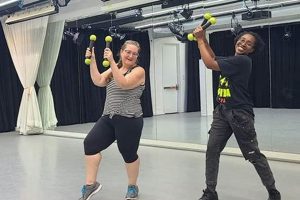
This is a structured program designed to improve physical fitness through a combination of Zumba dance routines and targeted exercise. Typically, participants engage in a series of Zumba classes and supplemental workouts over a specified period, often several weeks or months. For example, a studio might offer a 30-day program involving daily Zumba sessions coupled with nutritional guidance.
Such initiatives provide a framework for individuals to enhance their cardiovascular health, improve muscle tone, and increase overall well-being. Historically, fitness challenges have proven effective motivators for sustained engagement in physical activity, fostering a sense of community and accountability amongst participants. Benefits range from weight management and increased energy levels to stress reduction and improved mood.
The following sections will delve deeper into specific aspects of these programs, including effective strategies for participation, nutritional considerations for optimizing results, and the potential for long-term adherence to a healthier lifestyle.
Strategies for a Successful Zumba Fitness Challenge
Maximizing benefits from participation requires a strategic approach and consistent effort. The following guidelines are intended to support individuals in achieving their fitness goals during a structured Zumba program.
Tip 1: Establish Realistic Objectives: Prior to commencing, clearly define attainable goals related to weight loss, fitness improvement, or overall well-being. This provides a benchmark for measuring progress and maintaining motivation. An example is setting a goal to attend at least four Zumba classes per week for the duration of the program.
Tip 2: Prioritize Proper Hydration: Adequate water intake is crucial for optimal performance and recovery. Participants should consistently consume water throughout the day, particularly before, during, and after Zumba sessions. A practical guideline is to aim for at least eight glasses of water daily.
Tip 3: Focus on Nutritional Balance: Complement physical activity with a balanced dietary regimen. Emphasize whole foods, lean protein sources, fruits, and vegetables. Limiting processed foods, sugary drinks, and excessive saturated fats contributes significantly to overall results.
Tip 4: Incorporate Rest and Recovery: Allowing the body sufficient time to recover is essential for preventing injuries and maximizing fitness gains. Schedule rest days into the weekly routine and prioritize adequate sleep, typically 7-9 hours per night.
Tip 5: Engage with the Community: Interacting with fellow participants fosters a supportive environment and enhances accountability. Participating in group discussions, sharing experiences, and offering encouragement contributes to a more positive and motivating experience.
Tip 6: Monitor Progress Consistently: Track progress through regular weigh-ins, measurements, or fitness assessments. This data provides valuable insights into the effectiveness of the program and allows for necessary adjustments to be made.
Tip 7: Modify Intensity as Needed: Listen to the body and adjust the intensity of workouts as required. Avoid pushing oneself beyond reasonable limits, especially when experiencing pain or discomfort. Consult with a fitness professional or healthcare provider if necessary.
Adherence to these strategies can increase the likelihood of achieving desired outcomes and sustaining a commitment to a healthier lifestyle. Consistency and dedication remain paramount.
The subsequent section will discuss the crucial role of diet in complementing these active programs.
1. Dance-Based Workouts

Dance-based workouts constitute a foundational element of a structured fitness program. Their incorporation significantly impacts participant engagement and adherence. The rhythmic movements and choreographed routines, characteristic of such activities, provide a dynamic alternative to traditional exercise modalities. This is particularly evident in programs that utilize various dance styles. For instance, the implementation of salsa steps within a structured workout has been shown to raise enjoyment levels, thereby increasing the likelihood of continued participation. This increased participation subsequently contributes to improved cardiovascular health and overall fitness levels among participants.
The selection of dance styles within a dance-based fitness challenge is critical. Diverse styles, such as merengue, cumbia, and reggaeton, cater to varying preferences and fitness levels. This variety mitigates potential boredom and maintains participant motivation. Moreover, instructors trained in these dance styles are better equipped to guide participants through safe and effective movements, minimizing the risk of injury. For example, a challenge incorporating progressive intensity levels, starting with basic steps and gradually advancing to more complex routines, optimizes both fitness gains and participant safety.
Ultimately, the effectiveness of the dance-based workout component hinges on careful planning and execution. This includes selection of appropriate music, provision of clear instruction, and creation of a supportive and inclusive environment. When properly integrated, dance-based workouts serve as a catalyst for achieving fitness goals, fostering a sense of community, and promoting long-term adherence to a healthy lifestyle. This understanding is crucial for both fitness professionals and participants aiming to maximize the benefits. Challenges may arise from individual differences in coordination and fitness levels; however, these can be mitigated through modifications and personalized guidance.
2. Progressive Intensity
Progressive intensity is a critical component of structured fitness programs designed to improve cardiovascular health, strength, and endurance. In the context of a Zumba fitness challenge, this principle dictates a gradual increase in workout difficulty over time, optimizing results while minimizing the risk of injury. This systematic escalation ensures participants are consistently challenged, leading to continuous adaptation and improvement.
- Cardiovascular Adaptation
Zumba, by its nature, is a cardiovascular workout. Progressive intensity manifests as increases in the duration and frequency of Zumba classes. For example, a challenge might start with 30-minute sessions three times per week and gradually increase to 60-minute sessions five times per week. This controlled escalation allows the cardiovascular system to adapt to the demands of the exercise, improving stamina and reducing the risk of overexertion.
- Musculoskeletal Development
Zumba routines engage various muscle groups. Progressive intensity involves increasing the complexity and intensity of the movements. Participants may initially focus on mastering basic steps before progressing to more complex choreography that incorporates plyometrics and resistance. This gradual increase in demand strengthens muscles and improves joint stability, contributing to enhanced performance and reduced injury potential.
- Metabolic Efficiency
As fitness levels improve, the body becomes more efficient at utilizing energy. Progressive intensity in a Zumba fitness challenge requires a corresponding adjustment to dietary intake. Participants may need to increase their caloric intake to support the increased energy expenditure. Maintaining a balanced diet that provides sufficient carbohydrates, protein, and fats is essential for optimizing metabolic function and supporting overall health.
- Psychological Adaptation
Successfully navigating a progressively intense fitness program builds confidence and resilience. Participants experience a sense of accomplishment as they overcome challenges and achieve milestones. This psychological adaptation fosters a positive mindset and promotes long-term adherence to a healthy lifestyle. The Zumba fitness challenge provides a structured environment for developing both physical and mental fortitude.
The incorporation of progressive intensity within the Zumba fitness challenge framework provides a mechanism for sustained improvement and long-term adherence. By systematically increasing the demands placed on the body and mind, participants are able to achieve optimal results while minimizing the risk of injury and burnout. The synergy between Zumba’s engaging dance-based workouts and the structured progression ensures that the challenge remains both effective and enjoyable. Failing to implement this vital element can plateau results or lead to demotivation.
3. Nutritional Support

Nutritional support is an indispensable component of a structured physical activity program, particularly when integrated with a high-energy activity such as a Zumba fitness challenge. The cause-and-effect relationship between dietary intake and exercise performance is fundamental; adequate nutrition provides the necessary fuel for sustained participation and recovery, while insufficient or imbalanced nutrition can impair performance and increase the risk of injury. For instance, a participant engaging in daily Zumba sessions without sufficient carbohydrate intake may experience fatigue, muscle weakness, and reduced exercise intensity. Conversely, strategic nutrient timing, such as consuming a protein-rich snack after each session, can facilitate muscle repair and growth.
The importance of nutritional support extends beyond immediate performance; it also plays a crucial role in long-term health and body composition changes. A Zumba fitness challenge, while effective for improving cardiovascular health and burning calories, may not result in desired body composition changes without accompanying dietary modifications. For example, a participant may increase muscle mass and reduce body fat if the Zumba workouts are combined with a diet rich in lean protein, complex carbohydrates, and healthy fats. Practical application of this understanding involves tailoring nutritional recommendations to individual needs, considering factors such as activity level, body weight, and specific fitness goals. Registered dietitians or certified nutritionists can provide personalized guidance to optimize dietary intake.
In summary, the synergy between exercise and nutrition is paramount for achieving optimal results in a Zumba fitness challenge. Nutritional support ensures participants have the energy to perform, recover effectively, and achieve desired body composition changes. Addressing the challenge of inconsistent adherence to dietary recommendations requires education, planning, and ongoing support. This understanding of the integral connection between nutrition and exercise contributes to the broader theme of promoting sustainable lifestyle changes and overall well-being, emphasizing that physical activity and a balanced diet are complementary components of a healthy lifestyle.
4. Community Engagement

The integration of community engagement within a structured fitness program such as a Zumba fitness challenge enhances participant motivation, adherence, and overall satisfaction. Fostering a sense of belonging and shared purpose can significantly contribute to the attainment of individual fitness goals.
- Enhanced Motivation and Accountability
Group participation fosters a sense of accountability, encouraging consistent attendance and effort. When individuals are part of a supportive network, they are more likely to adhere to their fitness commitments. For example, participants who regularly interact with their peers in a Zumba class are more likely to attend scheduled sessions and maintain a higher level of engagement, thereby increasing the likelihood of achieving their fitness objectives.
- Social Support and Encouragement
The creation of a supportive social environment allows participants to share experiences, challenges, and successes. This exchange of information and encouragement can be invaluable in overcoming obstacles and maintaining a positive attitude. Real-world examples might include online forums or in-person support groups where participants can connect and offer mutual assistance, leading to increased resilience and sustained motivation.
- Reduced Isolation and Increased Enjoyment
Fitness activities can sometimes be isolating, particularly for individuals new to exercise. Community engagement mitigates this isolation by providing opportunities for social interaction and camaraderie. Zumba classes, by their nature, are social activities that encourage interaction and create a sense of fun. Participants who feel connected to their peers are more likely to enjoy the experience and continue participating over the long term.
- Knowledge Sharing and Peer Learning
A community setting facilitates the sharing of knowledge and experiences related to fitness and nutrition. Participants can learn from each other’s successes and failures, gaining valuable insights and practical tips. For instance, experienced Zumba participants can offer guidance to newcomers on technique, modifications, and healthy eating habits. This peer-to-peer learning enhances individual understanding and promotes informed decision-making.
The multifaceted benefits of community engagement extend beyond individual fitness gains, fostering a sense of collective well-being and promoting a culture of health and support. This reinforces the notion that structured fitness programs, when combined with a strong community component, can be a powerful catalyst for positive lifestyle changes. While digital platforms can enhance community engagement, the importance of in-person interaction remains a key element for fostering deeper connections.
5. Goal-Oriented Structure

Goal-oriented structure constitutes a fundamental element of an effective fitness endeavor, particularly within the context of a Zumba fitness challenge. The establishment of clearly defined and measurable objectives provides participants with a framework for tracking progress, maintaining motivation, and ultimately achieving desired outcomes. Without a structured approach, the inherent benefits of Zumba improved cardiovascular health, increased energy expenditure, and enhanced mood may be diminished due to a lack of focused effort. For example, a challenge that lacks specific goals, such as attending a predetermined number of classes per week or achieving a measurable reduction in body fat percentage, may result in inconsistent participation and suboptimal results. Conversely, a well-defined program that includes specific attendance targets, nutritional guidelines, and progress tracking mechanisms can significantly enhance participant success.
The practical significance of a goal-oriented structure extends beyond mere performance tracking. It also facilitates personalized adaptation and adjustment. When participants have clearly defined objectives, they can more effectively monitor their progress and make necessary modifications to their training regimen or dietary intake. For example, an individual who aims to reduce their waist circumference by a specific amount may adjust their carbohydrate intake or increase the intensity of their Zumba workouts based on their progress. This adaptive approach ensures that the challenge remains relevant and effective for each participant, regardless of their initial fitness level or individual circumstances. The inclusion of periodic assessments, such as weigh-ins or fitness tests, provides valuable feedback and allows for ongoing refinement of the program.
In summary, goal-oriented structure provides the necessary foundation for a successful Zumba fitness challenge. By establishing clear and measurable objectives, participants can effectively track their progress, maintain motivation, and adapt their training to achieve optimal results. While the challenge of adhering to a structured program may present a barrier for some individuals, the benefits of increased focus, personalized adaptation, and enhanced accountability far outweigh the potential drawbacks. This understanding underscores the importance of incorporating goal-oriented principles into any fitness program aimed at promoting sustainable lifestyle changes and improving overall well-being.
Frequently Asked Questions
The following questions address common concerns and provide informative answers regarding participation in a structured physical activity program centered around Zumba.
Question 1: What are the typical components of a program focused on Zumba and fitness?
Such programs generally incorporate a combination of regularly scheduled Zumba classes, supplemental exercises targeting specific muscle groups, and nutritional guidance. A defined timeframe, often spanning several weeks or months, provides a structured framework for participation.
Question 2: What level of fitness is required to participate effectively?
These initiatives are often designed to accommodate a range of fitness levels, from beginners to experienced exercisers. Modifications and variations within the Zumba routines allow participants to adjust the intensity to suit their individual capabilities. A pre-participation assessment is advisable to identify potential limitations or contraindications.
Question 3: What are the potential benefits beyond weight loss?
Participants may experience improvements in cardiovascular health, muscle tone, coordination, and overall energy levels. The social nature of Zumba can also contribute to stress reduction and improved mood. Long-term adherence to the program can foster a sustainable lifestyle.
Question 4: How important is dietary intake for achieving optimal results?
Dietary intake is a critical determinant of success. A balanced diet rich in whole foods, lean protein, and complex carbohydrates provides the necessary fuel for activity and supports muscle recovery. Limiting processed foods and sugary beverages is essential for maximizing benefits and achieving desired body composition changes.
Question 5: What strategies can enhance adherence and prevent burnout?
Establishing realistic goals, prioritizing proper hydration, incorporating rest and recovery days, and engaging with the community are essential strategies for sustaining motivation and preventing burnout. Regular monitoring of progress and seeking guidance from qualified professionals can further enhance adherence.
Question 6: Are there any potential risks associated with participation?
As with any physical activity program, there is a risk of injury, particularly if proper form is not maintained or if participants push themselves beyond their limits. Individuals with pre-existing health conditions should consult with a healthcare provider before commencing this, or any other fitness regimen. Adequate warm-up and cool-down periods are crucial for injury prevention.
Achieving the desired results requires commitment and consistency. Understanding the interplay between physical activity, nutrition, and community support is key to successfully engaging in structured fitness pursuits.
The subsequent section will discuss specific techniques for maximizing your physical potential.
Conclusion
This exploration has presented a comprehensive overview of the key components and considerations surrounding the Zumba fitness challenge. From establishing realistic objectives and prioritizing nutritional balance to fostering community engagement and implementing progressive intensity, the identified elements serve as critical determinants of success. Furthermore, the importance of goal-oriented structure in promoting adherence and maximizing results has been thoroughly examined.
Recognizing the multifaceted nature of physical well-being is paramount. A sustained commitment to regular physical activity, coupled with informed dietary choices and robust social support, provides the foundation for long-term health improvements. The application of these principles offers individuals a viable pathway toward enhanced fitness and an elevated quality of life. Continuing to consider those facts is important to remember.
![Best Places to Buy Zumba Fitness [Guide] Online/Near You | The Ultimate Zumba Guide: Dance Your Way to a Healthier You](https://mamazumba.com/wp-content/uploads/2026/04/th-399-300x200.jpg "Best Places to Buy Zumba Fitness [Guide] Online/Near You The Ultimate Zumba Guide: Dance Your Way to a Healthier You")