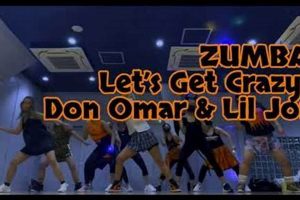
The auditory component of Zumba workouts is a critical element, fundamentally driving participant engagement and movement. These selections, often upbeat and rhythmically diverse, provide the aural landscape for the exercise routines. For instructors, keeping playlists current with recently released tracks is essential for maintaining class interest and attracting new participants.
Music selection significantly impacts the overall effectiveness and enjoyment of Zumba classes. Current audio releases offer participants access to fresh choreographic opportunities and exposure to diverse musical styles, potentially enhancing motivation and adherence to fitness goals. The selection process, while seemingly straightforward, requires careful consideration of tempo, lyrical content, and cultural relevance to ensure a positive and inclusive workout experience.
The following sections will delve into strategies for identifying suitable tracks, explore licensing considerations for public performance, and provide resources for instructors seeking to enrich their Zumba playlists.
Enhancing Zumba Classes
The effective use of current musical selections can significantly elevate the Zumba experience, increasing participant engagement and fostering a dynamic atmosphere.
Tip 1: Monitor Music Charts: Regular monitoring of global music charts is essential. Billboard, Spotify, and regional charts provide insights into trending music that may be suitable for Zumba routines. Evaluate the tempo and rhythm for compatibility with Zumba’s core dance styles.
Tip 2: Explore Latin and International Genres: Zumba’s foundation is rooted in Latin rhythms; however, incorporating diverse international genres can broaden appeal. Investigate genres like Afrobeat, reggaeton, and cumbia, ensuring the chosen tracks maintain a consistent beat and positive lyrical content.
Tip 3: Utilize Music Streaming Services: Music streaming platforms offer pre-curated playlists for fitness classes. Filter playlists by genre, tempo, and energy level. Analyze user-generated playlists to identify emerging selections gaining traction within the fitness community.
Tip 4: Attend Zumba Conferences and Workshops: Zumba conferences often feature master classes where instructors showcase their playlists. Attending these events provides exposure to innovative music choices and networking opportunities for discovering new sources.
Tip 5: Analyze Music Tempo: Zumba routines typically require music within a specific tempo range. Tracks generally fall between 130-150 beats per minute (BPM). Online BPM analyzers can assist in verifying tempo accuracy before incorporation into a routine.
Tip 6: Preview Music Clips Before Class: Thoroughly review all selections before incorporating them into a live class. Ensure suitability for the target audience, paying attention to potentially offensive lyrical content. Adapt choreography if necessary to align with the track’s energy and theme.
Effective auditory additions require consistent effort and a commitment to staying informed about current trends. This proactive approach will contribute significantly to the sustained success and vitality of Zumba programs.
The subsequent section will address legal considerations related to music usage in group fitness settings.
1. Tempo Consistency

Tempo consistency is a foundational element in the selection and integration of auditory tracks for Zumba fitness programs. The tempo, or beats per minute (BPM), directly dictates the pace of movement and choreography. Inconsistent tempos can disrupt the flow of the routine, impede participant coordination, and ultimately diminish the effectiveness and enjoyment of the class.
- Choreographic Integrity
Specific Zumba routines are designed for specific tempos. Introducing songs with drastically different tempos necessitates alterations to the established choreography. Frequent shifts in BPM can make routines difficult to follow, particularly for novice participants. A consistent tempo allows instructors to maintain the intended choreographic structure and deliver a predictable, effective workout experience.
- Participant Coordination and Stamina
Maintaining a relatively constant tempo allows participants to anticipate movement patterns and maintain coordination. Fluctuations in BPM can lead to missteps, frustration, and a decrease in overall stamina. The body expends more energy adapting to changing tempos, potentially hindering the achievement of fitness goals. A steady tempo promotes efficient movement and allows participants to sustain energy levels throughout the class.
- Instructor Cueing and Transitions
Tempo consistency enables instructors to provide clear and timely cues. When the tempo is predictable, instructors can anticipate transitions between movements and provide effective verbal and visual guidance. Inconsistent tempos require more complex cueing and can make it difficult for participants to anticipate upcoming changes in the routine.
- Musical Genre Adaptation
While diverse musical genres are encouraged in Zumba, it’s crucial to select tracks within those genres that adhere to a suitable BPM range. Simply choosing current tracks without regard to tempo can lead to jarring transitions and a disjointed workout experience. Careful selection and adaptation of genre-specific tracks to a consistent BPM promote a cohesive and engaging auditory landscape.
The incorporation of new musical selections within a Zumba program must prioritize tempo consistency. Without a mindful approach to BPM, the potential benefits of current auditory tracks such as enhanced engagement and exposure to diverse rhythms can be negated by disrupted choreography, decreased participant coordination, and ineffective instructor cueing. Therefore, a thorough assessment of tempo is paramount in ensuring the successful integration of new audio elements into the Zumba environment.
2. Genre Diversity

Genre diversity, as a core component of music selection, directly influences the appeal and effectiveness of auditory elements incorporated into Zumba fitness programs. The integration of varied musical styles can significantly broaden the demographic reach of a class, attract new participants, and maintain the long-term engagement of existing members. Failure to incorporate a diverse range of genres risks limiting the class’s appeal and potentially leading to participant attrition. For instance, a class exclusively featuring Latin music may not resonate with individuals who prefer African or Caribbean rhythms. A varied playlist, however, offers something for a broader audience, enhancing the overall Zumba experience.
The strategic implementation of current selections necessitates careful consideration of cultural relevance and rhythmic compatibility. While incorporating trending tracks from various genres can revitalize the class, it is crucial to ensure the chosen musical styles complement the fundamental choreography of Zumba. For example, integrating a popular hip-hop song requires adaptation of the original choreography to align with the beat and style. Similarly, incorporating Afrobeat tracks requires an understanding of the associated dance movements and their suitability for the Zumba format. The inclusion of a genre simply for its popularity, without proper adaptation, can detract from the intended fitness benefits and undermine the overall flow of the session.
Ultimately, a well-curated playlist reflects a balance between current musical trends and the established principles of Zumba. While adopting diverse styles can offer novelty and attract new participants, careful selection and adaptation are essential for maintaining the integrity of the program and optimizing the workout experience. Prioritizing a diverse range of tempos and rhythms is paramount in guaranteeing a cohesive and stimulating environment. Instructors should remain vigilant in assessing participant feedback and adjusting playlists accordingly to achieve sustained success and widespread appeal of the auditory element of the classes. This includes continuously evaluating the popularity and effectiveness of specific tracks and making adjustments to keep the classes fresh and exciting. Adopting different Zumba songs from time to time is essential for keeping the participants engaged.
3. Lyrical appropriateness

The suitability of lyrical content constitutes a critical facet of integrating audio elements into Zumba fitness programs. The selection of musical compositions requires careful assessment to ensure alignment with the intended audience and the overall fitness environment. Inappropriate lyrical content can undermine the instructor’s professional image and create an uncomfortable or even offensive atmosphere for participants.
- Explicit Content Mitigation
The presence of explicit language, suggestive themes, or violent references is inherently unsuitable for a group fitness setting. Zumba classes often include participants of varying ages and cultural backgrounds. Therefore, songs containing such elements are generally deemed inappropriate. Instructors bear the responsibility of vetting audio tracks for explicit content before their inclusion in playlists, employing editing techniques or opting for alternative, clean versions of popular songs when available.
- Cultural Sensitivity Considerations
Lyrical content should also be evaluated for its cultural sensitivity. Songs that perpetuate stereotypes, contain derogatory language, or make light of sensitive social issues can be offensive and alienating to participants from diverse backgrounds. Instructors must exercise caution and consider the potential impact of lyrics on participants’ cultural identities and personal values.
- Motivational and Positivity Reinforcement
Ideal lyrical content promotes positive self-image, encourages participation, and reinforces motivational themes. Songs that celebrate strength, resilience, and community building can enhance the overall Zumba experience. Lyrics that inspire participants to push their limits and embrace a healthy lifestyle can contribute to a more engaging and empowering fitness environment.
- Genre-Specific Content Evaluation
Different musical genres often carry distinct lyrical themes and conventions. Certain genres, such as hip-hop or reggaeton, may be more prone to explicit or suggestive content. Instructors integrating songs from these genres must exercise heightened vigilance in assessing lyrical appropriateness. Familiarity with genre conventions and a willingness to edit or omit problematic verses are essential for ensuring a suitable playlist.
Ultimately, the selection of music for Zumba classes extends beyond mere musicality and tempo. Lyrical appropriateness serves as a critical filter, ensuring that audio selections enhance rather than detract from the positive and inclusive environment. Instructors must prioritize responsible curation, ensuring that selected tracks align with ethical considerations and contribute to a safe and engaging fitness experience. Inappropriate audio elements are a recipe for disaster, especially if it contains negative message or elements.
4. Choreography Alignment

Choreography alignment represents a pivotal consideration in the integration of contemporary musical selections into Zumba routines. This alignment ensures that new tracks seamlessly blend with established dance movements, optimizing the fitness benefits and participant engagement.
- Tempo Synchronization
The tempo of a musical selection must precisely correspond with the intended choreographic steps. Discrepancies in tempo necessitate adjustments to the choreography, which, if not meticulously executed, can lead to a disjointed and ineffective workout experience. For example, incorporating a current track with a significantly faster tempo may require the simplification of existing steps or the introduction of new, faster movements to maintain synchronicity. Conversely, a slower tempo necessitates lengthening existing steps or adding filler movements to avoid awkward pauses. Therefore, synchronization is non-negotiable for a smooth workout.
- Rhythmic Compatibility
The rhythmic structure of musical selections should complement the inherent rhythms of Zumba’s foundational dance styles. While incorporating diverse genres can enhance the appeal, the selected tracks must maintain rhythmic consistency to allow for the seamless transition between different movement patterns. Introducing a selection with a complex or atypical rhythmic structure may require significant modifications to the choreography or the creation of entirely new steps to ensure cohesiveness. So, ensure to match those music with rhythmic structure.
- Movement Phrasing
Choreography alignment encompasses the synchronization of movements with musical phrases. Zumba routines typically follow a structured pattern, with movements corresponding to specific sections of a song, such as verses, choruses, and bridges. New musical selections should allow for a natural and intuitive mapping of movements to these musical phrases. Misalignment between movement phrasing and musical structure can create a sense of disjointedness, hindering participant engagement and potentially disrupting the flow of the workout. This means, when there is music, there should be movement, or choreography.
- Style Congruence
The overall style of the music should be congruent with the inherent dance styles featured in Zumba. While experimentation with diverse genres is encouraged, the selected tracks should maintain a stylistic consistency that aligns with the fundamental principles of Zumba’s choreographic approach. Introducing a track with a radically different style, such as heavy metal or classical music, would necessitate a departure from established dance movements and may not be well-received by participants accustomed to the Latin-inspired rhythms of Zumba. So, maintain style consistence to avoid any style clash and the like.
In conclusion, choreography alignment represents a critical element in the effective integration of new auditory selections into Zumba fitness classes. By prioritizing tempo synchronization, rhythmic compatibility, movement phrasing, and style congruence, instructors can ensure that updated musical elements enhance rather than detract from the workout experience, maximizing both fitness benefits and participant enjoyment. Lack of alignment will disrupt the class.
5. Copyright Compliance

Adherence to copyright law constitutes a fundamental obligation when incorporating contemporary musical selections into Zumba fitness programs. Unauthorized use of copyrighted music exposes instructors and fitness facilities to legal ramifications, including substantial financial penalties. A thorough understanding of copyright regulations and licensing requirements is therefore essential for all Zumba instructors.
- Public Performance Rights
The public performance of copyrighted musical works requires obtaining licenses from performing rights organizations (PROs) such as ASCAP, BMI, and SESAC. These organizations represent songwriters and publishers, collecting royalties for the public performance of their works. Zumba instructors must secure licenses from each relevant PRO to legally play audio selections in their classes. Failure to obtain these licenses constitutes copyright infringement, potentially resulting in legal action from the PROs and significant financial damages. It is a responsibility of all Zumba instructor.
- Synchronization Licenses
While PRO licenses cover the performance of a song, they do not authorize the creation of derivative works, such as choreographed routines set to music. To legally create and distribute Zumba routines with contemporary audio selections, instructors may also need to obtain synchronization licenses from the copyright holders. These licenses grant permission to synchronize music with visual media, ensuring compliance with copyright law when creating and distributing Zumba instructional materials. This permission is a must for every instructors.
- Mechanical Licenses
Mechanical licenses pertain to the reproduction and distribution of copyrighted musical works. Instructors who create and sell recordings of their Zumba classes, even if intended for personal use, may require mechanical licenses from the copyright holders. These licenses authorize the reproduction of songs on physical media or digital formats, ensuring compliance with copyright law when distributing copies of Zumba sessions. Thus, Zumba sessions must have legal backing, to comply with copyright law.
- “Fair Use” Limitations
The “fair use” doctrine allows limited use of copyrighted materials without permission for purposes such as criticism, commentary, news reporting, teaching, scholarship, and research. However, the application of fair use is highly fact-specific and subject to legal interpretation. In general, the use of copyrighted music in Zumba classes is unlikely to qualify as fair use, as it is typically considered a commercial activity. Therefore, instructors should not rely on fair use as a substitute for obtaining the necessary licenses. Hence, the use of copyrighted materials is an infringement.
Navigating copyright law can be complex, and instructors must remain vigilant in ensuring compliance with applicable regulations. Consulting with legal counsel specializing in music copyright can provide valuable guidance and help minimize the risk of infringement. Prioritizing copyright compliance not only protects instructors from legal liability but also demonstrates respect for the rights of musicians and copyright holders, fostering a more ethical and sustainable Zumba community. Without copyright compliance, the Zumba community will fall apart.
Frequently Asked Questions
This section addresses common inquiries regarding the selection and utilization of current music within Zumba fitness programs, providing clarification on essential aspects of effective and legal integration.
Question 1: How frequently should music be updated in a Zumba class?
The frequency of music updates should be determined by several factors, including participant feedback, class attendance trends, and the availability of suitable tracks. A general recommendation is to introduce approximately one to two new tracks per class on a bi-weekly or monthly basis. Consistent introduction maintains engagement without overwhelming participants with entirely new routines.
Question 2: Where can instructors find legitimate sources for audio suitable for Zumba?
Legitimate sources include subscription-based music streaming services designed for fitness professionals, online music stores that offer royalty-free tracks, and direct licensing agreements with artists or publishers. It is imperative to avoid unauthorized file-sharing websites or sources that do not provide proof of licensing or copyright clearance.
Question 3: What are the legal ramifications of playing unlicensed music in a Zumba class?
Playing unlicensed music constitutes copyright infringement, potentially leading to legal action from performing rights organizations (PROs) or copyright holders. Penalties may include fines ranging from hundreds to thousands of dollars per infringed song, as well as potential legal fees and court costs. Furthermore, instructors may face reputational damage and loss of business.
Question 4: How can instructors ensure that selected musical selections are appropriate for all participants?
Instructors should carefully vet all audio selections for explicit language, suggestive themes, and culturally insensitive content. Previewing tracks in their entirety before class is essential. Consider the demographics and preferences of the target audience, and be prepared to edit or omit portions of songs that may be deemed inappropriate.
Question 5: What tempo range is generally recommended for contemporary Zumba audio?
The recommended tempo range for contemporary Zumba audio typically falls between 130 and 150 beats per minute (BPM). This range provides a suitable pace for most Zumba routines, allowing for both energetic cardio segments and more controlled, rhythm-focused movements. The specific BPM may vary depending on the style and intensity of the workout.
Question 6: Are there alternatives to mainstream popular music that instructors can incorporate into Zumba classes?
Yes. Instructors can explore lesser-known international artists, independent musicians, or royalty-free music libraries specializing in fitness-oriented audio. These sources can offer unique and engaging tracks while minimizing licensing complexities. Prioritize the selection of high-quality recordings with strong rhythms and appropriate tempos, regardless of mainstream popularity.
The diligent selection and utilization of suitable music requires ongoing attention to legal considerations, cultural sensitivities, and musical quality. This commitment ensures a positive and legally compliant Zumba experience for both instructors and participants.
The following section addresses best practices for choreography in relation to the latest tracks.
Conclusion
The preceding discussion has elucidated the multifaceted considerations inherent in the strategic incorporation of current musical selections into Zumba fitness programs. Key points include the imperative of copyright compliance, the necessity of lyrical and cultural appropriateness, the importance of tempo consistency and rhythmic compatibility, and the demand for choreographic alignment. These elements, when addressed comprehensively, contribute to a legally sound, engaging, and effective fitness experience.
The informed selection and implementation of tracks remains paramount for instructors seeking to maintain program vitality and appeal. Continuous professional development regarding music trends and licensing protocols will prove critical for ensuring the sustained success and integrity of Zumba classes within a dynamic and evolving musical landscape.