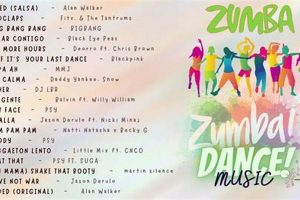
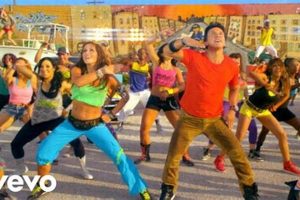
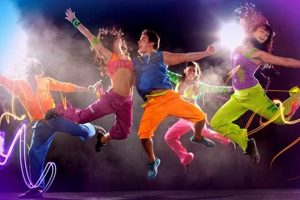
Music characterized by a rapid tempo, typically exceeding 130 beats per minute, finds frequent application within high-intensity Zumba routines. These selections often feature genres such as Latin dance, hip-hop, and electronic music, providing the energetic drive needed for a vigorous workout. The sonic pace encourages participants to maintain the rhythm and maximize caloric expenditure during the session.
The utilization of up-tempo musical compositions in fitness classes yields several advantages. It facilitates enhanced cardiovascular activity, improves coordination through rhythmic movement, and elevates overall mood and motivation. Historically, this approach has proven effective in maintaining participant engagement and fostering a dynamic exercise environment, consequently enhancing workout adherence and overall fitness outcomes. The specific selection of tracks influences the intensity and enjoyment levels experienced by participants.
The subsequent sections will delve into the characteristics of musical pieces favored in these dynamic workouts, exploring the associated advantages and offering guidance on curating an optimal playlist. Furthermore, it will examine the potential impact on performance and user experience within a Zumba setting.
Guidance on Selecting High-Tempo Musical Tracks for Zumba
The subsequent points offer guidance for fitness professionals and enthusiasts in optimizing musical choices for vigorous Zumba sessions.
Tip 1: Prioritize Rhythm Selections should possess a prominent and easily discernible beat. A strong rhythmic foundation allows participants to effortlessly synchronize their movements with the music.
Tip 2: Vary Genre Incorporation of diverse musical genres maintains participant engagement and appeals to a broad spectrum of preferences. Latin, hip-hop, and electronic influences are viable options, provided they maintain a suitable tempo.
Tip 3: Ascertain Optimal Tempo The suggested beats per minute (BPM) for dynamic Zumba routines ranges from 130 to 150. Using a metronome or BPM analyzer can facilitate accurate tempo determination.
Tip 4: Structure Playlist Progression Commence with a moderately-paced warm-up track, gradually increasing the tempo throughout the session. Conclude with a slower-paced cool-down track to facilitate muscle recovery.
Tip 5: Assess Musicality Focus should be given to the songs musicality to enhance motivation and user experience.
Tip 6: Ensure Clean Transitions Seamless transitions between musical tracks prevent abrupt interruptions and maintain the flow of the exercise routine. Utilize music editing software to create smooth transitions.
Tip 7: Confirm Licensing Compliance Utilize musical sources that adhere to copyright regulations and licensing agreements. Obtain necessary permissions for public performance and avoid unauthorized use of copyrighted material.
Adherence to these guidelines facilitates the creation of an energetic and engaging Zumba experience, optimizing participant motivation and fitness outcomes.
The concluding section will summarize the essential points regarding the selection and implementation of rhythmically driven musical tracks for successful Zumba classes.
1. Tempo
Tempo, measured in beats per minute (BPM), serves as a foundational element in the selection and application of rhythmically-driven musical pieces for vigorous Zumba classes. Its influence extends to the intensity, effectiveness, and overall participant experience within these high-energy fitness environments.
- Cardiovascular Impact
The tempo directly influences the cardiovascular demands placed upon participants. A faster tempo necessitates quicker movements, thereby elevating heart rate and maximizing caloric expenditure. This intensified cardiovascular activity is a primary objective for many individuals participating in Zumba.
- Movement Synchronization
Tempo dictates the speed at which movements must be executed to remain synchronized with the music. Appropriately paced music enables participants to maintain rhythm and coordination, leading to a more fluid and engaging workout experience. Conversely, a tempo that is too fast or too slow can disrupt synchronization and hinder performance.
- Motivational Influence
Tempo acts as a significant motivator, influencing participant energy levels and encouraging sustained effort. Up-tempo selections typically elicit a more enthusiastic response, fostering a sense of momentum and encouraging participants to push themselves further. The pacing affects not only the workout intensity but also the enjoyment derived from the session.
- Class Structure and Progression
Strategic manipulation of tempo allows for the structuring of class progressions. Warm-up tracks typically feature a slower tempo, gradually increasing throughout the peak activity phase, before tapering off again in cool-down selections. This controlled progression assists in safely preparing the body for exercise, maximizing exertion during the core workout, and facilitating a gradual return to a resting state.
In summary, careful consideration of tempo is paramount for optimizing the effectiveness and enjoyment of vigorous Zumba classes. Selection should be made ensuring participants are challenged appropriately, without sacrificing coordination or compromising safety. Optimal tempo selections are essential in fostering a dynamic and inclusive exercise environment. The choice of musical rhythm significantly shapes the user experience within Zumba classes.
2. Rhythm

Rhythm, the systematic arrangement of musical sounds and silences, forms a critical component of successful, high-energy Zumba workouts. Its presence, characterized by a discernible and repetitive beat, facilitates synchronization of movement and directly influences the effectiveness and enjoyment of the exercise routine.
- Synchronization and Coordination
Rhythm serves as the fundamental cue for synchronizing bodily movements with the music. A clear, consistent beat allows participants to align their steps and gestures, fostering a sense of unity within the class. This alignment enhances coordination and minimizes the potential for missteps, particularly in complex dance sequences. The clarity of rhythm significantly impacts the ease with which participants can execute Zumba routines. A distinct beat allows the mind and body to coordinate more easily and accurately.
- Perceived Exertion and Motivation
The rhythmic structure of musical selections influences the perception of physical exertion. Engaging rhythms can divert attention from the physical demands of the workout, making the exercise feel less strenuous. Furthermore, the rhythmic drive encourages sustained effort and enhances motivation, promoting active participation and adherence to the exercise regimen. Syncing to the rhythm can create a kind of meditative state. This is because you are focusing on movement in time to the beat. This allows the mind to temporarily escape the worries of everyday life and to focus on the present moment.
- Genre Specific Rhythmic Patterns
Varied musical genres, such as Latin dance, hip-hop, and electronic music, contribute distinct rhythmic patterns suitable for Zumba. Latin rhythms, characterized by their syncopation and emphasis on off-beats, encourage hip movements and torso rotations. Hip-hop rhythms often feature a strong downbeat, prompting dynamic, grounded movements. Electronic music may offer relentless rhythmic pulses, promoting high-intensity cardiovascular activity. Selecting appropriate genres allows the design of Zumba routines that engage various muscle groups and movement styles.
- Rhythmic Variation and Complexity
While a consistent rhythmic foundation is essential, introducing controlled rhythmic variations adds complexity and prevents monotony. Incorporating syncopation, polyrhythms, or rhythmic breaks maintains participant engagement and challenges coordination skills. However, the rhythmic complexity should be carefully balanced to avoid overwhelming less experienced participants. Skillful integration of rhythmic changes can elevate the sophistication of the Zumba experience.
In conclusion, rhythm is not merely an aesthetic element but a functional prerequisite for effective Zumba. Through its influence on synchronization, perceived exertion, and genre-specific movement styles, it plays a pivotal role in shaping the participant’s experience. The appropriate selection and skillful application of rhythmic patterns are essential for optimizing the benefits of high-energy Zumba workouts.
3. Genre

The selection of musical genre exerts a profound influence on the effectiveness and appeal of high-tempo Zumba routines. The inherent characteristics of various genres, including rhythmic patterns, instrumentation, and tempo tendencies, directly impact the physical demands, motivational aspects, and overall participant enjoyment. For example, Latin genres such as Salsa and Merengue inherently possess rhythmic structures conducive to the hip movements and partner-style steps often incorporated into Zumba. This compatibility ensures a fluid and natural integration of music and movement. Conversely, reliance solely on electronic dance music, while providing a consistent, high-tempo beat, may lack the rhythmic variation necessary to engage a diverse range of movement styles and cater to varied participant preferences. Selecting appropriate genres ensures the routine remains engaging and effective in terms of physical exertion.
The motivational impact of genre cannot be understated. A playlist predominantly composed of familiar or culturally relevant musical styles can significantly increase participant enthusiasm and adherence. For example, a Zumba class in a predominantly Latin American community might benefit from a playlist heavily weighted towards Cumbia or Reggaeton, fostering a sense of cultural connection and increasing engagement. Conversely, introducing unfamiliar genres may alienate participants, diminishing their motivation and overall satisfaction. A varied playlist incorporates various styles ensuring accessibility for all participants. Further practical considerations include licensing restrictions and the availability of suitable, high-quality tracks within each genre. Not all genres readily offer a wide selection of songs appropriate for the BPM range required for vigorous Zumba workouts. This requires careful selection and curation to avoid repetitive playlists or compromised audio quality.
In summary, the successful implementation of high-tempo musical selections hinges upon a nuanced understanding of genre characteristics and their impact on Zumba participants. Strategic genre selection optimizes both the physical and psychological benefits of the workout. A diverse selection maintains interest and caters to a broader range of preferences. Consideration of genre-specific rhythmic patterns, cultural relevance, and licensing restrictions is crucial for creating effective and engaging high-tempo Zumba routines. Challenges surrounding music licensing or the availability of suitable tracks emphasize the importance of thoughtful curation. In broad terms, appropriate genre selection is crucial for the success of “fast zumba songs”.
4. Energy

Energy, in the context of musical selection for high-tempo Zumba, represents the composite of various auditory characteristics that stimulate physiological and psychological arousal. It acts as a catalyst for physical exertion and sustained engagement, influencing the effectiveness of the workout.
- Tempo and Rhythmic Complexity
The tempo, measured in beats per minute (BPM), and the intricacies of rhythmic patterns contribute significantly to the perception of musical energy. A higher BPM typically elicits a greater sense of urgency and encourages faster movements, while complex rhythms can add to the dynamism and excitement, keeping participants mentally engaged and physically challenged. Selections lacking sufficient rhythmic variation or those characterized by overly simplistic rhythms can result in reduced motivation and decreased physical effort.
- Instrumentation and Timbre
The specific instruments employed and their associated timbral qualities play a role in conveying energy. Percussion instruments, particularly drums and other rhythmic devices, often contribute to a sense of drive and momentum. The use of synthesizers and amplified instruments can enhance perceived energy levels, particularly when combined with techniques such as distortion or equalization. In contrast, selections dominated by mellow or subdued instrumentation may fail to generate the necessary level of excitement for a high-intensity Zumba session.
- Melodic Contour and Harmonic Progression
Melodic lines characterized by upward movement and wide intervals tend to convey a sense of optimism and excitement, while those that are primarily descending or static may project a feeling of calmness or melancholy. The harmonic progressions employed in a musical selection also contribute to its perceived energy. Chord changes that are unexpected or dissonant can introduce a sense of tension and release, while predictable or consonant harmonies may lack the requisite dynamism for a high-energy workout. The use of musical bridges and modulations effectively builds excitement.
- Dynamic Range and Sonic Texture
Variations in dynamic range (the difference between the quietest and loudest parts of a song) contribute to the perception of energy. Sudden increases in volume or the introduction of new sonic elements can create a sense of surprise and excitement, while sustained periods of low dynamic range may lead to listener fatigue. The overall sonic texture of a musical selection, including its density, spatial characteristics, and the presence of effects such as reverb or delay, also influences perceived energy levels.
The strategic selection of musical pieces that incorporate a combination of these energetic elementstempo, rhythm, instrumentation, melody, dynamics, and textureis crucial for creating a high-impact and motivating Zumba experience. The optimal combination varies according to participant preferences and fitness goals; however, the underlying principle remains constant: Energy, as conveyed through musical elements, is a key driver of physical exertion and sustained engagement in high-tempo Zumba sessions. The skillful manipulation of musical variables can elevate the intensity and enjoyment of high-tempo workouts.
5. Transitions
Seamless transitions between musical pieces are paramount in the context of high-tempo Zumba routines. Abrupt shifts disrupt momentum, reducing the effectiveness of the exercise and negatively impacting participant engagement. Effective transitions maintain a continuous flow of energy, fostering a more immersive and enjoyable workout experience.
- Beatmatching and Tempo Synchronization
Beatmatching, the process of aligning the tempos of two consecutive tracks, is crucial for smooth transitions. When the BPM of the outgoing song closely matches that of the incoming song, the transition becomes imperceptible, preserving the rhythmic drive. Disparities in tempo result in jarring shifts that can disrupt coordination and diminish motivation. Advanced DJ software and techniques facilitate precise beatmatching, enabling seamless integration of diverse musical selections. The synchronization of tempo is essential for maintaining the exercise flow.
- Harmonic Mixing and Key Compatibility
Harmonic mixing considers the key of each song, ensuring that transitions occur between harmonically compatible tracks. Transitions between songs in unrelated keys can sound dissonant and unpleasant, creating a jarring effect. The use of the Camelot Wheel, a visual representation of musical keys, aids in selecting harmonically compatible tracks. Harmonic mixing adds a layer of sophistication to musical transitions, enhancing the overall listening experience. Careful consideration is required when switching between different tracks.
- Energy Flow and Dynamic Progression
Transitions should consider the energy level of each track, maintaining a consistent or gradually increasing intensity throughout the workout. Abrupt shifts from high-energy tracks to low-energy tracks can disrupt the flow and reduce motivation. Structuring transitions to create a dynamic progression, with peaks and valleys in energy levels, maximizes participant engagement and prevents monotony. Music analysis is a crucial facet of maintaining the necessary energy levels during a performance.
- Audio Editing and Fading Techniques
Audio editing techniques, such as fading and crossfading, smooth the transition between songs. Fading out the outgoing track while simultaneously fading in the incoming track creates a seamless blend, minimizing any abrupt changes in volume or intensity. More advanced techniques, such as looping and beat-juggling, add creative flair to transitions, further enhancing the participant experience. These can be done to ensure a smooth transition between musical pieces.
In summary, the artful execution of musical transitions is integral to the success of high-tempo Zumba. Beatmatching, harmonic mixing, energy flow management, and audio editing techniques contribute to a seamless and engaging workout experience. Transitions serve as a bridge between individual songs, maintaining momentum and maximizing participant enjoyment. The ability to create smooth transitions enhances motivation levels during intense workouts.
6. Licensing

The legal framework surrounding music usage, particularly licensing, constitutes a critical consideration for instructors and establishments employing musical selections for high-tempo Zumba routines. Compliance with copyright laws is not merely a formality but a legal imperative with potential ramifications for infringement. Public performance of copyrighted musical works necessitates adherence to licensing agreements.
- Public Performance Rights Organizations (PROs)
PROs, such as ASCAP, BMI, and SESAC, administer public performance rights on behalf of copyright holders. These organizations issue blanket licenses granting permission to publicly perform their members’ musical works. Zumba instructors and studios must secure appropriate licenses from PROs to legally play copyrighted music during classes. Failure to obtain such licenses constitutes copyright infringement, potentially leading to legal action and financial penalties. For example, a studio regularly playing popular high-tempo songs without the proper licensing risks facing lawsuits from copyright holders seeking compensation for unauthorized public performance.
- Synchronization Licenses
While less directly applicable to standard Zumba classes, synchronization licenses become relevant if incorporating recorded music into video productions, online streaming sessions, or promotional materials. Synchronization licenses grant permission to synchronize musical compositions with visual content. Unauthorized synchronization constitutes copyright infringement. For example, creating a promotional video featuring copyrighted “fast zumba songs” without obtaining a synchronization license from the copyright holder is a violation of copyright law.
- Mechanical Licenses
Mechanical licenses primarily pertain to the reproduction and distribution of musical works. Though typically less relevant to live Zumba classes, mechanical licenses become crucial if instructors create and distribute custom Zumba mix CDs or digital playlists containing copyrighted music. These licenses grant permission to reproduce and distribute copyrighted musical compositions in physical or digital formats. Unauthorized reproduction and distribution constitute copyright infringement. Copying high-tempo songs onto multiple CDs without the correct mechanical licenses is illegal.
- Direct Licensing Agreements
In certain instances, direct licensing agreements with copyright holders or music publishers may be negotiated. This option offers more granular control over music usage and may prove advantageous for specialized contexts or large-scale Zumba programs. While direct licensing demands more administrative effort, it potentially mitigates the reliance on blanket licenses and provides tailored usage rights. Large fitness franchises which create unique remixes might use this option.
The intersection of copyright law and “fast zumba songs” necessitates meticulous attention to licensing requirements. Zumba instructors and studios must prioritize securing appropriate licenses from PROs, obtaining synchronization licenses for video productions, and acquiring mechanical licenses for the reproduction or distribution of music. Failure to adhere to these legal obligations exposes individuals and organizations to the risk of copyright infringement litigation. Proactive compliance safeguards against legal jeopardy and fosters a respectful relationship with copyright holders. Thoroughly researching and complying with these licensing requirements ensures that the use of music is both legally sound and ethically responsible.
Frequently Asked Questions Regarding Rhythmic Musical Selections for Vigorous Exercise
The following section addresses common inquiries concerning the selection and implementation of rhythmically driven music in high-intensity Zumba environments.
Question 1: What constitutes a suitable tempo for musical selections used in dynamic exercise?
The recommended tempo range for high-intensity Zumba typically falls between 130 and 150 beats per minute (BPM). This range facilitates elevated cardiovascular activity while maintaining synchronization between movement and music.
Question 2: How does the choice of musical genre influence participant engagement in this specific exercise?
The selection of genre exerts a substantial impact on participant enthusiasm and adherence. The incorporation of diverse musical styles, such as Latin, hip-hop, and electronic, caters to varied preferences and prevents monotony.
Question 3: What strategies are advisable for creating seamless transitions between musical tracks?
Seamless transitions are achieved through beatmatching, harmonic mixing, and audio editing techniques such as fading and crossfading. These techniques maintain energy flow and prevent disruptive interruptions.
Question 4: What are the legal considerations surrounding the utilization of copyrighted music in group exercise classes?
The public performance of copyrighted musical works necessitates obtaining appropriate licenses from Public Performance Rights Organizations (PROs) such as ASCAP, BMI, and SESAC. Failure to secure such licenses constitutes copyright infringement.
Question 5: How does musical energy affect participant motivation and physical exertion?
Musical energy, a composite of tempo, instrumentation, and dynamic range, acts as a catalyst for physical exertion and sustained engagement. Higher energy levels encourage participants to exert greater effort and maintain motivation.
Question 6: What criteria should be considered when evaluating the rhythmic suitability of a musical selection?
Rhythmic suitability hinges on the presence of a clear, consistent beat that facilitates synchronization of movement. Rhythmic complexity should be balanced to challenge coordination skills without overwhelming less experienced participants.
In summary, optimizing the selection and implementation of musical pieces involves a multifaceted approach that encompasses tempo, genre, transitions, licensing, energy, and rhythmic suitability. Thoughtful consideration of these elements is crucial for creating an effective and engaging high-intensity Zumba experience.
The subsequent section provides additional resources and recommendations for selecting appropriate musical tracks.
Conclusion
The preceding exploration has illuminated the multifaceted considerations inherent in the selection and utilization of fast Zumba songs. Emphasis has been placed upon the significance of tempo, genre, rhythmic suitability, transitions, and legal compliance, underscoring the interdependence of these elements in shaping a dynamic and legally sound exercise environment.
Ultimately, a judicious and informed approach to musical curation serves not only to enhance the participant experience but also to uphold ethical and legal standards within the fitness industry. Continual diligence in navigating the evolving landscape of copyright law and musical trends remains paramount for ensuring the sustained success and integrity of Zumba programs.