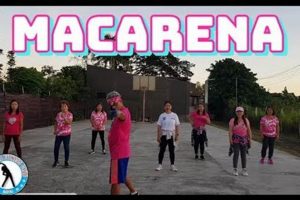
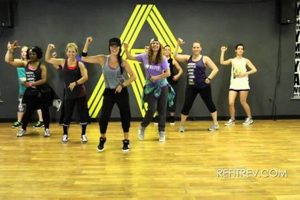
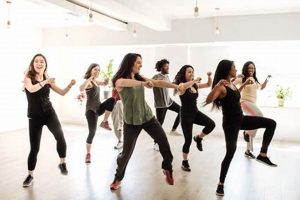
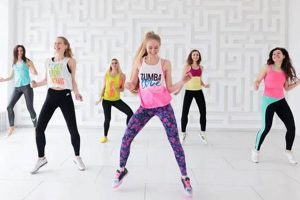
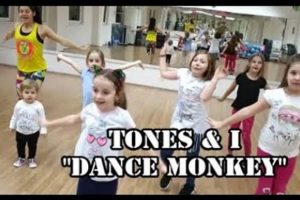
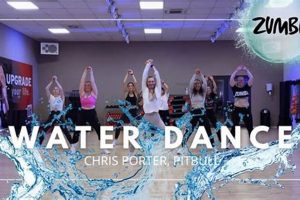
A fitness program merging Latin-inspired dance movements with cardiovascular exercise. The routines integrate various dance styles, such as salsa, merengue, and cumbia, to create an engaging and high-energy workout. For instance, a typical session might involve a combination of fast-paced salsa steps to elevate heart rate, followed by slower, more controlled merengue movements for active recovery.
This exercise approach provides numerous benefits, including improved cardiovascular health, increased muscular endurance, and enhanced coordination. Its origins can be traced to the mid-1990s, evolving from a spontaneous dance fitness class to a globally recognized program. Its accessibility and enjoyable format contribute to its sustained popularity as a method for achieving fitness goals.
The subsequent sections will delve into specific aspects of this fitness format. Topics covered will include the core movement patterns, potential health advantages, modifications for various fitness levels, and considerations for safe and effective participation.
Essential Practices for Zumba Cardio Dance
This section provides practical recommendations to optimize participation and outcomes in this exercise modality.
Tip 1: Prioritize Proper Footwear. Selecting supportive athletic shoes designed for lateral movement is crucial. Adequate cushioning reduces impact stress, while lateral support minimizes the risk of ankle injuries during dynamic dance sequences.
Tip 2: Maintain Hydration. Sustained physical activity requires adequate fluid intake. Consistent hydration throughout the session helps regulate body temperature and prevents dehydration-related fatigue and muscle cramping.
Tip 3: Learn Basic Steps. Familiarization with core dance steps, such as the salsa step and the merengue march, facilitates participation and enhances coordination. Pre-class review of fundamental movements can improve the overall experience.
Tip 4: Control Intensity Levels. Monitor perceived exertion and adjust the intensity of movements to align with individual fitness capabilities. Modifying high-impact steps to lower-impact alternatives can prevent overexertion, especially for beginners.
Tip 5: Engage Core Muscles. Consciously engaging core musculature throughout the session provides postural support and promotes spinal stability. A stable core enhances balance and reduces the risk of lower back strain.
Tip 6: Follow the Instructor. Actively observe and emulate the instructor’s form and technique to ensure proper execution of movements. Precise form maximizes the exercise’s benefits and reduces the potential for injury.
Tip 7: Cool Down Appropriately. Following the active portion of the class, perform a gradual cool-down routine that incorporates static stretching. Static stretches promote flexibility and reduce muscle soreness.
Adhering to these guidelines can promote a safer and more effective experience, maximizing the cardiovascular and musculoskeletal benefits of this dynamic fitness program.
The subsequent section will discuss the long-term benefits of incorporating this exercise type into a fitness regimen.
1. Cardiovascular Improvement

Cardiovascular improvement constitutes a primary benefit derived from participation in the fitness activity known as “zumba cardio dance.” The rhythmic and continuous nature of the exercise places significant demands on the cardiovascular system, fostering adaptations that enhance its overall efficiency and function.
- Elevated Heart Rate and Oxygen Consumption
During a typical session, participants experience a sustained elevation in heart rate, indicative of increased cardiovascular effort. This elevated heart rate drives increased oxygen consumption by the working muscles, stimulating adaptations that improve the body’s ability to deliver oxygen to tissues. This process strengthens the heart muscle and improves its capacity to pump blood.
- Enhanced Cardiac Output
Regular participation in this form of exercise leads to an increase in cardiac output, which is the volume of blood pumped by the heart per minute. This adaptation results from both an increase in stroke volume (the amount of blood pumped per heartbeat) and a slight decrease in resting heart rate. The net effect is a more efficient cardiovascular system capable of delivering more oxygen with less effort.
- Improved Vascular Function
The repetitive and rhythmic movements promote vasodilation, or the widening of blood vessels. This enhanced vascular function improves blood flow and reduces peripheral resistance, contributing to lower blood pressure over time. It also improves the elasticity of blood vessels, reducing the risk of arterial stiffness and related cardiovascular diseases.
- Reduced Risk Factors for Cardiovascular Disease
Engaging in this activity can positively impact several key risk factors associated with cardiovascular disease. These include lowering resting blood pressure, reducing levels of harmful cholesterol (LDL), increasing levels of beneficial cholesterol (HDL), and improving insulin sensitivity. These cumulative effects significantly decrease the likelihood of developing cardiovascular complications.
The multifaceted benefits of cardiovascular improvement derived from participation highlight its potential as an effective modality for enhancing cardiovascular health and reducing the risk of cardiovascular disease. The accessibility and engaging nature of the program further contribute to its appeal as a sustainable fitness option.
2. Rhythmic Coordination

Rhythmic coordination forms an indispensable component of “zumba cardio dance,” functioning as both a core skill and a direct outcome of consistent participation. The program’s effectiveness in promoting cardiovascular fitness is predicated on the execution of coordinated dance movements set to music. The inherent structure of the choreography demands that participants synchronize their movements with the underlying rhythmic patterns, thereby enhancing their ability to time and sequence motor actions. For example, executing a salsa step sequence correctly requires precise timing and coordination between the feet, hips, and arms, all synchronized to the musical beat. Failure to maintain rhythmic accuracy diminishes the cardiovascular benefits and increases the risk of missteps and potential injury. Therefore, understanding the relationship between rhythmic accuracy and effective participation is critical.
The benefits extend beyond the immediate context. Improved rhythmic coordination translates into enhanced motor skills in other domains. Daily activities such as walking, climbing stairs, or participating in other sports benefit from the refined sense of timing and body awareness cultivated through sustained “zumba cardio dance” participation. Individuals may find it easier to adapt to new movement patterns or execute complex tasks requiring precise timing. Furthermore, studies suggest a potential link between rhythmic training and cognitive function, specifically in areas related to timing and sequencing, thereby highlighting the broad practical applications of this skill developed through this exercise modality.
In summary, rhythmic coordination is not merely an adjunct to “zumba cardio dance”; it is an integral element driving its effectiveness and broader applicability. Developing this skill is essential for optimal cardiovascular benefits, injury prevention, and transferable motor skill enhancement. The challenge lies in emphasizing proper technique and progressive learning to facilitate rhythmic competence for all participants, regardless of initial skill level. This understanding underscores the importance of knowledgeable instructors who prioritize rhythmic accuracy alongside cardiovascular intensity in their teaching methodologies.
3. Calorie Expenditure

Calorie expenditure is a significant outcome of participation. The energetic nature of the dance movements inherent in the exercise contribute to a substantial caloric burn, making it a potentially effective tool for weight management and overall fitness.
- Intensity of Movements
The intensity of the dance steps significantly influences calorie expenditure. High-impact movements, such as jumps and leaps, require more energy than low-impact steps. A session that incorporates a variety of high and low-intensity intervals maximizes calorie burn throughout the duration of the class. Examples of high-intensity segments include fast-paced salsa routines, while low-intensity segments might involve slower cumbia steps. The proportion of high-intensity segments directly impacts the total caloric cost of the activity.
- Duration of Activity
The length of time spent actively participating affects the overall caloric cost. Longer sessions naturally lead to higher calorie expenditure. A standard session typically lasts between 45 and 60 minutes, but the total calories burned will increase proportionally with longer class times, assuming consistent intensity is maintained. This makes it possible to adapt sessions to suit various fitness goals.
- Individual Metabolic Rate
Individual metabolic rate plays a crucial role in determining the precise number of calories burned. Factors such as age, sex, body composition (muscle mass versus fat mass), and genetics influence an individual’s resting metabolic rate (RMR), which is the number of calories burned at rest. Individuals with higher RMRs tend to burn more calories during physical activity, including sessions. Thus, calorie expenditure during a session is highly individualized.
- Exercise Post-Oxygen Consumption (EPOC)
Also known as the “afterburn effect,” EPOC refers to the increased oxygen consumption that occurs after exercise has ceased. High-intensity exercises, such as some sessions, tend to produce a greater EPOC effect. This means that the body continues to burn calories at an elevated rate for a period of time after the workout is finished. The magnitude of EPOC depends on the intensity and duration of the session, contributing to the total caloric expenditure beyond the active period.
In summary, calorie expenditure during sessions is a multifaceted process influenced by movement intensity, duration, individual metabolic rate, and the EPOC effect. While it provides a means to manage weight, individuals should not rely solely on the activity for weight loss; an appropriate diet and balanced lifestyle should be taken into account. The program should be viewed as part of a holistic approach to fitness and well-being.
4. Social Interaction

Social interaction is an integral, yet often understated, element of “zumba cardio dance”. Beyond the physical benefits, the group-based nature of these sessions fosters a sense of community and shared experience, contributing significantly to participant motivation and adherence.
- Community Building
The group fitness setting provides an environment conducive to community building. Participants share the experience of learning new dance steps, working towards fitness goals, and enjoying music together. These shared experiences facilitate the formation of social bonds, often extending beyond the confines of the class itself. For example, participants may organize social gatherings outside of class, fostering a sense of belonging and mutual support.
- Shared Motivation and Encouragement
The presence of others can significantly boost motivation and adherence to the fitness program. Participants often draw encouragement from their peers, observing their progress and receiving positive reinforcement. A shared sense of accomplishment, such as mastering a challenging dance sequence, further strengthens social bonds and motivates individuals to continue participating. This dynamic can be particularly beneficial for individuals who struggle with self-motivation.
- Reduced Feelings of Isolation
Group fitness classes can combat feelings of isolation, particularly for individuals who may lack social connections in other areas of their lives. The structured social interaction inherent in the setting provides opportunities for regular contact with others, fostering a sense of belonging and social support. This can have a positive impact on mental well-being and overall quality of life.
- Enhanced Adherence
The social aspect of “zumba cardio dance” can significantly increase adherence to the fitness program. Individuals are more likely to attend classes consistently when they feel a sense of connection to other participants. The social accountability and enjoyment derived from the group setting can outweigh the challenges of maintaining a regular exercise routine, leading to long-term participation and sustained fitness benefits.
The multifaceted social benefits contribute significantly to the appeal and effectiveness. The program is not merely an exercise regimen; it is a social activity fostering community, motivation, and overall well-being. The social element underscores the importance of considering the broader context of group fitness and its potential to address both physical and social needs.
5. Muscular Endurance

Muscular endurance, defined as the ability of a muscle or group of muscles to sustain repeated contractions against resistance over an extended period, is a critical component of the physical benefits derived from consistent participation in “zumba cardio dance.” The repetitive nature of dance movements challenges muscles to maintain performance without succumbing to fatigue, thereby fostering improvements in muscular endurance. This adaptation translates into enhanced functional capacity and overall physical fitness.
- Repetitive Movement Patterns
The core choreography of “zumba cardio dance” consists of repetitive dance steps and movement sequences. These repetitions engage specific muscle groups for extended durations. For example, maintaining a wide stance during salsa steps requires sustained activation of the quadriceps and gluteal muscles. The repeated contractions contribute to increased capillary density within the muscles, improving oxygen delivery and delaying the onset of fatigue. The accumulation of repetitions forms the foundation for enhanced muscular endurance.
- Low to Moderate Resistance
While it does not typically involve external weights, provides inherent low to moderate resistance. The body’s own weight serves as the primary source of resistance, particularly during movements that challenge balance and stability. Maintaining proper posture throughout the session, for instance, requires continuous activation of core musculature. This sustained activation improves the muscles’ ability to resist fatigue and maintain force production over time. The resistance enhances the endurance potential of involved muscle groups.
- Core Stabilization and Postural Control
Effective performance relies on core stabilization and postural control. The core muscles, including the abdominals, obliques, and lower back muscles, play a crucial role in maintaining spinal stability and balance during dynamic dance movements. Continuous engagement of these muscles throughout the session contributes to improved muscular endurance in the core region. Strong core muscles enhance the ability to perform movements efficiently and reduce the risk of injury. Core stabilization is essential for maximizing benefits.
- Cardiovascular and Muscular Integration
The program integrates cardiovascular and muscular demands. The sustained cardiovascular challenge requires muscles to work continuously for extended periods, fostering adaptations that improve their ability to utilize oxygen and energy efficiently. As cardiovascular fitness improves, the muscles receive a greater supply of oxygenated blood, delaying the onset of fatigue and enhancing muscular endurance. The integration of cardiovascular and muscular systems contributes to a synergistic training effect.
In conclusion, the repetitive movements, low to moderate resistance, emphasis on core stabilization, and integration of cardiovascular and muscular demands promote significant improvements in muscular endurance. These adaptations contribute to enhanced functional capacity, reduced risk of injury, and improved overall physical fitness for individuals participating in “zumba cardio dance”. Muscular endurance should be emphasized alongside technique to maximize gains.
Frequently Asked Questions
This section addresses common inquiries and misconceptions regarding participation in Zumba Cardio Dance, providing clear and concise answers to promote informed decision-making.
Question 1: Is Zumba Cardio Dance suitable for individuals with no prior dance experience?
Yes, Zumba Cardio Dance is designed to be accessible to individuals of all fitness levels, including those with no prior dance experience. The routines emphasize basic steps and repetitive movements, allowing participants to gradually learn and adapt. Modifications are often provided to accommodate varying levels of fitness and coordination.
Question 2: What are the primary benefits of participating in Zumba Cardio Dance?
The principal benefits include improved cardiovascular health, increased muscular endurance, enhanced coordination, and calorie expenditure. The activity also provides a social outlet and can contribute to stress reduction. It’s a multifaceted approach to fitness.
Question 3: What type of footwear is recommended for Zumba Cardio Dance?
Supportive athletic shoes designed for lateral movement are recommended. Such shoes provide adequate cushioning to minimize impact stress and lateral support to reduce the risk of ankle injuries during dynamic dance sequences. Avoid shoes with excessive grip, which can impede lateral movement.
Question 4: How can the intensity of Zumba Cardio Dance be adjusted to suit individual fitness levels?
Intensity can be adjusted by modifying high-impact steps to lower-impact alternatives, reducing the range of motion, and controlling the pace of movements. Listening to the body and taking breaks when needed are also crucial for managing intensity effectively. Adjustments are essential for comfort and safety.
Question 5: Are there any specific health conditions that would preclude participation in Zumba Cardio Dance?
Individuals with pre-existing musculoskeletal injuries, cardiovascular conditions, or other significant health concerns should consult with a healthcare professional before participating. Pregnancy may also warrant modifications or exclusion from certain movements. Prior medical clearance is advisable.
Question 6: What is the recommended frequency and duration of Zumba Cardio Dance sessions for optimal results?
For optimal results, it is generally recommended to participate in Zumba Cardio Dance sessions at least three times per week, with each session lasting between 45 and 60 minutes. Consistency is key to achieving and maintaining fitness benefits. Regularity is more important than duration.
In summary, Zumba Cardio Dance is a versatile and adaptable fitness activity that can provide a range of physical and social benefits. Informed participation and appropriate modifications are crucial for maximizing its effectiveness and minimizing potential risks.
The following section will explore alternative exercise modalities offering similar benefits.
In Conclusion
This exploration has elucidated the multifaceted nature of Zumba Cardio Dance. From its origins as a fusion of Latin-inspired dance and cardiovascular exercise to its impacts on cardiovascular health, muscular endurance, and social interaction, the activity presents a holistic approach to fitness. Key elements, including rhythmic coordination, calorie expenditure, and core stabilization, underscore the importance of proper technique and informed participation.
The presented information aims to provide individuals with a comprehensive understanding of Zumba Cardio Dance, facilitating informed decisions regarding its integration into a fitness regimen. Continued adherence to established guidelines and consideration of individual health conditions remain paramount for safe and effective participation. Further research may explore the long-term impacts and potential applications within diverse populations.