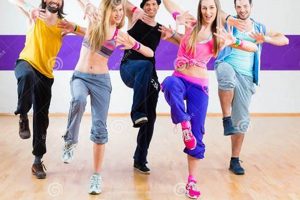
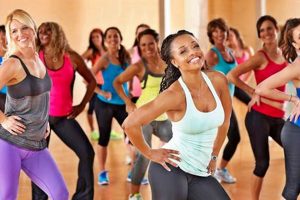
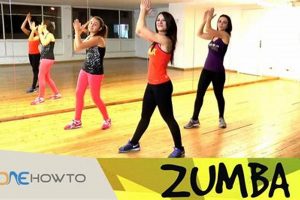
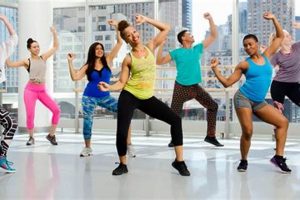
Dance-based fitness programs offer a variety of approaches to exercise, merging cardiovascular activity with rhythmic movements. Two popular options are Zumba and Dance Fit. Zumba emphasizes Latin-inspired music and dance steps, creating a party-like atmosphere. Dance Fit encompasses a broader range of dance styles, incorporating elements of hip-hop, jazz, and contemporary dance into its routines, often focusing on more structured choreography.
The increasing popularity of dance-based fitness reflects a shift towards enjoyable and engaging workout methods. Such programs provide not only physical benefits like improved cardiovascular health, muscular endurance, and coordination but also contribute to psychological well-being through stress reduction and enhanced mood. The historical context of this trend reveals a move away from purely functional exercise towards activities that promote both physical and mental fitness.
The following sections will detail the specific characteristics, benefits, and potential drawbacks of each program. A comparison of class structure, intensity levels, and target audiences will provide a clearer understanding of the differences and similarities between these two dynamic fitness options.
Guidance on Selecting a Dance Fitness Program
Choosing the appropriate dance-based fitness class requires careful consideration of individual preferences and fitness goals. The following tips aim to provide objective guidance in making an informed decision.
Tip 1: Evaluate Musical Preferences: Zumba heavily relies on Latin rhythms. Dance Fit employs a more diverse playlist, encompassing various genres. Assess which musical style is more personally motivating.
Tip 2: Consider Choreographic Complexity: Zumbas routines often involve repetitive and relatively simple steps. Dance Fit classes may include more intricate choreography, demanding greater coordination and memorization.
Tip 3: Assess Intensity Level: While both programs offer cardiovascular benefits, the intensity can vary. Zumbas continuous movement typically maintains a moderate to high intensity. Dance Fit may incorporate periods of lower activity depending on the choreographic style.
Tip 4: Research Instructor Qualifications: Regardless of the program, the instructors expertise significantly impacts the experience. Verify certifications and seek reviews to ensure competent guidance.
Tip 5: Trial Classes are Essential: Before committing to a specific program, attend trial classes of both Zumba and Dance Fit. This allows for firsthand assessment of the environment, teaching style, and overall enjoyment.
Tip 6: Define Fitness Goals: Determine specific fitness objectives. If the goal is primarily cardiovascular improvement and weight management, either program can be effective. If developing dance skills and coordination is a priority, Dance Fit might be more suitable.
Tip 7: Consider Class Availability and Schedule: Practical factors such as class times, location, and cost should be weighed. Choose a program that realistically fits into the existing schedule and budget.
Adhering to these guidelines will facilitate the selection of a dance fitness program that aligns with individual needs, enhancing the likelihood of long-term adherence and achievement of desired fitness outcomes.
In the final section, the long-term effects and considerations for maintaining a sustainable dance fitness routine will be discussed.
1. Musicality
Musicality is a fundamental element differentiating dance-based fitness programs. The selection of music dictates not only the enjoyment level but also influences the style of movement, overall intensity, and therefore, the potential fitness benefits derived from Zumba and Dance Fit classes.
- Zumba’s Latin Rhythms
Zumba’s foundation lies in Latin American music genres, including salsa, merengue, cumbia, and reggaeton. This consistent use of vibrant, high-energy rhythms inspires specific dance steps that are integral to the Zumba experience. The inherent syncopation and repetitive beats encourage participants to engage in hip movements, shimmies, and quick footwork, directly influencing the cardiovascular intensity and the muscle groups targeted during the workout. This stylistic consistency offers a predictable and familiar environment for participants.
- Dance Fit’s Genre Diversity
In contrast, Dance Fit distinguishes itself through a broader selection of musical genres. Classes may incorporate pop, hip-hop, R&B, electronic dance music (EDM), and even country music. This diverse range allows for a greater variety of dance styles within a single class or across different class sessions. The shift in musical genres translates to varied movements, allowing for exploration of hip-hop grooves, jazz-inspired isolations, and contemporary dance sequences. This versatility challenges participants to adapt to different tempos, rhythms, and movement qualities.
- Impact on Participant Motivation
Music’s impact on motivation and adherence to a fitness program cannot be overstated. A participant’s personal preference for a particular genre can significantly influence their engagement and enjoyment. Individuals drawn to Latin music may find Zumba inherently more appealing and motivating, leading to increased consistency in attendance. Conversely, those with broader musical tastes or a preference for current pop hits may find Dance Fit’s variety more stimulating and less prone to monotony.
- Influence on Choreographic Structure
The selection of music directly dictates the choreographic structure of each program. Zumba relies on pre-set choreographies that are frequently refreshed but remain within the framework of Latin dance styles. Dance Fit, on the other hand, allows for greater flexibility in choreographic design, with instructors often creating routines that are tailored to the specific music being used. This difference impacts the complexity of the routines, with Zumba typically being easier to follow and Dance Fit potentially requiring greater coordination and memorization skills.
The contrasting approaches to musicality in Zumba and Dance Fit offer distinct experiences. Zumba delivers a consistent, high-energy Latin-themed workout, while Dance Fit provides a dynamic and varied dance experience across multiple genres. Understanding these differences is crucial for prospective participants to choose a program that aligns with their musical preferences and fitness goals, ultimately contributing to sustained engagement and long-term adherence.
2. Choreography

Choreography represents a primary differentiating factor between dance-based fitness programs. The structure, complexity, and focus of choreographed routines significantly impact the participant’s learning curve, physical exertion, and overall experience within either Zumba or Dance Fit classes.
- Zumba’s Pre-Set Routines
Zumba typically employs pre-set choreographies for its songs, often distributed by the Zumba organization to certified instructors. This standardization ensures a consistent experience across different Zumba classes, irrespective of the location or instructor. The routines emphasize repetitive movements and simple steps, prioritizing ease of learning and immediate participation. This approach minimizes the need for complex memorization or advanced dance skills, making it accessible to a wider range of fitness levels.
- Dance Fit’s Instructor-Driven Choreography
Dance Fit, conversely, often features choreography created by individual instructors. This allows for greater flexibility and customization based on the instructor’s expertise and the chosen musical genre. Routines may incorporate more complex steps, intricate formations, and varied dance styles, demanding greater coordination and cognitive engagement from participants. The level of difficulty and stylistic approach can differ significantly between classes depending on the instructor’s background and preferences.
- Cognitive Demand and Skill Development
The choreographic differences influence the cognitive demands placed on participants. Zumba’s repetitive nature promotes muscle memory and reduces the need for constant mental processing. Dance Fit, with its varying choreography, challenges participants to learn new steps and adapt to different movement patterns regularly. This fosters greater cognitive flexibility and enhances dance skill development over time. Participants seeking a mental challenge and a desire to learn diverse dance styles might find Dance Fit more appealing.
- Impact on Physical Exertion and Focus
Choreography affects physical exertion. Zumba’s continuous movement maintains a consistent cardiovascular intensity, even if the steps are relatively simple. Dance Fit’s routines may incorporate bursts of high-intensity movements interspersed with periods of lower activity, depending on the choreography. Furthermore, the complexity of the choreography can impact focus. Zumba allows participants to focus primarily on the physical aspect of the workout, while Dance Fit requires greater mental concentration to master the routines.
In conclusion, the choreographic approach in dance-based fitness classes, exemplified by Zumba’s standardized, simple routines and Dance Fit’s instructor-driven, complex choreography, profoundly influences accessibility, cognitive engagement, and physical exertion. Understanding these differences is crucial for individuals to select a program that aligns with their fitness goals, skill level, and preferred learning style.
3. Intensity

Intensity serves as a key differentiator between dance-based fitness programs, significantly influencing cardiovascular exertion, caloric expenditure, and overall physiological impact. Within dance-based fitness, Zumba classes generally maintain a consistent, moderate-to-high intensity throughout the duration of the session. The continuous movement, driven by Latin-inspired rhythms, elevates heart rate and sustains it within a target training zone, promoting cardiovascular conditioning. For instance, a typical Zumba class might involve sustained periods of fast-paced steps and rhythmic body movements, leading to an elevated heart rate and significant caloric burn. This makes Zumba suitable for individuals seeking a relatively consistent and sustained cardiovascular workout.
In contrast, Dance Fit classes often incorporate variable intensity levels depending on the choreographic structure and musical selection. Routines might alternate between periods of high-energy, fast-paced sequences and segments of lower-impact or slower movements. This fluctuating intensity can provide a form of interval training, which is effective for improving both aerobic and anaerobic fitness. A Dance Fit class might transition from a high-energy hip-hop segment to a more controlled jazz-inspired routine, causing heart rate fluctuations and engaging different muscle groups in varying capacities. The adaptability of Dance Fit allows instructors to cater to diverse fitness levels by modifying the intensity of specific movements.
Understanding the intensity levels associated with each program allows prospective participants to make informed decisions aligned with their individual fitness goals and physical capabilities. For individuals seeking a consistently challenging cardiovascular workout, Zumba may be more appropriate. Conversely, those preferring a more varied intensity profile or a routine that incorporates elements of interval training might find Dance Fit more suitable. Recognizing these intensity nuances is critical for selecting a dance-based fitness program that maximizes benefits while minimizing the risk of overexertion or injury. The long-term implications of consistent training at specific intensity levels should be carefully considered when choosing between these distinct approaches.
4. Instructor Expertise

Instructor expertise directly influences the safety, effectiveness, and overall experience within both Dance Fit and Zumba programs. In Dance Fit, an instructor’s deep knowledge of various dance styles is crucial for designing routines that are not only engaging but also biomechanically sound. For example, an instructor lacking proper training in hip-hop dance might inadvertently lead participants to perform movements that strain joints or promote poor posture. Similarly, in Zumba, while the choreography is often pre-set, the instructor’s ability to cue movements clearly, provide modifications for different fitness levels, and maintain a safe environment is paramount. Without adequate training, an instructor may fail to recognize incorrect form, potentially leading to participant injury. The quality of the workout, regardless of the program, is inextricably linked to the instructor’s competence and attention to detail.
The impact of instructor expertise extends beyond injury prevention. A skilled Zumba instructor can effectively convey the energy and cultural nuances of Latin dances, creating an immersive and motivating atmosphere. Conversely, a less-skilled instructor may simply lead participants through the motions without fostering a sense of cultural connection or enthusiasm. In Dance Fit, a knowledgeable instructor can provide insightful feedback on technique, helping participants improve their dance skills and gain a deeper appreciation for the art form. For instance, a Dance Fit instructor with a background in ballet may offer valuable corrections on posture and alignment, enhancing both the aesthetic and functional benefits of the workout. Certification alone does not guarantee expertise; continuous professional development and a genuine passion for dance and fitness are essential.
Ultimately, the success of Dance Fit and Zumba programs relies heavily on the expertise and dedication of the instructors. Participants should seek instructors with relevant certifications, demonstrable experience, and positive reviews. The difference between a mediocre and exceptional class often hinges on the instructor’s ability to create a safe, supportive, and engaging environment that fosters both physical and mental well-being. Prioritizing instructor expertise ensures a more rewarding and effective dance fitness experience, minimizing risks and maximizing potential benefits. Therefore, verifying instructor qualifications and observing teaching styles are critical steps in selecting a suitable dance-based fitness program.
5. Accessibility

Accessibility significantly influences participant engagement in dance-based fitness programs. The ease with which individuals can participate, both physically and logistically, plays a crucial role in determining the long-term success of either Dance Fit or Zumba for any given individual.
- Class Availability and Location
The prevalence and geographical distribution of classes directly impact accessibility. If Zumba classes are widely available in community centers and gyms, it becomes easier for individuals to integrate them into their schedules. Conversely, if Dance Fit classes are primarily offered in specialized dance studios located in less accessible areas, participation may be limited. Class times must also be considered; offerings that accommodate varied work schedules and lifestyles enhance inclusivity.
- Cost and Financial Considerations
The cost structure of fitness programs affects their accessibility to diverse socioeconomic groups. Zumba classes may be offered at lower price points through community programs or gym memberships. Dance Fit classes, particularly those taught by specialized instructors or held in dance studios, may command higher fees. Financial barriers can significantly limit participation, particularly for individuals with limited disposable income.
- Physical Adaptability and Modifications
The degree to which programs can be adapted to accommodate varying fitness levels and physical limitations determines their inclusivity. Zumba often provides modifications for individuals with joint problems or limited mobility, making it accessible to a wider range of participants. Dance Fit, with its potentially more complex choreography, may require greater physical aptitude. Instructors’ willingness and ability to provide modifications and adaptations are critical for ensuring inclusivity.
- Language and Cultural Sensitivity
Language proficiency and cultural sensitivity play a role in accessibility, particularly in diverse communities. Zumba, with its Latin-inspired music and movements, may appeal to individuals with cultural connections to those rhythms. Dance Fit, with its broader range of musical styles, may offer wider cultural appeal but requires instructors to be sensitive to diverse cultural backgrounds. Language barriers can hinder participation if instructions are not clear or if translations are not provided.
Ultimately, accessibility encompasses a multifaceted set of considerations that influence the participation rates and inclusivity of Dance Fit and Zumba programs. Addressing these factors is crucial for promoting equitable access to the health benefits of dance-based fitness and ensuring that these programs are available to a broad range of individuals, regardless of their physical abilities, financial resources, or cultural backgrounds.
6. Fitness Goals
The alignment of individual fitness goals with the characteristics of dance-based programs significantly impacts participant satisfaction and long-term adherence. Consideration of specific objectives is paramount in determining whether Zumba or Dance Fit is the more suitable option.
- Cardiovascular Improvement and Weight Management
Both Zumba and Dance Fit offer effective means of improving cardiovascular health and managing weight. However, Zumba’s continuous movement and emphasis on high-energy Latin rhythms may result in a higher average heart rate, potentially leading to greater caloric expenditure during a single session. For individuals prioritizing these outcomes, Zumba might be the preferential choice. Conversely, Dance Fit’s variable intensity, incorporating periods of lower activity, may be more sustainable for individuals with lower initial fitness levels or those seeking a less demanding workout.
- Dance Skill Development and Coordination
Dance Fit, with its incorporation of diverse dance styles and often more complex choreography, provides a greater opportunity for developing specific dance skills and improving coordination. Individuals seeking to enhance their dance technique or learn various dance forms might find Dance Fit more appealing. Zumba, while promoting rhythm and coordination, primarily focuses on executing simple, repetitive movements in a fun and engaging manner. The emphasis is less on technical proficiency and more on overall participation and enjoyment.
- Muscle Toning and Strength Building
While dance-based fitness is primarily cardiovascular in nature, both Zumba and Dance Fit engage various muscle groups. However, neither program is specifically designed for significant strength building. Dance Fit, with its potential for incorporating elements of bodyweight training or resistance exercises, may offer a slightly greater emphasis on muscle toning. For individuals prioritizing muscle hypertrophy or significant strength gains, supplemental resistance training is recommended in conjunction with either program.
- Stress Reduction and Mental Well-being
Both Zumba and Dance Fit contribute to stress reduction and enhanced mental well-being through the release of endorphins and the positive social interaction inherent in group fitness classes. The energetic music and festive atmosphere of Zumba may be particularly effective in promoting mood elevation and reducing stress. Dance Fit, with its focus on learning new skills and mastering complex choreography, may provide a greater sense of accomplishment and cognitive engagement, further contributing to mental well-being.
In summary, selecting between Zumba and Dance Fit requires a careful evaluation of individual fitness objectives. While both programs offer substantial health benefits, their distinct characteristics cater to different priorities. Individuals seeking a high-energy, cardiovascular workout with a focus on fun and accessibility may prefer Zumba. Those prioritizing dance skill development, coordination, and a varied workout experience may find Dance Fit more suitable. Combining either program with other forms of exercise, such as resistance training or yoga, can provide a more comprehensive approach to achieving overall fitness goals.
7. Adaptability
Adaptability represents a critical factor when evaluating dance-based fitness programs. The capacity of both Zumba and Dance Fit to accommodate diverse needs, abilities, and preferences significantly impacts their suitability and sustained engagement.
- Modification of Movements
Both programs require instructors to modify movements to suit participants with varying fitness levels, physical limitations, or injuries. Zumba, with its standardized routines, often provides pre-designed modifications. For example, low-impact alternatives can be offered for jumping jacks or high-intensity steps. Dance Fit, with its instructor-driven choreography, demands that instructors creatively adapt routines on the spot to accommodate diverse needs. This might involve simplifying complex steps or substituting movements that place less stress on particular joints. The effectiveness of these modifications is paramount to inclusivity.
- Intensity Level Adjustment
Adaptability extends to adjusting the intensity level to match individual capabilities. Zumba, while generally maintaining a moderate-to-high intensity, can be modified by reducing the range of motion, decreasing the speed of movements, or incorporating more rest periods. Dance Fit, with its variable choreography, allows for more nuanced adjustments in intensity. Instructors can select music and routines that are inherently less demanding or modify existing routines to incorporate periods of lower activity. The ability to tailor intensity ensures that participants can safely and effectively participate regardless of their current fitness level.
- Accommodation of Skill Levels
Adaptability also involves accommodating varying skill levels within a class. Zumba, with its focus on simple, repetitive movements, is generally more accessible to beginners. However, instructors can provide modifications or variations to challenge more advanced participants. Dance Fit, with its potentially complex choreography, may require instructors to break down steps into smaller, more manageable segments, providing clear cues and offering individual assistance to those who are struggling. The goal is to create an environment where participants of all skill levels feel comfortable and supported.
- Musical and Choreographic Versatility
Adaptability extends to the instructor’s ability to adjust the musical selection and choreographic style to meet the preferences of the participants. While Zumba is primarily rooted in Latin rhythms, instructors may incorporate variations or remixes to cater to diverse tastes. Dance Fit, with its greater flexibility in musical selection, allows instructors to tailor playlists to the specific preferences of the class. Similarly, instructors can modify the complexity and style of choreography to align with the skill level and interests of the participants. This versatility enhances engagement and promotes a more personalized fitness experience.
Ultimately, the adaptability of Zumba and Dance Fit programs hinges on the skills and sensitivity of the instructors. The ability to modify movements, adjust intensity, accommodate skill levels, and tailor musical and choreographic styles is crucial for creating an inclusive and effective fitness environment. Evaluating the degree to which instructors prioritize adaptability is a key factor in selecting a dance-based fitness program that meets individual needs and promotes sustained participation.
Frequently Asked Questions
This section addresses common inquiries regarding the distinctions and suitability of Dance Fit and Zumba as fitness modalities.
Question 1: Is prior dance experience required to participate effectively in Dance Fit or Zumba?
Prior dance experience is not a prerequisite for either program. Zumba emphasizes simplified steps and repetitive movements, prioritizing accessibility for individuals of all fitness levels. Dance Fit, while potentially incorporating more complex choreography, also caters to beginners, with instructors typically offering modifications and breakdowns of movements.
Question 2: Which program is more effective for rapid weight loss?
The effectiveness of either program for weight loss depends on individual factors such as caloric intake, consistency of participation, and overall fitness level. Both Zumba and Dance Fit provide cardiovascular benefits and contribute to caloric expenditure. However, Zumba’s continuous, high-energy movements may result in slightly greater caloric burn during a single session. Consultation with a qualified healthcare professional or registered dietitian is recommended for personalized weight management advice.
Question 3: Are Dance Fit or Zumba appropriate for individuals with joint problems or mobility limitations?
Both programs can be adapted to accommodate individuals with joint problems or mobility limitations. It is crucial to inform the instructor of any physical limitations prior to participation. Low-impact modifications can be implemented, and certain movements can be avoided to minimize stress on affected joints. Consulting with a physician or physical therapist is recommended before commencing any new exercise program.
Question 4: What are the primary differences in musical styles between Dance Fit and Zumba?
Zumba predominantly utilizes Latin-inspired music, including salsa, merengue, cumbia, and reggaeton. Dance Fit incorporates a broader range of musical genres, potentially including pop, hip-hop, R&B, and electronic dance music. This difference in musical styles influences the choreographic approach and overall class atmosphere.
Question 5: How can one determine the qualifications and experience of a Dance Fit or Zumba instructor?
Instructor qualifications should be verified prior to participating in a class. Zumba instructors typically possess a Zumba Instructor Training certificate. Dance Fit instructors may hold certifications in various dance styles, group fitness, or personal training. Inquiring about their experience and seeking reviews from other participants can provide further insights into their expertise.
Question 6: Which program offers a greater emphasis on developing dance technique and skill?
Dance Fit provides a greater emphasis on developing dance technique and skill due to its incorporation of diverse dance styles and often more complex choreography. Zumba primarily focuses on executing simple, repetitive movements in a fun and engaging manner, with less emphasis on technical proficiency.
The selection of Dance Fit or Zumba should be based on individual preferences, fitness goals, and physical capabilities. Trial classes are recommended to assess personal suitability.
The subsequent section will address strategies for maintaining a sustainable dance fitness routine and maximizing long-term benefits.
Dance Fit vs. Zumba
This exploration of dance fit vs zumba reveals distinct attributes, highlighting variations in musicality, choreographic structure, intensity levels, and instructor expertise. These differences influence accessibility, suitability for specific fitness goals, and overall adaptability for diverse participant needs. The comparative analysis underscores the importance of aligning individual preferences and objectives with the specific characteristics of each program.
The decision to engage in dance fit or zumba should stem from a comprehensive understanding of personal fitness aspirations and a realistic assessment of program attributes. Continued participation requires careful consideration of sustainability, long-term benefits, and potential integration with broader fitness strategies. Prioritizing informed choices ensures a rewarding and health-promoting experience.