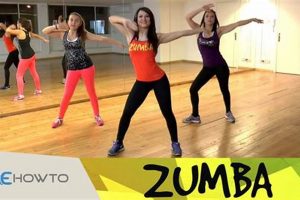
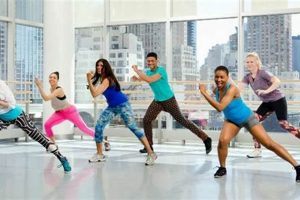
Zumba encompasses various fitness programs that incorporate dance and aerobic movements performed primarily to Latin American music. Each format tailors the intensity, pace, and specific dance styles to meet the needs and preferences of diverse populations, resulting in specialized fitness experiences. These variations provide options for individuals of all ages and fitness levels to participate and enjoy the benefits of a dance-based workout.
The adaptability of these programs makes them accessible and effective for improving cardiovascular health, muscle toning, coordination, and overall well-being. The energetic and social nature of the classes fosters a supportive environment, contributing to increased motivation and adherence. The diverse musical influences and dance styles incorporated enhance the overall experience, making fitness enjoyable and engaging.
The following sections will detail ten distinct variations, exploring their unique characteristics and target audiences. Each is designed to provide a different approach to fitness, leveraging the power of music and movement.
Guidance on Zumba Variations
Selecting the appropriate Zumba class requires careful consideration of individual fitness levels, health conditions, and personal preferences. Understanding the nuances of each format enhances the exercise experience and maximizes potential benefits.
Tip 1: Zumba Fitness: This foundational program establishes the core rhythms and movements. Participants new to dance fitness should begin here to develop a solid base.
Tip 2: Zumba Gold: Designed for active older adults, this variation modifies the intensity and impact of movements. Individuals with joint issues or mobility limitations should consider this option.
Tip 3: Zumba Toning: Incorporating light weights adds a strength training element. Ensure proper form and controlled movements to prevent injury.
Tip 4: Aqua Zumba: Conducted in a pool, this low-impact option is beneficial for those with injuries or seeking a gentler workout. Water resistance provides an added challenge.
Tip 5: Zumba Step: The inclusion of step aerobics increases the cardio intensity and challenges the lower body. Proper foot placement and stable stepping techniques are crucial.
Tip 6: Zumba Kids & Zumba Kids Jr.: Tailored to younger age groups, these versions simplify the choreography and incorporate age-appropriate music. Focus on fun and engagement rather than strict adherence to form.
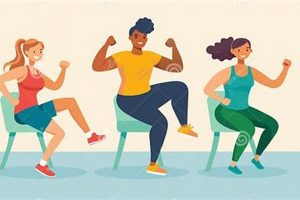
Tip 7: Zumba Sentao: Utilizes a chair as a dance partner to enhance core strength and stability. Secure the chair and maintain proper posture throughout the workout.
Tip 8: Strong Nation (formerly Zumba Strong): This high-intensity interval training (HIIT) program synchronizes music with specific muscle movements. Prior fitness experience is recommended.
By understanding the distinct characteristics of each class, individuals can select a program that aligns with their fitness goals and physical capabilities. Modifications can be made to accommodate individual needs and limitations.
The information provided serves as a guide to exploring the various classes. Consulting with a qualified fitness professional is recommended before beginning any new exercise regimen.
1. Target Audience
The intended demographic significantly shapes the design and execution of each Zumba format. Understanding the target audience is crucial to grasping the purpose and distinguishing features of diverse variations.
- Age and Physical Condition
Age and physical condition are primary determinants of suitability. Zumba Gold adapts routines for active older adults, modifying intensity and impact to accommodate age-related physical limitations. Conversely, Strong Nation targets physically fit individuals seeking a challenging high-intensity workout.
- Fitness Goals
Specific fitness goals drive the selection of particular formats. Zumba Toning incorporates weights to enhance muscle strength and definition, while Aqua Zumba provides a low-impact cardiovascular workout. The chosen format directly aligns with the desired outcome.
- Experience Level
Prior experience with dance or fitness influences the appropriate starting point. Zumba Fitness serves as an introductory class for beginners, establishing fundamental movements and rhythms. More complex formats, such as Zumba Step, require a higher level of coordination and cardiovascular fitness.
- Specific Needs and Limitations
Variations address specific needs and limitations. Aqua Zumba caters to individuals with joint problems or injuries, providing a low-impact alternative. Zumba Sentao modifies exercises to enhance core strength and stability utilizing a chair.
Targeting specific demographics ensures participant safety, optimizes workout effectiveness, and fosters a sense of community. The diverse range of classes allows individuals to select a program aligned with their capabilities and goals, maximizing the benefits derived from these dance fitness formats.
2. Intensity Level

The diverse array of Zumba programs offers a spectrum of intensity levels, each tailored to specific fitness goals and physical capabilities. Understanding the intensity profile is critical in determining the suitability of a particular variation.
- Cardiovascular Demand
Cardiovascular demand represents a primary determinant of intensity. Variations like Zumba Fitness and Zumba Step elevate heart rate significantly, promoting cardiovascular health and calorie expenditure. Conversely, Aqua Zumba provides a lower impact alternative with reduced cardiovascular strain, making it suitable for individuals with joint issues or those seeking a less strenuous workout.
- Impact on Joints
Joint impact varies considerably among formats. High-impact movements, such as jumping and plyometrics, are prevalent in Zumba Fitness and Strong Nation. These actions may be unsuitable for individuals with pre-existing joint conditions. Aqua Zumba minimizes joint stress due to the buoyancy of water, providing a gentler workout option. Zumba Gold also modifies movements to reduce joint impact, catering to the needs of active older adults.
- Muscular Engagement
Muscular engagement differs depending on the incorporated movements and techniques. Zumba Toning incorporates light weights, increasing muscular strength and endurance. Strong Nation synchronizes movements with music, emphasizing specific muscle groups in a high-intensity interval training format. Zumba Sentao, utilizing a chair, challenges core strength and stability through modified exercises.
- Metabolic Rate
The metabolic rate, or the rate at which the body burns calories, is directly influenced by the intensity level. High-intensity programs, such as Strong Nation, result in a greater caloric expenditure compared to low-intensity programs like Zumba Gold. Individuals aiming for weight loss or improved metabolic function may benefit from higher intensity classes, while those prioritizing recovery or gentle activity may opt for lower intensity alternatives.
These facets of intensity level provide a framework for selecting the most appropriate among the ten. Consideration of individual fitness levels, health conditions, and desired outcomes ensures safe and effective participation. Selecting the right format facilitates enjoyment and adherence, maximizing the overall fitness benefits.
3. Music Styles
The essence of each type of dance lies substantially in its musical foundation. The selection and application of specific musical genres are not arbitrary; rather, they constitute a fundamental element that shapes the overall experience, intensity, and target demographic. The different music style directly influence the movements, rhythms, and energy levels associated with each of the ten variations. For example, Zumba Fitness heavily relies on Latin rhythms like salsa, merengue, cumbia, and reggaeton, promoting energetic and dynamic movements. Aqua Zumba may incorporate slower tempos and modified rhythms to accommodate the aquatic environment. Strong Nation, a high-intensity interval training program, synchronizes its movements with electronic dance music (EDM) and similar genres to create a challenging and synchronized workout experience.
The importance of music styles extends beyond mere accompaniment; it dictates the types of movements incorporated and the overall fitness outcomes. Classes for children, such as Zumba Kids and Zumba Kids Jr., incorporate age-appropriate pop music to maintain engagement and simplify choreography. Zumba Gold, designed for active older adults, utilizes familiar Latin and international tunes with adjusted tempos to accommodate reduced mobility and stamina. The selection of music directly influences participants’ enjoyment, motivation, and adherence to the program. The careful tailoring of the musical landscape facilitates a targeted and effective approach to dance fitness.
In summary, musical styles serve as a critical component that defines the character and functionality of each of the ten formats. Understanding the influence of music styles enhances selection and participant experience, and helps to ensure a targeted and effective approach to dance fitness. The music styles directly influences enjoyment, motivation, and adherence to the program, thereby increasing the likelihood of sustained participation and fitness benefits.
4. Movement Focus

Movement Focus is a defining characteristic that distinguishes the various types of Zumba dance, dictating the exercises performed, the muscle groups engaged, and the overall fitness outcomes achieved. The choreography and movement patterns are intentionally designed to target specific areas of fitness, catering to diverse needs and preferences.
- Cardiovascular Endurance
Cardiovascular endurance is a primary focus in formats like Zumba Fitness and Zumba Step, which feature high-energy routines with continuous movement. These classes elevate the heart rate and improve overall cardiovascular health. Conversely, Aqua Zumba, while still cardiovascular, emphasizes low-impact movements that are gentler on the joints.
- Muscle Toning and Strength
Muscle toning and strength are emphasized in Zumba Toning, where light weights are incorporated to enhance muscle definition. In contrast, Zumba Sentao utilizes a chair to challenge core strength and stability through various seated and standing exercises. Strong Nation, while primarily a HIIT workout, also incorporates movements designed to build muscular strength and endurance.
- Flexibility and Mobility
Flexibility and mobility are implicitly addressed in all Zumba formats, as the dance movements promote a wider range of motion. However, certain variations may place a greater emphasis on these aspects. The warm-up and cool-down routines typically include stretching exercises to improve flexibility and reduce the risk of injury. Older adults may find the adaptive routines in Zumba Gold to be beneficial for maintaining mobility.
- Coordination and Balance
Coordination and balance are integral components of Zumba, as the routines involve complex steps and rhythmic movements. Zumba Step, in particular, challenges coordination due to the incorporation of step aerobics. Zumba Gold focuses on simpler movements and modifications to improve coordination and balance in active older adults, reducing the risk of falls.
The intentional design of movement patterns to achieve specific fitness goals is a defining feature of Zumba, tailoring classes to various populations and fitness levels. Understanding the movement focus of each variation enables individuals to choose a program that aligns with their needs and preferences, maximizing the overall fitness benefits. Each format, from high-energy cardio to strength-focused routines, harnesses the power of dance to promote physical well-being.
5. Equipment Used
The utilization of specific equipment significantly differentiates several Zumba variations, directly influencing the intensity, focus, and target demographic of the class. The presence or absence of equipment alters the nature of the workout, transforming the type of movements performed and the physical demands placed upon participants. Consequently, understanding the role of equipment is critical in selecting a Zumba format aligned with individual fitness goals and physical capabilities. Zumba Toning, for instance, integrates light weights, typically ranging from 1 to 3 pounds. These weights enhance muscle endurance and definition, adding a strength training component absent in standard Zumba Fitness classes. Similarly, Zumba Sentao utilizes a chair as a prop, enabling participants to perform exercises that challenge core strength, stability, and balance. The chair provides support for certain movements while also increasing the intensity of others. Aqua Zumba, conducted in a swimming pool, leverages the natural resistance of water. While the water itself is not equipment in the traditional sense, it functions as a resistance medium, reducing impact on joints while simultaneously increasing muscular effort. Finally, Zumba Step incorporates an aerobic step platform. The step elevates the intensity of the workout, challenges the lower body, and increases caloric expenditure.
The impact of equipment on the structure and focus of classes is multifaceted. In Zumba Toning, instructors must ensure participants maintain proper form while using weights to prevent injuries. The choreography is adapted to accommodate the weights, focusing on controlled movements and muscle engagement. In Zumba Sentao, the chair becomes an integral part of the dance routine, requiring participants to coordinate their movements with the prop. The instructor guides participants on proper chair placement and posture to maximize benefits and minimize risks. In Aqua Zumba, the instructor must adapt the movements to account for water resistance and buoyancy. The reduced impact of water allows for a wider range of motion but also requires participants to maintain core engagement for stability. The equipment fundamentally changes the nature of the exercises and requires instructors to possess specialized knowledge and skills. The absence of equipment in basic Zumba Fitness is a deliberate choice. The goal is to create a universally accessible dance fitness program that does not require any specialized tools or prerequisites.
In summary, the choice to incorporate or exclude equipment constitutes a fundamental aspect that defines each of the variations. These inclusions alters the exercises performed, muscle groups engaged, and physical demands placed upon participants. Careful consideration is required when evaluating these programs. Understanding how these adjustments shape the overall experience is essential for ensuring effective and safe participation.
6. Modifications Offered
The availability of modifications is a critical element that shapes the accessibility and inclusivity of the different dance formats. These adjustments allow individuals with varying fitness levels, physical limitations, or specific needs to participate effectively and safely. Understanding the types of modifications offered within each variation is essential for selecting a suitable program and maximizing its benefits.
- Intensity Adjustments
Intensity adjustments represent a primary category of modifications. Instructors can modify the amplitude and speed of movements to reduce the cardiovascular demand and impact on joints. Low-impact options, such as stepping instead of jumping, are commonly offered. For example, during a high-energy routine, participants can choose to march in place or perform smaller steps to maintain a lower intensity. These adjustments are particularly relevant in Zumba Gold, where the focus is on accommodating active older adults and individuals with mobility limitations.
- Movement Simplification
Movement simplification involves breaking down complex choreography into simpler steps or reducing the range of motion required. Instructors may demonstrate modified versions of steps that are easier to follow or less demanding on coordination. In Zumba Kids, the choreography is specifically simplified to suit the developmental stage of children, focusing on basic movements and repetitive patterns. This allows children of all ages to participate effectively without feeling overwhelmed.
- Postural Adaptations
Postural adaptations cater to individuals with physical limitations or injuries. Instructors may provide guidance on maintaining proper alignment and posture during exercises. In Aqua Zumba, the buoyancy of water necessitates modifications to ensure stability and control. For example, participants may need to engage their core muscles more actively to maintain balance in the water. Similarly, in Zumba Sentao, the chair serves as a prop for both support and modification, allowing participants to perform exercises that might otherwise be inaccessible.
- Equipment Variations
Equipment variations refer to adjustments made in the use of weights or other equipment. In Zumba Toning, participants can choose to use lighter weights or perform exercises without weights altogether, depending on their strength and fitness level. In Zumba Step, the height of the step platform can be adjusted to increase or decrease the intensity of the workout. These modifications allow participants to tailor the equipment to their individual needs and capabilities, ensuring a safe and effective experience.
The provision of modifications ensures that participants of all abilities can engage effectively. Understanding the modifications offered, alongside other criteria, allows individuals to choose a dance format that promotes both enjoyment and physical well-being. This ultimately enhances the likelihood of adherence and long-term engagement in dance fitness activities.
7. Class Duration

Class duration constitutes a key variable in defining the structure and effectiveness of each of the variations. While a standard class may run for approximately 60 minutes, variations exist to accommodate different schedules, fitness levels, and target demographics. This temporal element is not arbitrary; it is carefully considered in conjunction with intensity level, movement focus, and music styles to optimize participant engagement and achieve desired fitness outcomes. A shorter class, for example, may necessitate a higher-intensity format to deliver comparable benefits within the compressed timeframe. Conversely, longer classes may incorporate lower-intensity segments to promote sustained participation and reduce the risk of overexertion. Zumba Gold classes, specifically designed for active older adults, might be shorter to account for lower stamina levels. Strong Nation, known for its high-intensity interval training format, may also employ shorter durations due to the demanding nature of the workout.
The relationship between class duration and program design extends beyond mere scheduling considerations. It impacts the warm-up, workout, and cool-down segments, each of which plays a crucial role in preparing the body for activity and facilitating recovery. Longer classes allow for more extensive warm-up and cool-down routines, promoting flexibility, reducing injury risk, and enhancing overall well-being. The specific content of the workout segment, including the selection and sequence of movements, must be carefully calibrated to align with the allotted time. Instructors must possess the skills to adapt the routine to fit the time constraint, ensuring participants receive a comprehensive and balanced fitness experience. The temporal aspect also interacts with music styles, as the chosen music must support the intended intensity and flow of the workout, from energizing rhythms during high-intensity segments to calming melodies during cool-down periods.
Understanding the impact of class duration on effectiveness enables informed decision-making regarding participation. It also provides insights for designing tailored fitness programs that meet individual needs and preferences. In essence, a carefully calibrated class duration optimizes participant engagement and contributes to achieving desired fitness outcomes, reinforcing the integral role of this temporal element in the overall design of the variations. Therefore, class duration, like any fitness routines must be monitored to avoid exhaustion.
Frequently Asked Questions
This section addresses common inquiries regarding the diverse range of Zumba formats, providing clarity on their unique characteristics and suitability for different individuals.
Question 1: Are all Zumba formats equally suitable for beginners?
No. While Zumba Fitness serves as an introductory class, other variations such as Zumba Step or Strong Nation may require a higher level of fitness and coordination. Beginners should assess their capabilities and consider starting with Zumba Fitness or Zumba Gold.
Question 2: Can Zumba be an effective workout for weight loss?
Yes. The high-energy nature of many Zumba formats can contribute to significant calorie expenditure, aiding in weight loss when combined with a balanced diet. Higher intensity variations like Zumba Fitness and Strong Nation are particularly effective.
Question 3: Is Zumba Gold exclusively for elderly individuals?
Zumba Gold is specifically designed for active older adults and those with mobility limitations. While primarily targeted toward this demographic, individuals of any age with similar needs may find it beneficial.
Question 4: Does Aqua Zumba provide the same cardiovascular benefits as land-based classes?
Aqua Zumba offers significant cardiovascular benefits with reduced impact on joints. The water resistance provides an added challenge, while the buoyancy minimizes stress on the musculoskeletal system.
Question 5: What equipment is required for Zumba Toning?
Zumba Toning typically utilizes light weights, ranging from 1 to 3 pounds. Participants can adjust the weight according to their strength and fitness level. Use of hand weights is optional; the movements can be performed without weights.
Question 6: Are modifications available in all Zumba formats?
Yes. Reputable instructors offer modifications to accommodate varying fitness levels and physical limitations. Participants are encouraged to communicate their needs and concerns to the instructor.
Understanding these distinctions enhances the overall experience. Choosing the appropriate class facilitates optimal participation and desired fitness goals.
The subsequent section will explore the benefits and considerations of selecting each Zumba dance class. This exploration aims to deliver the most suitable options and maximize results.
Conclusion
This exploration of “what are the 10 types of zumba dance” has revealed a diverse landscape of fitness options. The key differentiatorstarget audience, intensity, music, movement, equipment, modifications, and class durationprovide a framework for informed decision-making. Each variation serves a specific purpose, catering to distinct needs and promoting varied fitness outcomes.
The continued evolution of fitness programs emphasizes the importance of informed participation. Exploring available resources and consulting qualified professionals ensures a safe and effective approach to achieving individual wellness goals. The understanding of these dance options serves as a foundation for pursuing physical activity, promoting health, and cultivating a sustained commitment to a well-rounded fitness regime.