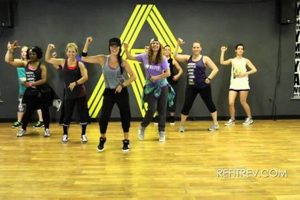
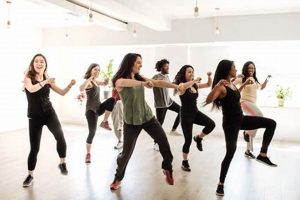
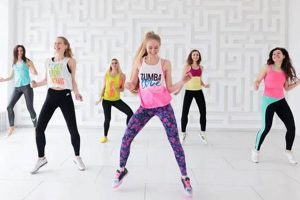
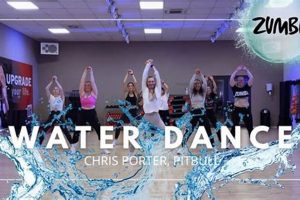
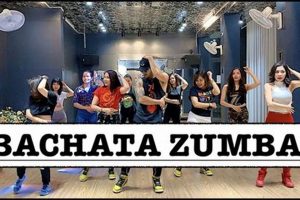
Zumba is a fitness program that combines Latin and international music with dance moves. It integrates principles of interval training, alternating between high-intensity and low-intensity rhythms to improve cardiovascular fitness. A class typically incorporates various dance styles such as salsa, merengue, cumbia, and reggaeton, creating a dynamic and engaging workout experience.
The activity offers numerous benefits, including improved cardiovascular health, increased muscular endurance, and enhanced coordination. Historically, its origins can be traced to a fitness instructor who improvised a class routine when he forgot his traditional aerobics music. This spontaneous adaptation led to the development of a widely popular exercise format known for its accessible and enjoyable approach to physical fitness. The low barrier to entry makes it suitable for a wide range of ages and fitness levels.
The following sections will delve into the specific health advantages, explore different styles incorporated within sessions, and provide guidance on how to find suitable classes or online resources. Further analysis will cover the impact on communities and its role in promoting active lifestyles.
Guidance on Engaging with Zumba Fitness
The following offers practical guidance to ensure a safe and effective experience with Zumba fitness activities.
Tip 1: Hydrate Adequately: Consume sufficient water before, during, and after a session to maintain hydration levels and support optimal physiological function.
Tip 2: Wear Appropriate Attire: Opt for clothing that allows for unrestricted movement and breathable materials to manage body temperature during physical exertion. Proper athletic shoes, offering adequate support and cushioning, are crucial to prevent injuries.
Tip 3: Start Slowly and Gradually Increase Intensity: Begin with beginner-level classes to acclimate to the movements and build a foundation. Progress to more challenging routines as fitness levels improve, avoiding overexertion.
Tip 4: Listen to the Body: Pay close attention to any signs of discomfort or pain. Modify movements or take breaks as needed to prevent injuries. Do not push beyond individual physical limits.
Tip 5: Learn Basic Steps: Prior to joining a class, familiarize oneself with fundamental steps used in common dance styles incorporated into a session. This will aid in following the instructor and maximizing the workout benefits.
Tip 6: Ensure Adequate Space: When participating in a class or following online routines, secure sufficient space to perform movements safely without risk of collision with surrounding objects or individuals.
Tip 7: Prioritize Proper Warm-up and Cool-down: Engage in a thorough warm-up prior to beginning the routines to prepare muscles for activity. Conclude with a cool-down to gradually lower heart rate and improve flexibility.
Adhering to these guidelines will contribute to a safer and more beneficial integration of Zumba into one’s fitness regimen.
The subsequent segments will discuss the long-term effects, adaptations for individuals with physical limitations, and explore the role within community health initiatives.
1. Rhythmic Choreography

Rhythmic choreography forms the bedrock of the exercise program, dictating the sequence and style of movements performed. Its presence transforms a standard workout into an engaging dance-fitness experience. Without structured rhythmic patterns, the format would devolve into unstructured exercise, losing its defining characteristic. For example, a class typically integrates salsa steps during high-intensity intervals and merengue during recovery phases, all dictated by a pre-determined choreographed routine. This deliberate combination of steps not only provides physical benefits but also maintains participant interest and adherence.
The role of rhythmic choreography extends beyond mere entertainment. It ensures the exercise targets specific muscle groups effectively. Instructors utilize precise sequences to improve cardiovascular fitness and muscular endurance. The planned nature of the choreography also reduces the risk of injury by promoting controlled movements and preventing erratic or sudden strain. Additionally, this design facilitates inclusivity, allowing participants of varying skill levels to follow the routine at their own pace. Experienced instructors often provide modifications, maintaining the overall rhythmic integrity of the class while accommodating individual physical needs.
In summation, rhythmic choreography is not simply a decorative element but an integral component of its identity and effectiveness. Its influence spans from dictating movement patterns and enhancing engagement to preventing injuries and accommodating various skill levels. Understanding this symbiotic relationship provides deeper insights into the advantages and benefits of the fitness program.
2. Interval Training

Interval training forms a critical component of the Zumba program, contributing substantially to its overall effectiveness as a fitness modality. The incorporation of alternating periods of high-intensity and low-intensity exertion is instrumental in maximizing cardiovascular benefits. A Zumba class strategically integrates fast-paced dance routines, such as those based on salsa or reggaeton, during high-intensity intervals, thereby elevating heart rate and increasing caloric expenditure. These segments are then interspersed with lower-intensity recovery periods, often utilizing dance styles like cumbia or merengue, which allow participants to actively recover while maintaining momentum. This fluctuating rhythm of exertion and rest replicates the principles of interval training, leading to improved aerobic capacity and enhanced fat burning.
The impact of interval training within this context extends beyond basic cardiovascular improvements. It promotes metabolic adaptation, enabling the body to more efficiently process and utilize energy. For instance, the high-intensity phases stimulate the production of lactic acid, which, during recovery periods, the body works to clear. This process trains the body to become more efficient at removing metabolic waste products, thereby delaying fatigue and improving endurance. Furthermore, the unpredictable nature of the dance moves, combined with the alternating intensity levels, challenges coordination and cognitive function, adding an element of mental stimulation to the physical workout. Participants must continuously adapt to changing rhythms and step patterns, reinforcing the brain-body connection and enhancing motor skills.
In summary, interval training is inextricably linked to the effectiveness of Zumba as a comprehensive fitness program. By strategically incorporating periods of high and low intensity, this dance-fitness format achieves a balance between cardiovascular conditioning, metabolic adaptation, and cognitive stimulation. The dynamic interplay of dance and interval training offers a multifaceted approach to fitness, making it an accessible and engaging option for individuals seeking both physical and mental well-being.
3. Latin-Inspired Music

Latin-inspired music serves as the rhythmic foundation upon which the movements are built, making it an indispensable component of the Zumba fitness program. Its influence extends beyond mere background accompaniment, shaping the tempo, energy, and cultural identity of the experience.
- Tempo and Intensity Modulation
The rhythmic structure dictates the intensity of movement. Faster tempos, characteristic of genres like salsa and reggaeton, elicit high-energy routines designed to elevate heart rates and maximize calorie expenditure. Slower rhythms, typical of cumbia or bachata, are strategically employed during recovery phases, allowing participants to actively recuperate while maintaining momentum. Thus, tempo directly correlates with the physical demands of the workout.
- Choreographic Inspiration
Dance styles such as salsa, merengue, cumbia, and reggaeton inform the choreography. Instructors derive step patterns and movement sequences directly from these genres. For instance, a salsa track might inspire a series of quick footwork patterns and turns, whereas a cumbia rhythm might prompt a swaying, circular motion. The music provides the blueprint for the physical expressions within the class.
- Cultural Immersion and Engagement
By incorporating Latin musical forms, Zumba fosters an environment of cultural exploration. Participants engage with diverse rhythms and melodies, which can enhance their appreciation for Latin American traditions. This cultural immersion not only enriches the workout experience but also can create a sense of community among participants with shared interests in music and dance.
- Motivational Enhancement
The infectious energy inherent in Latin music significantly boosts motivation and adherence. The upbeat tempos and engaging melodies create a positive emotional state, making the workout feel less like a chore and more like a celebratory dance. This heightened motivation contributes to consistent participation and ultimately, improved fitness outcomes.
These facets collectively illustrate that Latin-inspired music is not merely an aesthetic choice but a functional element that dictates the intensity, choreography, cultural identity, and motivational power. Its multifaceted role positions it as essential for ensuring both enjoyment and effectiveness.
4. Group Fitness Dynamic

The group fitness dynamic constitutes a significant element that shapes both the experience and the outcomes within the exercise context. It functions as a catalyst, influencing motivation, adherence, and social interaction. Within a Zumba class, the collective energy of participants moving in sync to Latin rhythms creates a unique environment distinct from solitary workouts. This environment can inspire individuals to push beyond perceived limitations, contributing to enhanced physical exertion. The shared experience also fosters a sense of camaraderie, which, in turn, strengthens commitment to the program. For instance, a participant might be more inclined to attend a class regularly knowing that they will be among familiar faces, thereby adhering to the exercise regimen more consistently.
Furthermore, the group fitness setting provides opportunities for observational learning and social support. Individuals can learn new steps or techniques by watching others, enhancing skill acquisition. Moreover, the shared challenges and successes within a class can foster mutual encouragement and accountability. Participants often form bonds, sharing their fitness journeys and offering support during difficult phases. This sense of belonging can be particularly beneficial for individuals who may otherwise struggle with motivation or self-discipline. A real-world example includes community-based Zumba classes, where participants from diverse backgrounds come together not only to exercise but also to socialize and form connections, turning a fitness activity into a social event.
In summation, the group fitness dynamic is more than a peripheral aspect of Zumba; it is an integral factor that contributes to its appeal and effectiveness. The shared experience, social support, and opportunities for observational learning collectively enhance motivation, adherence, and skill acquisition. Understanding this dynamic is practically significant because it highlights the potential of leveraging social factors to improve exercise outcomes and promote overall well-being. Addressing challenges such as individual differences in fitness levels and ensuring inclusivity for all participants are critical for optimizing the benefits of the group fitness environment. The impact extends to public health initiatives, underscoring the role of community-based exercise programs in fostering active lifestyles.
5. Calorie Expenditure

Calorie expenditure constitutes a primary measurable outcome of participation in Zumba fitness programs. The intensity and duration of a session directly influence the quantity of calories burned. The varied dance styles and incorporation of interval training contribute to a fluctuating energy demand, maximizing caloric output. For example, a 60-minute Zumba class can result in an average energy expenditure of 300 to 900 calories, contingent upon individual factors such as body weight, fitness level, and intensity of participation. The integration of rhythmic movements, coupled with periods of high-intensity activity, elevates metabolic rate, thereby promoting sustained energy consumption even after the session concludes. This elevated calorie expenditure, when combined with a balanced diet, contributes significantly to weight management and overall metabolic health.
The practical significance of understanding calorie expenditure within the context of Zumba lies in its ability to inform personalized fitness strategies. Individuals can tailor their participation based on their specific goals. For instance, those seeking weight loss may opt for more frequent or longer sessions, while individuals focused on maintaining fitness could engage in shorter, less intense routines. Furthermore, this awareness empowers participants to make informed dietary choices, balancing caloric intake with expenditure to achieve desired results. It also enables health professionals to provide evidence-based recommendations, integrating the activity into comprehensive weight management programs. A real-world example involves fitness centers using calorie expenditure estimates from Zumba classes to design personalized diet and exercise plans for their clients.
In summary, calorie expenditure represents a tangible and quantifiable benefit derived from engaging in a Zumba fitness regimen. The connection between activity and metabolic outcome offers practical implications for weight management, fitness planning, and dietary adjustments. While the exact number of calories burned varies depending on several factors, the underlying principle remains consistent: the activity promotes a significant energy expenditure, contributing to overall health and well-being. Addressing challenges such as accurately measuring individual calorie burn and ensuring inclusivity for all fitness levels remains crucial for maximizing the potential of this format as a public health tool.
Frequently Asked Questions About Zumba Dance
The following section addresses commonly asked questions pertaining to Zumba, aiming to clarify misconceptions and provide informative answers.
Question 1: What constitutes Zumba?
Zumba is a fitness program combining Latin and international music with dance movements. It integrates interval training, alternating between high-intensity and low-intensity rhythms.
Question 2: What are the principal benefits associated with regular participation?
Regular participation yields several benefits, including enhanced cardiovascular health, improved muscular endurance, increased coordination, and potential calorie expenditure.
Question 3: Is prior dance experience a prerequisite for engaging?
Prior dance experience is not a prerequisite. Classes are designed to accommodate various skill levels, with instructors often providing modifications for beginners.
Question 4: What types of attire are suitable for participation?
Suitable attire includes comfortable clothing that allows for unrestricted movement and athletic shoes that provide adequate support and cushioning.
Question 5: Are there any potential risks or precautions to consider?
Potential risks include musculoskeletal injuries. Precautions involve proper warm-up and cool-down routines, adequate hydration, and listening to the body’s signals to avoid overexertion.
Question 6: What is the typical duration of a standard session?
A standard session generally lasts between 45 to 60 minutes, inclusive of warm-up and cool-down periods.
These answers aim to clarify common inquiries about Zumba. Participation can yield significant benefits when approached with appropriate precautions and understanding.
The next segment will explore adaptations for individuals with physical limitations, and explore the role within community health initiatives.
Conclusion
This exploration “about zumba dance” has elucidated its core components, benefits, and practical applications. The analysis has demonstrated its multifaceted nature, encompassing rhythmic choreography, interval training, Latin-inspired music, a dynamic group setting, and significant calorie expenditure. Each element contributes to a holistic fitness experience that extends beyond mere physical exercise.
The knowledge presented offers a foundational understanding of this fitness modality and provides guidance for effective and safe participation. Continued research and community engagement are essential for optimizing its impact on public health and promoting accessible fitness opportunities. As participation evolves, a commitment to inclusivity and evidence-based practices will ensure sustained benefits for diverse populations.