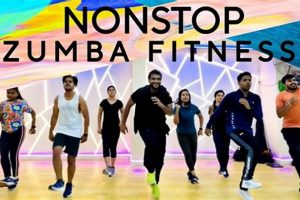
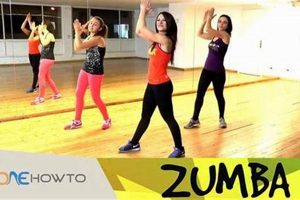
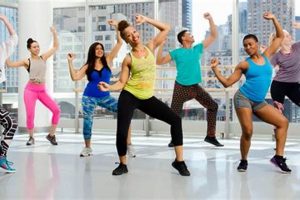
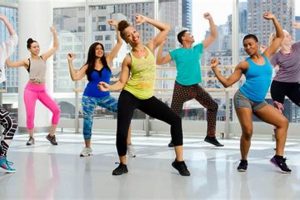
The fusion of Latin-inspired music and aerobic exercise creates a fitness activity that offers a comprehensive workout experience. This activity combines the elements of dance and fitness, typically structured as a class where participants follow an instructor’s choreography to various rhythms and tempos. The activity’s routines integrate interval training, resistance training, and basic dance steps to provide a full-body workout. As an illustration, a session might involve alternating between high-intensity salsa moves and slower, more controlled reggaeton steps.
Participating in such activity can promote cardiovascular health, improve coordination, and boost overall fitness levels. Its appeal stems from its engaging and social nature, differentiating it from traditional workout formats. Originating in the late 1990s, it quickly gained popularity worldwide due to its accessible routines and ability to cater to a broad range of fitness levels and age groups. This accessible structure allows many to pursue increased physical well-being.
The following sections will delve into specific aspects of this popular fitness activity, including the techniques involved, the equipment used, the benefits derived from participation, and the considerations for individuals with specific health conditions. It will also address aspects such as certification for instructors, appropriate class etiquette, and available modifications for varying fitness levels, providing a comprehensive guide to understanding this multifaceted physical pursuit.
Guidelines for Effective Zumba Dance Training
This section provides essential guidelines to maximize the benefits and minimize potential risks associated with engaging in Zumba dance training. Adherence to these recommendations can contribute to a safer and more rewarding experience.
Tip 1: Prioritize Proper Warm-Up: Before commencing any Zumba dance training session, dedicate sufficient time to perform a thorough warm-up. This prepares the muscles for the upcoming physical exertion and reduces the likelihood of injury. Incorporate dynamic stretching exercises such as arm circles, leg swings, and torso twists.
Tip 2: Maintain Hydration: Consistent hydration is crucial throughout the training process. Consume water before, during, and after the session to maintain optimal bodily function and prevent dehydration. A general guideline is to drink at least 8 ounces of water every 15-20 minutes during exercise.
Tip 3: Wear Appropriate Attire: Choose clothing that allows for unrestricted movement and breathability. Opt for moisture-wicking fabrics to keep the body dry and comfortable. Additionally, select supportive athletic shoes with good traction to prevent slips and falls.
Tip 4: Listen to the Body: Pay close attention to physical sensations and avoid pushing beyond comfortable limits. If experiencing pain or discomfort, immediately cease the activity and seek guidance from a qualified instructor or medical professional.
Tip 5: Modify Movements as Needed: Zumba dance training routines often involve high-impact movements. Individuals with joint issues or other physical limitations should modify these movements to suit their capabilities. Lower-impact alternatives can be obtained from an instructor.
Tip 6: Focus on Proper Form: Maintaining correct posture and form is essential to prevent injuries and maximize the effectiveness of each movement. Engage core muscles and focus on alignment throughout the session. Observation of experienced participants or a review of instructional materials is beneficial.
Tip 7: Gradual Progression: Avoid attempting advanced routines prematurely. Progress gradually from beginner-level classes to more challenging ones as fitness levels improve. This approach minimizes the risk of strain and allows for a more sustainable training regimen.
Implementing these guidelines ensures a safer and more productive engagement in Zumba dance training, leading to improved fitness outcomes and a reduced risk of injuries.
The subsequent sections will explore the specific benefits associated with participation, as well as considerations for integrating this training modality into a broader fitness plan.
1. Cardiovascular Enhancement

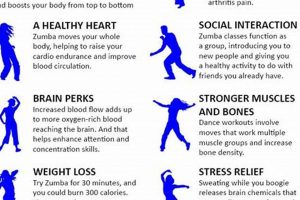
Zumba dance training, by its very nature, elicits a significant cardiovascular response. The continuous movement, characterized by varying intensities and rhythms, elevates heart rate and increases oxygen consumption. This heightened physiological state directly strengthens the cardiac muscle, improves blood circulation, and enhances the efficiency of the cardiovascular system. The correlation between participation in regularly scheduled sessions and a decrease in resting heart rate is indicative of improved cardiovascular fitness. For example, consistent participants often exhibit increased stamina and decreased shortness of breath during other physical activities, demonstrating the practical benefits of cardiovascular conditioning through this training modality.
The cardiovascular benefits are further amplified by the integration of interval training principles within the routines. Periods of high-intensity dance moves are interspersed with moments of active recovery, creating an interval-like stimulus that challenges the cardiovascular system to adapt and improve its capacity. Furthermore, the sustained aerobic activity promotes the burning of calories and the reduction of body fat, both of which are key factors in maintaining optimal cardiovascular health. Consider the example of a sedentary individual who integrates three weekly sessions into their routine. Over time, this individual may experience a measurable improvement in blood pressure, cholesterol levels, and overall cardiovascular function, thus minimizing risk of heart disease and other related conditions.
In summary, cardiovascular enhancement is a primary and demonstrably beneficial outcome of Zumba dance training. The sustained aerobic activity, combined with interval training elements, stimulates positive adaptations within the cardiovascular system. This, in turn, contributes to improved heart health, increased endurance, and a reduced risk of cardiovascular diseases. While various forms of exercise offer cardiovascular benefits, the engaging and social nature of this particular training approach can be a significant motivator for sustained participation, thereby maximizing its long-term impact on cardiovascular well-being.
2. Rhythm and Coordination

Rhythm and coordination are fundamental components integrated within Zumba dance training. The activity’s core structure revolves around synchronized movements performed to music with distinct rhythmic patterns. Consistent exposure to varying tempos and musical styles necessitates that participants develop an acute sense of timing and the ability to coordinate limb movements in accordance with the beat. The routines are specifically designed to challenge and enhance these skills, contributing to improvements in motor control and kinesthetic awareness. In effect, the synchronized movements enforced by the rhythms of the music serves as the scaffolding upon which participant learns and strengthens its sense of rhythm and coordinated movement.
Consider the practical application of these enhanced skills outside the training environment. Improved coordination translates directly to enhanced performance in other physical activities requiring agility and precision, such as sports or other forms of dance. Heightened rhythmic awareness can also influence other areas of life, such as musical performance or even simply improving gait and posture. Moreover, the cognitive benefits are significant. The process of learning and executing dance steps in coordination with the music requires mental focus and improves cognitive processing speed. The complex sequences inherent in the routines demand attention and memory recall, thereby sharpening cognitive functions. For example, mastering a sequence requires continuous mental processing, strengthening neural pathways that are crucial for learning and memory.
In conclusion, the emphasis on rhythm and coordination within Zumba dance training extends beyond mere aesthetic considerations. These elements are intrinsically linked to tangible improvements in motor skills, cognitive function, and overall physical well-being. While challenging at first, persistent engagement in the activity fosters a progressive development of these abilities, leading to measurable enhancements in both physical and mental capabilities. This interplay is a key aspect that sets it apart from other fitness modalities, contributing to its widespread appeal and sustained popularity.
3. Calorie Expenditure

Calorie expenditure is a central outcome of physical activity, and is a primary driver behind its popularity in weight management and overall health. The energy expended during activity is a key measure to assess how beneficial activity can be towards health and wellness goals. Zumba dance training, with its combination of aerobic exercise and dance movements, presents a specific context for understanding calorie consumption.
- Intensity and Metabolic Rate
The intensity of the dance routine directly impacts the metabolic rate, increasing the bodys demand for energy. High-energy movements, such as jumps, fast steps, and dynamic arm movements, require more oxygen and fuel, thereby elevating calorie burn. For example, a participant maintaining a consistently high level of activity throughout a 60-minute class can achieve a significantly higher calorie expenditure compared to someone with lower intensity.
- Duration of Training Session
The total length of training session is important in dictating the calorie burn. Longer sessions provide more opportunities to expend energy, facilitating greater calorie deficits when paired with appropriate dietary considerations. For example, extending a class from 45 minutes to 60 minutes could lead to an increase in calorie expenditure, supporting more robust weight loss or maintenance outcomes.
- Individual Physiological Factors
Individual characteristics such as age, gender, weight, and fitness level influence how many calories a person burns during the activity. Individuals with higher body weight or muscle mass generally expend more energy due to the increased effort required to move their body. The rate at which individuals expend energy will influence outcomes related to weight loss and fitness goals.
- Muscle Engagement
Zumba dance training engages multiple muscle groups simultaneously, which boosts calorie expenditure. The constant engagement of core muscles for stability, leg muscles for locomotion, and arm muscles for choreography leads to a more comprehensive calorie burn compared to isolated exercises. This comprehensive use of muscles enhances the overall metabolic effects of the workout.
In summary, the level of calories expended during the course of dance training reflects a complex relationship between the activity’s intensity, duration, individual physiology, and muscular engagement. Understanding these facets enables individuals to use dance training as a means to actively manage their weight, improve their body composition, and derive the metabolic benefits linked to consistent physical activity. In this way, the activity plays a significant part in developing and maintaining overall health.
4. Social Interaction
Social interaction forms a crucial element within the broader experience of zumba dance training, enhancing its appeal and contributing to adherence. The group-oriented nature of the activity fosters a sense of community and mutual support that extends beyond the purely physical aspects of exercise. This social dynamic contributes significantly to the overall effectiveness and enjoyment derived from participation.
- Group Cohesion and Motivation
The communal setting inherent in zumba dance training promotes group cohesion, fostering a sense of belonging and shared purpose among participants. This collective environment can serve as a potent motivator, encouraging individuals to attend classes consistently and push themselves further than they might when exercising alone. For instance, regular attendees often form bonds with their classmates and instructors, creating a supportive network that reinforces their commitment to the activity.
- Reduced Perceived Exertion
The presence of others engaged in the same activity can lead to a reduction in the perceived exertion associated with exercise. The distraction provided by the music, choreography, and social interaction can make the workout feel less demanding, thereby enabling individuals to sustain higher levels of effort for longer durations. The shared experience can create a sense of camaraderie, mitigating the perceived discomfort typically associated with intense physical activity.
- Enhanced Enjoyment and Adherence
The social element significantly enhances the enjoyment derived from zumba dance training, increasing the likelihood of long-term adherence. The combination of music, dance, and social interaction creates a positive and stimulating environment that many find more appealing than traditional forms of exercise. This increased enjoyment translates into a greater likelihood of continued participation, leading to sustained improvements in physical fitness and overall well-being.
- Opportunity for Social Support and Networking
Zumba dance training provides an opportunity for individuals to build social connections and expand their support networks. The classes often attract people from diverse backgrounds and age groups, offering participants a chance to meet new acquaintances and form friendships based on shared interests. These connections can provide valuable emotional support and create opportunities for social engagement outside of the training environment.
These multifaceted social dynamics underscore the importance of considering zumba dance training not merely as a physical activity but as a social activity as well. The communal setting enhances motivation, reduces perceived exertion, increases enjoyment, and fosters social connections. These synergistic effects contribute significantly to the overall effectiveness and long-term sustainability of the training regimen.
5. Low-Impact Modifications

The adaptability of zumba dance training is significantly enhanced by the availability of low-impact modifications. These modifications are crucial for enabling participation from individuals with varying physical capabilities, addressing concerns related to joint stress, and promoting inclusivity within the training environment.
- Reduced Joint Stress
Low-impact modifications in zumba dance training focus primarily on minimizing stress on joints, particularly those in the knees, hips, and ankles. This is achieved by replacing high-impact movements, such as jumps and leaps, with lower intensity alternatives like step-touches or lateral slides. As an example, instead of performing a traditional jumping jack, a participant might execute a single-leg side tap while maintaining contact with the ground. This reduction in joint stress allows individuals with arthritis, prior injuries, or other orthopedic conditions to engage in the activity without exacerbating their symptoms.
- Enhanced Accessibility
The implementation of low-impact options broadens the accessibility of zumba dance training to a wider range of participants, including older adults, pregnant women, and individuals with limited mobility. By offering modifications that cater to diverse physical needs, instructors can create a more inclusive environment where everyone feels comfortable and capable of participating. For instance, participants may modify movements performed standing and instead perform it seated to reduce instability and possibility of falling.
- Maintenance of Cardiovascular Benefits
While reducing impact, these modifications are designed to maintain the core cardiovascular benefits associated with zumba dance training. By focusing on controlled movements and sustained activity, participants can elevate their heart rate and improve their cardiovascular fitness without subjecting their joints to excessive stress. For example, routines often incorporate more frequent rest periods or extended periods of low impact moves to keep heart rate high, while preventing damage to joints.
- Gradual Progression
Low-impact modifications can serve as a stepping stone for individuals who are new to exercise or recovering from an injury. By starting with lower intensity options, participants can gradually build their strength and endurance, progressing to higher impact movements as their physical capabilities improve. This gradual approach promotes safety and reduces the risk of injury, allowing individuals to build confidence and achieve their fitness goals at a sustainable pace.
The integration of low-impact modifications into zumba dance training underscores its versatility as a fitness modality. These adaptations ensure that the activity remains accessible, safe, and effective for individuals across a spectrum of fitness levels and physical conditions, thereby promoting long-term engagement and maximizing the benefits derived from participation. This adaptability is paramount in establishing zumba dance training as a sustainable and inclusive fitness option for a diverse population.
Frequently Asked Questions About Zumba Dance Training
This section addresses common inquiries regarding zumba dance training, providing concise and informative responses to enhance understanding of this fitness activity.
Question 1: What are the fundamental components of zumba dance training?
The primary elements include Latin-inspired music, aerobic exercise, and dance choreography. Routines integrate interval training, resistance training, and basic dance steps. Instructors lead classes by demonstrating movements for participants to follow.
Question 2: What are the primary benefits associated with regular participation in zumba dance training?
Consistent engagement promotes cardiovascular health, improves coordination, enhances calorie expenditure, provides social interaction, and offers low-impact modifications for varying fitness levels. It also serves as a strong motivator to consistent physical activity.
Question 3: Are low-impact modifications available for individuals with joint issues or other physical limitations?
Yes, instructors often provide low-impact alternatives to high-impact movements. These modifications minimize stress on joints, making the activity accessible to a wider range of participants. Examples of adaptations include replacing jumps with step-touches.
Question 4: What type of attire is appropriate for attending a zumba dance training session?
Clothing that allows for unrestricted movement and breathability is recommended. Moisture-wicking fabrics are preferable. Supportive athletic shoes with good traction are essential to prevent slips and falls.
Question 5: How does social interaction contribute to the overall experience of zumba dance training?
The group-oriented nature fosters a sense of community, mutual support, and reduced perceived exertion. Social interaction enhances enjoyment and adherence, increasing the likelihood of sustained participation.
Question 6: Is prior dance experience necessary to participate effectively in zumba dance training?
No, prior dance experience is not a prerequisite. Routines are designed to be accessible to individuals of all fitness levels and backgrounds. Instructors provide guidance and modifications as needed.
In summary, zumba dance training offers a multifaceted approach to fitness, combining physical activity with social engagement and musical expression. Its adaptability and accessibility make it a viable option for individuals seeking a fun and effective way to improve their health and well-being.
The subsequent sections will delve into advanced topics, instructor certification, and specific training methodologies.
Conclusion
This exploration has provided a comprehensive overview of zumba dance training, detailing its core elements, benefits, and considerations for effective participation. The activity’s unique combination of aerobic exercise, Latin-inspired music, and social interaction contributes to its widespread appeal and demonstrable impact on cardiovascular health, coordination, and calorie expenditure. The adaptability of the training, through low-impact modifications, further enhances its accessibility to individuals with diverse physical capabilities and fitness levels.
The information presented underscores the potential of zumba dance training as a viable and engaging fitness modality. Continued research and practical application will further refine its methodologies and optimize its benefits for participants seeking to improve their overall well-being. Understanding the principles outlined herein empowers individuals to make informed decisions regarding their participation and maximize the positive outcomes associated with this dynamic form of physical activity.