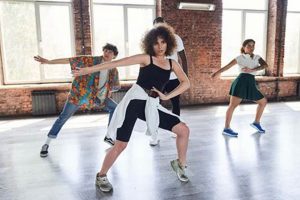
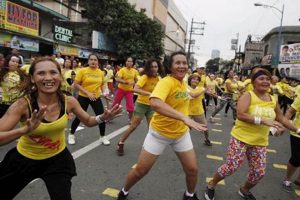
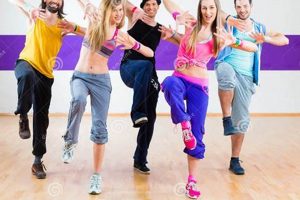
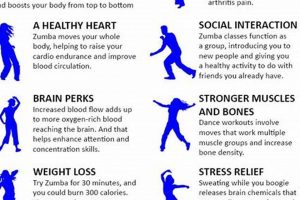
This activity represents a modified fitness program that blends Latin-inspired dance movements with aerobic exercise principles. It is designed to cater to the specific physical capabilities and limitations often associated with aging, prioritizing safety and accessibility. The choreography typically incorporates slower tempos, reduced impact movements, and modifications to accommodate joint stiffness or balance concerns.
Participation in this form of physical activity can contribute to improved cardiovascular health, increased muscle strength and endurance, enhanced balance and coordination, and improved cognitive function. Furthermore, the social interaction inherent in group fitness settings can mitigate feelings of isolation and promote a sense of community among older adults. The roots of this adaptation lie in the growing recognition of the importance of age-appropriate exercise programs to maintain independence and overall well-being in the senior population.
The subsequent sections will delve into the specific modifications employed in this type of program, the potential health benefits it offers, considerations for safe participation, and resources available for finding qualified instructors and classes.
Guidance for Participation
The following recommendations aim to facilitate safe and effective engagement in adapted fitness routines of this kind, maximizing potential benefits while minimizing the risk of injury.
Tip 1: Medical Clearance: Prior to commencing any new exercise program, a consultation with a physician is crucial. This assessment helps identify any pre-existing conditions or limitations that may necessitate modifications to the exercise routine.
Tip 2: Qualified Instruction: Seek out certified instructors experienced in working with older adults. These professionals possess the knowledge to adapt movements, provide appropriate modifications, and ensure a safe exercise environment.
Tip 3: Gradual Progression: Begin with shorter sessions and gradually increase the duration and intensity of the workouts. This allows the body to adapt to the new physical demands and reduces the risk of overexertion.
Tip 4: Proper Footwear: Wear supportive athletic shoes that provide good cushioning and stability. Avoid shoes with excessive tread, which can increase the risk of falls. Ensure the shoes fit well and are appropriate for dance-based exercise.
Tip 5: Hydration: Maintain adequate hydration by drinking water before, during, and after exercise. Dehydration can lead to fatigue, muscle cramps, and dizziness.
Tip 6: Listen to the Body: Pay attention to any pain or discomfort experienced during exercise. If pain occurs, stop the activity and rest. Do not push through pain, as this can lead to injury.
Tip 7: Modify Movements: Do not hesitate to modify movements as needed. If a particular exercise is too challenging or uncomfortable, adapt it or choose an alternative exercise that is more suitable.
Tip 8: Focus on Form: Prioritize proper form and technique over speed or intensity. Maintaining good posture and alignment helps prevent injuries and maximizes the effectiveness of the exercises.
Adherence to these guidelines can contribute to a positive and rewarding experience with this type of adapted fitness, promoting physical and mental well-being in the long term.
The article will now transition to discussing specific examples of movements and adaptations commonly found in such fitness programs.
1. Adaptation

Adaptation is a foundational principle of modified dance fitness for older adults, dictating the program’s efficacy and safety. The correlation between age-related physiological changes and the standard exercise routine necessitates modifications to accommodate reduced joint flexibility, decreased muscle strength, and potential balance impairments. Failure to adapt exercises can result in increased risk of injury, discouragement, and program abandonment. Consequently, incorporating seated variations of standing exercises, reducing the range of motion, and simplifying complex choreography are essential adaptations. For instance, high-impact jumps are often substituted with low-impact stepping patterns to protect joints.
The practical significance of adaptation extends beyond physical safety. Modifications enhance accessibility and inclusivity, enabling individuals with varying levels of physical ability to participate and experience the benefits of movement. The speed of routines is lowered, and complex steps are broken down into manageable components. Music selection is also adjusted to provide a more recognizable and comforting experience for older adults, which helps to engage them during the activity. The instructor plays a key role in delivering modified routines. A good instructor should regularly scan the class to identify individuals who are struggling with certain moves, suggesting modified options as needed.
In summation, adaptation represents a critical component of dance fitness for seniors, without which the program’s safety, efficacy, and inclusivity would be compromised. Challenges in adaptation include balancing individual needs with the group dynamic and staying current with best practices in geriatric fitness. Embracing adaptation ensures that older adults can safely and effectively engage in physical activity, promoting their long-term health and well-being.
2. Safety

The paramount concern in any physical activity program targeting older adults is safety, and adapted dance fitness is no exception. A direct correlation exists between the implementation of comprehensive safety measures and the prevention of adverse events such as falls, sprains, and exacerbation of pre-existing conditions. The physiological changes associated with aging, including decreased bone density, reduced muscle mass, and impaired balance, increase vulnerability to injury. Therefore, prioritizing safety is not merely a recommendation; it is a fundamental requirement for successful and sustainable participation. For example, instructors should conduct thorough risk assessments of the environment, ensuring adequate lighting, non-slip flooring, and readily accessible assistive devices like chairs or handrails.
Safety protocols extend to the exercise routines themselves. Movements must be carefully selected and modified to minimize joint stress and potential for falls. This includes avoiding high-impact activities, rapid changes in direction, and exercises that require prolonged single-leg stance. Instructors should provide clear and concise instructions, demonstrating proper technique and offering modifications for individuals with varying levels of physical ability. A real-life example involves substituting a grapevine step, which requires lateral movement and can compromise balance, with a simpler side-to-side step that is more stable and less likely to cause a fall. Moreover, instructors should be trained in basic first aid and CPR to respond effectively to any medical emergencies that may arise during class.
In conclusion, safety is an indispensable element of adapted dance fitness for seniors. A proactive and comprehensive approach to safety, encompassing environmental modifications, exercise adaptations, and instructor training, is essential for mitigating risks and ensuring a positive and beneficial experience for all participants. Ongoing evaluation of safety protocols and feedback from participants are crucial for continuous improvement and optimization of the program’s safety measures. Neglecting safety not only increases the likelihood of injury but also undermines the potential health benefits and reduces the overall appeal of this valuable form of exercise.
3. Coordination

Coordination, the ability to execute smooth, controlled, and efficient movements, plays a pivotal role in the effectiveness and safety of dance-based exercise for older adults. The degradation of coordination is a common consequence of aging, potentially impacting balance, mobility, and the ability to perform daily activities. Thus, modified dance routines can serve as a valuable tool for maintaining and enhancing coordination in this demographic, provided exercises are carefully selected and adapted.
- Neuromuscular Pathways
The exercises activate and strengthen neuromuscular pathways essential for balance and movement. Specifically, they require the brain to process sensory information from the eyes, inner ear, and proprioceptors (sensors in muscles and joints) to coordinate muscle contractions. Through repetition, these pathways become more efficient, improving overall coordination. For example, a simple step-touch exercise requires synchronized activation of leg muscles and postural adjustments, which translates to improved stability during walking.
- Balance and Postural Control
Many routines incorporate movements that challenge balance, such as weight shifting and controlled turns. These exercises strengthen the muscles responsible for maintaining postural control and improve the body’s ability to recover from perturbations. A side-to-side sway or a slow, controlled circle emphasizes core engagement and weight distribution, thereby enhancing stability and reducing the risk of falls.
- Spatial Awareness
These programs often involve movements that require participants to navigate their surroundings and maintain awareness of their body in space. Choreography requires the processing of information about personal space and the location of other participants, enhancing spatial cognition and reaction time. This is particularly useful in activities that require moving in a group and adjusting one’s position in relation to others, such as group dance sequences.
- Motor Planning and Sequencing
Executing dance steps involves planning and sequencing movements in a specific order. This process engages cognitive functions related to motor planning and memory. Routines require participants to remember and reproduce movement patterns, thereby strengthening the neural connections responsible for motor skill acquisition and retention. As an example, learning a short sequence of dance steps encourages the brain to organize and execute a series of movements in a coordinated fashion, leading to improvements in motor control and cognitive function.
These facets illustrate how adapted dance exercise directly addresses the challenges to coordination faced by older adults. By systematically engaging neuromuscular pathways, challenging balance, enhancing spatial awareness, and improving motor planning, such programs contribute to improved physical function and reduced risk of falls, thereby promoting greater independence and quality of life.
4. Socialization

Social interaction constitutes a significant, often overlooked, dimension of adapted dance exercise for senior populations. Beyond the tangible physical benefits, participation in group fitness settings can mitigate social isolation and foster a sense of community, thereby contributing to overall well-being.
- Reduced Social Isolation
The structured group environment inherent in adapted dance classes provides a consistent opportunity for social engagement, counteracting the isolation frequently experienced by older adults. Regular interaction with peers fosters a sense of belonging and reduces feelings of loneliness. Attendance at scheduled classes mandates leaving the home, thereby disrupting sedentary patterns and promoting interaction with the external environment. For example, seniors living alone may find these classes to be their primary source of social contact throughout the week.
- Enhanced Emotional Well-being
The shared experience of learning and performing dance movements cultivates positive emotions and reduces stress. Laughter, encouragement, and mutual support among participants contribute to a more cheerful and optimistic outlook. The non-competitive nature of adapted dance classes fosters a judgment-free zone where individuals can express themselves and connect with others on a personal level. This contrasts with individual exercise regimens, which may lack the social reinforcement necessary for sustained participation and emotional benefit.
- Cognitive Stimulation through Social Engagement
Social interaction stimulates cognitive function by requiring active listening, communication, and emotional responsiveness. Engaging in conversations before, during, and after class promotes mental agility and prevents cognitive decline. Learning and remembering names, sharing personal stories, and participating in group discussions contribute to enhanced cognitive processing and memory recall. Moreover, teaching peers a new dance step or offering assistance provides opportunities for cognitive engagement and leadership, further stimulating cognitive function.
- Development of Support Networks
Consistent participation in adapted dance classes can facilitate the formation of lasting friendships and support networks. Sharing common interests and experiences fosters camaraderie and encourages mutual assistance outside the classroom setting. Participants may organize social gatherings, share transportation, or provide emotional support during challenging times. These support networks can be particularly valuable for seniors who lack family nearby or are experiencing life transitions such as widowhood or relocation. For instance, participants may check in on each other, offering encouragement and practical assistance.
The interplay between social interaction and adapted dance exercise offers a holistic approach to enhancing the well-being of older adults. The structured social environment promotes emotional health, provides cognitive stimulation, and facilitates the development of meaningful support networks. These social dividends complement the physical benefits of the exercise program, collectively contributing to improved quality of life and sustained engagement.
5. Cardiovascular

Cardiovascular health is intrinsically linked to participation in adapted dance fitness programs for seniors. The rhythmic movements and sustained activity elevate heart rate and improve blood circulation, thereby strengthening the cardiovascular system. Regular engagement reduces the risk of developing cardiovascular diseases, such as hypertension, coronary artery disease, and stroke. For instance, a senior with pre-hypertension may experience a reduction in blood pressure levels after consistently participating in such a program for several months, coupled with dietary adjustments. The practical significance lies in the potential for enhanced longevity and improved quality of life, enabling older adults to maintain independence and engage in activities they enjoy.
The intensity of adapted dance routines can be modified to accommodate varying levels of cardiovascular fitness. Lower-impact movements, such as marching in place or gentle arm swings, provide a suitable starting point for individuals with limited exercise tolerance. As fitness levels improve, the intensity can be gradually increased by incorporating more dynamic movements or extending the duration of the activity. It is imperative to monitor heart rate and perceived exertion during exercise to ensure that the intensity remains within a safe and effective range. Wearable fitness trackers can assist in this process, providing real-time data on heart rate and activity levels. Furthermore, incorporating interval training, alternating between periods of higher and lower intensity, can effectively improve cardiovascular fitness without exceeding individual limitations.
In summary, the cardiovascular benefits derived from adapted dance exercise represent a critical component of its overall value for seniors. The activity’s ability to enhance heart health, reduce the risk of cardiovascular diseases, and improve overall fitness contributes significantly to promoting healthy aging. Challenges may arise in motivating individuals with pre-existing cardiovascular conditions to participate, requiring a collaborative approach involving healthcare professionals and exercise specialists. However, the potential rewards, including improved cardiovascular function and enhanced well-being, underscore the importance of integrating this form of exercise into senior wellness programs.
6. Mobility

Mobility, defined as the ability to move freely and easily, directly influences an individual’s capacity to engage in and benefit from adapted dance fitness routines. Age-related physiological changes, such as decreased joint flexibility and muscle strength, often limit mobility, impacting participation in such programs. The primary objective of adapted dance exercise is to enhance or maintain mobility, thereby improving functional independence and quality of life for older adults.
- Increased Joint Range of Motion
Dance-based movements, when performed with appropriate modifications, can increase joint range of motion, counteracting the stiffness and reduced flexibility associated with aging. Exercises that emphasize stretching and controlled movements of the major joints (hips, knees, ankles, shoulders) contribute to improved joint health and reduced pain. For example, incorporating gentle arm circles and leg swings into a warm-up routine can prepare the joints for more demanding movements, enhancing mobility and reducing the risk of injury. Furthermore, exercises like modified plis can improve flexibility in the hips, knees and ankles.
- Enhanced Muscle Strength and Endurance
Maintaining muscle strength and endurance is critical for supporting joint stability and facilitating movement. Adapted dance exercises often incorporate resistance-based movements, utilizing body weight or light weights, to strengthen muscles in the legs, arms, and core. Stronger muscles contribute to improved balance, reduced risk of falls, and enhanced ability to perform daily activities. For instance, incorporating seated bicep curls or leg extensions can target specific muscle groups, improving strength without placing excessive stress on the joints. Increased muscle endurance will allow for longer participation times and increased enjoyment.
- Improved Postural Alignment
Dance routines emphasize proper postural alignment, which is essential for maintaining balance and efficient movement patterns. Poor posture can contribute to joint pain, muscle imbalances, and increased risk of falls. Adapted dance exercises encourage participants to maintain a neutral spine, engage core muscles, and align the head over the shoulders. This can be achieved through exercises that focus on strengthening the core and back muscles, such as modified planks or seated rows. Improved postural alignment promotes greater ease of movement and reduces the risk of developing musculoskeletal problems.
- Increased Functional Capacity
Enhanced mobility translates directly to increased functional capacity, the ability to perform everyday tasks independently. Adapted dance fitness programs can improve an individual’s ability to walk, climb stairs, reach for objects, and perform other essential activities. By addressing specific mobility limitations and strengthening muscles used in daily living, such programs contribute to greater independence and improved quality of life. For instance, improving hip and knee mobility can make it easier to get in and out of chairs, while enhanced shoulder mobility can facilitate dressing and personal hygiene tasks. Overall increased functional capacity leads to a more active and fulfilling lifestyle.
These multifaceted improvements in mobility are central to the benefits of adapted dance exercise for seniors. The collective effect of increased joint range of motion, enhanced muscle strength, improved postural alignment, and increased functional capacity enables older adults to maintain independence, participate in social activities, and enjoy a higher quality of life. Challenges such as pre-existing conditions and individual limitations must be addressed through careful program design and modifications. The ultimate goal is to create a safe and effective exercise environment that empowers older adults to enhance their mobility and embrace a more active and fulfilling lifestyle.
Frequently Asked Questions about Adapted Dance Fitness
The following questions address common inquiries and concerns regarding participation in dance-based exercise programs specifically designed for older adults.
Question 1: Is prior dance experience necessary to participate in adapted dance fitness?
No prior dance experience is required. These programs are designed to be accessible to individuals of all fitness levels and backgrounds. The focus is on enjoying movement and improving physical function, not on achieving professional dance skills. Modifications are provided to accommodate varying levels of coordination and experience.
Question 2: Are there specific medical conditions that would preclude participation in this type of exercise?
Certain medical conditions may necessitate modifications or preclude participation. Individuals with unstable cardiovascular conditions, severe joint pain, or significant balance impairments should consult with their physician before commencing the program. A healthcare professional can provide guidance on appropriate exercise modifications and safety precautions.
Question 3: What are the potential risks associated with adapted dance fitness?
Potential risks include muscle strains, sprains, and falls. These risks can be minimized by following proper warm-up procedures, utilizing appropriate footwear, modifying exercises as needed, and ensuring a safe exercise environment. Choosing a qualified instructor with experience working with older adults is also crucial for risk mitigation.
Question 4: How can the intensity of adapted dance fitness be adjusted to suit individual needs?
The intensity of the program can be adjusted by modifying the speed, range of motion, and complexity of the exercises. Lower-impact options are available for individuals with joint pain or balance concerns. Instructors typically provide modifications and encourage participants to listen to their bodies and adjust the intensity as needed.
Question 5: What type of clothing and footwear is recommended for adapted dance fitness?
Comfortable, loose-fitting clothing that allows for freedom of movement is recommended. Supportive athletic shoes with good cushioning and traction are essential for preventing falls and providing stability. Avoid wearing jewelry or accessories that could pose a safety hazard.
Question 6: How can a qualified instructor for adapted dance fitness be located?
Certified fitness professionals with experience working with older adults can be located through organizations such as the American College of Sports Medicine (ACSM) or the National Council on Aging (NCOA). Local senior centers, community recreation programs, and fitness studios may also offer adapted dance fitness classes led by qualified instructors. Verification of certifications and experience is advised.
Adherence to safety guidelines, consultation with healthcare professionals, and selection of qualified instructors are paramount for maximizing the benefits and minimizing the risks associated with adapted dance fitness.
The subsequent discussion will delve into the long-term benefits and sustainability of participating in such routines.
Conclusion
The preceding exploration of adapted dance fitness for older adults has illuminated its multifaceted benefits and practical considerations. This form of exercise offers a comprehensive approach to improving physical health, enhancing cognitive function, promoting social interaction, and fostering emotional well-being. From its impact on cardiovascular function and mobility to its capacity for reducing social isolation and improving coordination, modified dance routines represent a valuable tool for promoting healthy aging.
Continued research and innovation in this area are essential to further optimize program design and address the specific needs of diverse senior populations. The integration of such evidence-based programs into senior wellness initiatives holds the potential to empower older adults to maintain independence, improve their quality of life, and embrace a more active and fulfilling lifestyle. The significance of adapted dance lies not merely in its ability to provide physical exercise but in its capacity to contribute to a holistic sense of well-being, fostering a vibrant and engaged community of older adults.