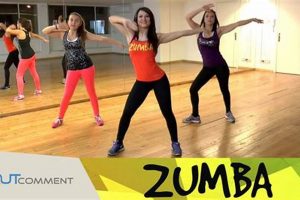
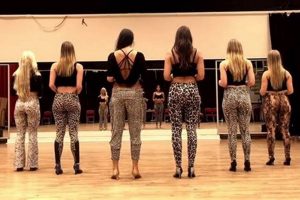
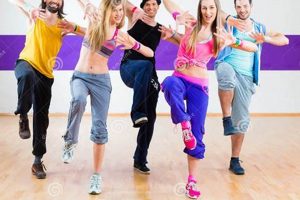
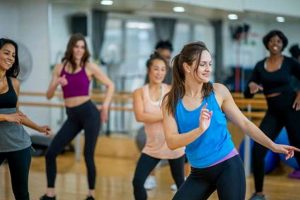
Zumba represents a fitness program that combines Latin American-inspired music and dance movements. It incorporates elements of salsa, merengue, cumbia, and reggaeton, among other styles. Participants follow the instructor’s choreography, engaging in a high-energy workout.
The significance of this activity lies in its ability to provide a cardiovascular workout while simultaneously improving coordination and balance. Its popularity stems from its accessible nature; it can be modified to suit various fitness levels. Furthermore, the engaging musical backdrop often makes the workout feel less like exercise and more like a social activity. Historically, it emerged as a spontaneous creation, evolving from an aerobics instructor’s improvisation during a class.
This article will explore the characteristics that define it as both a form of rhythmic expression and a method of physical conditioning. It will examine the physical benefits, the role of music and choreography, and ultimately, the categorization of the activity within the fitness landscape.
Practical Considerations for Zumba Participation
The following recommendations aim to enhance the experience and maximize the advantages derived from participation in the fitness activity that blends rhythmic movement with physical exertion.
Tip 1: Proper Footwear Selection: Appropriate athletic shoes that provide adequate support and cushioning are crucial. These minimize the risk of injury during the high-impact movements inherent in the program.
Tip 2: Hydration is Essential: Maintaining adequate fluid intake before, during, and after each session is imperative. Dehydration can negatively impact performance and overall well-being.
Tip 3: Gradual Introduction: Individuals new to the activity should begin with introductory classes or modify movements as needed. This approach allows the body to adapt gradually, reducing the potential for strain.
Tip 4: Awareness of Physical Limitations: Participants must be mindful of any pre-existing physical conditions or limitations. Consulting with a healthcare professional before starting is advisable, particularly for individuals with joint problems or cardiovascular concerns.
Tip 5: Master the Basic Steps: Familiarity with fundamental steps from Latin dance styles, such as salsa and merengue, can significantly improve proficiency and enjoyment during the classes.
Tip 6: Listen to Your Body: If experiencing pain or discomfort, it is essential to cease the activity immediately and rest. Pushing through pain can exacerbate injuries.
Tip 7: Seek Qualified Instructors: Enroll in classes taught by certified instructors. Qualified instructors are equipped to provide proper guidance on technique and modifications, ensuring safety and effectiveness.
Adherence to these suggestions facilitates a safer and more rewarding experience. Maximizing the benefits of the activity requires a balanced approach that prioritizes proper preparation and awareness of individual physical capacity.
The subsequent sections will delve into the specifics of choreography and its contribution to the program’s dual identity.
1. Cardiovascular Workout

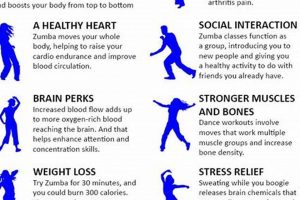
A prominent feature of the fitness regimen is its efficacy in delivering a substantial cardiovascular workout. This aspect is central to understanding its classification within the realm of physical activity and its contribution to overall well-being. The elevated heart rate and sustained exertion contribute to significant cardiovascular benefits.
- Increased Heart Rate
The choreographed sequences, often involving repetitive movements and varying intensities, induce a sustained elevation in heart rate. This accelerated rate strengthens the cardiac muscle, enhancing its efficiency in circulating blood and oxygen throughout the body. This is a key indicator that categorizes it as a physical exercise.
- Improved Blood Circulation
The continuous movement stimulates blood flow, leading to improved circulation. This enhanced circulation aids in the delivery of nutrients and oxygen to cells, promoting optimal cellular function and overall vitality. Enhanced circulation leads to improved heart health and muscle recovery.
- Enhanced Lung Capacity
The elevated respiratory rate and increased oxygen demand during sessions contribute to improved lung capacity. Regular participation strengthens the respiratory muscles, allowing for more efficient oxygen intake and utilization. The ability to sustain higher respiratory rate is an example of improved cardio fitness.
- Reduced Risk of Cardiovascular Disease
Consistent participation in cardiovascular exercise is associated with a reduced risk of developing cardiovascular diseases. By improving cholesterol levels, lowering blood pressure, and promoting healthy weight management, it actively combats risk factors for heart disease. Lower risk of diseases are important outcomes in classifying zumba as a physical activity.
In summary, the capacity to deliver a significant cardiovascular workout positions this activity firmly within the domain of exercise. The physiological benefits derived from this component underscore its value as a viable means of promoting cardiovascular health and overall fitness. These tangible benefits are significant in classifying it as a cardiovascular workout.
2. Choreographed routines

The presence of choreographed routines is a defining element that significantly influences its perception within the context of physical activities. These routines, incorporating elements from various dance styles, contribute substantially to the debate on whether it is primarily dance or exercise. The choreography dictates the sequence of movements, impacting the intensity, muscle engagement, and ultimately, the type of workout delivered. For example, a routine heavily weighted towards fast-paced salsa steps may provide a high-intensity cardiovascular workout, while a routine featuring more cumbia movements may emphasize core engagement and balance. These variations in choreography illustrate the ability of the activity to adapt and target different fitness aspects. Without the structure of these routines, it would lack the deliberate, sequential movement pattern that distinguishes it from unstructured aerobic activity.
The reliance on choreographed routines not only shapes the physical demands but also dictates the learning process. Participants learn and memorize sequences of steps, mirroring the process of learning a dance. The need to coordinate movements with the music and other participants fosters a sense of rhythm and coordination that are central to dance. Furthermore, instructors often incorporate variations and modifications, allowing participants to adapt the choreography to their individual fitness levels. This adaptability underscores the activity’s commitment to inclusivity and accessibility. Consider the difference between a typical step aerobics class, which focuses on repetitive, functional movements, and a class that incorporates complex Latin-inspired steps. The latter showcases the emphasis on artistry and performance inherent in choreographed routines, thus reinforcing the dance element.
In conclusion, the choreographed routines are a fundamental component, shaping both the physical and artistic elements of the fitness activity. This structure contributes significantly to the perception of it as a form of expression and a structured exercise modality. The routines are the core of combining fitness goals with artistic elements, creating a workout that is both physically demanding and artistically satisfying.
3. Calorie expenditure

Calorie expenditure constitutes a quantifiable measure of energy consumption during physical activity. Within the context of determining whether a specific activity is categorized primarily as dance or exercise, calorie expenditure serves as a significant indicator of its physiological impact and contribution to fitness goals.
- Intensity Level Correlation
Calorie expenditure directly correlates with the intensity level of the physical exertion involved. Higher-intensity activities, characterized by rapid movements and sustained muscle engagement, typically result in a greater number of calories burned per unit of time. In comparison, activities with lower intensity levels demonstrate correspondingly reduced calorie expenditure rates. This relationship underscores the impact of movement dynamics on energy consumption.
- Duration of Engagement
The total duration of participation significantly affects overall calorie expenditure. Extended engagement in a physical activity, regardless of intensity, contributes to increased energy consumption compared to shorter intervals. Consistent participation over longer periods facilitates the cumulative effect of calorie expenditure on weight management and metabolic regulation.
- Individual Physiological Factors
Individual physiological factors, including body weight, metabolic rate, and fitness level, influence calorie expenditure during physical activity. Individuals with higher body weight generally exhibit greater calorie expenditure due to the increased energy required to move larger mass. Similarly, individuals with higher metabolic rates expend more energy at rest and during physical exertion. A higher fitness level affects the efficiency of movement, sometimes resulting in lower calorie expenditure for the same activity compared to an untrained individual.
- Comparison to Other Activities
Calorie expenditure during this activity can be compared to that of other dance forms and exercise modalities. Such comparisons offer insights into the relative energy demands and potential for weight management or fitness improvement. For instance, activities with comparable calorie expenditure profiles may be considered similar in their overall physiological impact, regardless of their specific movement patterns or aesthetic qualities.
In conclusion, the extent of calorie expenditure contributes significantly to its consideration as a form of exercise, owing to its direct relationship with physiological outcomes such as weight management and cardiovascular health. Measuring calorie expenditure enables objective assessment of its contribution to fitness goals and the exercise benefits it offers, which may not be immediately apparent when focusing solely on its artistic or rhythmic components.
4. Musicality integration
Musicality integration is a cornerstone of this activity, profoundly influencing its character and impact. The seamless connection between music and movement is a defining factor in assessing its classification as either dance or exercise. This aspect distinguishes it from purely fitness-focused activities and adds a layer of artistic expression to the physical exertion.
- Rhythm Synchronization
Rhythm synchronization involves coordinating bodily movements with the rhythmic structure of the music. Participants align their steps and gestures to the beat, creating a cohesive and synchronized performance. This aspect emphasizes its dance-like qualities. The use of Latin rhythms, such as salsa, merengue, and cumbia, dictates the pace and style of movement, requiring participants to adapt their actions to the musical cues. In a typical session, an instructor will use musical changes to signal transitions between different movement sequences. This synchronization enhances coordination and provides a sense of flow, reinforcing the activitys connection to dance.
- Emotional Expression
Music elicits emotional responses that can be expressed through physical movement. The integration of music allows participants to convey emotions and interpret the music through their bodies. This expressive element aligns it with dance as a form of artistic communication. The selection of music with varying tempos and moods creates opportunities for participants to express joy, energy, or passion. For example, an energetic salsa track may inspire lively and enthusiastic movements, while a slower cumbia song might encourage a more relaxed and sensual expression. This emotional connection elevates the experience beyond mere physical exercise, adding depth and meaning to the activity.
- Motivational Impact
Music serves as a powerful motivator, enhancing the enjoyment and adherence to the activity. The upbeat rhythms and catchy melodies encourage participants to move with energy and enthusiasm. This motivational aspect contributes to its effectiveness as a fitness program. The use of familiar and popular songs can create a sense of excitement and camaraderie among participants. The energizing effect of music can also help individuals push through physical challenges and maintain consistent engagement. By making exercise more enjoyable, musicality integration increases the likelihood of long-term adherence and positive health outcomes.
- Choreographic Structure
Music provides the framework for choreographic structure, influencing the sequencing and transitions between different movements. The arrangement of musical phrases and sections dictates the flow of the routine, creating a cohesive and dynamic performance. This structure is essential for both the physical and aesthetic aspects of the activity. Instructors design routines to align with the musical structure, using changes in tempo, rhythm, and melody to cue transitions between different steps. The combination of music and movement creates a unified experience, making the exercise feel more like a dance and enhancing its overall appeal. The choreography is dictated by the musicality, which enhances the overall enjoyment of the fitness activity.
In conclusion, the integration of musicality is a vital characteristic, shaping its identity and distinguishing it from conventional exercise forms. Through rhythm synchronization, emotional expression, motivational impact, and choreographic structure, music permeates every aspect of the activity, blurring the lines between dance and exercise. The presence of music does not undermine its physiological benefits, but instead enhances the overall experience, making it an engaging and enjoyable method of physical activity. Musicality promotes greater level of engagement and adherence among fitness enthusiasts.
5. Fitness improvement

The multifaceted nature of physical conditioning renders it a crucial consideration in the categorization of this activity. The degree to which it fosters measurable enhancements in physical capabilities serves as a key determinant in evaluating its primary function as either a dance form or an exercise regimen.
- Cardiovascular Enhancement
Cardiovascular enhancement is a primary benefit derived from participation. The sustained elevation of heart rate and increased oxygen consumption contribute to improved cardiorespiratory function. Regular participation can lead to a reduced resting heart rate, lowered blood pressure, and increased endurance, indicative of a more efficient cardiovascular system. For instance, an individual who initially experiences shortness of breath during a 30-minute session may, after consistent engagement, demonstrate improved stamina and reduced fatigue. This adaptation reflects a tangible improvement in cardiovascular fitness. The ability to improve cardio vascular capabilities supports zumba as a physical activity rather than only a dance.
- Muscular Endurance and Strength
The repetitive movements and varied dance steps engage multiple muscle groups, promoting both muscular endurance and strength. While not designed for maximal strength gains, the activity facilitates the development of functional strength necessary for daily activities. For example, the execution of salsa steps requires the engagement of lower body muscles, enhancing leg strength and stability. The sustained nature of the activity promotes endurance in these muscle groups, enabling participants to perform repetitive movements over extended periods. Strengthening of muscles translates into a fitness outcome. This is an important consideration to classify zumba as a fitness exercise.
- Flexibility and Range of Motion
The incorporation of stretching and dynamic movements contributes to enhanced flexibility and range of motion. The dance-inspired steps often involve a wide range of motion, promoting joint mobility and reducing stiffness. For example, the incorporation of hip movements and torso twists can improve flexibility in the spine and hips. Enhanced flexibility not only improves physical performance but also reduces the risk of injury. The gradual lengthening of muscles is a direct contributor to improvements in flexibility. The enhanced motion and flexibility classifies zumba as an exercise due to its ability to improve muscle performance.
- Improved Coordination and Balance
The coordination required to synchronize movements with music and follow choreographed routines enhances motor skills and balance. Participants must learn to coordinate their arms, legs, and torso in a fluid and controlled manner. This process challenges the nervous system and promotes improved neuromuscular control. For example, maintaining balance while performing complex dance steps requires the integration of sensory information and the activation of stabilizing muscles. Enhanced coordination and balance not only improve physical performance but also reduce the risk of falls, particularly in older adults. Coordination enhances physical fitness by improving the connection between muscles, thus leading to better body control.
These facets of improved physical conditioning underscore its contribution to overall well-being and reinforce its classification as a viable form of exercise. The tangible benefits derived from participation align with the established principles of exercise physiology, solidifying its role in promoting physical fitness.
Frequently Asked Questions
The following section addresses common inquiries regarding the classification of this activity, aiming to provide clarity on its dual nature as both a form of dance and a method of exercise.
Question 1: Does this activity primarily serve as a cardiovascular workout?
Yes, it effectively elevates heart rate and sustains it for extended periods, fulfilling the requirements for a cardiovascular workout. The intensity can be modified to suit various fitness levels, making it accessible to a wide range of individuals.
Question 2: To what extent does choreography contribute to its overall structure?
Choreography is integral, providing a structured framework for the movements and incorporating elements from various dance styles. The routines combine steps and sequences that participants learn and perform, contributing significantly to the overall experience.
Question 3: What is the approximate calorie expenditure during a typical session?
Calorie expenditure varies depending on factors such as intensity, duration, and individual physiology. However, a typical session can result in a significant calorie burn, contributing to weight management and overall fitness.
Question 4: How does musicality influence the practice of this fitness activity?
Musicality is a fundamental element, driving the rhythm and pace of the movements. The music inspires and motivates participants, enhancing the enjoyment and adherence to the program. The synchronization of movements with the music is a key characteristic.
Question 5: What specific areas of fitness are improved through regular participation?
Regular participation can lead to improvements in cardiovascular fitness, muscular endurance, flexibility, coordination, and balance. The multifaceted nature of the activity promotes holistic physical conditioning.
Question 6: Is prior dance experience necessary to participate effectively?
No, prior dance experience is not essential. The routines are designed to be accessible to individuals of all fitness levels and backgrounds. Instructors often provide modifications and guidance to ensure participants can perform the movements safely and effectively.
These answers provide a comprehensive overview of the fundamental characteristics and benefits of this activity. Its dual nature as both a form of dance and a method of exercise underscores its unique appeal and effectiveness.
The following section will summarize the key findings and offer a conclusive perspective on its classification.
Conclusion
The preceding exploration of its attributes illuminates the hybrid nature of the activity. It has been demonstrated that it simultaneously embodies elements of both a structured dance form and a rigorous exercise regimen. The cardiovascular benefits, calorie expenditure, and fitness improvements align it with traditional exercise modalities. Conversely, the choreographed routines, musicality integration, and emphasis on rhythmic movement position it within the realm of dance. The evidence suggests that it defies strict categorization, instead existing as a synergistic blend of both.
Ultimately, the classification of the activity as either dance or exercise proves to be a matter of perspective. The salient point is its effectiveness in promoting physical well-being and fostering an appreciation for movement. Further research might explore the psychological benefits derived from its unique combination of physical exertion and artistic expression, thus solidifying its place within a holistic approach to health and fitness.