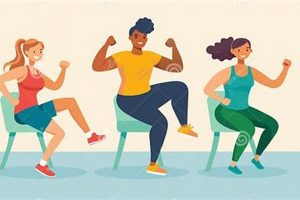
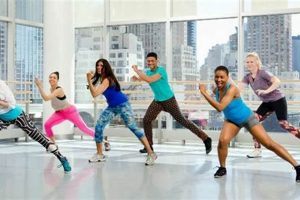
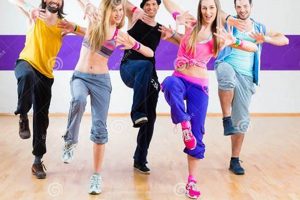
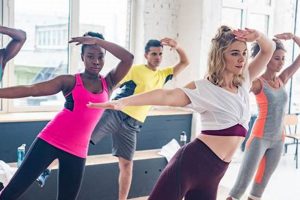
Zumba incorporates a variety of dance styles, blending Latin rhythms and international beats. These styles range from the energetic salsa and merengue to the vibrant cumbia and reggaeton. This fusion creates diverse workout experiences and engages participants with varying musical preferences.
The incorporation of diverse rhythms offers a multitude of physical and mental benefits. Participants experience improved cardiovascular health, enhanced coordination, and increased caloric expenditure. Furthermore, engaging with different cultural dance elements broadens awareness and fosters a sense of global community.
The subsequent sections will explore specific choreographic and musical elements that define some of the popular modalities that contribute to the overall Zumba experience. We will examine how these components interact to create a dynamic and engaging fitness environment.
Guidance for Exploring Varied Rhythmic Movement
Optimizing results requires understanding the nuances of the choreographic elements found within the spectrum of rhythmic movement offered. The following provides insights to enhance participation and maximize benefit.
Tip 1: Assess Personal Preference: Identify favored rhythms and styles to guide class selection. A preference for high-energy music may lead to greater engagement in classes emphasizing styles such as reggaeton, while a more moderate tempo preference could favor cumbia-focused sessions.
Tip 2: Prioritize Correct Form: Maintain proper posture and alignment to mitigate injury risk. Focus on engaging core muscles and executing movements with precision, even at higher tempos.
Tip 3: Gradual Progression: Start with beginner-level classes and incrementally increase intensity as fitness levels improve. This approach allows the body to adapt gradually to the demands of different rhythmic movements.
Tip 4: Hydration and Nutrition: Adequate hydration and a balanced diet are crucial for sustained energy levels during and after classes. Ensure sufficient water intake before, during, and after each session.
Tip 5: Footwear Considerations: Wear supportive athletic shoes with adequate cushioning to absorb impact and prevent foot and ankle injuries. Avoid shoes with excessive grip that may restrict movement.
Tip 6: Active Recovery: Incorporate stretching and cool-down exercises after each session to promote muscle recovery and flexibility. Targeted stretching of major muscle groups involved in the rhythmic movements can reduce stiffness and soreness.
Adhering to these guidelines can contribute to a safer and more rewarding experience. Awareness and preparation are key to maximizing the physical and mental benefits derived from participation.
The subsequent section will delve into practical examples that illustrate the application of these guiding principles within a class setting.
1. Rhythm Diversity

Rhythm diversity constitutes a foundational element. Its integration produces a multifaceted fitness experience that transcends conventional exercise formats. The correlation between rhythmic variance and its fitness modality is causal: the availability of varied rhythmic patterns directly determines the range of physical movements and energy expenditures involved. Without this diversity, exercise would devolve into repetitive motions, leading to diminished engagement and reduced physiological benefit. For example, a class incorporating both the fast-paced percussive rhythms of soca and the slower, controlled movements of tango challenges different muscle groups and energy systems, resulting in a more comprehensive workout.
The importance of rhythm diversity extends beyond mere physical exertion. It serves as a cultural conduit, introducing participants to the traditions and musical heritages of diverse global communities. Consider the inclusion of cumbia, a Latin American rhythm characterized by its distinctive syncopation. The inclusion of cumbia not only provides a unique physical workout but also exposes participants to the cultural significance embedded within the music and movement. Understanding this correlation allows instructors to curate classes that resonate with a broader audience, fostering inclusivity and promoting cross-cultural appreciation. In practice, instructors often blend traditional steps with contemporary interpretations, ensuring the authenticity of the rhythm is maintained while appealing to modern fitness sensibilities.
In summary, rhythm diversity is an indispensable element, influencing its effectiveness as a fitness program, and its capacity to engage participants both physically and culturally. Recognizing and appreciating this component is crucial for both instructors and participants seeking to maximize the potential benefits. A challenge lies in continually sourcing and integrating new rhythmic elements to maintain freshness and relevance, requiring ongoing research and adaptation. The inclusion of diverse rhythms directly contributes to its sustained popularity and efficacy.
2. Choreographic Fusion

Choreographic fusion is a defining characteristic, distinguishing it from singular dance disciplines. This element involves integrating diverse dance styles into a cohesive routine, influencing the workout’s intensity, complexity, and overall appeal.
- Integration of Latin and International Styles
Core to its appeal is the seamless blend of Latin rhythms with international dance forms. Salsa steps might be incorporated with hip-hop influences, or merengue movements may be combined with elements of African dance. This fusion creates a dynamic experience, appealing to diverse audiences and providing a comprehensive physical workout. The combination demands adaptability from participants, requiring them to transition between varied movements and rhythms.
- Adaptation of Traditional Steps
Traditional dance steps are frequently adapted and modified to suit a fitness context. Complex patterns are simplified, and movements are adjusted to increase accessibility and minimize the risk of injury. This adaptation ensures that individuals of varying fitness levels can participate effectively. Instructors often modify choreographies to accommodate different skill levels, emphasizing form and technique over complexity during initial stages.
- Influence of Fitness Principles
Fitness principles such as interval training and circuit training are integrated into choreography. High-intensity dance sequences are interspersed with periods of active recovery, optimizing cardiovascular benefits and endurance. The structure allows for sustained engagement and maximizes caloric expenditure. This approach differentiates it from traditional dance classes, where performance and artistic expression are paramount.
- Creative Expression and Instructor Interpretation
While adhering to fundamental steps and rhythms, instructors are granted a degree of creative freedom. This allows them to personalize choreographies and infuse their individual styles into the routine. Instructor interpretation can lead to variations in intensity, complexity, and musical selection, contributing to the overall diversity and adaptability of the format. The degree of instructor interpretation is, however, balanced with the need to maintain consistency and accessibility across classes.
The components of choreographic fusion significantly contribute to the effectiveness and appeal. The blending of diverse styles, the adaptation of traditional steps, the integration of fitness principles, and the role of instructor interpretation collectively shape the experience, allowing it to meet the diverse needs and preferences of participants. The resultant fitness modality transcends a pure dance form, evolving into a dynamic and engaging exercise program.
3. Intensity Variation
Intensity variation represents a critical component directly influencing the physiological impact and accessibility of Zumba programs. The incorporation of diverse intensities within dance routines ensures participants can achieve varied fitness goals while accommodating different fitness levels. Without this variation, the workout may prove too demanding for beginners or insufficiently challenging for advanced individuals, limiting its overall effectiveness and reach. The correlation between dance movements and caloric expenditure within Zumba is fundamentally controlled by the intensity levels incorporated into the choreography. For example, routines alternating between high-energy salsa sequences and low-impact cumbia steps will induce higher average heart rates and greater energy expenditure than would routines solely relying on low-impact movements.
The strategic use of intensity variation provides a mechanism for tailoring the workout to specific needs and preferences. Instructors use techniques like modifying range of motion, tempo, and the inclusion of plyometric movements to adjust the challenge level. An instructor might adapt a grapevine step to include a jump for increased intensity, or reduce the tempo of a merengue sequence to accommodate older adults or individuals with joint limitations. This approach mitigates the risk of injury and promotes sustained participation. In practical terms, incorporating high-intensity bursts during warm-up routines has demonstrated an increase in the production of heat shock proteins, contributing to subsequent exercise-induced muscle adaptation. Conversely, incorporating low-impact elements during cool-down periods aids in lactate removal and reduces delayed-onset muscle soreness.
In summary, intensity variation serves as a key regulator, enabling Zumba programs to simultaneously promote physical fitness and ensure widespread accessibility. It ensures that the program will appeal to a broader audience and offers opportunities to tailor workouts depending on specific physical needs. The ability to adjust the intensity of routines directly impacts the physiological outcome, which is imperative for enhancing cardiovascular endurance, muscular strength, and overall physical conditioning. Continuous implementation and awareness of intensity levels is crucial for instructors to deliver safe and effective Zumba instruction.
4. Cultural Influence
The integration of global cultural elements is central to the identity and widespread appeal. Zumba dance types borrow heavily from Latin American, African, and other international dance traditions, incorporating rhythms, steps, and stylistic nuances. This cultural fusion directly impacts the exercise experience by enriching the movement vocabulary and exposing participants to diverse artistic expressions. The incorporation is not merely superficial; it affects the emotional and physical engagement, contributing to the modality’s motivational power. For instance, the inclusion of salsa rhythms, with their inherent vitality and expressiveness, provides a tangible connection to Latin American culture, prompting a more involved and passionate response from participants.
The cultural influence extends beyond music and movement to encompass attire, class atmosphere, and instructor cues. Instructors often integrate phrases, greetings, or even cultural anecdotes from the originating regions, fostering a sense of authenticity and respect. The practical application of this understanding lies in promoting cultural sensitivity and inclusivity within classes. By understanding the origins and meanings behind specific movements or musical selections, instructors can offer a more informed and respectful presentation, avoiding cultural appropriation and promoting genuine appreciation. Furthermore, acknowledging cultural nuances allows instructors to tailor their classes to resonate more deeply with participants from diverse backgrounds, thereby enhancing adherence and overall satisfaction.
Understanding the cultural origins and significance of dance styles not only enhances the authenticity of the experience but also mitigates potential issues of cultural appropriation. The challenge lies in effectively balancing the adaptation of cultural elements for fitness purposes with the need to preserve their integrity and respect their origins. The strategic and sensitive incorporation of diverse cultural influences remains essential to the sustained success and global resonance. Recognizing and respecting cultural heritage allows to cultivate fitness program to enhance global inclusivity and promote a deeper understanding of cultural identity.
5. Fitness Benefits

The application of diverse rhythmic movement routines provides significant health advantages, making it a popular fitness activity. The integration of varied dance styles yields a multifaceted approach to physical conditioning, addressing cardiovascular health, muscular endurance, and coordination.
- Cardiovascular Enhancement
The continuous movement and varied tempos elevate heart rate, improving cardiovascular function. Regular participation contributes to reduced blood pressure and improved cholesterol levels. For example, routines incorporating high-intensity salsa sequences alternate with moderate-intensity cumbia steps, creating an interval-style workout that challenges the cardiovascular system effectively.
- Muscular Endurance Development
Sustained movements and repetitive motions enhance muscular endurance, particularly in the lower body and core. Specific dance steps, such as squats and lunges performed rhythmically, target major muscle groups, increasing their ability to withstand prolonged activity. This results in improved stamina and reduced fatigue during daily activities.
- Coordination and Balance Improvement
The choreography requires precise timing and coordinated movements, enhancing proprioception and balance. Participants learn to synchronize their movements with the music, improving motor skills and spatial awareness. This is evident in routines involving complex footwork and upper body movements, which challenge participants to maintain balance while executing intricate steps.
- Caloric Expenditure and Weight Management
The vigorous nature of sessions leads to significant caloric expenditure, contributing to weight management and fat loss. The combination of aerobic activity and resistance-based movements promotes a healthy metabolism and aids in maintaining a healthy body composition. Consistent engagement facilitates sustainable weight management goals, complementing dietary modifications and overall healthy lifestyle choices.
These benefits collectively underscore its effectiveness as a comprehensive fitness program. The synergistic effect of cardiovascular enhancement, muscular endurance development, improved coordination, and caloric expenditure contribute to overall well-being. Participants not only experience physical improvements but also enjoy a motivating and engaging workout that promotes long-term adherence.
6. Accessibility

Accessibility, in the context of Zumba dance types, refers to the ease with which individuals of varying fitness levels, physical abilities, and backgrounds can participate and benefit. It is a critical factor in the widespread adoption and inclusivity of this fitness modality.
- Modification of Movements
A key element is the availability of modified movements to accommodate different physical abilities. Instructors often provide low-impact alternatives for high-intensity steps, allowing individuals with joint issues or limited mobility to participate without undue strain. These modifications ensure that all participants can engage at a level appropriate for their physical condition, promoting safety and preventing injuries.
- Inclusive Choreography
Choreography design plays a crucial role in enhancing accessibility. Routines incorporate a mix of simple and complex steps, enabling participants to gradually progress and build their skills. Inclusive choreography also considers cultural diversity, integrating rhythms and movements from various regions to appeal to a broader audience and foster a sense of belonging. Classes often have an atmosphere of encouragement rather than intense athletic competition, further reducing participation barriers.
- Adaptable Class Formats
Adaptable class formats contribute significantly to its accessibility. Options range from introductory classes for beginners to specialized sessions for older adults or individuals with disabilities. The availability of online classes expands access to remote communities or individuals with scheduling constraints. These adaptable formats address diverse needs and preferences, promoting inclusivity and expanding participation opportunities.
- Cost-Effective Participation
Relative to other specialized fitness programs, the costs associated with can be reasonable, further enhancing its accessibility. Many community centers and gyms offer classes at subsidized rates, making it more affordable for individuals from various socioeconomic backgrounds. The absence of specialized equipment requirements also lowers the entry barrier, allowing participants to engage without significant upfront investment.
The accessibility is a multi-faceted attribute, influenced by movement modification, inclusive choreography, adaptable class formats, and cost-effective participation. These elements contribute to its global appeal and its effectiveness as a fitness program that welcomes individuals of diverse abilities and backgrounds. By continually prioritizing accessibility, Zumba maintains its position as a versatile and inclusive fitness option.
Frequently Asked Questions About Zumba Dance Types
The following section addresses common inquiries regarding its various forms and characteristics. Clarification of these points can assist individuals in making informed decisions about participation.
Question 1: What distinguishes Zumba from other dance fitness programs?
Zumba is characterized by its fusion of Latin and international rhythms, emphasizing a party-like atmosphere rather than strict adherence to dance technique. This fusion and relaxed approach differentiate it from structured dance classes.
Question 2: Are there different fitness levels accommodated within Zumba programs?
Yes, modifications and variations are incorporated to accommodate individuals of varying fitness levels. Instructors provide options for low-impact movements and adjust the intensity to suit participants’ needs.
Question 3: Is prior dance experience necessary to participate effectively in Zumba?
Prior dance experience is not a prerequisite. The focus is on movement and enjoyment rather than perfecting dance steps. The welcoming environment encourages participation regardless of experience level.
Question 4: What are the primary physical benefits associated with regular participation in Zumba?
Regular participation yields improvements in cardiovascular health, muscular endurance, coordination, and caloric expenditure. The dynamic movements engage multiple muscle groups, contributing to overall fitness.
Question 5: Are Zumba programs suitable for individuals with physical limitations or injuries?
With appropriate modifications, programs can be adapted for individuals with certain physical limitations. Consultation with a healthcare professional is recommended prior to participation to ensure safety.
Question 6: How does the selection of music influence the effectiveness of a Zumba class?
Music selection significantly impacts motivation and engagement. The use of high-energy Latin and international rhythms enhances the party atmosphere and encourages participants to move and enjoy the workout.
In summary, Zumba offers an accessible and enjoyable approach to fitness, combining diverse dance styles with a focus on movement and rhythm. Its adaptability and inclusive nature make it suitable for a wide range of individuals.
The subsequent sections will explore practical considerations for instructors and participants, offering guidance on maximizing the benefits and minimizing potential risks.
Conclusion
The preceding exploration has illuminated the multifaceted nature of zumba dance types. This fitness modality integrates diverse rhythmic elements, choreographic styles, and cultural influences to create a dynamic and accessible exercise experience. The resulting benefits extend beyond mere physical conditioning, encompassing improvements in cardiovascular health, coordination, and cultural awareness. Understanding the inherent characteristics of zumba dance types is crucial for both instructors and participants seeking to maximize its potential.
Continued research and adaptation are essential to maintaining the relevance and effectiveness of zumba dance types within the evolving fitness landscape. A commitment to inclusive practices and ongoing exploration of global dance traditions will ensure that zumba dance types continue to provide a valuable and engaging pathway to improved health and well-being for individuals worldwide.