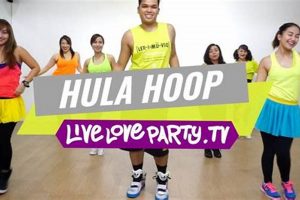
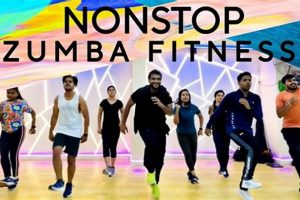
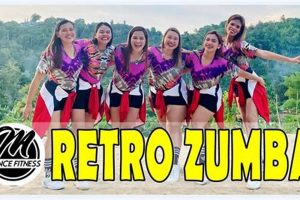
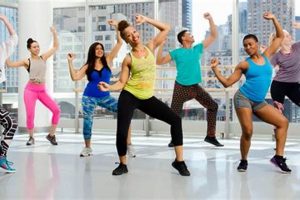
The essence of this fitness activity lies in its fusion of Latin-inspired music and dance movements. It is a program designed to feel less like exercise and more like a party, encouraging participants to engage in aerobic activity through enjoyable and accessible choreography. The practice commonly incorporates styles such as salsa, merengue, cumbia, and reggaeton, adapting steps to be easily followed by individuals of varying fitness levels.
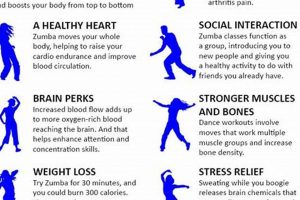
The significance of this approach is multifaceted. It provides a fun and engaging method for cardiovascular improvement, calorie burning, and overall fitness enhancement. Historically, the development stemmed from the desire to create a more inclusive and less intimidating exercise environment, moving away from rigid gym routines and embracing a more playful and culturally diverse approach to physical activity. The benefits extend beyond the physical, fostering a sense of community and enhancing mood through music and movement.
Understanding the core principles of this dance-fitness phenomenon is crucial for appreciating its impact. Further exploration into the specific health advantages, the diverse range of dance styles incorporated, and the strategies for maximizing workout effectiveness will provide a comprehensive understanding of this popular activity.
Maximizing the Benefits of Zumba Dance
To fully leverage the potential health and fitness advantages derived from this dance-fitness activity, adherence to strategic practices is essential. The following recommendations offer guidance for optimizing engagement and achieving desired outcomes.
Tip 1: Prioritize Proper Form. While enjoyment is paramount, maintaining correct posture and alignment during movements is crucial. Focus on engaging core muscles and executing steps with precision to prevent injuries and maximize muscle activation.
Tip 2: Gradually Increase Intensity. New participants should begin with introductory classes and progressively advance to higher intensity levels as fitness improves. This gradual approach minimizes the risk of strain and allows the body to adapt.
Tip 3: Hydrate Adequately. Maintain sufficient hydration levels before, during, and after each session. Dehydration can negatively impact performance and increase the likelihood of muscle cramps.
Tip 4: Incorporate Variety. Explore diverse class formats and instructors to challenge different muscle groups and prevent plateaus. Varying the routine keeps the body engaged and promotes continuous progress.
Tip 5: Select Appropriate Footwear. Wear supportive athletic shoes designed for lateral movement and impact absorption. Proper footwear reduces stress on joints and minimizes the risk of foot and ankle injuries.
Tip 6: Listen to the Body. Pay attention to signals of fatigue or pain. Modify movements or take breaks as needed to avoid overexertion and prevent injuries. Recognizing limitations is vital for long-term participation.
Tip 7: Maintain a Consistent Schedule. Aim for regular participation, ideally two to three times per week. Consistency is key to achieving sustainable fitness improvements and maintaining motivation.
Consistently implementing these strategies enhances the effectiveness and safety of this engaging fitness method, leading to improved cardiovascular health, increased strength, and enhanced overall well-being.
Further exploration of specific choreography techniques and nutritional considerations will provide a more comprehensive understanding of how to optimize the holistic benefits of this dynamic activity.
1. Joyful movement integration

Joyful movement integration stands as a cornerstone in defining the core essence. Its presence directly influences the participant’s experience, shifting the focus from the chore of exercise to the pleasure of rhythmic expression. This element transcends mere physical activity, impacting motivation and sustained participation.
- Reduced Perception of Exertion
The incorporation of engaging music and accessible choreography distracts participants from the perceived intensity of the workout. This results in a more positive association with exercise, encouraging longer and more frequent engagement. For instance, a participant may dance for an hour without consciously focusing on the physical strain, as the enjoyment of the music and movement dominates their experience.
- Enhanced Emotional Well-being
The release of endorphins during physical activity is amplified by the presence of enjoyable music and dance. This synergy elevates mood, reduces stress, and fosters a sense of well-being. A group class environment, combined with uplifting rhythms, promotes social interaction and further enhances the positive emotional impact. The feeling of fun overshadows feelings of dread associated with traditional workouts.
- Increased Adherence and Motivation
The enjoyable nature of the movements promotes higher levels of adherence to the fitness program. Participants are more likely to attend classes regularly when they perceive the activity as enjoyable rather than a chore. This sustained engagement leads to more consistent and significant improvements in physical fitness over time, creating a positive feedback loop of enjoyment and results.
- Creative Self-Expression
The adaptable choreography allows for personal interpretation and creative expression. Participants are encouraged to move in a way that feels natural and comfortable, fostering a sense of self-discovery and body positivity. This emphasis on individual expression further differentiates it from more structured forms of exercise, promoting a more relaxed and accepting approach to physical activity.
In essence, joyful movement integration transforms exercise from a perceived obligation into a desirable activity. By prioritizing enjoyment and fostering a positive emotional connection to movement, this element significantly enhances adherence, promotes well-being, and ultimately defines its enduring appeal.
2. Cultural rhythm expression
Cultural rhythm expression forms a critical component in the understanding of this fitness method. The integration of diverse musical styles and dance traditions is not merely an aesthetic choice but a foundational element that contributes significantly to its appeal and efficacy.
- Global Dance Form Incorporation
The integration of musical genres such as salsa, merengue, cumbia, and reggaeton provides a broad appeal and exposes participants to varied cultural dance forms. This exposure increases engagement by offering something familiar to some while introducing others to new and exciting rhythms. The use of Latin American styles, in particular, establishes the energetic and celebratory tone, distinguishing this program from conventional exercise regimens.
- Emotional Connection Through Music
The selection of music is designed to evoke specific emotions and encourage participants to connect with the movements on a deeper level. Upbeat rhythms and familiar melodies can elicit feelings of joy, nostalgia, and excitement, enhancing the overall experience. For example, the incorporation of a well-known salsa track can inspire participants to move with greater confidence and enthusiasm, fostering a more authentic and enjoyable dance experience.
- Cross-Cultural Appreciation
The program promotes a level of cross-cultural appreciation by introducing participants to dance styles from different regions of the world. This exposure can foster a greater understanding and respect for diverse cultural traditions. Participants may become interested in learning more about the origins of the dance styles and the cultural contexts from which they emerge. This increased awareness can extend beyond the class, enriching participants’ understanding of global cultures.
- Accessibility and Inclusivity
The deliberate selection of rhythms and the simplification of dance steps are aimed at making the activity accessible to a wide range of individuals, regardless of their prior dance experience. By adapting steps to be easily followed, the activity becomes inclusive and welcoming to participants of varying fitness levels and cultural backgrounds. This emphasis on accessibility ensures that the program remains inviting and empowering, fostering a sense of community and shared experience.
In summary, cultural rhythm expression within the activity is not merely decorative; it is integral to its identity and its success. This musical and movement foundation is designed to engage participants emotionally, promote cultural understanding, and create a supportive and accessible fitness environment.
3. Inclusive fitness environment

The presence of an inclusive fitness environment is a defining characteristic and essential component in understanding the broader essence of this dance-fitness approach. It shapes accessibility, participation, and overall experience, directly impacting its success and reach.
- Adaptable Choreography
The choreography is intentionally designed to be adaptable, catering to individuals of varying fitness levels and physical abilities. Modifications are readily available, allowing participants to adjust movements based on their individual needs and limitations. For example, high-impact steps can be modified to low-impact alternatives, ensuring that individuals with joint issues or limited mobility can fully participate without risk of injury. This adaptability promotes accessibility and encourages participation from a wider demographic.
- Welcoming Community Atmosphere
Classes are structured to foster a sense of community and belonging. Instructors often emphasize a non-competitive environment, encouraging participants to focus on personal progress rather than comparing themselves to others. Social interaction is promoted through group activities and partner work, creating opportunities for participants to connect and support each other. This welcoming atmosphere helps to reduce feelings of intimidation and encourages new participants to feel comfortable joining in.
- Diverse Instructor Representation
Instructors often reflect the diversity of the communities they serve, representing a wide range of ages, ethnicities, and body types. This representation helps participants feel more comfortable and connected to the program. When participants see instructors who look like them and share similar backgrounds, they are more likely to feel that the program is designed for them and that they can succeed. Diverse representation is important for creating a sense of inclusivity and belonging.
- Body Positivity Emphasis
The program generally promotes a message of body positivity, encouraging participants to appreciate and celebrate their bodies regardless of their size or shape. The focus is on feeling good and having fun, rather than on achieving specific aesthetic goals. This emphasis on body positivity helps to create a more supportive and accepting environment, where participants feel comfortable being themselves and moving their bodies freely. The removal of judgment and pressure promotes a more positive and sustainable approach to fitness.
The creation of an inclusive fitness environment is therefore not merely a supplementary feature, but a core principle. This emphasis on accessibility, community, diversity, and body positivity ensures that it is a fitness option that is welcoming and empowering for individuals of all backgrounds and abilities, underscoring the multifaceted nature of its meaning and appeal.
4. Cardiovascular health promotion

Cardiovascular health promotion is inextricably linked to the essence of this dance-fitness activity. It represents a tangible health outcome that directly influences and enhances its appeal. The program’s design inherently fosters cardiovascular improvements, solidifying its position as a beneficial form of exercise.
- Elevated Heart Rate Variability
The dynamic and varied movements inherent to the program stimulate periods of elevated heart rate interspersed with intervals of relative recovery. This pattern enhances heart rate variability, an indicator of cardiovascular fitness and adaptability. Regular participation improves the heart’s efficiency, enabling it to respond more effectively to physical and emotional stressors. For example, routine participation might lead to a lower resting heart rate and a more resilient response to sudden physical exertion.
- Improved Lipid Profile
Consistent engagement can positively impact the lipid profile, lowering levels of LDL cholesterol (often referred to as “bad” cholesterol) while elevating HDL cholesterol (“good” cholesterol). This shift reduces the risk of atherosclerosis, a primary contributor to cardiovascular disease. Clinical studies have shown that regular aerobic exercise, such as this dance-fitness format, can significantly improve lipid levels, leading to a reduced risk of heart attack and stroke. An improved lipid profile is an important marker of enhanced cardiovascular function.
- Enhanced Blood Circulation
The repetitive and rhythmic movements contribute to improved blood circulation throughout the body. Increased blood flow delivers oxygen and nutrients to tissues and organs more efficiently, promoting overall health and vitality. Regular physical activity can also help to reduce the risk of blood clots and improve the function of blood vessels. This enhanced circulation can alleviate symptoms of peripheral artery disease and improve energy levels.
- Reduced Blood Pressure
Routine engagement can result in a reduction in both systolic and diastolic blood pressure. Elevated blood pressure is a major risk factor for cardiovascular disease, and lowering it through exercise can significantly reduce the risk of heart attack, stroke, and kidney disease. The combination of aerobic activity and stress reduction often associated with this dance fitness class creates a synergistic effect, promoting healthy blood pressure levels. Consistent participation can be an effective non-pharmacological approach to managing hypertension.
These facets collectively highlight the significant role of cardiovascular health promotion. Through the program’s design, encompassing elevated heart rate variability, improved lipid profile, enhanced blood circulation, and reduced blood pressure, it functions not only as a dance form but also as a valuable tool for promoting and maintaining cardiovascular well-being. It distinguishes itself as a practical approach to heart health, connecting physical activity with measurable health outcomes.
5. Community building dynamics

Community building dynamics are intrinsic to the overall essence of this dance fitness program, extending its definition beyond mere physical exercise. The group-based class structure inherently fosters social connections, creating a supportive and encouraging environment. The shared experience of learning and performing dance routines generates a sense of camaraderie among participants. This social interaction is not accidental; it is actively cultivated by instructors who often incorporate partner work, group exercises, and celebratory moments within the class. For instance, celebratory high-fives after a particularly challenging routine or coordinated group movements amplify the sense of collective accomplishment. The effect is that participants are not only engaging in physical activity but also forging meaningful relationships and expanding their social networks.
The importance of these dynamics is evidenced by the high retention rates observed in many classes. Participants often cite the social aspects as a primary motivator for continued attendance. The support and encouragement received from fellow classmates and the instructor can be particularly beneficial for individuals who are new to exercise or who may lack confidence in their physical abilities. These dynamics also extend beyond the structured class environment. Many groups organize social events outside of class, further strengthening the bonds between participants. These extracurricular activities reinforce the sense of community and contribute to the overall positive experience, thereby increasing long-term adherence and engagement. The shared passion for the activity serves as a unifying factor, transcending age, fitness level, and background.
In summary, community building dynamics are not merely a supplementary aspect, but a fundamental element contributing to its appeal and sustained popularity. These social interactions, fostered by the group environment and cultivated by instructors, enhance the overall experience, promote adherence, and contribute significantly to the program’s identity. Recognizing and understanding this connection is crucial for maximizing the benefits and appreciating the full significance of this approach to fitness. Without these dynamics, the program would likely lose a significant part of its appeal, becoming just another form of solitary exercise.
Frequently Asked Questions
This section addresses common inquiries and clarifies potential misunderstandings regarding the underlying principles of this fitness activity.
Question 1: Is this activity solely a dance class, or does it offer legitimate fitness benefits?
While incorporating dance elements, it provides a comprehensive workout addressing cardiovascular health, muscular endurance, and caloric expenditure. The dance aspect serves as an engaging delivery method for these fitness components.
Question 2: Are prior dance experience or skills required to participate effectively?
No, it is designed to be accessible to individuals of all fitness and dance backgrounds. Choreography is adapted to be easily followed, with modifications offered for varying skill levels. Prior experience is not a prerequisite for participation or enjoyment.
Question 3: What specific physical components are targeted during a session?
Sessions typically engage cardiovascular endurance, muscular strength and endurance (particularly in the legs and core), flexibility, and coordination. The specific emphasis may vary based on the instructor and class format.
Question 4: Are there any potential risks or precautions to consider before participating?
As with any physical activity, certain risks exist. Individuals with pre-existing health conditions (e.g., cardiovascular issues, joint problems) should consult with a healthcare professional prior to participation. Proper hydration and appropriate footwear are also essential precautions.
Question 5: Does this activity primarily focus on weight loss?
While it can contribute to weight loss through caloric expenditure, it offers a more holistic approach to fitness. Emphasis is placed on overall cardiovascular health, muscle toning, and improved well-being, rather than solely targeting weight reduction.
Question 6: Does the incorporation of various cultural dance styles imply a specific cultural appropriation concern?
Instructors are encouraged to approach the use of diverse cultural dance styles with respect and sensitivity. The goal is to appreciate and celebrate these forms, rather than to misrepresent or exploit them. Understanding the origins and context of the movements is essential for responsible and authentic integration.
This compilation addresses prevalent questions, clarifying the multifaceted nature of this fitness activity beyond simple assumptions. Its benefits extend beyond dance elements, providing a legitimate fitness option.
The subsequent section will address advanced training considerations for sustained progress.
Conclusion
The preceding exploration of the term has revealed a nuanced understanding, extending beyond a simple fitness activity. Its essence resides in the fusion of accessible dance movements with invigorating Latin rhythms, promoting not only physical well-being but also a sense of community and cultural appreciation. The emphasis on inclusivity and adaptable choreography ensures its availability to individuals of diverse backgrounds and fitness levels. This combination of factors contributes to its widespread popularity and enduring appeal.
Continued study of this multifaceted activity remains essential for comprehending its impact on individual health and social dynamics. Further investigation into effective training methodologies and cultural nuances will further illuminate its significance in the broader landscape of fitness and well-being. Understanding its meaning fully is essential to reaping the potential of physical, mental and emotional benefits.