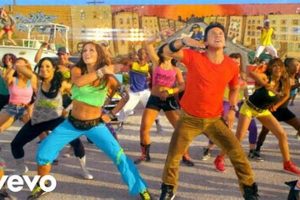
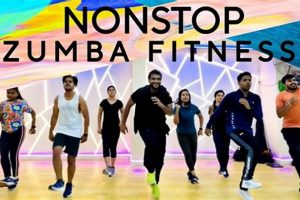
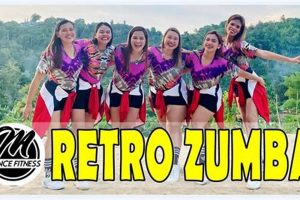
This fitness program fuses Latin rhythms and simple-to-follow moves to create a dynamic workout. It incorporates elements of interval training, alternating between high-intensity bursts and recovery periods. The result is a cardiovascular workout disguised as a dance party, offering a fun and engaging alternative to traditional exercise routines.
Participation offers numerous advantages. Beyond improving cardiovascular health and burning calories, it also enhances coordination, boosts mood, and provides a sense of community. Originating in the late 1990s, this workout has grown globally, becoming a popular option for individuals seeking an enjoyable way to stay active.
The following sections will further examine the specifics of this exercise style, including recommended equipment, modifications for various fitness levels, and tips for maximizing results. This exploration will offer practical information for both beginners and experienced participants.
Optimizing Zumba Dance Cardio
To gain the most from this exercise format, adherence to specific guidelines is beneficial. These encompass preparation, technique, and consistent application.
Tip 1: Prioritize Footwear. Selecting supportive athletic shoes is critical to minimize impact stress on joints. Consider cross-training shoes with adequate cushioning and lateral support.
Tip 2: Hydrate Consistently. Fluid loss during this high-energy activity is substantial. Consume water before, during, and after each session to maintain optimal performance and prevent dehydration.
Tip 3: Master Basic Steps. Familiarize yourself with fundamental Latin dance steps utilized in the choreography. This enhances coordination and reduces the risk of improper form.
Tip 4: Control Range of Motion. Maintain joint stability throughout the movements. Avoid overextension, especially in the knees and elbows, to prevent potential injuries.
Tip 5: Engage Core Muscles. Actively engage abdominal muscles during the routines. This improves posture, enhances balance, and stabilizes the spine.
Tip 6: Listen to Body Signals. Modify movements as necessary to accommodate individual fitness levels and any physical limitations. Stop if experiencing pain or discomfort.
Tip 7: Maintain a Consistent Schedule. Regular participation, ideally several times per week, is vital for achieving noticeable cardiovascular and fitness improvements.
By applying these tips, participants can maximize the efficacy and safety of this dance-based fitness program. This leads to improved physical conditioning and a reduced risk of injury.
The final segment will provide a conclusion summarizing the advantages of this fitness method. It will also offer guidance on integrating it into a comprehensive wellness strategy.
1. Rhythmic Movement

Rhythmic movement forms the bedrock of this engaging exercise format. In this context, rhythmic movement refers to the patterned and repetitive motion coordinated with a musical beat. It is not simply random physical activity, but rather a structured sequence of steps and gestures executed in sync with the tempo and rhythm of Latin-inspired music. The integration of these movements into choreographed routines directly defines the structure and intensity of this workout. For example, the core steps such as the salsa, merengue, and cumbia are characterized by specific rhythmic patterns that dictate footwork and body positioning.
The significance of rhythmic movement extends beyond mere physical activity. The inherent structure fosters improved motor skills, coordination, and spatial awareness. Moreover, the synchronized nature of the movements, in unison with the music, has been associated with increased endorphin release, contributing to a positive emotional state during and after each session. Conversely, a lack of rhythmic consistency or an inability to maintain tempo can hinder the effectiveness of the workout, potentially leading to diminished cardiovascular benefits and increased risk of injury. This is commonly seen in novice participants who struggle with the coordination aspects, resulting in reduced caloric expenditure and improper muscle engagement.
Therefore, a thorough understanding and execution of rhythmic movement are indispensable for maximizing the benefits of this exercise format. Mastery of foundational steps and the ability to adapt movements to the beat of the music are critical for effective participation and the achievement of desired fitness outcomes. In sum, rhythmic movement isn’t just a component; it is the engine driving the physical and psychological benefits derived from this exercise method.
2. Cardiovascular Endurance

Cardiovascular endurance is a central physiological adaptation elicited by participation in this workout. This form of exercise, characterized by sustained rhythmic movements, demands a heightened capacity of the heart and lungs to efficiently deliver oxygenated blood to working muscles. The repetitive dance routines, performed over an extended duration, create a continuous metabolic demand that stimulates cardiovascular system improvements. As an example, individuals consistently participating typically exhibit a reduction in resting heart rate and improved oxygen uptake, both indicators of enhanced cardiovascular efficiency.
The incorporation of interval training within the structure adds to its effectiveness in developing cardiovascular endurance. Alternating between high-intensity bursts and periods of active recovery challenges the heart muscle, compelling it to adapt and strengthen. For instance, a sequence of rapid salsa steps followed by a slower merengue section simulates an interval pattern, maximizing oxygen consumption and promoting efficient fuel utilization. Therefore, the varying intensity promotes improvements in both aerobic and anaerobic energy systems, contributing to a well-rounded cardiovascular fitness profile.
In summary, this dance fitness activity is an accessible and enjoyable approach to improving cardiovascular endurance. Through consistent engagement, individuals can realize tangible benefits such as increased stamina, reduced risk of cardiovascular disease, and enhanced overall physical well-being. The effectiveness arises from the synergistic combination of rhythmic movements, interval training principles, and the inherent motivational factors associated with Latin-inspired music and group participation.
3. Latin-Inspired Music

The essence of this workout lies significantly within its embrace of Latin-inspired music. This musical genre constitutes more than a mere backdrop; it forms the very foundation upon which the choreography, intensity, and overall experience are built. The rhythms and melodies derived from salsa, merengue, cumbia, reggaeton, and other Latin American styles dictate the pace, energy expenditure, and emotional engagement of participants. For example, a salsa track with its rapid tempo and complex syncopation demands quick footwork and high energy, driving cardiovascular exertion. Conversely, a cumbia tune, characterized by a slower, more grounded rhythm, facilitates movements that emphasize core engagement and stability. The inherent cultural vibrancy of this music serves as a powerful motivational force, fostering a sense of enjoyment that transcends conventional exercise.
The influence of Latin-inspired music extends beyond the purely physical. It contributes significantly to the psychological and social dimensions of this group fitness activity. The music’s infectious rhythms promote the release of endorphins, leading to elevated mood and reduced stress. Furthermore, it fosters a sense of cultural connection, uniting participants through a shared appreciation of the diverse sounds and traditions of Latin America. Instructors leverage this connection by incorporating music that reflects the cultural heritage of the movements, providing an educational dimension that deepens the experience. Practical applications of this understanding include the strategic selection of musical tracks to optimize workout intensity, vary movement patterns, and maintain participant engagement over the session’s duration.
In summary, Latin-inspired music constitutes an indispensable element. Its dynamic rhythms and diverse cultural expressions drive the physical, emotional, and social benefits of the workout. An understanding of the nuances within this musical genre empowers instructors and participants alike to maximize the effectiveness and enjoyment derived from the routines. However, the success of the experience hinges not only on the selection of appropriate music but also on its skillful integration into a cohesive and motivating choreographed routine. This careful synthesis ensures that participants realize the full potential of this unique fusion of dance and fitness.
4. Calorie Expenditure

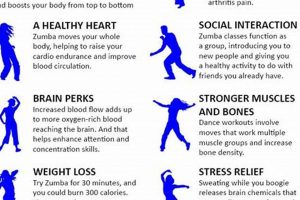
Calorie expenditure represents a fundamental outcome directly linked to participation in this dance fitness format. The sustained, rhythmic movements inherent in the choreographed routines necessitate energy utilization, thereby resulting in the burning of calories. The intensity and duration of each session directly influence the overall calorie deficit achieved, contributing to weight management and improved body composition. For example, a 60-minute session can potentially expend between 300 to 900 calories, contingent on individual factors such as body weight, fitness level, and intensity of participation. This expenditure stems from the activation of multiple muscle groups, sustained cardiovascular exertion, and the metabolic demands of continuous movement.
The importance of calorie expenditure as a component of this fitness practice extends beyond its impact on weight loss. The energy burned during exercise contributes to improved metabolic health, facilitating better glucose regulation and insulin sensitivity. Furthermore, consistent participation can lead to an increase in resting metabolic rate, meaning the body burns more calories even when at rest. Practical significance manifests in individuals experiencing enhanced energy levels, reduced risk of chronic diseases such as type 2 diabetes and cardiovascular disease, and improved overall physical well-being. These benefits highlight that the caloric impact is not only about weight loss but also related to long-term health.
In conclusion, calorie expenditure is an integral and quantifiable outcome of this dance form. Understanding the factors that influence calorie burn, such as intensity, duration, and individual metabolism, allows participants to optimize their training sessions for desired results. While weight loss may be a primary motivator, the broader implications of increased energy expenditure for metabolic health and overall well-being underscore the significance of this aspect of the activity.
5. Group Participation

Group participation is an influential factor shaping the experience and outcomes of this dance fitness program. The communal setting inherent in group classes fosters a unique dynamic distinct from solitary exercise routines. This dynamic impacts motivation, adherence, and overall enjoyment, contributing significantly to the sustained engagement of participants.
- Enhanced Motivation and Accountability
Exercising in a group setting provides a source of external motivation and accountability that is often absent in individual workouts. The presence of fellow participants and an instructor creates an environment of shared goals and mutual support. Individuals are more likely to attend scheduled classes and push themselves to maintain pace with the group, fostering consistency and intensity. This peer influence can be particularly beneficial for individuals who struggle with self-discipline or lack intrinsic motivation.
- Improved Adherence and Retention
The social connections formed within a group fitness environment often lead to increased adherence and retention rates. Participants develop friendships and a sense of belonging, making the class a social outlet as well as a workout. This social aspect increases the likelihood of continued participation, transforming exercise from a chore into an enjoyable and anticipated activity. The accountability to fellow class members further reinforces commitment and reduces the likelihood of attrition.
- Positive Emotional and Psychological Benefits
Group participation fosters a sense of community and shared experience that contributes to positive emotional and psychological well-being. The social interaction, encouragement, and camaraderie among participants can reduce feelings of isolation and stress. The shared accomplishment of completing a challenging workout together cultivates a sense of pride and self-efficacy. Furthermore, the positive energy and enthusiasm within the group are contagious, creating a fun and uplifting atmosphere.
- Opportunities for Social Learning and Support
Group fitness classes provide opportunities for social learning and support. Participants can observe and learn from each other, gaining insights into proper technique, modifications, and strategies for maximizing results. More experienced members often provide informal guidance and encouragement to newcomers, creating a supportive learning environment. This social interaction contributes to a deeper understanding of the exercise and empowers participants to take ownership of their fitness journey.
The facets of group participation highlight its considerable impact on the outcomes of this dance-centric fitness method. By fostering motivation, improving adherence, and promoting positive social and emotional experiences, the communal setting enhances the effectiveness and sustainability of this fitness practice, allowing participants to achieve physical and mental well-being. The group environment, therefore, serves as a catalyst for positive change and sustained engagement with the activity.
6. Choreographed Routines
Choreographed routines constitute the structured framework underpinning the effectiveness and appeal of this fitness style. These routines are not arbitrary sequences of movements; rather, they are carefully designed combinations of steps and patterns synchronized with Latin-inspired music. The presence of choreography ensures consistency, provides a predictable structure for participants, and allows instructors to control the intensity and focus of the workout. For instance, a typical routine might begin with a warm-up sequence consisting of simple salsa steps, progressing to more complex combinations involving merengue or cumbia, and concluding with a cool-down phase emphasizing stretching and relaxation. This deliberate arrangement of movements ensures a balanced workout that targets multiple muscle groups and cardiovascular systems.
The importance of choreography extends beyond mere structural organization. These routines offer a learning curve for participants, improving coordination, memory, and cognitive function. The process of mastering new steps and sequences challenges individuals to enhance their motor skills and spatial awareness. Moreover, the predictability of the choreography fosters a sense of confidence and accomplishment as participants progress through the routines. Practical applications of this understanding involve instructors selecting routines that align with the fitness levels and goals of their participants, ensuring a safe and effective workout. For example, modifying complex steps for beginners or incorporating high-impact variations for more advanced participants demonstrates the flexibility and adaptability of the choreographed format.
The synthesis between dance and fitness rests upon carefully constructed choreographed routines. Their role in regulating intensity, promoting skill development, and fostering a sense of achievement contributes significantly to the overall benefits. However, the successful integration of choreography hinges on the instructor’s expertise in selecting appropriate music, adapting movements to diverse fitness levels, and creating a fun, engaging, and culturally sensitive environment. Overly complex routines can deter new participants, while overly simplistic routines may fail to challenge more experienced individuals. Balancing these factors is crucial for maximizing the long-term success of this fitness offering and for creating an inclusive environment for everyone.
7. Positive Emotion

Positive emotion is a significant element influencing the perceived benefits and adherence to this fitness regimen. The inherent nature of the activity, combining Latin-inspired music with dance movements, generates an environment conducive to emotional upliftment. The resultant sense of enjoyment plays a crucial role in motivating continued participation and maximizing the psychological benefits derived from the exercise.
- Endorphin Release and Mood Enhancement
Physical activity, particularly rhythmic and engaging forms, stimulates the release of endorphins in the brain. These neurochemicals act as natural mood elevators, reducing perceptions of pain and creating feelings of euphoria. The combination of music, movement, and social interaction in this fitness environment amplifies this effect, leading to notable improvements in mood and reduction of stress levels. This is often observed in individuals reporting increased energy and a sense of well-being following each session.
- Stress Reduction and Emotional Well-being
The focused engagement required during dance routines provides a mental distraction from daily stressors. The combination of physical exertion and rhythmic movement can serve as a form of active meditation, allowing individuals to release tension and reduce anxiety. Regular participation has been associated with lower levels of cortisol, a stress hormone, and improved emotional resilience in the face of challenging situations. For example, participants frequently describe a sense of mental clarity and calm after completing a class, facilitating improved coping mechanisms.
- Social Connection and Community Support
The group fitness environment fosters a sense of camaraderie and social connection among participants. The shared experience of moving to music and achieving fitness goals creates bonds of support and encouragement. This social interaction can combat feelings of isolation and loneliness, contributing to a sense of belonging and improved self-esteem. Members often form friendships outside the class setting, further strengthening their social network and support system.
- Sense of Accomplishment and Self-Efficacy
Mastering new dance steps and progressing through choreographed routines provides a sense of accomplishment and enhances self-efficacy. The ability to learn and execute increasingly complex movements fosters a belief in one’s capabilities, translating to increased confidence in other areas of life. Participants often report feeling more empowered and capable after achieving fitness milestones, leading to a positive feedback loop that reinforces continued participation.
The synergistic effect of these elements highlights the profound connection between positive emotion and participation in this fitness exercise. The activity’s ability to elicit emotional upliftment through endorphin release, stress reduction, social connection, and a sense of accomplishment is central to its effectiveness. This fitness approach offers an effective and enjoyable pathway to physical health and improved mental well-being, solidifying its importance in the fitness landscape. However, the sustainability of positive emotional responses depends on creating an inclusive, encouraging, and enjoyable environment that consistently provides a positive experience for participants.
Frequently Asked Questions About Zumba Dance Cardio
The following section addresses common queries regarding Zumba dance cardio, aiming to provide clear and concise information.
Question 1: What are the fundamental components of a Zumba dance cardio workout?
A typical session integrates Latin-inspired music with choreographed dance movements. These routines often incorporate elements of interval training, alternating between high-intensity bursts and periods of active recovery. Basic steps from styles like salsa, merengue, and cumbia form the foundation.
Question 2: Is Zumba dance cardio suitable for individuals with no prior dance experience?
Yes, it is designed to be accessible to participants of varying fitness levels and dance backgrounds. Instructors typically offer modifications to accommodate beginners, allowing them to gradually progress at their own pace. No prior dance proficiency is required to participate.
Question 3: What specific health benefits can be derived from engaging in Zumba dance cardio?
Regular participation improves cardiovascular health, enhances muscular endurance, and promotes calorie expenditure. Additionally, it can boost mood, reduce stress levels, and improve coordination and balance. The group environment also offers opportunities for social interaction and support.
Question 4: What type of footwear is recommended for Zumba dance cardio classes?
Supportive athletic shoes are essential. Cross-training shoes with adequate cushioning and lateral support are generally recommended to minimize impact on joints and prevent injuries. Bare feet or unsupportive footwear should be avoided.
Question 5: How frequently should one engage in Zumba dance cardio to observe tangible results?
Consistent participation is key. Aiming for at least three sessions per week is generally recommended to experience noticeable improvements in cardiovascular fitness, muscle tone, and overall well-being. Consistency, coupled with a balanced diet, will yield optimal results.
Question 6: Are there any potential risks or contraindications associated with Zumba dance cardio?
As with any physical activity, there is a potential risk of injury, particularly if proper form is not maintained. Individuals with pre-existing medical conditions, such as joint problems or cardiovascular issues, should consult with a healthcare professional before participating. Staying hydrated and listening to the body’s signals is crucial.
These questions and answers offer a foundational understanding of Zumba dance cardio. By addressing common concerns and misconceptions, individuals can make informed decisions regarding their participation.
The subsequent section will provide a conclusion summarizing the advantages of this fitness method and offering guidance on integrating it into a comprehensive wellness strategy.
Conclusion
This exploration has illuminated various facets of zumba dance cardio, emphasizing its blend of Latin rhythms, choreographed movements, and interval training principles. The benefits are extensive, encompassing enhanced cardiovascular endurance, calorie expenditure, improved coordination, and positive emotional outcomes. The communal setting and accessibility for diverse fitness levels further contribute to its widespread appeal and effectiveness as a fitness modality.
The sustained engagement with this fitness program requires informed decision-making and a commitment to safe practices. While offering numerous advantages, responsible participation demands attention to individual limitations and adherence to professional guidance. Considering the potential for impactful health benefits, individuals are encouraged to explore zumba dance cardio as a sustainable and enriching element of their comprehensive wellness strategy. Understanding the elements that drive its success is key in extracting the most benefit.