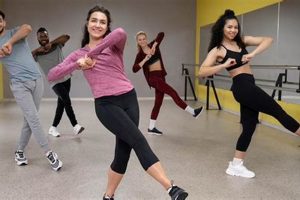
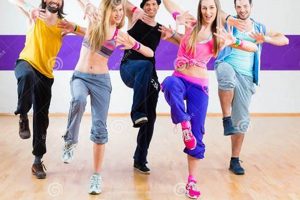
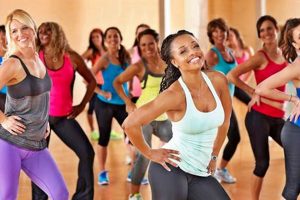
Zumba, a fitness program that combines Latin and international music with dance moves, offers a multifaceted approach to physical activity. It integrates rhythmic steps and aerobic exercise, providing an engaging alternative to traditional workout routines. The incorporation of various dance styles, such as salsa, merengue, and cumbia, creates a dynamic and enjoyable experience for participants.
The advantages of participating in this type of fitness regimen extend beyond mere physical exertion. It can contribute to improved cardiovascular health, enhanced muscular endurance, and increased calorie expenditure, potentially aiding in weight management. Furthermore, the social aspect of group classes can foster a sense of community and motivation, which in turn can promote adherence to a regular exercise schedule. Historically, the program has gained widespread popularity due to its accessibility and its emphasis on fun and inclusivity.
The ensuing sections will delve into the specific physical and mental advantages offered, the potential impact on cardiovascular fitness and weight management, the social and psychological benefits derived from group participation, and considerations for individuals with specific health conditions.
Practical Guidance for Optimizing the Zumba Experience
Maximizing the advantages derived from this physical activity involves more than simply attending classes. A strategic approach, incorporating considerations for personal fitness levels, dietary habits, and overall well-being, can significantly enhance the benefits. The following tips offer guidance for participants seeking to optimize their Zumba practice.
Tip 1: Prioritize Proper Footwear: Adequate support and cushioning are essential. Choose athletic shoes designed for lateral movement and impact absorption to minimize the risk of injury.
Tip 2: Hydrate Consistently: Maintaining sufficient hydration is crucial throughout the duration of the class. Consume water before, during, and after the activity to optimize performance and prevent dehydration.
Tip 3: Listen to the Body’s Signals: Awareness of physical limitations is paramount. Modify movements or take breaks when necessary to avoid overexertion and potential injury.
Tip 4: Gradually Increase Intensity: New participants should progressively increase the intensity and duration of their workouts. This approach allows the body to adapt and minimizes the risk of strain.
Tip 5: Incorporate Strength Training: Supplementing the cardiovascular benefits with strength training exercises can contribute to overall fitness and muscular development. Consider incorporating exercises that target major muscle groups.
Tip 6: Maintain a Balanced Diet: Complementing physical activity with a nutritious diet is essential for maximizing results. Focus on consuming whole foods, lean protein, and complex carbohydrates to support energy levels and recovery.
Tip 7: Seek Qualified Instruction: Participation in classes led by certified instructors ensures proper technique and minimizes the risk of injury. Instructors can also provide modifications and guidance tailored to individual needs.
Adherence to these guidelines can promote a safer and more effective experience, ultimately maximizing the positive outcomes associated with participation.
The subsequent sections will provide a comprehensive overview of potential risks, safety precautions, and contraindications to consider prior to engaging in this fitness activity.
1. Cardiovascular Fitness

Participation in Zumba has a direct and measurable impact on cardiovascular fitness. The activity elevates the heart rate into a target zone that promotes improved cardiovascular function. This increased demand on the circulatory system strengthens the heart muscle, enhances blood vessel elasticity, and improves overall circulation. Evidence suggests that consistent engagement can lead to reductions in resting heart rate and blood pressure, both indicators of improved cardiovascular health. Individuals at risk for cardiovascular disease may find the program a beneficial component of a preventative lifestyle.
The incorporation of interval training principles within Zumba routines further contributes to cardiovascular enhancement. Alternating between high-intensity bursts and periods of moderate activity challenges the cardiovascular system to adapt and become more efficient. This adaptation results in increased oxygen uptake capacity and improved endurance. For example, an individual who initially experiences shortness of breath during the activity will likely find their stamina increasing over time with consistent practice. The dynamic movements, engaging multiple muscle groups, necessitate a heightened oxygen demand, thereby stimulating cardiovascular adaptation.
In conclusion, the link between Zumba and cardiovascular fitness is substantiated by the physiological demands placed on the circulatory system. The sustained elevation of heart rate, coupled with the incorporation of interval training principles, provides a mechanism for improving cardiovascular function. Awareness of this connection allows individuals to make informed decisions regarding the role of Zumba in a comprehensive fitness plan aimed at promoting cardiovascular health.
2. Calorie Expenditure

Zumbas high-energy format directly impacts calorie expenditure, a critical component of weight management and overall metabolic health. The continuous movement and dynamic choreography inherent to Zumba classes necessitate significant energy utilization. This increased energy demand results in a higher caloric burn compared to lower-intensity activities. Calorie expenditure during a single Zumba session can vary based on individual factors such as body weight, fitness level, and the intensity of the class, but generally falls within a range that contributes substantially to daily energy expenditure.
The practical significance of Zumba’s impact on calorie expenditure extends beyond weight loss. Regular participation can contribute to an improved body composition, characterized by a decrease in body fat percentage and an increase in lean muscle mass. This improved body composition subsequently raises an individual’s resting metabolic rate, leading to an increased caloric burn even when at rest. For example, individuals seeking to manage or prevent conditions like type 2 diabetes or metabolic syndrome can find that the enhanced calorie expenditure associated with Zumba aids in regulating blood sugar levels and improving insulin sensitivity. The engagement of multiple muscle groups further augments caloric burn, making it a comprehensive workout option.
In conclusion, the direct correlation between Zumba and calorie expenditure highlights its value as a tool for weight management and metabolic health. The high-intensity, dynamic nature of the activity promotes a significant caloric burn, contributing to improved body composition and overall well-being. Challenges may arise in accurately quantifying individual calorie expenditure, as various factors influence the outcome. However, the evidence strongly supports Zumba as a beneficial exercise modality for those seeking to increase energy expenditure and achieve related health goals.
3. Muscle Toning

The dynamic movements and varied choreography inherent in Zumba contribute significantly to muscle toning across multiple muscle groups. While not a substitute for dedicated strength training, the repetitive motions and resistance against body weight during a typical Zumba class engage and strengthen various muscles, particularly in the lower body and core. The constant shifts in weight and rhythmic steps activate muscles in the legs, glutes, and abdomen, leading to improved muscle definition and endurance. Examples of this include the toning of quadriceps and hamstrings through various step sequences and the strengthening of core muscles via rotational movements associated with Latin dance styles. The practical significance of this muscle toning lies in its contribution to improved posture, balance, and overall functional fitness.
Furthermore, the incorporation of plyometric movements, such as jumps and leaps, further enhances muscle toning. These high-impact exercises engage fast-twitch muscle fibers, promoting both strength and power. The consistent activation of these muscles contributes to an increase in muscle mass and a reduction in body fat percentage. It’s also important to acknowledge that muscle toning not only contributes to physical appearance, but also plays a crucial role in supporting bone density and joint stability. As such, this type of fitness training can have a lasting impact on physical function and reduce risk of mobility issues as one ages.
In summary, while Zumba is primarily recognized for its cardiovascular benefits and calorie expenditure, the contribution to muscle toning is a significant and often overlooked advantage. The constant movement, varied choreography, and incorporation of plyometric elements collectively engage and strengthen multiple muscle groups. Awareness of this benefit allows individuals to better understand the comprehensive advantages of Zumba and incorporate it strategically into a well-rounded fitness regimen. However, it’s important to remember that individual results may vary depending on fitness level, consistency, and dietary habits. The relationship between muscle toning and the overall activity reinforces its value as a holistic approach to fitness.
4. Stress Reduction

The integration of physical activity into a routine serves as a recognized method for mitigating stress. The program, characterized by its dynamic movements and engaging music, provides a specific avenue for achieving this reduction. This section explores the distinct facets through which participation contributes to stress alleviation.
- Endorphin Release
The vigorous nature of Zumba stimulates the release of endorphins, natural mood elevators produced by the brain. These chemicals interact with receptors in the brain, reducing the perception of pain and triggering a positive feeling in the body. The rhythmic movements, combined with upbeat music, amplify this effect, creating a sense of euphoria and reducing feelings of anxiety and stress. The physiological response serves as a buffer against the negative impacts of chronic stress.
- Mindful Movement
The choreography demands focused attention on the present moment. Participants are required to concentrate on the steps and synchronize their movements with the music, diverting their attention from daily stressors and anxieties. This mindful engagement creates a temporary escape from ruminative thoughts and allows for a mental reset. The physical exertion combined with mental focus provides a dual benefit, fostering both physical and psychological well-being. This state of focused awareness can be analogous to meditative practices.
- Social Connection
Group classes provide opportunities for social interaction and community building. Engaging with others in a supportive environment fosters a sense of belonging and reduces feelings of isolation, a known contributor to stress and depression. The shared experience of learning and performing the dance routines creates a sense of camaraderie among participants, enhancing their overall sense of well-being and reducing feelings of social anxiety. These interpersonal connections serve as a buffer against the adverse effects of social isolation.
- Creative Expression
The activity allows participants to express themselves creatively through movement. The freedom to interpret the music and express individual style contributes to a sense of empowerment and self-confidence. This creative outlet provides a channel for releasing pent-up emotions and reducing feelings of frustration or anger. The act of translating emotions into physical expression offers a therapeutic release, promoting emotional regulation and reducing the physiological symptoms of stress.
These facets collectively illustrate the multidimensional approach to stress reduction offered by participation. The combination of physiological, psychological, and social benefits reinforces the value of this fitness regime as a holistic method for managing stress and promoting overall well-being. While individual experiences may vary, the consistent integration of the dance fitness program into a routine can contribute to a significant reduction in perceived stress levels and an improvement in overall mental health.
5. Social Interaction

The group-oriented nature of Zumba classes fosters social interaction, a component often overlooked yet integral to the overall benefits derived from this physical activity. The communal setting provides opportunities for individuals to connect with others who share a common interest in fitness and dance. This social engagement contributes to both psychological well-being and adherence to a regular exercise routine.
- Community Building
The shared experience of learning dance steps and exercising together creates a sense of camaraderie among participants. Regular attendance at classes allows individuals to form relationships with instructors and fellow students, fostering a supportive and encouraging environment. This sense of community can be particularly beneficial for individuals seeking to overcome feelings of isolation or loneliness. For instance, a newcomer to a city might find a Zumba class to be an effective way to meet new people and build a social network.
- Shared Motivation
Exercising in a group setting provides a built-in support system that can enhance motivation and accountability. The presence of others who are striving towards similar fitness goals can inspire individuals to push themselves harder and maintain consistency in their workout regimen. Furthermore, the positive energy and encouragement from instructors and fellow participants can create a more enjoyable and engaging workout experience. This shared motivation reduces the likelihood of individuals abandoning their fitness goals and increases the likelihood of long-term adherence.
- Reduced Social Anxiety
For individuals who experience social anxiety, a structured group setting such as a Zumba class can provide a safe and supportive environment to practice social skills and build confidence. The focus on physical activity and dance movements reduces the pressure to engage in extensive conversation, allowing individuals to gradually ease into social interactions at their own pace. Furthermore, the shared experience of overcoming challenges and learning new skills can foster a sense of accomplishment and self-esteem, which can, in turn, reduce social anxiety.
- Improved Communication Skills
Participation in group fitness classes can enhance communication skills by requiring individuals to interact with instructors and fellow participants. Learning dance steps involves understanding verbal instructions and non-verbal cues, while coordinating movements with others necessitates effective communication and teamwork. These interactions provide opportunities to practice active listening, clear articulation, and non-verbal communication, which can translate into improved communication skills in other areas of life.
The facets discussed above collectively contribute to the social benefits of Zumba. Through community building, shared motivation, anxiety reduction, and improved communication, individuals enhance their well-being and are more likely to sustain their health goals. As such, social interactions related to these fitness classes are not merely supplementary, but rather constitute a significant dimension of the overall positive effects related to participation. The social component reinforces the attractiveness and long-term sustainability.
6. Improved Coordination

The enhancement of coordination represents a significant, albeit often understated, benefit derived from participation in Zumba. This improvement stems from the activity’s demanding choreography, which requires participants to synchronize movements with music and execute complex steps in a rhythmic manner. The development of coordination skills extends beyond the confines of the class, influencing everyday activities and contributing to overall physical competence.
- Enhanced Proprioception
Proprioception, the body’s ability to sense its position and movement in space, is significantly enhanced through Zumba. The constant shifting of weight, changes in direction, and execution of various dance steps require precise awareness of body placement. This heightened proprioceptive sense translates into improved balance, stability, and a reduced risk of falls. For example, an individual who regularly participates in Zumba may exhibit greater agility and coordination when navigating uneven terrain or performing tasks that require fine motor skills.
- Refined Motor Skills
The repetitive practice of dance steps in Zumba refines both gross and fine motor skills. Gross motor skills, involving large muscle movements, are improved through the execution of steps such as jumps, leaps, and turns. Fine motor skills, involving smaller muscle movements, are enhanced through the precise execution of hand and arm movements. This refinement of motor skills contributes to improved efficiency and fluidity in physical tasks, enhancing overall physical performance.
- Increased Neuromuscular Efficiency
Coordination relies heavily on the efficient communication between the nervous system and the muscles. Zumba enhances this neuromuscular efficiency by requiring the brain to process information quickly and accurately in order to coordinate movements. This improved neuromuscular communication translates into faster reaction times, improved agility, and a greater ability to learn and execute new motor skills. The ability to react quickly and efficiently has applications across a spectrum of activities, from sports to everyday tasks.
- Improved Spatial Awareness
The choreography involves moving within a defined space and maintaining awareness of one’s position relative to other participants. This heightened spatial awareness contributes to improved navigation skills and a greater ability to anticipate and react to changes in the environment. The skill to maintain awareness of your surroundings can be beneficial in everyday situations such as driving, navigating crowded areas, or participating in team sports.
In conclusion, the enhancement of coordination through Zumba extends beyond the ability to execute dance steps. The improvements in proprioception, motor skills, neuromuscular efficiency, and spatial awareness contribute to greater physical competence, enhanced safety, and improved overall quality of life. While often viewed as a secondary benefit, improved coordination plays a vital role in the holistic advantages related to participation.
Frequently Asked Questions
This section addresses common inquiries regarding the advantages of engaging in Zumba, offering clarification and informative insights based on established knowledge and evidence-based practices. The purpose is to provide a resource for those seeking a deeper understanding of the potential outcomes associated with participation.
Question 1: Is Zumba an effective method for weight loss?
Zumba can contribute to weight loss due to its high-energy nature, which promotes calorie expenditure. However, weight loss is contingent upon a combination of factors, including dietary habits and overall physical activity levels. While Zumba can be a valuable tool, it is most effective when combined with a balanced diet and a comprehensive fitness plan.
Question 2: How does Zumba compare to other forms of cardiovascular exercise?
Zumba offers a unique blend of cardiovascular and muscular endurance training due to its combination of dance movements and aerobic activity. While it may not be as targeted as specific cardio exercises like running or cycling, the social aspect and engaging music often improve adherence and make it a sustainable exercise option for many individuals. The benefit derives from its enjoyability, motivating consistent practice.
Question 3: Can Zumba improve muscle strength and tone?
Zumba does contribute to muscle toning, particularly in the core and lower body, due to the repetitive movements and use of body weight as resistance. However, it is not a substitute for dedicated strength training. Those seeking significant muscle hypertrophy or strength gains may need to supplement Zumba with other forms of resistance exercise.
Question 4: Are there any risks or precautions to consider before starting Zumba?
As with any physical activity, certain risks are associated with Zumba. Individuals with pre-existing health conditions, such as cardiovascular issues, joint problems, or back pain, should consult with a healthcare professional before participating. Proper footwear and hydration are also essential to minimize the risk of injury. Listening to one’s body and modifying movements as needed is vital.
Question 5: Does Zumba offer mental health benefits?
Yes, Zumba is known to promote mental well-being through the release of endorphins, natural mood elevators produced by the brain. The social interaction and engaging music also contribute to stress reduction and improved mood. The activity’s focused movements also foster a mindful state, promoting a sense of calmness and reducing anxiety.
Question 6: Is prior dance experience required to participate in Zumba?
No, prior dance experience is not necessary to participate. Classes are designed to be accessible to individuals of all fitness levels and dance backgrounds. Instructors typically provide modifications and guidance to accommodate beginners. The emphasis is on having fun and moving to the music, rather than achieving perfect execution of dance steps.
In summary, the fitness regimen presents a multifaceted approach to health and wellness, encompassing physical, mental, and social dimensions. The considerations and clarifications presented within this section provide a foundation for informed participation and enhanced understanding of the benefits associated with this activity.
The subsequent segment explores the practical considerations for maximizing one’s experience, including dietary adjustments, exercise strategies, and the importance of certified instruction.
What are the Benefits of Zumba Dance
This exploration has elucidated the multifaceted advantages associated with Zumba. Beyond its reputation as a recreational activity, it presents a confluence of physical and mental health benefits. The demonstrated impact on cardiovascular fitness, calorie expenditure, muscle toning, stress reduction, social interaction, and coordination underscores its potential to contribute significantly to overall well-being. Each of these facets reinforces its value as a holistic fitness modality.
Given the potential for positive outcomes detailed herein, informed consideration should be given to incorporating Zumba into a balanced lifestyle. Its accessibility and emphasis on enjoyment offer a pathway to sustained physical activity, fostering long-term health benefits. Continued research and individual commitment to consistent participation will further illuminate its enduring significance in promoting physical and mental wellness.