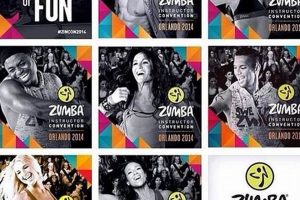
Competencies required to effectively lead and manage Zumba fitness classes constitute a specific skill set. These encompass the capacity to choreograph routines, provide clear and concise instructions, motivate participants, and adapt to varying fitness levels within a group setting. An example includes the ability to modify high-impact movements for individuals with joint issues, ensuring a safe and inclusive workout experience.
The development and refinement of these capabilities are vital for ensuring participant engagement, minimizing the risk of injury, and fostering a positive class atmosphere. Historically, the emphasis on these attributes has grown in tandem with the increasing popularity of Zumba as a widespread fitness program. Well-honed capabilities in this area contribute to higher retention rates, increased participant satisfaction, and a reputation for excellence within the fitness community.
The ensuing discussion will elaborate on the key elements of effective class management, the nuances of choreography and cueing, and the importance of fostering an inclusive and motivational environment within the Zumba context. Further sections will address the necessity of continued professional development and strategies for building a thriving Zumba practice.
Essential Guidance for Zumba Leadership
The following provides practical advice intended to elevate the proficiency of instructors leading Zumba fitness classes. Implementation of these strategies contributes to improved class dynamics, enhanced participant experience, and ultimately, professional growth.
Tip 1: Master Foundational Rhythms. A deep understanding of the core rhythms inherent in Zumba such as Salsa, Merengue, Cumbia, and Reggaeton is paramount. This enables the creation of authentic and engaging choreographies that resonate with the spirit of the dance styles.
Tip 2: Prioritize Clear Cueing Techniques. Verbal and non-verbal cues must be precise and readily understood. Employ a combination of directional cues (e.g., “step to the right”), countdowns, and visual demonstrations to ensure participants can follow the routine effectively.
Tip 3: Construct Progressively Challenging Choreography. Routines should be structured to gradually increase in intensity and complexity. This allows participants of varying fitness levels to participate effectively and experience a sense of accomplishment.
Tip 4: Maintain Dynamic Energy Levels. Enthusiasm is contagious. Exhibit consistent energy and positive reinforcement throughout the class to motivate participants and create an enjoyable atmosphere.
Tip 5: Incorporate Modifications for Diverse Needs. Provide modifications for high-impact movements to accommodate individuals with injuries or limitations. Offer lower-intensity options and encourage participants to listen to their bodies.
Tip 6: Cultivate an Inclusive Class Environment. Foster a welcoming and supportive atmosphere where participants feel comfortable regardless of their dance experience or fitness level. Emphasize enjoyment and personal progress over perfection.
Successful implementation of these recommendations will result in more engaging, effective, and inclusive Zumba classes. The ultimate outcome is enhanced participant satisfaction, improved retention rates, and a stronger professional reputation.
The subsequent section will delve into the importance of ongoing professional development and strategies for maintaining a thriving Zumba practice over the long term.
1. Choreography Expertise

Choreography expertise forms a cornerstone of demonstrable competence in Zumba instruction. The ability to design and implement engaging and effective routines directly impacts participant engagement, fitness outcomes, and overall class satisfaction. A Zumba instructor’s choreography must effectively blend rhythm, movement, and musicality, necessitating a deep understanding of various dance styles and their practical application within a fitness context. For example, transitioning smoothly between a Salsa segment that builds cardiovascular endurance and a Cumbia section focused on core strengthening requires a planned and purposeful choreography sequence.
Insufficient choreography can lead to participant disengagement, potential injury, and a diminished perception of the instructor’s competence. In contrast, expertly crafted routines that incorporate progressive difficulty, diverse movement patterns, and appropriate modifications demonstrate a command of the discipline and contribute to a positive and challenging workout experience for all participants. Practical application involves analyzing participant feedback, observing class performance, and continually refining choreography to meet the evolving needs and capabilities of the group. This ongoing process ensures that the class remains stimulating and effective.
In summation, the level of proficiency in choreography is a direct indicator of an instructor’s overall skill. Mastering this aspect requires continuous learning, practical application, and a keen awareness of participant needs. This combination not only enhances the quality of individual classes but also contributes to the long-term success and sustainability of the instructor’s practice. Failure to prioritize this area presents significant challenges in retaining participants and building a reputable Zumba program.
2. Effective Communication
Effective communication is a critical component within the broader spectrum of capabilities required for successful Zumba instruction. It transcends mere verbal instruction, encompassing non-verbal cues, empathetic interaction, and the capacity to convey complex movement sequences in an easily understandable manner. This capability directly influences participant comprehension, safety, and overall class engagement.
- Clarity of Instruction
Precise and unambiguous verbal cues are essential for guiding participants through choreography. Instructions must be delivered in a manner that minimizes ambiguity and allows individuals to execute movements correctly. For example, instead of simply stating “move to the side,” a more effective cue would be “step to the right, maintaining core engagement.” This level of detail reduces the risk of misinterpretation and potential injury.
- Non-Verbal Communication
Body language, facial expressions, and hand gestures are integral to conveying energy and enthusiasm. An instructor’s non-verbal cues can reinforce verbal instructions, motivate participants, and create a more engaging atmosphere. For instance, a demonstrative arm movement accompanying a verbal cue emphasizes the direction and intensity of the step, allowing participants to visually grasp the intended action. Conversely, a lack of non-verbal engagement can lead to a perception of apathy, diminishing the class’s overall energy.
- Constructive Feedback
The ability to provide constructive feedback, both individually and to the group as a whole, is crucial for participant improvement. Feedback should be specific, actionable, and delivered in a supportive manner. For example, instead of simply saying “that’s wrong,” a more effective approach would be “try engaging your core more fully during that movement; it will improve your balance.” This type of feedback encourages learning and fosters a positive class environment.
- Active Listening and Empathy
Recognizing and responding to the needs of participants requires active listening and empathetic awareness. An instructor must be attuned to non-verbal cues that indicate discomfort, difficulty, or misunderstanding. Adjusting the intensity of the routine or offering modifications based on observed needs demonstrates a commitment to inclusivity and participant well-being. Ignoring these cues can lead to participant frustration or, in more severe cases, injury.
In summary, effective communication is not merely a supplementary aspect of Zumba instruction; it is a fundamental element that directly impacts the success of each class. The ability to convey instructions clearly, engage participants non-verbally, provide constructive feedback, and demonstrate empathy is paramount for creating a safe, effective, and enjoyable workout environment. Mastery of these communication facets elevates the instructor’s capabilities and fosters a strong sense of community within the class.
3. Motivational Techniques

The integration of motivational techniques is paramount within the landscape of capabilities essential for a proficient Zumba instructor. These methods extend beyond mere encouragement, encompassing the strategic implementation of psychological principles to foster adherence, enhance performance, and cultivate a positive and engaging class atmosphere.
- Goal Setting and Achievement Recognition
Assisting participants in establishing realistic and attainable fitness goals, coupled with the acknowledgment of their achievements, is a potent motivational tool. An instructor might, for example, encourage participants to focus on improving their coordination or increasing their stamina over a defined period. Recognizing milestones, such as mastering a challenging choreography sequence or consistently attending classes, reinforces positive behavior and promotes sustained engagement. This strategy shifts the focus from external pressures to internal motivation.
- Positive Reinforcement and Encouragement
The consistent application of positive reinforcement serves to build confidence and create a supportive class environment. This involves providing specific and genuine praise for effort and improvement, rather than solely focusing on performance outcomes. For instance, an instructor might commend a participant for their energy and enthusiasm, even if they are struggling with the steps. This type of encouragement fosters a sense of belonging and motivates individuals to continue striving towards their fitness goals.
- Creating a Sense of Community
Fostering a sense of community within the Zumba class is a powerful motivational technique. This can be achieved through various strategies, such as encouraging participants to interact with one another, organizing social events outside of class, and promoting a culture of mutual support and encouragement. A strong sense of community creates a social accountability mechanism, increasing the likelihood that participants will continue attending classes and adhering to their fitness goals. This communal aspect differentiates Zumba from solitary exercise modalities.
- Varied Choreography and Engaging Music
Maintaining participant interest and motivation necessitates the continuous introduction of novel choreography and a diverse selection of music. Repetitive routines and monotonous playlists can lead to boredom and disengagement. An instructor should strive to incorporate new dance styles, experiment with different tempos, and select music that resonates with the participants’ preferences. This ongoing variety stimulates both the mind and body, contributing to a more enjoyable and motivating workout experience. For example, incorporating a new fusion of Latin and hip-hop styles, or introducing a throwback music theme, can reignite enthusiasm.
These techniques, when implemented strategically and consistently, significantly enhance the effectiveness of a Zumba instructor. By fostering intrinsic motivation, building confidence, and creating a supportive community, instructors can empower participants to achieve their fitness goals and cultivate a lifelong commitment to physical activity. The integration of these psychological principles transforms a standard Zumba class into a dynamic and transformative experience.
4. Adaptability

Adaptability is a crucial attribute within the spectrum of capabilities defining a proficient Zumba instructor. Its influence permeates various aspects of class management and instructional delivery, directly impacting participant engagement, safety, and overall program effectiveness. The capacity to modify routines, adjust intensity levels, and respond effectively to unforeseen circumstances constitutes the core of this competency. A lack of adaptability can lead to participant disengagement, increased risk of injury, and a diminished perception of the instructor’s professionalism.
The practical significance of adaptability is evident in diverse scenarios. Consider a class comprised of individuals with varying fitness levels and physical limitations. An instructor lacking adaptability may adhere rigidly to a pre-determined routine, potentially alienating participants who are unable to keep pace or perform high-impact movements. Conversely, an adaptable instructor will proactively offer modifications and alternative exercises, ensuring that all participants can engage safely and effectively. This proactive approach fosters inclusivity and promotes a positive learning environment. In unforeseen circumstances, such as equipment malfunction or unexpected changes in the class composition, the instructor’s ability to improvise and adjust the session accordingly is paramount for maintaining momentum and ensuring a seamless experience for the participants. For example, adapting a routine on the fly due to a sudden audio issue showcases professionalism.
In conclusion, adaptability is not merely a desirable trait, but a fundamental requirement for successful Zumba instruction. It directly influences the instructor’s ability to cater to the diverse needs of participants, mitigate potential risks, and maintain a dynamic and engaging class environment. Cultivating this competency requires continuous learning, a keen awareness of participant feedback, and a willingness to adjust instructional strategies based on real-time observations. A failure to prioritize adaptability can significantly impede the instructor’s ability to build a thriving Zumba practice and foster long-term participant engagement.
5. Musicality

Musicality, in the context of Zumba instruction, transcends a mere appreciation for music. It represents a comprehensive understanding and application of musical elements to enhance the fitness experience. This connection forms a cornerstone of effective Zumba leadership, influencing choreography, cueing, and overall class engagement.
- Rhythm Interpretation and Choreography
Accurate interpretation of rhythmic structures is essential for developing choreography that aligns with the musicality of a song. This involves identifying the downbeat, understanding syncopation, and translating these elements into corresponding movements. For example, a competent instructor will design choreography that emphasizes the strong beats in a reggaeton track while incorporating nuanced movements that reflect the subtler rhythms. Mismatched choreography diminishes the impact of the music and reduces the effectiveness of the workout.
- Tempo Control and Energy Management
Effective use of tempo variations directly influences the intensity and energy levels within a Zumba class. Understanding how tempo impacts movement velocity allows the instructor to strategically manage the participants’ exertion levels. For example, a gradual increase in tempo during a salsa routine can build cardiovascular endurance, while a slower tempo during a cumbia section provides an opportunity for recovery. Ineffective tempo management can lead to participant fatigue or disengagement.
- Musical Phrasing and Cueing
Synchronization of movement cues with musical phrases enhances the clarity and impact of instructions. This involves identifying significant musical cues, such as breaks, transitions, and climaxes, and aligning verbal and non-verbal cues accordingly. For example, cueing a directional change just before a musical transition allows participants to anticipate the movement and maintain a seamless flow. Poorly timed cues disrupt the rhythm and create confusion.
- Genre Proficiency and Authenticity
A strong understanding of diverse musical genres common to Zumba, such as Salsa, Merengue, Cumbia, and Reggaeton, enables the instructor to create authentic and culturally sensitive choreographies. This includes knowledge of the characteristic instruments, rhythms, and movement patterns associated with each genre. For example, incorporating genuine Merengue steps into a Merengue routine demonstrates cultural awareness and enhances the authenticity of the experience. Inaccurate or culturally insensitive interpretations detract from the educational and cultural value of the Zumba class.
Musicality, therefore, represents a confluence of rhythmic awareness, tempo control, cueing precision, and genre proficiency. Its integration elevates the quality of Zumba instruction, creating a more engaging, effective, and culturally enriching fitness experience. The absence of a strong foundation in this area hinders the instructor’s ability to connect with the music and effectively guide participants through the workout.
6. Class Management

Effective class management constitutes a critical element within the overarching framework of Zumba instructor skills. It encompasses the strategies and techniques employed to organize, direct, and maintain a productive and safe learning environment for all participants. The absence of sound class management practices can undermine even the most expertly choreographed routines and engaging musical selections.
- Space Optimization and Arrangement
The strategic utilization of studio space is paramount for ensuring participant safety and facilitating unrestricted movement. Instructors must consider the number of attendees, the complexity of the choreography, and any potential obstructions when arranging the class layout. A well-organized space minimizes the risk of collisions and allows participants to fully engage in the workout. Failure to optimize space can lead to overcrowding, discomfort, and increased risk of injury.
- Time Management and Pacing
Efficient allocation of time across different segments of the Zumba class, including warm-up, high-intensity intervals, cool-down, and stretching, is essential for maximizing fitness benefits and preventing overexertion. An instructor must accurately gauge the duration of each segment and adjust the pace accordingly to maintain participant engagement and adherence to the overall class schedule. Poor time management can result in an inadequate warm-up, an abrupt cool-down, or a rushed pace that compromises participant safety and enjoyment.
- Conflict Resolution and Participant Interaction
The ability to address interpersonal conflicts and manage diverse participant personalities is crucial for maintaining a positive and inclusive class atmosphere. An instructor must possess strong communication skills, empathy, and the capacity to mediate disputes effectively. Prompt and equitable resolution of conflicts prevents escalation and fosters a sense of community among participants. Failure to address conflicts can disrupt the class dynamic and create a hostile environment.
- Safety Protocols and Emergency Preparedness
Adherence to established safety protocols and preparedness for potential emergencies are non-negotiable aspects of responsible class management. Instructors must be knowledgeable of emergency procedures, maintain a visible first-aid kit, and be capable of responding effectively to medical incidents. Proactive implementation of safety measures minimizes the risk of injury and ensures participant well-being. Neglecting safety protocols can expose participants to unnecessary risks and create legal liabilities for the instructor.
These facets of class management are interwoven and contribute to a holistic approach to Zumba instruction. Proficiency in these areas enhances the instructor’s ability to create a safe, effective, and enjoyable workout experience for all participants. The integration of these capabilities solidifies the instructor’s professional standing and fosters long-term participant loyalty. Neglecting class management in favor of solely focusing on choreography or musicality undermines the overall quality and sustainability of the Zumba program.
7. Safety Awareness

Safety awareness forms an indispensable component of demonstrable competency as a Zumba instructor. The ability to recognize, mitigate, and respond to potential hazards within a class setting directly influences participant well-being, program adherence, and the instructor’s professional reputation. A failure to prioritize safety can result in injuries, legal liabilities, and a decline in participant trust. The correlation between safety awareness and comprehensive capabilities in this domain is, therefore, fundamental.
Practical examples illustrate the significance of this connection. An instructor with heightened safety awareness will proactively screen participants for pre-existing conditions, modify routines to accommodate diverse fitness levels, and provide clear instructions regarding proper form and technique. Furthermore, such an instructor will routinely inspect the studio environment for potential hazards, such as uneven flooring or inadequate ventilation. Should an injury occur, a safety-conscious instructor will possess the skills and knowledge to administer basic first aid and contact emergency services promptly. These actions, underpinned by a strong commitment to safety, minimize the risk of incidents and foster a secure and supportive environment for all participants. For example, noticing that someone is not hydrated in the Zumba class and advice him/her to take a break is an example of safety awarenes.
In summation, safety awareness is not merely a supplementary consideration but an integral aspect of comprehensive Zumba instruction. Its integration requires continuous learning, proactive risk assessment, and a genuine commitment to participant well-being. Challenges include maintaining vigilance amidst the demands of choreography and class management, and effectively communicating safety protocols to a diverse group of individuals. However, prioritizing safety awareness is essential for building a thriving Zumba practice and fostering long-term participant loyalty. The long run commitment requires safety first.
Frequently Asked Questions Regarding Zumba Instructor Competencies
The following addresses common inquiries concerning the skills necessary for effective Zumba instruction. The responses aim to provide clarity and actionable insights for aspiring and current instructors.
Question 1: What constitutes the most critical aptitude for a Zumba instructor?
While numerous capabilities contribute to success, adaptability ranks among the most vital. The capacity to modify routines to accommodate varying fitness levels and physical limitations ensures inclusivity and minimizes the risk of injury.
Question 2: How can an instructor effectively manage participants with diverse dance backgrounds?
Clear and concise cueing is paramount. Instructions should be unambiguous, and visual demonstrations should accompany verbal cues. This approach facilitates comprehension for individuals with limited dance experience.
Question 3: Is choreography the sole determinant of a successful Zumba class?
No. While engaging choreography is essential, effective class management, including space optimization and time allocation, contributes significantly to the overall experience.
Question 4: What role does musicality play in Zumba instruction?
Musicality is integral to creating a cohesive and engaging workout. A proficient instructor understands rhythmic structures and aligns choreography and cueing accordingly.
Question 5: How can an instructor cultivate a motivational class environment?
Positive reinforcement, goal setting, and the creation of a sense of community are effective strategies. A supportive and encouraging atmosphere fosters adherence and enhances participant enjoyment.
Question 6: What measures should an instructor take to ensure participant safety?
Prioritizing safety involves screening participants for pre-existing conditions, providing modifications, and maintaining a hazard-free studio environment. Knowledge of emergency procedures is also crucial.
In summary, successful Zumba instruction requires a multifaceted skill set encompassing adaptability, communication, class management, musicality, motivation, and safety awareness. Continuous development in these areas is essential for long-term success.
The subsequent section will delve into strategies for continuing education and professional development within the Zumba instructor field.
Conclusion
The preceding analysis underscores the multifaceted nature of the capabilities vital for effective Zumba instruction. The exploration of choreography expertise, communication proficiency, motivational techniques, adaptability, musicality, class management, and safety awareness reveals a complex interplay of skills necessary for ensuring participant engagement, program effectiveness, and instructor success. Mastery requires continuous learning, practical application, and a commitment to fostering a safe and supportive environment.
The enduring success of Zumba programs hinges upon the dedication of instructors to cultivating and refining these essential competencies. The continuous pursuit of professional development and a commitment to prioritizing participant well-being will ultimately define the future of Zumba instruction and its impact on individual fitness journeys. Prioritizing the refinement of these capabilities remains paramount for sustained success and enduring positive influence.