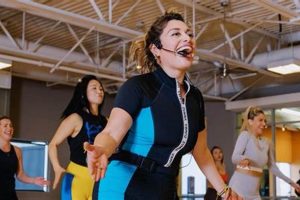
Compensation for leading Zumba classes varies depending on several factors. The arrangement often hinges on employment status, the venue hosting the class, and the instructor’s experience and certifications. This compensation can take the form of an hourly wage, a fixed fee per class, or a percentage of the class revenue.
Understanding these compensation models is crucial for instructors seeking financial stability and for studios aiming to attract and retain qualified personnel. Knowing market rates allows instructors to negotiate fair compensation, while studios can budget effectively and remain competitive. The evolution of fitness trends and the increasing popularity of specialized classes like Zumba have impacted earning potentials within the industry.
The following sections will delve into the specific payment structures commonly used, examining the advantages and disadvantages of each, and exploring factors that influence earning potential in this dynamic field. The discussion will cover employment versus independent contractor status, payment variations based on location and class size, and strategies for instructors to maximize their income.
Strategies for Maximizing Compensation
Effective strategies for optimizing income are essential for Zumba instructors to achieve financial success. The following points provide insights into how instructors can increase their earning potential and negotiate favorable terms.
Tip 1: Pursue Advanced Certifications: Obtaining specialized Zumba certifications can increase market value. Higher-level certifications often allow instructors to command higher fees per class due to enhanced skill and knowledge.
Tip 2: Develop a Strong Brand: Building a recognizable personal brand attracts more students. This can involve creating a professional website, engaging on social media, and consistently delivering high-quality classes to foster loyalty.
Tip 3: Negotiate Contract Terms: When working as an independent contractor, thoroughly review and negotiate contract terms. Pay attention to the percentage of revenue received, cancellation policies, and responsibility for marketing expenses.
Tip 4: Diversify Income Streams: Explore additional income opportunities beyond regular classes. This includes offering private lessons, workshops, or online Zumba sessions to expand the client base and generate supplemental revenue.
Tip 5: Track Expenses Meticulously: Maintaining detailed records of business expenses, such as certification fees, travel costs, and marketing materials, allows for accurate tax deductions. This reduces the overall tax burden and maximizes net income.
Tip 6: Network Actively: Building relationships with studio owners, gym managers, and other fitness professionals can lead to new opportunities and higher-paying positions. Attending industry events and conferences can also broaden professional connections.
Tip 7: Seek Performance-Based Bonuses: Inquire about performance-based bonus structures. Some studios offer bonuses based on class attendance, client retention rates, or positive feedback from participants, creating opportunities for increased earnings.
These strategies collectively contribute to increased earning potential for Zumba instructors. By implementing these tips, instructors can improve their financial standing and establish a thriving career.
The subsequent sections will examine common pitfalls to avoid and provide resources for further professional development.
1. Hourly Rate

The hourly rate represents one method by which Zumba instructors are compensated for their services. Its prevalence and structure are directly tied to the overall mechanism of determining instructor pay and are influenced by a variety of factors within the fitness industry.
- Determination of Hourly Rate
The hourly rate is typically established based on factors such as the instructor’s experience level, certifications held, and the market rates prevalent in the geographic location. Instructors with advanced certifications or a substantial track record often command higher hourly rates. Gyms and studios conduct market research to determine competitive rates that attract and retain qualified instructors while maintaining profitability.
- Advantages for Instructors
An hourly rate offers a degree of income stability compared to other compensation models like per-class fees or revenue sharing. Instructors are guaranteed a fixed payment for each hour worked, regardless of class attendance numbers. This predictability allows for better financial planning and reduces the risk associated with fluctuating class sizes.
- Disadvantages for Instructors
The hourly rate may limit earning potential during peak class times or periods of high demand. Instructors are not directly rewarded for increased class attendance or exceptional performance beyond their standard hourly wage. This can disincentivize efforts to grow class sizes or improve class quality.
- Impact of Employment Status
Whether an instructor is classified as an employee or an independent contractor significantly affects the application of the hourly rate. Employees typically receive benefits and are subject to employer withholding taxes, while independent contractors are responsible for their own taxes and do not receive benefits. The employment classification directly influences the net income derived from the hourly rate.
The hourly rate is a common and straightforward method for paying Zumba instructors, providing both advantages and disadvantages. Understanding how hourly rates are determined and their implications for income is essential for instructors and studios alike in establishing fair and sustainable compensation arrangements. This rate impacts budgeting for studios and financial planning for instructors.
2. Per-class fee

The per-class fee is a direct and quantifiable method of instructor compensation. It represents a fixed payment received for each Zumba class taught. This structure directly influences instructors’ overall earnings, providing a clear link between their teaching effort and financial reward. The presence of this fee structure as a component of instructor compensation is important; it offers simplicity in accounting and predictability in income for both the instructor and the hosting venue. For example, a studio might offer a Zumba instructor $50 per class, irrespective of the number of attendees. This straightforward agreement fosters transparency and allows instructors to easily forecast their income based on the number of classes they teach per week.
The per-class fee system can motivate instructors to manage their time effectively and seek additional teaching opportunities to augment their income. However, a fixed fee does not account for variations in class sizes. An instructor teaching a packed class with high energy may receive the same compensation as teaching a sparsely attended session. This can lead to a perception of unfairness if attendance varies significantly. Furthermore, studios might adjust the per-class fee based on market demand, instructor experience, or the studio’s financial performance, leading to fluctuations in compensation.
In summary, the per-class fee serves as a fundamental component of instructor compensation, providing transparency and predictability. While straightforward in implementation, it lacks the flexibility to reward instructors for exceptional performance or account for fluctuations in class size. Understanding this payment method is crucial for instructors seeking to negotiate fair compensation and for studios aiming to attract and retain qualified instructors. The prevalence and viability of this payment method are continuously evaluated in relation to other compensation models within the dynamic landscape of fitness instruction.
3. Revenue percentage

Revenue percentage represents a compensation model where Zumba instructors receive a predetermined portion of the revenue generated by their classes. This contrasts with fixed payments, such as hourly wages or per-class fees, where compensation remains constant regardless of class attendance or income. The revenue percentage directly ties an instructor’s earnings to the financial success of the class, creating a performance-based compensation structure.
The specific percentage allocated to the instructor varies, influenced by factors such as the instructor’s experience, qualifications, the studio’s operational costs, and prevailing market rates. For instance, a highly experienced instructor with specialized certifications might negotiate a larger revenue share. A studio operating in a high-cost location might offer a lower percentage to maintain profitability. This compensation method benefits instructors by incentivizing them to promote classes and attract more participants, as their earnings increase proportionally with class revenue. Conversely, it presents a risk, as income may be lower during periods of low attendance or if marketing efforts are unsuccessful. This method aligns instructor and studio interests, promoting collaborative efforts to maximize class revenue. For example, an instructor receiving 60% of the revenue from a class generating $200 would earn $120, while the studio retains $80.
Challenges associated with this model include the need for transparent revenue tracking and accounting practices. Both the instructor and the studio must agree on the method for calculating revenue and accurately tracking attendance. Furthermore, the variability in income can make financial planning challenging for instructors. In summary, the revenue percentage method offers both opportunities and challenges, directly impacting how instructors are compensated. Its effective implementation relies on transparent agreements, accurate revenue tracking, and a shared commitment to promoting class growth. This income strategy stands as a testament to the evolving business model in fitness industry.
4. Contract agreements

Contract agreements establish the formal framework governing compensation for Zumba instructors. These documents define the terms of employment or engagement, clarifying the specific methods and amounts by which instructors are compensated. The provisions within a contract agreement are pivotal in determining an instructor’s financial security and entitlements.
- Defining Payment Structure
Contract agreements explicitly outline the payment structure, whether it is an hourly rate, a per-class fee, a percentage of class revenue, or a combination thereof. The agreement specifies the exact amount or percentage the instructor will receive, along with any conditions affecting this compensation. Example: A contract might state “$30 per Zumba class” or “60% of class revenue after studio expenses.” This definition minimizes ambiguity and provides a clear understanding of the compensation model.
- Specifying Payment Schedule
The payment schedule, a critical component of contract agreements, details when and how instructors receive their compensation. This includes the frequency of payments (e.g., bi-weekly, monthly) and the method of payment (e.g., direct deposit, check). Clear stipulations regarding payment timing prevent delays and ensure instructors receive timely remuneration. Example: “Payments will be made via direct deposit on the 15th and last day of each month.”
- Addressing Termination and Cancellation
Contract agreements delineate terms related to termination and class cancellations, which directly impact compensation. The agreement specifies notice periods required for termination by either party and outlines compensation arrangements for cancelled classes. Example: “In the event of a class cancellation due to inclement weather, the instructor will receive 50% of the agreed-upon per-class fee.” Such clauses protect both the studio and the instructor from financial losses resulting from unforeseen circumstances.
- Governing Intellectual Property
Contract agreements may address intellectual property rights related to choreography or class materials. The agreement clarifies ownership of such materials and specifies any restrictions on their use. While not directly related to the amount paid, intellectual property clauses indirectly influence earning potential by defining the scope of the instructor’s rights and responsibilities. Example: “All choreography created for studio classes remains the property of the instructor, subject to studio’s right to use it for promotional purposes.”
The facets of contract agreements underscore their critical role in defining “how do Zumba instructors get paid.” These agreements minimize ambiguity, establish clear payment terms, and provide a legal framework for the instructor-studio relationship, fostering transparency and promoting fair compensation practices. By carefully reviewing and negotiating contract terms, instructors can safeguard their financial interests and establish a sustainable career.
5. Location impact
Geographic location significantly influences compensation for Zumba instructors. Varying economic conditions, population densities, and demand for fitness services create disparities in earning potential across different regions. Understanding the influence of location is crucial for instructors seeking to maximize their income and for studios aiming to remain competitive.
- Cost of Living Adjustments
Instructors in areas with a higher cost of living typically command higher rates to offset increased expenses. For example, a Zumba instructor in New York City may earn a higher hourly rate compared to an instructor in a rural area to account for housing, transportation, and other living costs. This adjustment ensures that instructors can maintain a reasonable standard of living in their respective locations. Failure to account for cost of living can lead to instructor dissatisfaction and high turnover rates for studios.
- Market Demand and Competition
Locations with high demand for Zumba classes and limited competition may offer higher compensation. Conversely, areas with saturated fitness markets and numerous instructors vying for positions may see lower rates. For instance, a newly opened studio in a rapidly growing urban center might offer competitive wages to attract experienced instructors. Competition amongst studios in a large metropolitan area is fierce, and instructors may leverage their experience and certifications to negotiate higher pay.
- Socioeconomic Factors
The socioeconomic status of a community influences the affordability and demand for fitness services, thereby impacting instructor compensation. Affluent areas may support higher rates for Zumba classes due to a greater willingness to pay for premium fitness experiences. Conversely, lower-income communities may have limited access to fitness programs, leading to lower rates. The ability of community members to afford Zumba classes significantly determines an instructor’s potential earning capacity.
- Studio Business Models
The prevailing business models of fitness studios in a particular location affect compensation practices. High-end boutique studios may offer revenue-sharing agreements or premium hourly rates to attract top talent, while budget-friendly gyms may rely on lower per-class fees or hourly wages. In regions where franchised fitness centers dominate, instructors may face standardized pay scales that reflect corporate policies. The operational philosophy of local fitness businesses invariably determines compensation structure for Zumba instructors.
These location-specific factors collectively shape the compensation landscape for Zumba instructors, underscoring the importance of considering geographic nuances when evaluating earning potential. Instructors must assess local market conditions and tailor their compensation expectations accordingly, while studios must adapt their payment structures to attract and retain qualified professionals in their respective regions.
6. Experience Level
Experience level directly correlates with earning potential for Zumba instructors. A seasoned instructor, possessing years of practical application and a proven track record, typically commands higher compensation than a novice. This disparity reflects the value placed on expertise, skill refinement, and the ability to attract and retain students.
- Initial Certification and Entry-Level Rates
Newly certified Zumba instructors generally start at lower compensation rates. The initial certification provides foundational knowledge, but practical experience is limited. Studios often offer entry-level positions with hourly rates or per-class fees that reflect the instructor’s need to develop their teaching style and build a client base. For instance, a new instructor might start at $25 per class, while an experienced instructor could earn double that amount.
- Years of Teaching and Increased Demand
As instructors accumulate years of teaching experience, their ability to lead engaging and effective classes increases. This often translates into higher demand for their classes, enabling them to negotiate better compensation. Instructors with a long history in the field may develop a loyal following, allowing them to command premium rates or secure revenue-sharing agreements that are more favorable.
- Advanced Certifications and Specializations
Instructors who pursue advanced Zumba certifications and specializations, such as Zumba Kids or Zumba Gold, often see a corresponding increase in their earning potential. These additional certifications demonstrate a commitment to professional development and enable instructors to cater to a wider range of clients. Specialized classes can command higher fees due to the specific skills and knowledge required. For example, an instructor certified in Zumba Toning might offer specialized classes at a higher price point.
- Reputation and Brand Recognition
Experienced instructors often develop a strong reputation and build their personal brand within the fitness community. This brand recognition can attract more students and open doors to higher-paying opportunities. A well-known instructor might be invited to lead workshops, present at fitness conferences, or collaborate with local businesses, further increasing their income streams. The value of a recognizable brand directly translates into increased earning potential.
The multifaceted influence of experience underscores its critical role in determining compensation for Zumba instructors. From initial certification to building a recognizable brand, experience serves as a key differentiator, enabling instructors to command higher rates and secure more lucrative opportunities. This highlights the importance of continuous professional development and dedication to honing teaching skills to maximize earning potential within the Zumba fitness industry.
7. Studio policies

Studio policies exert a substantial influence on how Zumba instructors are compensated. These guidelines, established by the studio management, dictate the financial arrangements and operational procedures that directly affect an instructor’s income. Understanding these policies is paramount for instructors seeking fair and transparent compensation.
- Class Cancellation Policies
Class cancellation policies delineate procedures and compensation for cancelled classes. Some studios may offer partial or full payment for classes cancelled due to low enrollment, while others may provide no compensation. For example, a policy might state that if a class is cancelled less than 24 hours in advance, the instructor receives 50% of the agreed-upon per-class fee. These policies directly impact an instructor’s income stability.
- Payment Schedules and Methods
Payment schedules and methods outline the frequency and manner in which instructors receive their compensation. Studios might issue payments bi-weekly via direct deposit, monthly via check, or through other established procedures. Clear and consistent payment schedules ensure timely remuneration and minimize potential disputes. A well-defined payment policy promotes financial predictability for instructors.
- Revenue Sharing Agreements
Studios employing revenue-sharing models establish policies governing the distribution of class revenue between the studio and the instructor. These policies define the percentage allocated to the instructor and may outline deductions for expenses such as marketing or facility maintenance. Transparent revenue-sharing policies are critical for fostering trust and ensuring equitable compensation. Agreements might specify that the instructor receives 60% of class revenue after studio overhead is deducted.
- Instructor Performance Bonuses
Some studios offer performance-based bonuses as incentives for instructors to enhance class attendance and client retention. Policies surrounding these bonuses specify the criteria for earning rewards, such as achieving certain attendance thresholds or receiving positive feedback from clients. Performance bonus policies aim to motivate instructors and reward exceptional contributions to the studio’s success. For instance, a bonus might be awarded for maintaining an average class attendance of 20 or more participants.
These facets of studio policies collectively determine how Zumba instructors are compensated, underscoring the importance of clarity, fairness, and transparency in these guidelines. By understanding and adhering to studio policies, instructors can secure predictable income and establish mutually beneficial relationships with the hosting venues. The policies ensure the sustainability of Zumba programs.
Frequently Asked Questions
The following questions address common concerns regarding the earning structures for Zumba instructors. Understanding these compensation models is essential for both instructors and studio owners.
Question 1: What are the primary methods by which Zumba instructors receive payment?
The primary methods include an hourly rate, a per-class fee, and a percentage of class revenue. The specific method employed depends on the employment arrangement and studio policies.
Question 2: How does experience level impact the compensation of Zumba instructors?
Experience level typically correlates positively with compensation. More experienced instructors, particularly those with advanced certifications, often command higher rates or secure more favorable revenue-sharing agreements.
Question 3: How does location influence instructor compensation?
Geographic location significantly affects earning potential. Areas with a higher cost of living or greater demand for fitness services generally offer higher compensation rates.
Question 4: What role do contract agreements play in determining an instructor’s compensation?
Contract agreements establish the formal framework governing compensation. These agreements specify the payment structure, schedule, and any conditions affecting payment.
Question 5: Do studio policies affect the payment for Zumba instructors?
Yes, studio policies exert a substantial influence on compensation. Class cancellation policies, payment schedules, and revenue-sharing agreements are all determined by the studio.
Question 6: Can Zumba instructors negotiate their compensation?
The ability to negotiate compensation depends on the instructor’s experience, qualifications, and the studio’s policies. Independent contractors typically have more negotiation power than employed instructors.
These FAQs provide a foundational understanding of the complexities surrounding compensation for Zumba instructors. Understanding these principles helps instructors in navigating the industry and facilitates transparency in financial arrangements with studios.
The following section presents resources available for instructors to refine their financial proficiency and business acumen.
How Do Zumba Instructors Get Paid
This exploration of “how do Zumba instructors get paid” has detailed various compensation models prevalent in the fitness industry. The examination encompassed hourly rates, per-class fees, and revenue percentage agreements, underscoring the influence of experience, location, and studio policies on instructor earnings. Contract agreements were identified as critical documents that formalize these arrangements, while geographic disparities and market demand were recognized as key determinants of earning potential.
The financial sustainability of a Zumba instructor’s career hinges on a comprehensive understanding of these factors. By strategically navigating the compensation landscape, instructors can optimize their income and contribute effectively to the fitness community. Continuous professional development, savvy negotiation, and keen awareness of local market conditions remain essential for achieving long-term success and fair remuneration in this dynamic field.