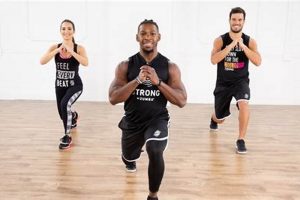
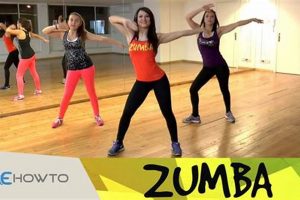
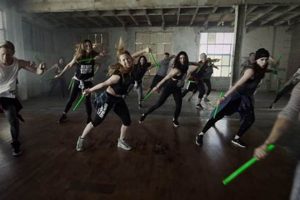
This fitness activity blends the energetic dance steps of Latin styles with aerobic exercise principles. It integrates the core movements of salsa dancing with the rhythm-based routines characteristic of Zumba. Participants can expect a high-energy experience, often involving interval training elements for enhanced cardiovascular fitness. For example, a class may involve fast-paced salsa steps followed by periods of lower-impact Zumba moves to provide varied intensity.
The combination offers a multifaceted approach to physical well-being. The dance elements can improve coordination, balance, and rhythm, while the fitness component contributes to cardiovascular health, calorie expenditure, and muscular endurance. Historically, the fusion arose from the desire to diversify fitness offerings and appeal to individuals seeking a fun, engaging way to exercise, building on the global popularity of both Zumba and Latin dance forms.
The subsequent sections will delve into specific dance steps and fitness techniques incorporated into this routine, examine its impact on diverse populations, and compare its efficacy to other forms of dance-based fitness programs. Further exploration will also cover modifications to suit different fitness levels and potential safety considerations.
Enhancing the “Zumba Salsa Workout” Experience
Optimizing participation in this hybrid fitness routine requires careful attention to technique, intensity, and individual capabilities. The following guidelines are intended to maximize benefits and minimize potential risks associated with engaging in this activity.
Tip 1: Master Basic Steps: A foundational understanding of salsa footwork and Zumbas core rhythms is crucial. Prior practice or introductory sessions in either discipline can significantly improve execution and enjoyment. For example, familiarizing oneself with the salsa “basic step” and the Zumba “merengue step” will provide a solid starting point.
Tip 2: Focus on Proper Form: Maintaining correct posture and alignment during dance sequences reduces the risk of injury. Attention should be paid to engaging core muscles, maintaining a neutral spine, and avoiding excessive joint strain. Incorrect form during rapid turns or steps can lead to sprains or muscle pulls.
Tip 3: Gradually Increase Intensity: Novice participants should begin with lower-impact modifications and gradually increase the intensity as fitness levels improve. Jumping or high-impact movements can be replaced with stepping or marching in place to reduce stress on joints. Monitor heart rate and breathing to ensure the intensity remains manageable.
Tip 4: Hydrate Adequately: Sustained physical activity requires diligent hydration. Consuming water before, during, and after sessions helps maintain performance and prevents dehydration-related issues such as muscle cramps or dizziness. Electrolyte-enhanced beverages may be beneficial for longer or more intense workouts.
Tip 5: Listen to the Body: Pay close attention to any signals of pain or discomfort. Ignoring these signals can lead to more serious injuries. Modifying movements or taking breaks when needed is essential for preventing overexertion. Consult with a healthcare professional or certified fitness instructor regarding any pre-existing conditions or concerns.
Tip 6: Utilize Appropriate Footwear: Supportive athletic shoes with good traction are essential for providing stability and cushioning. Avoid shoes with excessive grip or those that restrict natural foot movement, as these can increase the risk of ankle injuries. Cross-training shoes are generally a suitable option.
Tip 7: Engage Core Muscles: Activating core muscles throughout the routine will improve stability, posture, and overall movement efficiency. A strong core also provides a foundation for more complex dance steps. Focus on drawing the navel towards the spine and maintaining a slight pelvic tilt.
Implementing these strategies enhances both the effectiveness and safety of participation. Adhering to proper technique, monitoring intensity, and paying attention to the body’s signals are paramount for achieving optimal results.
These guidelines provide a foundation for maximizing the benefits of this exercise. The following sections will explore the long-term effects of consistent participation and potential variations for adapting the workout to individual needs.
1. Rhythmic Dance Fusion

Rhythmic Dance Fusion represents the fundamental synergy at the heart of this fitness approach. It is the deliberate blending of distinct dance styles, primarily salsa and Zumba, into a cohesive workout experience. This integration aims to leverage the unique benefits of each style, creating a more dynamic and engaging routine than either could offer independently.
- Salsa Infusion
The incorporation of salsa steps introduces elements of structured movement and Latin flair. It includes characteristic footwork patterns like the “basic step” and variations involving turns and partner work (often adapted for solo participation). This provides a level of intricacy that challenges coordination and sharpens cognitive focus beyond simple aerobic movements. For example, mastering a cross-body lead sequence requires precise timing and weight transfer, enhancing both physical and mental agility.
- Zumba Foundation
Zumba provides the overall structure and high-energy atmosphere. It contributes repetitive, easy-to-follow routines, encouraging continuous movement and cardiovascular exertion. Zumba’s emphasis on fun and accessibility makes the dance fusion more approachable for individuals with varying dance experience. For instance, a Zumba-based warm-up or cool-down might utilize simplified salsa-inspired steps to gradually introduce or conclude the workout.
- Intervallic Variation
The fusion often incorporates intervallic training principles, alternating between high-intensity salsa bursts and moderate-intensity Zumba segments. This approach optimizes calorie expenditure and enhances cardiovascular fitness. For example, a fast-paced salsa combination might be followed by a Zumba routine incorporating modified merengue steps for active recovery, creating a cyclical pattern of exertion and recuperation.
- Musical Synchronization
Music selection is paramount. The routine relies on a blend of Latin rhythms, including salsa, merengue, cumbia, and reggaeton. The music dictates the pace and style of the movements, providing a cohesive and motivating framework for the entire workout. For instance, a salsa track might prompt rapid footwork and sharp turns, while a cumbia track might encourage a smoother, more swaying style of movement.
By skillfully intertwining these facets, Rhythmic Dance Fusion transforms a standard workout into a vibrant and engaging experience. The strategic combination of salsas structured elegance and Zumbas energetic accessibility creates a potent blend that fosters both physical and cognitive benefits, making it a versatile and appealing fitness option.
2. Cardiovascular Enhancement

Cardiovascular enhancement is a primary benefit derived from consistent participation in a Zumba salsa workout. The activity’s dynamic blend of dance steps and aerobic movements elevates heart rate and increases blood flow, stimulating the cardiovascular system. This stimulation is a direct consequence of the sustained physical exertion involved in executing the routines, leading to improved cardiac output and enhanced oxygen delivery to working muscles.
The importance of cardiovascular enhancement as a component of this fitness activity is underscored by its contribution to overall health and well-being. Regular cardiovascular exercise reduces the risk of heart disease, stroke, and other related conditions. In practical terms, individuals engaging in this type of routine may experience lower resting heart rates, improved blood pressure, and increased endurance during everyday activities. For example, a person who previously struggled with shortness of breath while climbing stairs may find it significantly easier after several weeks of consistent participation.
The effectiveness of this program in promoting cardiovascular health stems from its ability to maintain a moderately high level of exertion for an extended period. While individual intensity levels may vary, the continuous movement and rhythmic nature of the activity help to sustain an elevated heart rate. Consequently, the routine offers a practical and enjoyable approach to achieving cardiovascular fitness, contributing to long-term health benefits and an improved quality of life. The positive impact extends beyond the individual, potentially alleviating the burden on healthcare systems by promoting preventative health measures.
3. Calorie Expenditure Maximization

Calorie expenditure maximization represents a significant outcome of engaging in a Zumba salsa workout. The routines, characterized by their continuous movement and rhythmic intensity, elicit a substantial metabolic response, leading to a considerable consumption of energy reserves. This process is central to weight management and overall fitness improvement.
- High-Intensity Intervals
The incorporation of high-intensity intervals is a primary factor driving calorie expenditure. Short bursts of vigorous salsa steps are interspersed with moderately intense Zumba routines. This oscillating pattern challenges the body to adapt to varying energy demands, increasing metabolic rate during and after the workout. For instance, a rapid salsa combination followed by a less demanding Zumba sequence creates an “afterburn effect,” where the body continues to burn calories even after the session concludes. The body attempts to restore itself to homeostasis, and recovery consumes additional energy as well.
- Full-Body Engagement
The dance moves involved necessitate the engagement of multiple muscle groups simultaneously. Salsa steps recruit leg muscles for footwork, core muscles for stability, and arm muscles for stylized movements. Zumba similarly emphasizes full-body coordination. This widespread muscle activation increases the overall energy demand of the activity, resulting in a greater caloric deficit. For example, executing a cross-body lead in salsa requires coordinated effort from the legs, core, and arms, contributing to a more comprehensive calorie burn.
- Sustained Activity Duration
Typical sessions range from 45 to 60 minutes, providing a sustained period of elevated metabolic activity. This extended duration allows for a significant depletion of glycogen stores and the subsequent utilization of fat reserves as an energy source. Unlike shorter, more intense workouts, the longer duration promotes a more balanced energy expenditure, contributing to weight management. For example, a 60-minute session can lead to a substantially higher calorie burn compared to a 30-minute routine, given consistent effort.
- Aerobic and Anaerobic Contribution
While primarily aerobic, the intervals of high intensity and exertion also introduce an anaerobic element that boosts energy consumption, resulting in additional glucose metabolism during the activity. Furthermore, the body will recover and replenish its phosphocreatine stores, and the anaerobic component enhances the overall caloric impact.
The combination of high-intensity intervals, full-body engagement, sustained activity duration, and aerobic/anaerobic contribution synergistically maximizes calorie expenditure. This fitness activity offers a method to promote energy consumption and weight loss.
4. Coordination Skill Development

The execution of Zumba salsa workouts inherently fosters coordination skill development. The combination of salsa’s intricate footwork with Zumba’s dynamic movements necessitates a high degree of neuromuscular synchronization. This synchronization represents the brain’s capacity to efficiently transmit signals to various muscle groups, enabling fluid and precise execution of complex steps. The consistent practice of these routines serves as a form of neural training, strengthening the pathways responsible for coordinated movement.
Coordination skill development is not merely an ancillary benefit but a core component of these fitness activities. Improved coordination translates into enhanced motor control, balance, and reaction time. In real-life scenarios, this can manifest as improved agility in navigating crowded spaces, a reduced risk of falls due to better balance, and quicker responses to unexpected stimuli. For instance, an individual regularly participating in these classes may exhibit greater dexterity in performing everyday tasks, such as catching a falling object or maneuvering through uneven terrain. The practical significance lies in the ability to maintain physical independence and reduce the likelihood of injury throughout life.
While the inherent complexity of the routines promotes coordination, individual learning curves and physical limitations present challenges. Beginners may initially struggle with the rapid transitions and unfamiliar steps. However, with consistent practice and progressive adaptation, coordination skills invariably improve. The benefits extend beyond physical prowess, potentially enhancing cognitive function through the engagement of multiple brain regions involved in motor planning and execution. Coordination skill development is a crucial element in the holistic benefits of the Zumba salsa workout, contributing to physical competence and overall well-being.
5. Muscular Endurance Building

Muscular endurance building is a direct consequence of the repetitive movements and sustained activity characteristic of a Zumba salsa workout. The routines, which involve continuous dance steps and rhythmic motions, place demands on various muscle groups over an extended period. This sustained exertion stimulates physiological adaptations that enhance the muscles’ capacity to resist fatigue. The consistent execution of these workouts leads to an increase in the number of mitochondria within muscle cells, as well as improvements in local blood circulation, both of which contribute to improved muscular endurance.
The importance of muscular endurance building as a component of a Zumba salsa workout lies in its contribution to functional fitness. Enhanced muscular endurance translates to an improved ability to perform daily activities without experiencing premature fatigue. For example, individuals with greater muscular endurance may find it easier to carry groceries, climb stairs, or engage in prolonged periods of standing or walking. Furthermore, increased muscular endurance is associated with a reduced risk of musculoskeletal injuries, as stronger and more resilient muscles provide better support for joints and ligaments. Consider an individual who regularly engages in a Zumba salsa workout: this person will likely experience less back pain from prolonged sitting and will be able to perform yard work with less fatigue compared to someone who is sedentary.
The practical significance of understanding the relationship between muscular endurance building and Zumba salsa workouts extends to optimizing training strategies and promoting long-term adherence. Knowledge of the specific muscle groups engaged during the routines can inform targeted exercises to further enhance muscular endurance. Furthermore, recognizing the gradual nature of muscular adaptation allows individuals to set realistic goals and track their progress over time. The muscular benefits coupled with the cardiovascular and cognitive benefits of these workouts contribute to overall well-being and a more active, independent lifestyle. Challenges can include individual differences in muscle fiber composition and pre-existing fitness levels; thus, adaptation of workouts to suit individual needs is often required for optimal results.
6. Positive Mood Elevation
Positive mood elevation is consistently reported as a significant benefit associated with the Zumba salsa workout. The multifaceted nature of the exercisecombining rhythmic movement, social interaction (in group settings), and engaging musicstimulates neurochemical processes linked to improved mood and reduced stress. The release of endorphins, natural mood elevators, is triggered by physical activity, contributing to feelings of euphoria and well-being. The structured, yet liberating, format of the workout allows participants to disengage from daily stressors and focus on the present moment, promoting a sense of mindfulness. For instance, a participant burdened by workplace pressures may find temporary relief and a renewed sense of energy through the immersive experience, leading to a more positive outlook. This effect transcends mere distraction, as the physical exertion actively counteracts the physiological symptoms of stress, such as elevated cortisol levels.
The importance of positive mood elevation extends beyond immediate psychological benefits. Regular participation can contribute to long-term improvements in mental health, mitigating symptoms of anxiety and depression. The social component of group classes fosters a sense of community and belonging, combating feelings of isolation and loneliness, which are known contributors to negative mood states. Furthermore, the sense of accomplishment derived from mastering new steps and improving physical fitness enhances self-esteem and confidence, further contributing to a positive self-image. For example, an individual struggling with low self-esteem may experience a boost in confidence as they progress in their ability to execute the dance routines and witness improvements in their physical fitness. This, in turn, can positively influence other aspects of their life, such as their relationships and career. The impact of positive mood elevation on an individual’s emotional state translates into broader societal benefits, such as increased productivity and reduced healthcare costs associated with mental health disorders.
The connection between positive mood elevation and the Zumba salsa workout is not without potential challenges. Individual responses to exercise vary, and some individuals may not experience the same degree of mood enhancement. Furthermore, the effectiveness of the workout as a mood booster can be influenced by factors such as individual preferences for music and dance styles, social dynamics within a group class, and pre-existing mental health conditions. Despite these challenges, the available evidence suggests that the Zumba salsa workout offers a viable and accessible means of promoting positive mood elevation, contributing to overall well-being and a more balanced lifestyle. The challenge for practitioners lies in tailoring the experience to individual needs and preferences to maximize its mood-enhancing potential.
Frequently Asked Questions
The following addresses common queries regarding the Zumba Salsa Workout, providing factual information to aid in understanding its components and potential benefits.
Question 1: What distinguishes Zumba Salsa Workout from traditional Zumba?
The Zumba Salsa Workout is a hybrid routine incorporating significant salsa dance elements absent in standard Zumba. It includes intricate footwork and turn patterns derived from salsa, demanding greater coordination and precision compared to the more simplified movements found in traditional Zumba. It can be considered a more advanced form for experienced students.
Question 2: Is prior dance experience required to participate effectively?
While not strictly required, prior dance experience, particularly in salsa or other Latin dance forms, enhances participation. Beginners may experience a steeper learning curve; introductory classes or basic salsa instruction can improve comprehension and execution. The routines can be adapted to accommodate various fitness levels but fundamental salsa knowledge is helpful.
Question 3: What are the primary physical benefits derived from this workout?
The workout offers a range of physical benefits, including cardiovascular enhancement, calorie expenditure, muscular endurance building, and improved coordination. The specific outcomes vary depending on individual effort and consistency, but regular participation will contribute to improved physical fitness and body composition.
Question 4: Are there specific injury risks associated with this type of exercise?
As with any physical activity, injury risks exist. Common risks include sprains, strains, and joint pain, particularly in the ankles, knees, and lower back. Proper warm-up, cool-down, appropriate footwear, and attention to proper form can mitigate these risks. Consulting with a healthcare professional or certified instructor prior to participation is advisable.
Question 5: How does Zumba Salsa Workout compare to other dance-based fitness programs in terms of calorie burn?
Calorie expenditure is influenced by factors such as intensity, duration, and individual metabolism. However, a Zumba Salsa Workout generally burns a comparable number of calories to other high-energy dance fitness programs. The sustained activity and interval-based structure contribute to a significant caloric deficit, aiding in weight management.
Question 6: Can modifications be made to accommodate individuals with physical limitations?
Modifications are possible to adapt the workout to individual needs. Low-impact variations, reduced range of motion, and slower tempos can accommodate individuals with joint pain, mobility issues, or other physical limitations. Consultation with a certified instructor is recommended to determine appropriate modifications.
The provided answers offer a foundational understanding of the Zumba Salsa Workout. Further research and consultation with fitness professionals are encouraged for a comprehensive assessment.
The following section will explore advanced techniques and strategies for maximizing the results from this routine.
Conclusion
The preceding exploration has illuminated the multifaceted nature of the Zumba salsa workout, delineating its core components and associated benefits. The analysis confirms its capacity for cardiovascular enhancement, calorie expenditure maximization, coordination skill development, muscular endurance building, and positive mood elevation. The integration of structured salsa steps with Zumba’s dynamic routines yields a unique fitness modality with distinct advantages.
Continued investigation into optimized techniques, individual variations, and long-term effects remains paramount. The evidence presented warrants consideration of the Zumba salsa workout as a viable and engaging option for individuals seeking a comprehensive approach to physical and mental well-being. Further studies are encouraged to quantify its impact on diverse populations and to refine training methodologies for enhanced efficacy.