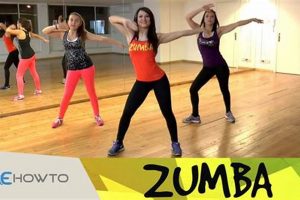
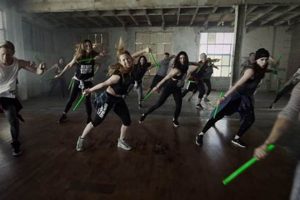
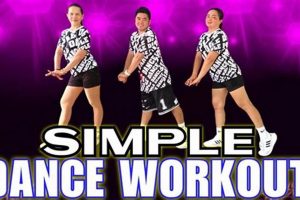
Instruction on participating in a Zumba exercise session involves following a choreographed routine that blends Latin-inspired dance movements with fitness principles. The session is led by a trained instructor who guides participants through a series of steps set to upbeat music. For instance, individuals new to the activity might begin with basic steps like the salsa and merengue before advancing to more complex combinations.
Engagement in such rhythmic physical activity offers a multitude of advantages. Regular participation may contribute to improved cardiovascular health, increased muscle tone, and enhanced coordination. Historically, this form of exercise gained popularity due to its accessible nature and the enjoyable experience it provides, attracting individuals seeking an alternative to traditional gym workouts.
The subsequent sections will detail essential elements to consider for effective engagement. These elements will encompass proper warm-up techniques, core movement patterns, cool-down procedures, and safety precautions to ensure a positive and injury-free experience.
Essential Guidance for Zumba Participation
The following guidelines are designed to optimize the experience and benefits derived from rhythmic fitness activities.
Tip 1: Prioritize Proper Footwear: The selection of appropriate footwear is crucial. Shoes should provide adequate support and cushioning to mitigate the risk of ankle or foot injuries during high-impact movements. Consider cross-training shoes.
Tip 2: Maintain Hydration: Sufficient hydration is paramount before, during, and after the activity. Water helps regulate body temperature and prevent dehydration, which can impair performance and increase the risk of muscle cramps.
Tip 3: Listen to the Body: Pay close attention to physiological feedback. Adjust the intensity and range of motion based on individual fitness levels and any existing physical limitations. Avoid pushing through pain.
Tip 4: Master Basic Steps: Familiarity with fundamental steps, such as the salsa, merengue, and cumbia, forms the foundation for more complex routines. Practice these steps independently to enhance coordination and confidence.
Tip 5: Focus on Core Engagement: Activating the core muscles throughout the session improves stability, posture, and overall effectiveness of the workout. Consciously engage abdominal muscles during each movement.
Tip 6: Utilize Modifications: Adaptations of movements are readily available to accommodate various fitness levels and physical limitations. Employ these modifications as needed to ensure safety and comfort.
Tip 7: Attend Regularly: Consistency is key to realizing the full benefits of rhythmic fitness. Establish a regular schedule and adhere to it as closely as possible to promote long-term health and fitness improvements.
Effective adherence to these guidelines will not only enhance the enjoyment of the experience but also maximize its positive impact on physical well-being.
The subsequent sections will explore additional strategies for optimizing results and maintaining long-term commitment to a rhythmic fitness regimen.
1. Proper Warm-up

A preparatory phase is essential prior to commencing a Zumba exercise session. The purpose of a proper warm-up is to gradually elevate heart rate, increase blood flow to muscles, and improve joint mobility, thereby mitigating the risk of injury and enhancing overall performance.
- Cardiovascular Preparation
The initial stage involves low-intensity cardiovascular activity. Examples include light jogging or marching in place. This serves to increase heart rate and prepare the circulatory system for the demands of the upcoming physical exertion. In Zumba, this may involve modified versions of basic steps performed at a slower tempo.
- Dynamic Stretching
Dynamic stretching incorporates controlled movements through a full range of motion. Examples include arm circles, leg swings, and torso twists. These exercises improve flexibility and prepare the muscles and joints for the specific movements involved in Zumba. Static stretching, where a position is held for an extended period, is generally not recommended prior to exercise.
- Movement-Specific Rehearsal
This facet involves practicing simplified versions of movements that will be encountered during the Zumba routine. It familiarizes participants with the choreography and allows them to prepare their bodies for the demands of the activity. This could include practicing basic salsa steps or merengue steps at a reduced intensity.
- Neuromuscular Activation
Neuromuscular activation focuses on engaging the muscles that will be primarily used during Zumba. This helps to improve coordination and ensure that the correct muscles are activated during the routine. Examples include bodyweight squats or lunges performed with controlled movements.
Integrating these facets of a proper warm-up ensures that participants are adequately prepared for the physical demands of Zumba. This preparatory phase not only reduces the risk of injury but also enhances performance and overall enjoyment of the rhythmic fitness activity.
2. Core Engagement

Effective participation in a Zumba exercise session necessitates a conscious and consistent engagement of the core musculature. This engagement provides stability, enhances postural control, and facilitates the efficient transfer of power during the dynamic movements inherent in the routine. The subsequent points delineate key facets of core engagement within the framework of rhythmic exercise.
- Stabilization of the Spine
The primary function of core engagement is to stabilize the spinal column. This is achieved through the simultaneous activation of abdominal muscles, including the rectus abdominis, obliques, and transverse abdominis, as well as the muscles of the lower back. During Zumba routines, which often involve twisting, bending, and rapid changes in direction, spinal stability is critical for preventing injuries and maintaining proper form. For instance, maintaining a neutral spine while performing a salsa step reduces stress on the lower back.
- Enhancement of Balance and Coordination
A strong and engaged core contributes significantly to balance and coordination. By providing a stable base of support, the core muscles allow for smoother and more controlled movements. This is particularly important in Zumba, where complex dance steps and rapid transitions require a high degree of coordination. Maintaining core engagement during a cumbia sequence, for example, improves balance and prevents loss of control.
- Facilitation of Power Transfer
The core acts as a conduit for transferring power between the upper and lower body. Engaging the core muscles allows for a more efficient transfer of energy during movements that involve both the arms and legs. In Zumba, this is evident in movements like the Zumba shuffle, where core engagement facilitates the smooth transfer of power from the legs to the upper body, resulting in a more fluid and powerful movement.
- Improvement of Posture
Consistent core engagement contributes to improved posture, both during and outside of rhythmic fitness activity. By strengthening the core muscles, individuals can maintain a more upright and aligned posture, which reduces strain on the back and improves overall body mechanics. Maintaining good posture during Zumba routines not only enhances performance but also promotes long-term musculoskeletal health.
The effective integration of these facets of core engagement is essential for maximizing the benefits and minimizing the risks associated with rhythmic fitness activity. Consistent practice and awareness of core activation will contribute to improved performance, reduced injury risk, and enhanced overall well-being.
3. Rhythmic Accuracy

Rhythmic accuracy is a foundational element in effective participation in a Zumba exercise session. The synchronization of movements with the underlying musical beat is paramount to deriving the intended physiological and psychological benefits. Maintaining temporal precision ensures that the correct muscle groups are engaged at the appropriate time, optimizing the workout’s effectiveness and reducing the risk of injury.
- Enhanced Cardiovascular Efficiency
Precisely timing movements with the music’s tempo optimizes cardiovascular exertion. When movements are synchronized, the heart rate responds more efficiently, leading to improved aerobic capacity. For example, consistently executing steps on each beat of a high-energy salsa track maintains a steady and effective heart rate elevation, maximizing caloric expenditure and cardiovascular conditioning. Deviations from the rhythm can lead to inconsistent exertion and reduced cardiovascular benefit.
- Improved Neuromuscular Coordination
Rhythmic accuracy enhances neuromuscular coordination by requiring the brain to synchronize muscle activation with the auditory cue. This process strengthens the neural pathways responsible for motor control and timing. In a Zumba routine, accurately executing complex dance steps in time with the music requires precise coordination between the brain and muscles, improving overall motor skills and reaction time. Hesitation or anticipation of the beat disrupts this process, diminishing the coordinative benefits.
- Reduced Risk of Injury
Maintaining rhythmic accuracy minimizes the risk of injury by ensuring that movements are performed with proper timing and control. When steps are synchronized with the music, the body is better able to anticipate and prepare for the next movement, reducing the likelihood of missteps or awkward landings. Consistently stepping in time with the beat during high-impact sequences, such as jumping jacks, reduces the risk of ankle or knee injuries. Irregular timing can lead to unanticipated stress on joints and muscles, increasing the potential for harm.
- Increased Psychological Engagement
Adhering to the rhythm fosters a sense of immersion and engagement in the activity. The synchronization of movement and music creates a positive feedback loop, enhancing the enjoyment and motivational aspects of Zumba. Successfully matching movements to the beat during a complex choreography sequence fosters a sense of accomplishment and boosts self-efficacy. Deviations from the rhythm can lead to frustration and a diminished sense of accomplishment, potentially reducing long-term adherence to the exercise program.
These interconnected facets demonstrate that rhythmic accuracy is not merely an aesthetic consideration but a fundamental component of Zumba’s effectiveness. Consistently emphasizing temporal precision ensures that participants derive the maximum physiological and psychological benefits from the exercise session, while also mitigating the risk of injury.
4. Appropriate Footwear

The selection of suitable footwear is integral to safe and effective participation in a Zumba exercise session. The dynamic movements, characterized by frequent changes in direction and impact, place considerable stress on the feet and lower extremities. Inadequate footwear can contribute to a spectrum of injuries, ranging from blisters and ankle sprains to stress fractures and knee pain. The physical exertion necessitates footwear engineered to provide adequate support, cushioning, and traction.
The cause-and-effect relationship between improper footwear and injuries during Zumba is well-documented. For instance, running shoes, designed primarily for forward motion, often lack the lateral support required for the side-to-side movements common in the routine. This deficiency can lead to ankle instability and an increased risk of sprains. Conversely, dance shoes, while offering flexibility, may lack the necessary cushioning for high-impact activity, potentially resulting in stress fractures in the feet. Cross-training shoes, offering a balance of support, cushioning, and flexibility, are generally recommended. A participant engaging in a Zumba session wearing worn-out sneakers with inadequate cushioning reported experiencing shin splints, a direct consequence of insufficient shock absorption. This exemplifies the practical significance of choosing appropriate footwear.
Therefore, the selection of footwear cannot be overlooked. Optimal footwear mitigates injury risks and supports performance, thus enhancing the benefits derived from rhythmic fitness endeavors. Understanding this crucial connection enhances safety and promotes the long-term enjoyment of the activity.
5. Hydration Maintenance

Hydration maintenance constitutes a critical determinant of performance and well-being during participation in a Zumba exercise session. Given the high-intensity nature of Zumba, which involves vigorous physical activity and profuse sweating, adequate fluid intake is essential to maintain physiological equilibrium and prevent dehydration. Neglecting hydration can lead to a cascade of adverse effects, diminishing both the effectiveness and safety of the workout.
- Regulation of Body Temperature
The human body relies on perspiration to dissipate heat generated during physical activity. During a Zumba session, elevated metabolic rates lead to increased heat production. Water, as the primary component of sweat, facilitates evaporative cooling, which helps regulate core body temperature. Inadequate fluid intake compromises this thermoregulatory mechanism, leading to an increased risk of hyperthermia and heat-related illnesses. For instance, a participant who fails to hydrate adequately during a high-intensity Zumba class in a warm environment may experience symptoms such as dizziness, fatigue, and muscle cramps, indicative of heat stress.
- Maintenance of Cardiovascular Function
Dehydration reduces blood volume, which in turn increases the strain on the cardiovascular system. A reduced blood volume necessitates a higher heart rate to maintain adequate blood flow to working muscles. During a Zumba routine, where cardiovascular demands are already elevated, dehydration can exacerbate this effect, leading to fatigue, reduced performance, and potentially, cardiovascular complications. An individual with pre-existing cardiovascular conditions who becomes dehydrated during a session may experience chest pain or palpitations, underscoring the importance of maintaining adequate hydration for cardiovascular health.
- Optimization of Muscle Function
Water is crucial for muscle function, facilitating nutrient transport and waste removal. Dehydration can impair these processes, leading to muscle fatigue, cramps, and reduced strength. During a Zumba class, where various muscle groups are engaged in rapid and repetitive movements, adequate hydration is essential to maintain optimal muscle performance. A participant experiencing muscle cramps in their calves during a Zumba session may be suffering from dehydration-induced electrolyte imbalances, highlighting the role of hydration in muscle function.
- Prevention of Electrolyte Imbalances
Sweat contains electrolytes such as sodium, potassium, and chloride, which are essential for nerve function and muscle contraction. Profuse sweating during a Zumba session can lead to electrolyte imbalances, which can further contribute to muscle cramps, fatigue, and even cardiac arrhythmias. Replenishing fluids with electrolytes, through sports drinks or electrolyte-rich foods, can help prevent these imbalances and maintain optimal physiological function. An individual who experiences persistent muscle twitching or spasms after a Zumba class may be suffering from an electrolyte imbalance due to inadequate hydration and electrolyte replacement.
In conclusion, maintaining optimal hydration is not merely a supplementary consideration but a fundamental prerequisite for safe and effective participation in a Zumba exercise session. Adequate fluid intake before, during, and after the activity mitigates the risk of dehydration-related complications, optimizes physiological function, and enhances overall performance. The synergistic effect of the rhythmic movements and physical exertion can only be fully realized with meticulous attention to hydration protocols.
6. Controlled Movements
The integration of controlled movements is essential for safe and effective participation in a Zumba exercise session. The choreographed nature of Zumba, which combines Latin-inspired dance steps with fitness principles, necessitates precise execution of movements to maximize benefits and minimize the risk of injury. The absence of control can lead to improper form, inefficient muscle engagement, and increased vulnerability to sprains, strains, and other musculoskeletal issues. For example, when performing a salsa step, a lack of control over trunk rotation can place undue stress on the lower back, potentially resulting in discomfort or injury. Controlled movements, conversely, ensure proper spinal alignment and efficient core engagement.
Effective integration of controlled movements requires conscious awareness of body positioning and muscle activation throughout the routine. This can be achieved through progressive practice, starting with simplified versions of complex steps and gradually increasing the level of difficulty as proficiency improves. A practical application involves focusing on engaging the core muscles during each movement to stabilize the spine and enhance balance. Consider a merengue sequence; maintaining controlled hip movements while keeping the upper body relatively stable prevents excessive stress on the knees and ankles. Modification of movements to accommodate individual fitness levels and physical limitations is a key element in achieving controlled execution.
Ultimately, the incorporation of controlled movements transforms a Zumba exercise session from a potentially hazardous activity into a beneficial and enjoyable fitness experience. Prioritizing proper form, mindful muscle activation, and progressive overload fosters both physical and psychological benefits, enhancing balance, coordination, and overall body awareness. The challenge lies in maintaining this focus on control amidst the high-energy environment and fast-paced rhythms inherent in Zumba. However, consistent practice and adherence to these principles enable individuals to reap the full rewards of this popular fitness modality.
7. Listen to Body

The principle of attentiveness to physiological signals serves as a cornerstone for safe and effective participation in a Zumba exercise session. Ignoring physical feedback during high-intensity activity can lead to injury, exhaustion, and potentially, long-term health consequences. Therefore, recognizing and responding appropriately to one’s body is paramount.
- Pain Recognition and Response
Distinguishing between muscle soreness and genuine pain is critical. Muscle soreness, typically experienced as delayed onset muscle soreness (DOMS) 24-72 hours post-exercise, is a natural result of muscle microtrauma and adaptation. Sharp, localized pain, however, warrants immediate attention. A stabbing sensation in the knee during a Zumba routine, for example, signals potential joint damage and necessitates cessation of activity. Continued participation despite such pain exacerbates the injury. This awareness ensures the preservation of joint health and function.
- Fatigue Management
Recognizing the signs of overexertion is crucial for preventing exhaustion and injury. Symptoms such as dizziness, nausea, and excessive breathlessness indicate that the body’s energy reserves are being depleted. Pushing through these symptoms compromises form and increases the risk of accidents. Adjusting intensity, taking breaks, or discontinuing the session is imperative when these signs are apparent. This adjustment prevents overtraining and promotes recovery.
- Hydration Monitoring
Thirst is a lagging indicator of dehydration. Monitoring hydration status involves observing urine color and frequency. Dark urine and infrequent urination suggest dehydration, necessitating increased fluid intake. Failing to address dehydration can lead to muscle cramps, decreased performance, and increased risk of heat-related illness. Proactive hydration management supports optimal physiological function.
- Breath Regulation
The ability to regulate breathing is essential for maintaining oxygen supply to working muscles. Excessive breathlessness, particularly if disproportionate to the level of exertion, may indicate underlying cardiovascular or respiratory issues. Adjusting the intensity of movements to maintain controlled breathing prevents oxygen deprivation and promotes cardiovascular health. This regulation supports endurance and efficient energy utilization.
In summary, consistent and conscious attention to bodily cues is not merely a suggestion but a requirement for maximizing the benefits and minimizing the risks associated with a Zumba exercise session. The capacity to differentiate between normal physiological responses and warning signs of potential harm is instrumental in sustaining long-term participation and promoting overall well-being. It ensures safe exercise.
Frequently Asked Questions
The following questions address common concerns and misconceptions regarding participation in rhythmic fitness activities, with a focus on maximizing benefits and ensuring safety.
Question 1: Is prior dance experience a prerequisite for effective participation?
Prior dance experience is not a mandatory prerequisite. Zumba routines incorporate basic steps that are accessible to individuals with varying levels of dance proficiency. A willingness to learn and adapt is more crucial than previous formal training.
Question 2: What modifications are available for individuals with physical limitations?
Modifications are readily available for individuals with physical limitations. These adaptations may involve reducing the range of motion, lowering the impact of movements, or utilizing chair support. Consultation with a qualified instructor is recommended to determine appropriate modifications.
Question 3: How frequently should one participate to realize noticeable benefits?
Regular participation, typically two to three times per week, is recommended to realize noticeable benefits. Consistency is paramount for achieving improvements in cardiovascular fitness, muscle tone, and coordination.
Question 4: What constitutes appropriate attire for rhythmic fitness activity?
Appropriate attire includes comfortable, breathable clothing that allows for unrestricted movement. Supportive athletic shoes designed for cross-training are essential. Accessories should be minimized to prevent interference with movements.
Question 5: Is it necessary to follow the instructor’s choreography precisely?
While following the instructor’s choreography is encouraged, it is not mandatory to replicate every movement precisely. Prioritizing safety and comfort is paramount. Modifications can be made as needed to accommodate individual fitness levels and physical limitations.
Question 6: How can one prevent muscle cramps during a routine?
Prevention of muscle cramps involves adequate hydration, electrolyte replenishment, and proper warm-up techniques. Stretching exercises focusing on major muscle groups are also beneficial. Consulting with a healthcare professional is advised for persistent or severe cramping.
These questions and answers provide essential guidance for individuals considering or currently engaging in rhythmic fitness activity. By addressing common concerns, these insights aim to promote a safer and more effective experience.
The following sections will explore advanced strategies for optimizing performance and maintaining long-term commitment to a rhythmic fitness regimen.
How to do zumba workout
This exploration of how to do Zumba workout has detailed crucial elements for safe and effective participation. Proper warm-up, core engagement, rhythmic accuracy, appropriate footwear, hydration maintenance, and controlled movements are foundational. Attentiveness to physiological signals further contributes to a comprehensive approach, ensuring the realization of the activity’s potential benefits while mitigating inherent risks.
The information presented serves as a guide for maximizing the positive impact of rhythmic fitness endeavors. Consistent application of these principles fosters not only physical well-being but also promotes a sustained commitment to a health-conscious lifestyle. Individuals should continually reassess their understanding and application of these elements to optimize their long-term engagement and enjoyment of Zumba and similar exercise modalities.