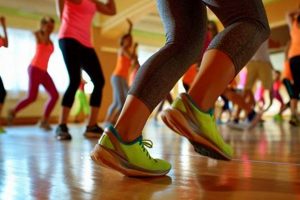
The introductory Zumba session represents an individual’s initial encounter with a fitness program blending Latin-inspired dance movements with exercise. This initial experience serves as a gateway into a workout regime known for its energetic atmosphere and focus on enjoyable physical activity. This class offers a less intimidating entry point for individuals who are new to structured fitness activities.
Participation in this type of class can yield numerous benefits, including improved cardiovascular health, enhanced coordination, and increased social interaction. Historically, dance-based fitness programs have provided an accessible and engaging means of achieving physical well-being, fostering a sense of community and promoting adherence to long-term fitness goals. These beginner-friendly sessions are designed to build confidence and lay the foundation for continued participation.
The following discussion will delve into essential aspects for preparing for, participating in, and maximizing the benefits derived from these introductory experiences. Topics will include appropriate attire, class structure, modifications for varying fitness levels, and strategies for maintaining motivation.
Guidance for the Initial Zumba Experience
The following tips are intended to provide preparatory information for individuals participating in their first Zumba class, enhancing both the effectiveness and enjoyment of the session.
Tip 1: Pre-Class Preparation: Hydration and light nutrition are recommended in the hours preceding the class. Consume a balanced meal or snack at least one to two hours before the scheduled session to maintain energy levels. Water should be consumed regularly to ensure adequate hydration.
Tip 2: Appropriate Attire and Footwear: Loose-fitting, breathable clothing is advised to allow for a full range of motion. Supportive athletic shoes with good traction are essential to prevent injury and facilitate dance movements. Avoid restrictive clothing that may impede movement.
Tip 3: Familiarization with Basic Steps: Prior to attending the class, consider reviewing basic Zumba steps online via instructional videos. Familiarity with fundamental movements like the salsa, merengue, and cumbia can improve confidence and ease integration into the class.
Tip 4: Class Arrival and Positioning: Arrive at the class location with sufficient time to check in and find a suitable spot. Positioning oneself near the instructor or in a location with clear visibility can aid in following choreography. Notify the instructor of any pre-existing injuries or health concerns.
Tip 5: Pacing and Modification: Maintain a pace that aligns with personal fitness levels. Modifications to movements are acceptable and encouraged. Focus on proper form over speed, gradually increasing intensity as comfort levels improve.
Tip 6: Active Participation and Engagement: Engage actively in the class, focusing on the music and movements. Embrace the energetic atmosphere and encourage interaction with fellow participants. Maintaining a positive attitude enhances the overall experience.
Tip 7: Post-Class Recovery: Implement a cool-down routine following the class, including static stretching and light cardio. Replenish fluids and electrolytes to aid in recovery and prevent muscle soreness.
Adhering to these guidelines can contribute to a more positive and productive introduction to Zumba, facilitating a smooth transition into the fitness regimen and promoting ongoing participation.
Subsequent sections will address advanced techniques and strategies for optimizing Zumba training.
1. Attire

The selection of appropriate attire directly impacts the comfort, performance, and safety of individuals participating in an introductory Zumba class. Considerations extend beyond mere aesthetics, focusing on functionality and suitability for the demands of the activity.
- Freedom of Movement
Clothing should permit a full range of motion, accommodating the diverse dance steps and movements integral to Zumba. Restrictive garments can impede performance, limit flexibility, and potentially increase the risk of injury. Opting for loose-fitting, breathable fabrics allows for unrestricted movement and ventilation.
- Footwear Stability and Support
Footwear plays a crucial role in providing stability and support during Zumba sessions. Athletic shoes with adequate cushioning and lateral support are recommended to minimize the risk of ankle sprains and foot injuries. Avoid shoes with excessive grip or smooth soles, as these can hinder fluid movements and increase the likelihood of falls. Cross-training shoes or dance-specific sneakers are generally suitable.
- Moisture Management
Zumba is a high-energy activity that often results in significant perspiration. Fabrics that wick away moisture, such as synthetic blends or breathable cotton, help regulate body temperature and prevent discomfort. Avoid clothing made of materials that retain moisture, as they can become heavy and contribute to chafing.
- Layering Options
Depending on the ambient temperature and personal preferences, layering clothing can provide flexibility in managing body heat. A light jacket or sweatshirt can be worn during the warm-up phase and removed as body temperature increases. Layering allows individuals to adjust their attire according to their comfort level and the intensity of the workout.
The careful selection of attire, encompassing freedom of movement, stable footwear, moisture-wicking properties, and layering options, contributes significantly to a positive and safe introductory Zumba experience. Prioritizing functionality over fashion ensures participants can focus on engaging with the activity and maximizing its benefits.
2. Hydration

Proper hydration is essential for optimizing performance and mitigating adverse effects during an introductory Zumba class. Adequate fluid intake before, during, and after the session supports physiological functions necessary for sustained physical exertion.
- Pre-Class Hydration: Facilitating Optimal Performance
Consuming sufficient fluids in the hours leading up to the class ensures adequate blood volume and electrolyte balance. This supports efficient cardiovascular function, thermoregulation, and nutrient delivery to muscles. Dehydration prior to the class can result in reduced endurance, increased perceived exertion, and potential muscle cramping. A practical example involves consuming 16-20 ounces of water 2-3 hours prior to the session, followed by an additional 8-12 ounces shortly before the class begins.
- Intra-Class Hydration: Maintaining Fluid Balance
During the Zumba class, continuous fluid loss occurs through perspiration. Replenishing fluids during the session helps maintain blood volume, prevent dehydration, and sustain energy levels. Small, frequent sips of water are more effective than infrequent, large gulps. Aim for approximately 4-8 ounces of water every 15-20 minutes, adjusted based on individual sweat rate and environmental conditions.
- Post-Class Hydration: Replenishing Fluid and Electrolyte Losses
Following the Zumba class, it is crucial to replenish fluids and electrolytes lost through sweat. Water is sufficient for short, low-intensity sessions, but electrolyte-containing beverages may be beneficial after longer or more intense workouts. Replenishing fluids aids in recovery, reduces muscle soreness, and restores optimal hydration status. A general guideline is to consume at least 16-24 ounces of fluid for every pound of weight lost during the class.
- Recognizing Dehydration Symptoms: Promoting Safety and Well-being
Participants should be aware of the symptoms of dehydration, including thirst, dry mouth, headache, dizziness, and muscle cramps. Recognizing these signs allows for timely intervention and prevents the progression of dehydration. Should these symptoms occur, halting activity, seeking a cool environment, and consuming fluids are essential. Awareness and proactive hydration practices promote safety and well-being during an introductory Zumba session.
The implementation of strategic hydration practicespre-class, intra-class, and post-classis critical for ensuring a safe and effective introductory Zumba experience. Ignoring the importance of hydration can compromise performance, increase the risk of adverse events, and detract from the overall benefits of the activity. A proactive approach to fluid management is a fundamental component of a successful initial Zumba session.
3. Basic steps
Fundamental dance movements form the cornerstone of a successful introductory Zumba class. Mastery, even at a rudimentary level, of steps derived from Latin rhythms such as salsa, merengue, cumbia, and reggaeton directly influences an individual’s ability to engage with and derive benefit from the session. The initial Zumba experience is significantly affected by the participant’s prior familiarity with these basic steps, creating a positive feedback loop wherein confidence in executing movements fosters greater participation and enjoyment.
Consider the example of an individual entering their first Zumba class with no prior dance experience. Their initial attempts to mimic the instructor’s movements may be halting and uncertain, potentially leading to frustration and a diminished sense of accomplishment. Conversely, a participant possessing a basic understanding of common Zumba steps can more easily follow the choreography, maintain pace with the class, and experience the intended cardiovascular benefits. Many studios now offer introductory workshops specifically designed to teach these foundational steps prior to enrollment in regular Zumba classes, acknowledging the practical advantage of pre-existing knowledge.
In summary, a grasp of basic steps is not merely an optional addendum, but rather an integral component of a rewarding initial Zumba class. This understanding highlights the importance of preparation and suggests that prospective participants consider engaging in preliminary practice or instruction. Addressing this challenge head-on ensures a smoother transition into the Zumba environment and allows individuals to more effectively leverage the physical and social advantages the program offers.
4. Positioning

In the context of an introductory Zumba class, positioning within the studio space significantly influences an individual’s ability to effectively follow instruction and derive the intended benefits. Proximity to the instructor directly impacts visual clarity, particularly for those unfamiliar with the steps or possessing varying levels of coordination. Strategic placement can mitigate potential challenges, such as difficulty in discerning movements or feeling overwhelmed by the pace of the class. For example, individuals who position themselves at the back of the room may struggle to accurately observe the instructor’s form, especially in larger class settings. Conversely, occupying a space closer to the front allows for more direct observation and facilitates easier imitation of movements. This, in turn, contributes to improved technique and a reduced risk of injury.
Furthermore, positioning affects the level of interaction and encouragement received during the class. Instructors often provide personalized guidance and feedback to participants within their immediate vicinity. A position towards the front or center increases the likelihood of receiving these instructional cues, which can be particularly valuable for beginners seeking to refine their technique or overcome challenges. From a social perspective, the chosen location can also influence the sense of community and engagement. While some individuals may prefer the anonymity of the back row, others may find that positioning themselves near more experienced participants fosters a supportive and motivating environment. The instructor can also modify the session based on feedback of the initial location.
In conclusion, the seemingly simple act of choosing a location within the Zumba class environment represents a crucial element in shaping the overall experience. Thoughtful consideration of individual needs and preferences, combined with an understanding of the potential impact on visual clarity, instructional support, and social interaction, allows participants to optimize their positioning and maximize the benefits derived from their introductory Zumba session. Therefore a proper placement could impact positively how they are going to do exercise routine.
5. Modification

The implementation of exercise modifications within an introductory Zumba class is a crucial element for ensuring accessibility and safety for all participants. A “my first class zumba” situation invariably presents a diverse range of fitness levels, physical limitations, and prior experience. Ignoring this heterogeneity can lead to discouragement, injury, or ineffective training. Modifications represent adjustments to standard Zumba movements, enabling individuals with specific needs to participate fully and safely. For example, high-impact jumps can be modified to low-impact steps, protecting vulnerable joints. Similarly, complex choreography can be simplified to more manageable sequences, allowing beginners to build confidence and gradually increase their skill level. The absence of such modifications can transform a potentially positive experience into one of frustration and potential harm.
The importance of modifications extends beyond physical safety. Psychological well-being is also intrinsically linked to the availability of adaptable exercise options. Participants who feel unable to keep pace with the class due to physical limitations may experience feelings of inadequacy or anxiety, ultimately leading to decreased motivation and dropout rates. By offering modifications, instructors create a supportive and inclusive environment where all individuals feel empowered to participate at their own pace. This fosters a sense of accomplishment and encourages continued engagement with the Zumba program. Practical application of this principle involves instructors explicitly demonstrating modified versions of each movement and actively encouraging participants to select the options that best suit their individual needs. Active recognition of varying abilities helps to cultivate a community of support.
In summary, the integration of modifications into a beginning Zumba class is not merely a courtesy; it is a fundamental requirement for ensuring accessibility, safety, and long-term adherence. The successful implementation of modifications requires proactive planning by instructors and a willingness to cater to the diverse needs of participants. Challenges exist, such as accommodating a wide range of limitations within a single class setting. Addressing these challenges through ongoing education, clear communication, and a commitment to inclusivity will significantly enhance the introductory Zumba experience and promote the broader goal of accessible fitness for all.
6. Engagement

Engagement, within the framework of an initial Zumba class, represents a multifaceted construct encompassing active participation, sustained focus, and enthusiastic interaction with both the instructor and fellow participants. Its significance stems from the direct correlation between the degree of engagement and the resulting benefits derived from the session.
- Active Participation in Movement
Active participation extends beyond merely following the instructor’s cues; it involves a conscious effort to execute movements with appropriate form and intensity. In “my first class zumba,” this means attempting each step, even if imperfectly, and modifying as necessary to suit individual fitness levels. A real-world example would be a participant who, despite struggling with a particular salsa step, continues to attempt the movement with focus and determination. The implication is that active participation enhances cardiovascular benefits and contributes to improved motor skills.
- Sustained Focus on Instruction
Sustained focus involves maintaining attention on the instructor’s guidance and adapting movements accordingly. It requires actively listening to instructions regarding form, rhythm, and modifications. For instance, a participant who remains attentive to verbal cues regarding proper posture during a merengue step demonstrates sustained focus. The result is enhanced learning and a reduced risk of injury, particularly crucial in “my first class zumba” where unfamiliar movements may pose a challenge.
- Enthusiastic Interaction and Socialization
Enthusiastic interaction encompasses active participation in the social aspects of the class, such as encouraging fellow participants and responding positively to the instructor’s encouragement. A practical illustration is a participant who smiles, claps along with the music, and offers words of support to others. This facet not only fosters a sense of community but also enhances individual motivation and enjoyment. These positive social experiences increase the likelihood of continued participation in subsequent sessions.
- Emotional Investment in the Experience
Emotional investment reflects the degree to which an individual connects with the music, the movements, and the overall atmosphere of the class. This can manifest as a feeling of joy, accomplishment, or empowerment. For example, a participant who expresses genuine enthusiasm for the Latin rhythms and dances with visible enjoyment is demonstrating emotional investment. This internal connection to the experience significantly increases the perceived value of the workout and contributes to a sense of well-being.
These facets of engagement collectively contribute to the overall effectiveness and enjoyability of “my first class zumba”. They highlight the importance of creating an environment that fosters active participation, sustained focus, enthusiastic interaction, and emotional investment, ensuring a positive and beneficial introduction to Zumba for all participants. Maximizing these elements can lead to improved fitness outcomes, enhanced social connections, and increased adherence to a regular exercise routine.
7. Recovery

Post-exercise recovery is a critical component often overlooked in the context of an initial Zumba class. This phase is essential for mitigating potential adverse effects, optimizing physical adaptation, and ensuring continued participation in subsequent sessions. Effective recovery strategies are particularly important for individuals new to Zumba, as they may be more susceptible to muscle soreness and fatigue.
- Hydration Replenishment
Hydration replenishment involves restoring fluid balance lost through perspiration during the Zumba session. Insufficient fluid intake post-exercise can exacerbate muscle soreness, impair cognitive function, and prolong recovery time. Consuming water or electrolyte-rich beverages aids in rehydration and supports metabolic processes. A practical example is the consumption of approximately 16-24 ounces of fluid for every pound of weight lost during the class. Prioritizing post-exercise hydration is vital for facilitating optimal recovery and reducing the risk of dehydration-related complications following “my first class zumba”.
- Nutrient Intake
Nutrient intake focuses on replenishing glycogen stores and facilitating muscle repair. Consuming a combination of carbohydrates and protein within a reasonable timeframe post-exercise supports muscle protein synthesis and restores energy reserves. A simple example includes a protein shake with a piece of fruit or a small serving of yogurt with granola. This approach is particularly important after “my first class zumba” due to the potential for glycogen depletion and muscle micro-damage associated with the relatively high-intensity nature of the workout. Adequate nutrient intake accelerates recovery and promotes long-term adaptation.
- Active Cool-Down and Stretching
Active cool-down and stretching involve performing low-intensity movements and static stretches to gradually reduce heart rate and improve muscle flexibility. This practice aids in the removal of metabolic waste products and reduces muscle stiffness. A typical example includes light cardio, such as walking, followed by static stretches targeting major muscle groups used during the Zumba session. Integrating active cool-down and stretching into the post-exercise routine is instrumental in minimizing muscle soreness and improving range of motion following “my first class zumba”.
- Rest and Sleep
Rest and sleep are fundamental for muscle repair and overall recovery. Adequate sleep allows the body to repair damaged tissues, replenish energy stores, and regulate hormonal balance. Insufficient sleep can impair recovery and increase the risk of injury. Aiming for 7-9 hours of quality sleep in the nights following “my first class zumba” optimizes physiological processes and promotes long-term well-being. Prioritizing rest and sleep is essential for maximizing the benefits of exercise and preventing overtraining.
The integration of these recovery strategies is paramount for ensuring a positive and sustainable experience with Zumba, particularly after an individual’s first class. These processes not only contribute to the management of acute post-exercise symptoms but also facilitate long-term adaptation and adherence to a regular fitness routine. Overlooking the importance of recovery can negate the potential benefits of Zumba and increase the likelihood of dropout.
Frequently Asked Questions
The following section addresses common inquiries and concerns individuals may have prior to participating in their first Zumba class. The objective is to provide clear and concise information to facilitate a positive and informed introductory experience.
Question 1: What should be expected during a first Zumba class?
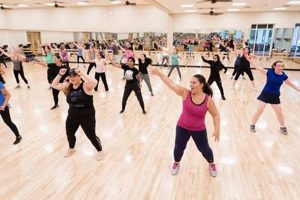
A first Zumba class typically involves a warm-up phase, followed by a series of dance routines set to Latin and international music, and concludes with a cool-down and stretching period. The intensity and complexity of the routines may vary depending on the class level and instructor style.
Question 2: Is prior dance experience necessary to participate in a Zumba class?
Prior dance experience is not a prerequisite for participating in a Zumba class. The routines are designed to be relatively simple and easy to follow, even for individuals with no formal dance training. The focus is on having fun and getting a good workout, rather than mastering complex choreography.
Question 3: What type of clothing and footwear is recommended for a Zumba class?
Loose-fitting, breathable clothing that allows for a full range of motion is recommended. Athletic shoes with good cushioning and lateral support are essential to prevent injury. Avoid shoes with excessive grip, as they can hinder fluid movements.
Question 4: How can the intensity of a Zumba class be modified to accommodate different fitness levels?
The intensity of a Zumba class can be modified by adjusting the range of motion, speed, and impact of the movements. Low-impact alternatives can be substituted for high-impact jumps and steps. Listening to the body and taking breaks as needed is crucial.
Question 5: What steps should be taken to prepare for a Zumba class?
Adequate hydration and a light meal or snack consumed at least one to two hours prior to the class are recommended. Familiarizing oneself with basic Zumba steps through online videos or introductory workshops can enhance confidence and improve participation.
Question 6: What are the potential benefits of participating in a Zumba class?
Participation in a Zumba class can yield numerous benefits, including improved cardiovascular health, increased muscular endurance, enhanced coordination, and a reduction in stress levels. The social aspect of the class can also contribute to improved mood and a sense of community.
The information presented in this FAQ section is intended to provide general guidance and address common concerns regarding an introductory Zumba class. Consulting with a healthcare professional prior to starting any new exercise program is always recommended.
The subsequent section will delve into advanced techniques and considerations for individuals seeking to progress beyond the introductory level of Zumba training.
Conclusion
This exploration has illuminated the multifaceted aspects of an individual’s initial engagement with Zumba. From the foundational importance of proper attire and hydration to the strategic considerations of positioning and movement modification, each element contributes significantly to the overall experience. The significance of proactive engagement and diligent recovery protocols has also been emphasized, underscoring the necessity of a holistic approach to maximizing benefits and minimizing potential drawbacks.
A successful “my first class zumba” experience serves as a gateway to sustained participation and long-term well-being. The principles outlined herein provide a framework for prospective participants to approach their initial class with confidence and informed awareness. Embracing these guidelines can transform a potentially intimidating encounter into a rewarding journey towards improved physical fitness and enhanced quality of life. Future research and development within the Zumba community should continue to prioritize accessibility and inclusivity, ensuring that this dynamic fitness modality remains accessible to individuals of all backgrounds and abilities.