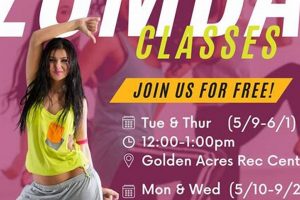
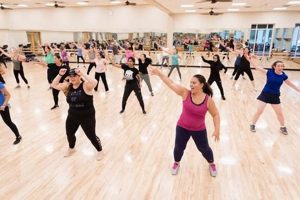
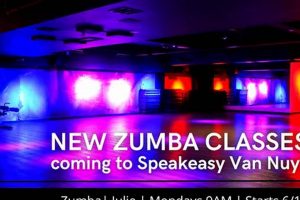
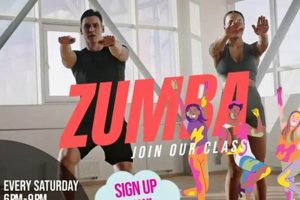
Effective promotional strategies for Zumba fitness sessions encompass a range of creative concepts designed to attract potential participants. These concepts can include visually appealing posters, engaging social media campaigns, strategically placed flyers, and targeted online advertisements. For instance, a local fitness center might use a vibrant video showcasing the energy and fun of a Zumba session to generate interest.
The significance of well-crafted promotional initiatives lies in their ability to increase class attendance and build a loyal following. Historically, word-of-mouth was a primary method for promoting exercise classes. However, in today’s digital age, a multifaceted approach combining traditional and online marketing techniques offers a broader reach and greater impact. These strategies contribute to the overall success and sustainability of Zumba programs.
The subsequent sections will explore specific approaches to developing successful marketing campaigns for Zumba instruction, focusing on key elements such as target audience identification, message crafting, and channel selection.
Effective Promotional Techniques for Zumba Instruction
The following recommendations provide guidance on developing and implementing strategies to attract individuals to Zumba fitness sessions.
Tip 1: Target Audience Identification: Conduct thorough market research to understand the demographics and psychographics of potential participants. This information will inform messaging and channel selection. For example, a community with a large senior population may require adjustments in the promotional material and class structure to cater to their specific needs.
Tip 2: Visually Compelling Content Creation: Develop high-quality images and videos that showcase the energy and fun associated with Zumba. Professional photography and videography will enhance the perceived value of the classes. Consider featuring diverse individuals participating in a session to broaden appeal.
Tip 3: Strategic Social Media Engagement: Utilize platforms frequented by the target audience. Employ targeted advertising and engage with followers through contests, polls, and Q&A sessions. Track engagement metrics to refine future campaigns. For example, running a Facebook ad campaign focused on a specific geographic location.
Tip 4: Local Partnerships and Collaborations: Collaborate with local businesses, community centers, and schools to cross-promote Zumba classes. Offering introductory workshops or demonstrations can generate interest. A local health food store might co-sponsor a Zumba event, providing healthy snacks and promoting the fitness session.
Tip 5: Email Marketing and Newsletter Development: Build an email list to disseminate information about class schedules, special offers, and instructor profiles. Segment the list based on participant preferences to deliver targeted content. For instance, send a reminder email the day before a class to those who have previously attended.
Tip 6: Testimonials and Success Stories: Feature testimonials from satisfied participants to build credibility and social proof. Highlight positive outcomes such as weight loss, increased energy levels, and improved well-being. These testimonials can be shared on social media, websites, and promotional materials.
Tip 7: Introductory Offers and Packages: Offer introductory discounts or packages to incentivize potential participants to try Zumba. Provide options for drop-in classes, monthly memberships, and package deals. A limited-time offer can create a sense of urgency and encourage immediate sign-ups.
Implementing these techniques can significantly enhance the visibility and appeal of Zumba sessions, leading to increased participation and program success.
The next section will address legal and ethical considerations related to promoting Zumba classes.
1. Targeted Demographics

The identification and understanding of specific demographic groups is foundational to the development and execution of effective promotional strategies for Zumba fitness sessions. Advertising campaigns that fail to consider the nuances of their intended audience risk irrelevance and inefficiency.
- Age and Life Stage Segmentation
Promotional messaging must adapt to different age groups and life stages. Younger demographics may respond to energetic, trend-focused advertisements emphasizing social aspects and current music. Conversely, older adults may prioritize low-impact modifications, health benefits, and a supportive community. An example is tailoring social media ads to Gen Z with upbeat music, while flyers in retirement communities emphasize the fitness and socialization aspects of Zumba.
- Cultural and Ethnic Considerations
Cultural backgrounds influence exercise preferences, music tastes, and perceived barriers to participation. Advertisements should feature diverse instructors and participants, utilizing culturally relevant music and dance styles. A Zumba class advertisement targeting the Hispanic community might prominently feature Latin music and rhythms, along with testimonials from Hispanic participants.
- Socioeconomic Factors and Accessibility
Pricing strategies and program accessibility must align with the socioeconomic realities of the target demographic. Offering discounted rates, subsidized memberships, or classes in underserved communities can increase participation. Advertisements should clearly communicate pricing options and payment plans, along with information about accessible locations and transportation.
- Health Status and Fitness Levels
Promotional materials should address the varying fitness levels and health considerations of the target audience. Highlighting modifications for beginners, showcasing the benefits for individuals with specific health conditions (e.g., arthritis), and providing testimonials from participants with similar challenges can build trust and encourage participation. A flyer advertising a Zumba Gold class aimed at seniors will specifically highlight low-impact movements and health benefits for arthritis patients.
The successful application of these facets ensures promotional efforts for Zumba classes are strategically aligned with the needs, preferences, and constraints of the intended audience. A comprehensive understanding of targeted demographics forms the bedrock of effective advertising, maximizing participation and fostering a loyal customer base.
2. Visual Appeal
Visual appeal constitutes a critical component of successful Zumba class advertising. The cause-and-effect relationship between visually engaging advertisements and increased class enrollment is well-established. The importance of visual elements stems from their ability to capture attention in a saturated advertising landscape, conveying the energy and excitement associated with Zumba fitness sessions. For example, advertisements featuring dynamic action shots of participants, vibrant colors, and energetic instructors tend to generate more interest than static, text-heavy alternatives.
Practical significance of understanding the role of visual appeal is reflected in the resource allocation toward high-quality photography and videography. Fitness centers and Zumba instructors invest in professional visual content to showcase the positive atmosphere and tangible benefits of participation. Another example is the use of before-and-after images or videos of participants, highlighting the transformative potential of regular Zumba classes. These visuals contribute significantly to shaping the perceived value of the offering.
In summary, visual appeal is not merely an aesthetic consideration but an integral aspect of attracting potential participants to Zumba classes. Challenges may arise from budget constraints or difficulties in creating authentic and engaging content. However, recognizing the direct correlation between impactful visuals and enrollment rates enables instructors and fitness centers to prioritize these elements, ultimately contributing to program growth and sustainability.
3. Compelling messaging

The construction of persuasive messages is integral to the effectiveness of advertising for Zumba fitness sessions. Communication that resonates with potential participants is vital for influencing enrollment decisions and building program loyalty.
- Benefit-Oriented Language
Emphasizing the tangible benefits of Zumba, rather than simply describing the class format, is crucial. Advertisements should highlight weight loss, improved cardiovascular health, stress reduction, and increased energy levels. For instance, instead of stating “Zumba is a dance fitness class,” a more compelling message would be “Burn calories, reduce stress, and feel energized with Zumba’s fun and effective workout.”
- Emotional Connection
Creating an emotional connection with the audience can significantly enhance message recall and persuasiveness. This can be achieved through storytelling, testimonials, and imagery that evoke positive emotions like joy, community, and empowerment. An example would be featuring a testimonial from a participant who overcame social anxiety through Zumba, sharing their personal transformation.
- Clear Call to Action
A compelling message includes a clear and concise call to action, guiding potential participants on how to register or learn more. This may involve providing a website link, phone number, or QR code for immediate access. For instance, ending an advertisement with “Visit our website to sign up for your first class free!” provides a direct incentive and clear instruction.
- Authenticity and Transparency
Messages should be genuine and transparent, accurately representing the Zumba experience. Avoiding exaggerated claims or misleading information builds trust and fosters long-term engagement. A realistic depiction of class intensity and participant demographics contributes to a more credible advertisement.
The integration of benefit-oriented language, emotional connection, clear calls to action, and authenticity is essential for crafting compelling messages that effectively promote Zumba classes. These elements, when combined, contribute to heightened interest, increased enrollment, and sustained participation in Zumba programs.
4. Channel Optimization

Strategic channel optimization is paramount for maximizing the reach and effectiveness of promotional campaigns for Zumba fitness sessions. Selecting and refining communication channels to align with the target audience is essential for achieving optimal advertisement performance.
- Social Media Platform Selection
The choice of social media platforms should reflect the demographics and online behavior of the desired participants. Platforms like Instagram and TikTok may be effective for reaching younger audiences through visually engaging content, while Facebook may be more appropriate for older demographics and community-based messaging. For example, if targeting college students, creating Zumba-themed challenges or dance-offs on TikTok could generate significant interest. Analyzing platform analytics assists in identifying the most responsive audiences.
- Search Engine Optimization (SEO) for Online Visibility
Implementing SEO strategies is critical for ensuring that Zumba classes appear prominently in search engine results. This involves optimizing website content with relevant keywords, creating local business listings, and building backlinks from reputable websites. A local fitness center offering Zumba classes might target keywords like “Zumba classes near me” or “dance fitness [city name]” to attract local search traffic. Consistent monitoring of search rankings and traffic patterns allows for continuous refinement of SEO efforts.
- Email Marketing Segmentation and Personalization
Segmenting email lists based on participant demographics, interests, and prior engagement allows for the delivery of targeted and personalized messages. Customized email campaigns promoting specific Zumba class formats or offering exclusive discounts can increase open rates and click-through rates. For example, sending a promotional email about a Zumba Gold class to subscribers over the age of 55 can improve the relevance and effectiveness of the message. Tracking email performance metrics enables ongoing optimization of email content and delivery strategies.
- Offline Channel Integration
Integrating offline channels, such as local newspapers, community flyers, and partnerships with local businesses, can complement online efforts and reach audiences not easily accessible through digital marketing. Sponsoring community events or offering free Zumba demonstrations at local fairs can generate awareness and attract new participants. For example, placing advertisements in local parenting magazines or partnering with a community center to offer introductory Zumba sessions can expand the reach of promotional campaigns. Measuring the impact of offline activities through tracking codes or feedback surveys provides insights for optimizing channel allocation.
The strategic integration and optimization of these channels form a cohesive promotional ecosystem, maximizing the visibility of Zumba classes and driving increased participation. Continuous monitoring, analysis, and adaptation based on performance metrics are essential for ensuring that promotional efforts remain aligned with the evolving needs and preferences of the target audience.
5. Community engagement

The integration of community engagement strategies into promotional campaigns for Zumba fitness classes serves to enhance brand visibility, build trust, and foster a sense of belonging among potential participants. This approach moves beyond traditional advertising to create meaningful interactions and lasting relationships within local communities.
- Local Partnerships and Collaborations
Establishing partnerships with local businesses, schools, and community organizations allows for cross-promotion and access to new audiences. Offering Zumba demonstrations at community events or collaborating with health and wellness providers can increase awareness and credibility. For example, a Zumba instructor might partner with a local grocery store to offer free classes in exchange for promoting healthy eating habits. This multifaceted approach can significantly broaden the reach of Zumba sessions while embedding them in community life.
- Participation in Local Events and Initiatives
Actively participating in local events, such as charity runs, health fairs, and neighborhood festivals, provides opportunities to showcase Zumba and engage with potential participants in a non-intrusive manner. This involvement can involve offering free mini-classes, providing information about Zumba programs, and building rapport with community members. An example would be a Zumba instructor leading a warm-up routine at a local 5K race, promoting both fitness and community spirit. Participation allows direct, positive interaction with potential clientele.
- Social Media Community Building
Utilizing social media platforms to create a virtual community centered around Zumba fosters engagement and interaction among participants and potential newcomers. This involves sharing class schedules, fitness tips, motivational content, and participant testimonials. Regular interaction, responding to comments and questions, and organizing online challenges cultivate a sense of belonging. A local Zumba instructor might create a private Facebook group for class members to share their progress, ask questions, and support each other, strengthening the community bond.
- Charitable Contributions and Fundraising Efforts
Aligning Zumba classes with charitable causes and fundraising efforts enhances the program’s social impact and attracts participants who value contributing to the community. Organizing Zumba-thons to raise money for local charities or offering discounted classes to individuals in need can demonstrate a commitment to community well-being. For instance, a Zumba studio might host a fundraising event for a local animal shelter, attracting participants who are passionate about animal welfare. This charitable connection can significantly enhance the perceived value and appeal of Zumba classes.
These community engagement strategies, when integrated effectively into Zumba class promotion, transcend conventional advertising and cultivate a sense of shared purpose and belonging. The result is increased participation, enhanced brand loyalty, and a stronger connection between Zumba and the community it serves.
6. Incentive Programs

The integration of incentive programs into promotional campaigns for Zumba fitness classes constitutes a strategic approach to augment enrollment and participation rates. These initiatives, when effectively designed and communicated, create a direct correlation between specific actions, such as initial registration or consistent attendance, and tangible rewards. The importance of these programs stems from their capacity to address common barriers to entry, such as perceived cost or lack of motivation, thereby increasing the attractiveness of Zumba classes to potential participants. Examples of incentive programs include offering discounted rates for new members, providing referral bonuses for existing participants who recruit new attendees, or awarding loyalty points for consistent class attendance. Such programs reduce the financial burden of participation and foster a sense of community through shared rewards.
Furthermore, the practical significance of understanding the role of incentive programs in Zumba class promotion is reflected in their impact on participant retention. Implementing tiered reward systems, where participants unlock increasingly valuable benefits based on their level of engagement, encourages long-term commitment and reduces attrition rates. For instance, a program might offer a free Zumba-branded t-shirt after attending ten classes, a discounted monthly membership after twenty classes, and a free private lesson after fifty classes. These incentives serve not only to attract new participants but also to cultivate a dedicated and active member base. The success of these programs hinges on clear communication, straightforward redemption processes, and the perceived value of the rewards offered.
In summary, incentive programs are an effective element for promotional activities. Challenges may arise from budgetary constraints or difficulties in administering the programs equitably. However, recognizing the direct influence of well-designed incentive strategies on enrollment and retention rates enables instructors and fitness centers to prioritize these elements. This ultimately contributes to the sustainability and success of Zumba programs within competitive fitness markets by providing participants with tangible benefits and fostering a sense of value.
7. Measurable results
The systematic evaluation of promotional campaign performance is essential for optimizing advertising strategies for Zumba classes. Quantifiable metrics provide actionable insights into the effectiveness of different promotional techniques, enabling data-driven decision-making and resource allocation.
- Enrollment Rates and Class Attendance
Tracking enrollment rates and class attendance figures serves as a primary indicator of advertising effectiveness. An increase in new enrollments following a specific campaign suggests that the promotional message and channel resonated with the target audience. For example, monitoring the number of new sign-ups after launching a social media advertisement campaign can directly assess the campaign’s impact. Conversely, stagnant or declining enrollment rates may indicate the need for adjustments to the promotional strategy.
- Website Traffic and Lead Generation
Monitoring website traffic and lead generation metrics provides valuable insights into the effectiveness of online advertising efforts. Analyzing website traffic sources, bounce rates, and conversion rates can reveal which online channels are driving the most qualified leads. For example, tracking the number of visitors who click through from an online advertisement to a Zumba class registration page can measure the advertisement’s ability to generate interest and drive conversions. A high bounce rate on a landing page may suggest that the content is not aligned with the advertisement’s messaging, indicating a need for optimization.
- Social Media Engagement and Reach
Evaluating social media engagement metrics, such as likes, shares, comments, and reach, provides insights into the effectiveness of social media advertising campaigns. A high level of engagement suggests that the content is resonating with the target audience and generating positive brand sentiment. For example, monitoring the number of shares and comments on a Zumba class promotion video can assess the video’s ability to generate buzz and encourage social sharing. Analyzing follower growth and demographic data can provide a deeper understanding of the audience reached through social media efforts.
- Return on Investment (ROI) Analysis
Conducting a return on investment (ROI) analysis allows for a comprehensive assessment of the financial effectiveness of different advertising campaigns. Calculating the revenue generated from new enrollments attributable to a specific campaign, minus the cost of the campaign, provides a quantifiable measure of its profitability. For example, if a $500 Facebook advertisement campaign generates $2000 in revenue from new Zumba class enrollments, the ROI would be 300%. Comparing the ROI of different advertising channels allows for optimizing resource allocation and focusing on the most profitable strategies.
These measurable results provide a feedback loop for continuously refining promotional efforts for Zumba classes. By systematically tracking and analyzing these metrics, instructors and fitness centers can optimize their advertising strategies to maximize enrollment, build brand awareness, and achieve sustainable program growth.
Frequently Asked Questions
This section addresses common inquiries concerning effective advertising strategies for Zumba fitness classes.
Question 1: What are the essential components of a successful advertisement for a Zumba class?
A successful advertisement typically integrates visually appealing content, benefit-oriented messaging, a clear call to action, and targeted distribution to the appropriate demographic.
Question 2: How can the target audience for Zumba classes be effectively identified?
Target audience identification involves analyzing demographic data, conducting market research, and assessing community needs. This informs message crafting and channel selection for advertising campaigns.
Question 3: What role does visual content play in attracting participants to Zumba classes?
Visual content, such as high-quality images and videos, plays a crucial role in capturing attention and conveying the energy and fun associated with Zumba. Professional-grade visuals enhance the perceived value of the classes.
Question 4: How can social media platforms be leveraged to promote Zumba classes?
Social media platforms offer opportunities for targeted advertising, community engagement, and content sharing. Strategic use of relevant hashtags and interactive features can enhance visibility and generate leads.
Question 5: What are some cost-effective strategies for advertising Zumba classes on a limited budget?
Cost-effective strategies include leveraging free social media platforms, partnering with local businesses for cross-promotion, and utilizing email marketing to engage existing contacts.
Question 6: How can the effectiveness of Zumba class advertisements be measured?
Advertisement effectiveness can be measured by tracking enrollment rates, website traffic, social media engagement, and return on investment (ROI). These metrics provide actionable insights for optimizing future campaigns.
These FAQs provide a foundation for understanding the key elements of successful Zumba class advertising. Applying these principles can enhance promotional efforts and drive increased participation.
The following section will offer a concluding summary of the key concepts discussed.
Conclusion
The exploration of strategies for promoting Zumba fitness sessions has revealed several essential elements for effective campaign development. From targeted demographic identification to strategic channel optimization and community engagement, a multifaceted approach is necessary to maximize reach and impact. Incentive programs and measurable result tracking further contribute to the refinement and sustainability of promotional efforts, ensuring alignment with evolving audience preferences.
The implementation of these elements represents a strategic investment in the long-term success of Zumba programs. A commitment to data-driven decision-making and continuous improvement will ensure that promotional initiatives remain relevant, engaging, and effective in attracting and retaining participants. Continued innovation and adaptation are critical for navigating the dynamic landscape of fitness marketing and maintaining a competitive edge.