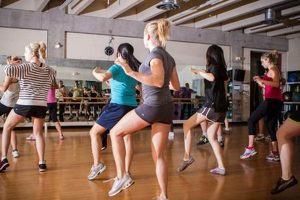
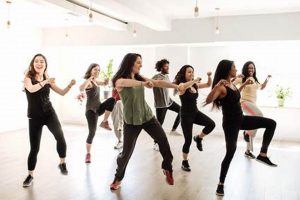
The activity blends aerobic exercise routines with Latin-American music and dance movements. Participants typically follow an instructor who leads a choreographed series of steps. A session may incorporate various dance styles, fostering a high-energy, engaging workout experience.
This approach to fitness offers several advantages, including cardiovascular improvement, enhanced coordination, and potential weight management. Originating in the early 2000s, it quickly gained popularity due to its accessible nature and the perception of exercise as an enjoyable activity rather than a chore. Its appeal lies in its ability to make fitness feel less like a workout and more like a party.
The subsequent sections will delve into the specific elements that contribute to the effectiveness of this fitness discipline, examining its impact on different aspects of physical well-being and exploring practical considerations for participation and instructor qualifications.
Guidance for Effective Zumba Participation
This section provides advice to maximize the benefits and minimize potential risks associated with engaging in group fitness sessions centered around Latin-inspired dance movements.
Tip 1: Proper Footwear Selection. Opt for shoes that provide adequate support and cushioning to minimize stress on joints. Cross-training shoes are often a suitable choice.
Tip 2: Hydration is Essential. Consume water before, during, and after participation to maintain optimal performance and prevent dehydration.
Tip 3: Gradual Intensity Increase. Newcomers should begin with low-impact variations and gradually increase intensity to avoid injury.
Tip 4: Space Awareness. Maintain sufficient personal space to allow for unrestricted movement and prevent collisions with other participants.
Tip 5: Listen to the Body. Discontinue participation immediately if any pain or discomfort arises. Consult with a healthcare professional if symptoms persist.
Tip 6: Instructor Qualifications. Verify that the instructor possesses current certifications and a strong understanding of safe exercise practices.
Tip 7: Pre-existing Conditions. Individuals with pre-existing medical conditions should consult with a physician before engaging in this, or any, new exercise program.
Adhering to these guidelines can contribute to a safer, more enjoyable, and more effective group exercise experience.
The following section will explore the potential long-term health impacts and considerations for integrating this type of fitness activity into a comprehensive wellness plan.
1. Choreography Standardization

Choreography standardization, within the framework of structured fitness activities, significantly influences participant engagement, safety, and measurable outcomes. The consistency derived from standardized routines provides a predictable structure, allowing individuals to progressively improve their skills and fitness levels.
- Enhanced Learning Curve
Standardized dance steps facilitate a faster learning curve for participants. Predictable routines enable individuals to anticipate movements, resulting in improved coordination and confidence. This consistency allows for more efficient progression from basic to advanced routines, leading to a more rewarding and sustainable fitness practice.
- Reduced Risk of Injury
When movements are consistently executed within a structured framework, the potential for injury decreases. Standardized routines emphasize proper form and technique, reducing the likelihood of incorrect postures or sudden, uncontrolled movements that can lead to strain or injury. Instructors can more effectively monitor participants’ form when adhering to standardized patterns.
- Improved Instructor Efficiency
For instructors, standardized choreography simplifies lesson planning and delivery. With established routines, instructors can focus on refining their teaching techniques, providing individualized guidance, and ensuring proper form among participants, rather than dedicating significant time to creating new sequences for each session.
- Measurable Performance Metrics
Standardized routines enable a more objective assessment of participant progress. Consistent movements and sequences allow instructors to track improvement in coordination, stamina, and technique, providing participants with tangible metrics to gauge their development and sustain motivation.
The facets discussed above demonstrate the importance of choreography standardization in creating a more effective, safe, and engaging exercise environment. By adhering to established routines, participants can achieve enhanced fitness outcomes, instructors can optimize their teaching methods, and the risk of injury can be significantly minimized, ultimately contributing to a positive and sustainable fitness experience.
2. Intensity Modulation

Intensity modulation constitutes a critical element within structured fitness sessions. The controlled variance of exertion levels is paramount for maximizing efficacy and ensuring participant safety. In the context of group fitness, a strategic approach to manipulating exercise intensity is essential to accommodate diverse fitness levels and mitigate potential risks.
- Heart Rate Zone Management
Effective intensity modulation involves managing heart rate zones to achieve specific physiological goals. Periods of high-intensity movement elevate the heart rate towards anaerobic thresholds, fostering cardiovascular conditioning. Conversely, lower-intensity segments allow for recovery and fat oxidation. The structured alternation between these zones optimizes the metabolic benefits of the exercise regimen.
- Movement Complexity Progression
The complexity of movement patterns directly influences the cognitive and physical demands of the activity. Intensity modulation may involve transitioning from basic steps to more intricate combinations. This gradual progression challenges participants and prevents plateaus in fitness gains. Furthermore, it requires instructors to possess a strong understanding of biomechanics and exercise progression principles.
- Impact Level Modification
Modifying impact levels offers a tangible means of adjusting intensity. High-impact activities, such as jumping jacks, generate greater stress on joints. Low-impact alternatives, such as stepping, reduce joint loading and provide a less strenuous option. Instructors can modify the intensity by incorporating diverse impact level options.
- Duration of Active/Rest Intervals
Manipulating the duration of active work and rest intervals significantly impacts the overall intensity and metabolic demands of the fitness routine. Prolonging active periods and shortening rest phases elevate the exercise intensity. Conversely, shorter bursts of activity followed by extended recovery periods reduce the overall strain. Strategically adjusting these intervals enables instructors to tailor the workout to diverse fitness capabilities and goals.
The successful implementation of intensity modulation depends on the instructor’s ability to assess participant fitness levels, understand exercise physiology, and communicate clear instructions. Failure to modulate intensity appropriately can result in injury, overexertion, or lack of progress, emphasizing the need for certified and competent fitness professionals.
3. Participant Safety

The preservation of participant well-being constitutes a paramount consideration within structured fitness activities. In the context of group fitness sessions, this principle assumes heightened importance due to the potential for increased risk factors associated with group dynamics, varying fitness levels, and the intensity of the exercise. Injuries can arise from inadequate warm-up routines, improper technique during movements, insufficient hydration, or pre-existing medical conditions that are exacerbated by physical exertion. For instance, failure to modify routines to accommodate individuals with knee problems can lead to joint pain and further injury. Similarly, an instructor’s lack of attention to proper form could result in muscle strains or sprains among participants attempting complex dance steps. Instances of heat exhaustion during intense sessions, especially in poorly ventilated spaces, highlight the necessity for meticulous attention to environmental factors and participant monitoring. Furthermore, insufficient space between participants can cause collisions and accidental injuries.
Vigilance in this area directly influences the overall experience and sustainability of fitness programs. Active risk management necessitates a multifaceted approach encompassing pre-participation screening, instructor certification, appropriate facility conditions, and adherence to established safety protocols. Effective communication plays a vital role; instructors must clearly convey modifications, provide continuous feedback on technique, and encourage participants to self-monitor for signs of distress. The implementation of a standardized emergency response plan is also crucial, ensuring immediate and appropriate action in the event of an adverse incident. For example, providing readily available first aid supplies and having trained personnel present can mitigate the impact of injuries. Consistent monitoring of participants’ perceived exertion levels allows instructors to adjust the intensity and complexity of movements, preventing overexertion.
In summary, participant safety represents an integral component of effective fitness activities. A proactive approach, encompassing risk assessment, preventative measures, and prompt response protocols, is essential for mitigating potential hazards and ensuring a secure and enjoyable environment. Overlooking safety considerations can undermine the benefits of structured fitness routines and deter participation, emphasizing the need for constant vigilance and continuous improvement in safety standards and practices. The integration of safety education into instructor training, coupled with consistent monitoring of participant feedback, is vital for maintaining a culture of safety within structured exercise environments.
4. Instructor Certification

Instructor certification serves as a critical component in the delivery of safe and effective structured fitness sessions. Its importance stems from the need to ensure that those leading fitness activities possess the requisite knowledge, skills, and competence to guide participants safely and efficiently. In the domain of dance-based fitness, such as the keyword phrase, certification holds particular significance given the complexity of movements and the potential for injury if proper technique is not emphasized and enforced.
- Foundational Knowledge of Exercise Science
Certification programs typically require instructors to demonstrate a working knowledge of exercise physiology, biomechanics, and anatomy. This understanding enables instructors to design sessions that are appropriate for diverse fitness levels, minimize the risk of injury, and maximize the potential for positive outcomes. For example, a certified instructor understands how to modify routines for individuals with pre-existing conditions or injuries, preventing exacerbation and promoting safe participation.
- Proficiency in Technique and Cueing
Certification ensures that instructors possess the technical skills to execute dance movements correctly and efficiently. Furthermore, it equips them with the ability to provide clear and concise verbal cues to guide participants through the routines. Accurate technique minimizes the risk of injury and enhances the effectiveness of the exercise. Effective cueing ensures that participants understand the movements and can follow along safely and confidently. An instructor without proper training may inadvertently lead participants into incorrect postures, increasing the likelihood of strain or sprain.
- Emergency Response and Safety Protocols
Certified instructors are trained to recognize potential hazards, respond to emergencies, and implement established safety protocols. This includes understanding basic first aid, CPR, and automated external defibrillator (AED) procedures. They are also trained to assess environmental conditions and make appropriate adjustments to minimize risks, such as overheating or dehydration. In an emergency, a certified instructor can provide immediate assistance and coordinate with emergency medical services, potentially mitigating the severity of the situation.
- Ethical Conduct and Professional Responsibility
Certification programs often emphasize ethical conduct and professional responsibility. This includes maintaining confidentiality, respecting participant boundaries, and adhering to established codes of conduct. Certified instructors are expected to act in the best interests of their participants and to maintain a professional demeanor at all times. They understand the importance of continuing education and staying abreast of current best practices in the fitness industry. Uncertified instructors may lack awareness of ethical considerations, potentially leading to inappropriate behavior or practices that could harm participants.
The points described above demonstrate the critical link between certified instruction and safe, effective, and ethical group fitness activities. Participants can derive the most benefit from these activities when led by qualified professionals who possess the knowledge, skills, and commitment to prioritize safety, promote positive outcomes, and adhere to established ethical standards. Selecting certified instructors contributes significantly to a positive and sustainable fitness experience.
5. Adaptability & Modification
Adaptability and modification are critical for ensuring accessibility and inclusivity within group fitness settings. Specifically, in dance-based group exercise, the ability to modify movements to accommodate diverse physical capabilities and limitations is paramount for maximizing participation and minimizing the risk of injury.
- Range of Motion Limitations
Individuals possess varying degrees of joint mobility, influenced by factors such as age, injury history, and underlying medical conditions. Adaptations can involve reducing the amplitude of movements, substituting high-impact steps with low-impact alternatives, or utilizing modified stances to accommodate limited flexibility. For example, a participant with a knee injury can replace a jump with a step-touch to reduce stress on the joint.
- Varying Fitness Levels
Participants enter group exercise with differing levels of cardiovascular fitness, muscular strength, and endurance. Modifying the intensity of movements, such as reducing the speed or simplifying the choreography, allows individuals to participate comfortably without exceeding their physical limits. Furthermore, offering progressions that gradually increase in complexity and intensity enables participants to progressively challenge themselves as their fitness improves.
- Accommodating Physical Impairments
Individuals with physical impairments, such as those using mobility aids or experiencing limitations in coordination, may require significant modifications to participate safely and effectively. These adaptations can involve seated variations of exercises, the use of assistive devices for balance, or simplified movement patterns that minimize the risk of falls or other injuries. Instructors must possess the knowledge and skills to provide appropriate modifications and ensure that all participants feel included and supported.
- Addressing Pregnancy-Related Changes
Pregnant individuals experience a range of physiological changes that necessitate modifications to exercise routines. Adaptations may include avoiding high-impact movements, modifying core exercises to accommodate abdominal changes, and adjusting the intensity and duration of sessions to account for increased fatigue. Instructors must be knowledgeable about pregnancy-related exercise guidelines and able to provide safe and effective modifications for expectant participants.
The ability to effectively adapt and modify exercise routines enhances the inclusivity and accessibility of group fitness activities, ensuring that individuals of all ages, fitness levels, and physical abilities can participate safely and benefit from the physical and psychological advantages these sessions offer. Certified instructors, grounded in exercise science and adaptive fitness principles, are best positioned to implement effective modifications, promoting a positive and empowering exercise experience for all participants.
Frequently Asked Questions Regarding Zumba Class Training
The following section addresses prevalent inquiries and clarifies common misconceptions concerning fitness sessions incorporating Latin-inspired dance movements.
Question 1: Is prior dance experience a prerequisite for participation?
No prior dance proficiency is required. Routines are designed to be accessible to individuals of all fitness levels and movement backgrounds. Instructors typically provide modifications to accommodate varying abilities.
Question 2: What is the anticipated caloric expenditure per session?
Caloric expenditure varies depending on the intensity, duration, and individual metabolism. A typical session may result in the burning of 300 to 900 calories.
Question 3: Are modifications available for individuals with joint limitations?
Yes, certified instructors should provide modifications to accommodate joint limitations or other physical concerns. Participants are encouraged to communicate any limitations to the instructor prior to the session.
Question 4: What type of attire is recommended for participation?
Comfortable clothing that allows for freedom of movement is advisable. Cross-training shoes offering adequate support are recommended. Avoid restrictive clothing or footwear that could impede movement or increase the risk of injury.
Question 5: How frequently should an individual participate to observe noticeable results?
Consistency is paramount. Participating at least two to three times per week, combined with a balanced diet, can yield noticeable improvements in cardiovascular fitness, strength, and overall well-being.
Question 6: Are specialized certifications required for instructors?
Yes, reputable instructors should possess specialized certifications from recognized fitness organizations. These certifications ensure that instructors have the knowledge and skills to lead safe and effective group fitness sessions.
In summary, participation provides a dynamic and engaging avenue for improving physical fitness. Adhering to safety guidelines and selecting qualified instructors are crucial for maximizing benefits and minimizing potential risks.
The subsequent discussion will explore practical considerations for incorporating this activity into a comprehensive health and wellness strategy.
Conclusion
This article has provided a comprehensive overview of zumba class training, examining its core components, benefits, safety considerations, and the importance of qualified instruction. From choreography standardization to intensity modulation and the necessity of adaptability, each element contributes to the overall effectiveness and accessibility of this fitness discipline. A thorough understanding of these factors is crucial for both participants and instructors seeking to maximize the positive outcomes and minimize potential risks associated with this form of exercise.
The information presented here serves as a foundation for informed decision-making regarding participation in zumba class training. Continued adherence to safety protocols and a commitment to ongoing education within the fitness community will ensure that this activity remains a valuable tool for promoting health and well-being. Further research and practical application will undoubtedly contribute to its evolution and continued relevance in the landscape of group fitness.
![Find Your Zumba Classes Schedule Near You: [Location] Edition | The Ultimate Zumba Guide: Dance Your Way to a Healthier You](https://mamazumba.com/wp-content/uploads/2026/04/th-406-300x200.jpg "Find Your Zumba Classes Schedule Near You: [Location] Edition The Ultimate Zumba Guide: Dance Your Way to a Healthier You")