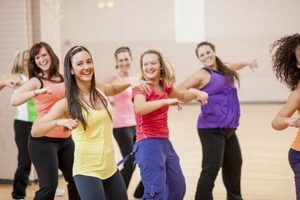
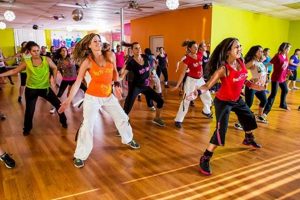
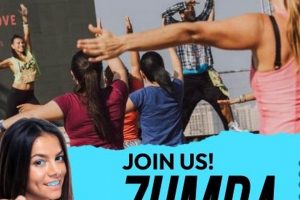
Appropriate attire for a Zumba session typically consists of garments that facilitate a full range of motion and regulate body temperature. Examples include breathable athletic tops, supportive sports bras for women, and flexible leggings or shorts. Comfort and functionality are paramount when selecting items for this type of physical activity.
The right apparel significantly enhances the Zumba experience by preventing restrictions, allowing for fluid execution of dance movements, and promoting comfort throughout the class. Historically, individuals participating in similar high-energy fitness activities have prioritized similar attributes in their clothing choices to maximize performance and minimize discomfort or potential injury.
The following sections will delve into specific recommendations regarding ideal fabrics, styles, and supportive elements for optimized performance during a Zumba workout.
Apparel Selection Guidance for Zumba Participation
The following guidelines outline key considerations for selecting suitable attire for Zumba classes, focusing on comfort, performance, and safety.
Tip 1: Prioritize Breathable Fabrics: Opt for materials like moisture-wicking synthetics or lightweight cotton blends to facilitate ventilation and minimize discomfort from perspiration.
Tip 2: Ensure Unrestricted Movement: Select garments that allow for a full range of motion, avoiding overly tight or restrictive designs that could impede dance movements.
Tip 3: Provide Adequate Support: Female participants should choose a supportive sports bra designed for medium-to-high impact activities to minimize discomfort and potential injury.
Tip 4: Consider Layering Options: Prepare for varying temperatures by incorporating layering options, such as a light jacket or wrap, that can be easily removed as the class progresses.
Tip 5: Choose Appropriate Footwear: Select athletic shoes with good lateral support and cushioning to protect joints and facilitate agility during dance routines. Cross-training shoes are generally a good choice.
Tip 6: Assess Length and Coverage: Evaluate the length of shorts or leggings to ensure they provide adequate coverage and prevent any potential wardrobe malfunctions during dynamic movements.
Tip 7: Minimize Distractions: Avoid clothing with excessive embellishments, dangling straps, or anything that could potentially snag or create a tripping hazard.
Adhering to these recommendations will contribute to a more comfortable, effective, and enjoyable Zumba experience. Prioritizing functionality and appropriate design elements is key to maximizing performance and minimizing the risk of injury.
The subsequent section will address specific style considerations and accessory choices that can further enhance the Zumba workout.
1. Breathability

Breathability, as a characteristic of garments worn during a Zumba session, directly impacts the body’s ability to regulate temperature. During high-intensity dance fitness activities, the body generates significant heat. Fabrics lacking breathability trap this heat and perspiration, leading to discomfort, reduced performance, and potential overheating. Conversely, clothing constructed from breathable materials allows for the evaporation of sweat, maintaining a more stable core temperature. This effect contributes to improved comfort and endurance throughout the class.
A real-world example of the importance of breathability can be observed when comparing the performance of participants wearing different fabrics. Individuals wearing synthetic, moisture-wicking fabrics often report greater comfort and sustained energy levels compared to those wearing non-breathable materials like heavy cotton. The practical significance of understanding breathability lies in its direct link to participant well-being and the ability to fully engage in the workout without experiencing the debilitating effects of overheating or excessive perspiration. Appropriate ventilation minimizes skin irritation and the potential for bacterial growth, further enhancing the overall experience.
In conclusion, prioritizing breathability in attire selection for Zumba classes is paramount. The selection of appropriate materials has direct implications for temperature regulation, comfort, and overall performance. Disregarding this crucial factor can lead to decreased engagement and potential health risks. Addressing breathability needs ensures a more hygienic, comfortable, and effective fitness experience.
2. Flexibility

Flexibility, within the context of attire selection for Zumba classes, represents a critical factor directly impacting both the safety and efficacy of participation. Garments should accommodate the extensive range of motion inherent in Zumba routines without causing restriction or discomfort.
- Dynamic Movement Accommodation
Zumba routines involve a diverse array of movements, including large-amplitude arm swings, hip rotations, and leg extensions. Clothing must allow for the unrestricted execution of these movements to prevent muscle strain or joint impingement. Rigid or ill-fitting garments can impede proper form and increase the risk of injury. An example is tight leggings that restrict hip flexion, hindering proper execution of Zumba steps.
- Fabric Elasticity and Stretch
The inherent elasticity and stretch of the fabric itself play a significant role in determining flexibility. Materials with a high degree of stretch, such as spandex or blends containing spandex, enable a greater range of motion compared to rigid fabrics like non-stretch cotton. The ability of the fabric to return to its original shape after being stretched is also important to maintain garment integrity and support during repetitive movements.
- Garment Design and Construction
The design and construction of the garment also contribute to overall flexibility. Seams placed in strategic locations, gussets incorporated into crotch areas, and articulated sleeves can enhance range of motion. Garments designed with a focus on athletic performance often incorporate these features to optimize flexibility and minimize restriction. For instance, raglan sleeves on a Zumba top allow for a greater range of shoulder movement.
- Psychological Impact
The perceived freedom of movement can influence a participants confidence and engagement in the Zumba class. Garments that feel restrictive or uncomfortable can create a sense of self-consciousness, hindering full participation and potentially impacting overall enjoyment. Clothing that allows for unrestricted movement fosters a sense of liberation and encourages participants to fully embrace the dance workout.
The interplay of dynamic movement accommodation, fabric elasticity, garment design, and psychological impact collectively underscores the importance of flexibility in attire choices for Zumba. Selecting garments that prioritize these aspects enhances the overall fitness experience, promotes safety, and encourages full participation in the dynamic movements characteristic of Zumba.
3. Support
The term “support,” when considered in the context of apparel intended for Zumba classes, encompasses both physical and biomechanical aspects essential for user safety and performance. Inadequate support can contribute to discomfort, pain, and an elevated risk of injury. The selection of garments with appropriate support characteristics is, therefore, a critical component of ensuring an effective and secure exercise experience. For example, a sports bra designed for high-impact activities is essential for female participants to minimize breast movement and prevent potential strain or discomfort. Failure to provide adequate support in this area can lead to long-term issues. Garments offering compressive support can enhance muscle stabilization, potentially reducing muscle fatigue during prolonged exercise.
Beyond localized support, the overall garment construction influences postural stability. Proper alignment of the spine and joints can be promoted through compression garments or structured designs. Footwear provides another facet of support that is key to preventing injury. Shoes with insufficient arch support or inadequate cushioning can increase the risk of lower limb injuries, such as ankle sprains or plantar fasciitis. Considerations related to support extend to specific movements within the dance fitness routine. Garments must accommodate these movements without constricting range of motion or creating pressure points, which could impair blood circulation or nerve function. An example includes leggings with a high waistband that offers core support and stability during rotational movements.
In conclusion, the provision of adequate support within attire for Zumba classes is a multifaceted consideration impacting physical well-being and performance. By selecting garments that prioritize appropriate support structures and features, participants can mitigate the risk of injury and optimize their experience. The challenge lies in identifying garments that offer the necessary level of support without compromising comfort, flexibility, or breathability. Future advancements in textile technology and garment design may yield solutions that further enhance these critical support characteristics.
4. Moisture-wicking

Moisture-wicking, a characteristic of fabrics used in athletic wear, plays a critical role in maintaining comfort and performance during high-intensity activities such as Zumba. Its presence directly affects the body’s ability to regulate temperature and minimize discomfort caused by perspiration.
- Mechanism of Action
Moisture-wicking fabrics are designed to draw sweat away from the skin’s surface and transport it to the outer layer of the material, where it can evaporate more readily. This is typically achieved through the use of hydrophobic synthetic fibers that repel water, combined with a fabric structure that promotes capillary action. The result is a drier and more comfortable microclimate next to the skin. For example, polyester and nylon are commonly used for moisture-wicking properties.
- Impact on Thermoregulation
Effective moisture-wicking aids thermoregulation by facilitating the evaporation of sweat, a natural cooling process. When sweat evaporates, it absorbs heat from the body, helping to lower core temperature and prevent overheating. Clothing that lacks moisture-wicking properties can trap sweat against the skin, hindering evaporation and potentially leading to discomfort and reduced performance. An individual experiencing overheating may fatigue more quickly, impacting their ability to fully participate in the Zumba class.
- Enhancement of Comfort and Hygiene
Moisture-wicking not only contributes to thermoregulation but also enhances overall comfort and hygiene. By preventing sweat from accumulating on the skin, it reduces the likelihood of chafing, skin irritation, and the growth of bacteria. Damp clothing can create a breeding ground for microorganisms, leading to unpleasant odors and potential skin infections. Garments with effective moisture-wicking properties help to maintain a drier and more hygienic environment, promoting a more comfortable and enjoyable workout experience.
- Performance Implications
The effects of moisture-wicking fabrics on thermoregulation and comfort have direct implications for performance. Individuals who remain cooler and drier are less likely to experience fatigue, distraction, or discomfort, allowing them to maintain higher levels of intensity and focus throughout the Zumba class. This, in turn, can lead to greater fitness gains and a more positive overall experience. In contrast, clothing that retains moisture can become heavy and uncomfortable, hindering movement and reducing performance.
The integration of moisture-wicking technology into apparel is vital for those engaging in Zumba classes. It helps manage body temperature, promotes comfort, supports hygiene, and enhances exercise efficiency. Garments that feature effective moisture management characteristics stand out as a crucial component for maximizing both the advantages and the enjoyment of these activities.
5. Comfort

The correlation between comfort and apparel selection for Zumba classes is paramount for optimizing participation and mitigating potential adverse effects. Discomfort arising from ill-fitting or inappropriate clothing can lead to decreased engagement, reduced performance, and even physical injury. Therefore, comfort is not merely a desirable attribute but an essential component of functional attire for this activity. The experience during a Zumba session is directly influenced by the tactile sensation and fit of the clothing worn. For instance, garments constructed from coarse or abrasive materials can cause chafing, leading to skin irritation and pain, consequently hindering the individual’s ability to fully participate in the class. Similarly, clothing that is excessively tight or restrictive can impede movement, contributing to muscle strain and fatigue. Conversely, garments that provide a comfortable fit, allow for a full range of motion, and effectively manage moisture contribute to an enhanced and more enjoyable workout.
Practical application of this understanding involves careful consideration of fabric selection, garment design, and fit. Prioritizing breathable and moisture-wicking fabrics, such as polyester or nylon blends, minimizes the build-up of sweat and helps regulate body temperature, contributing to overall comfort. Garments with a relaxed fit, strategic seam placement, and minimal embellishments reduce the risk of chafing and irritation. The selection of appropriate undergarments, such as a supportive sports bra for women, is also critical for ensuring comfort and minimizing potential discomfort or injury. Moreover, individuals should consider personal preferences and sensitivities when selecting attire, as what is comfortable for one person may not be comfortable for another. This includes awareness of any allergies or sensitivities to certain fabrics or materials.
In summary, the link between comfort and appropriate attire for Zumba classes is inextricably connected to participant engagement, performance, and safety. By prioritizing comfort in the selection of clothing, individuals can optimize their workout experience, reduce the risk of injury, and enhance their overall enjoyment of the activity. Challenges remain in identifying garments that balance comfort with other important factors, such as support, durability, and aesthetic appeal. Future research and development in textile technology may lead to innovative materials and designs that further enhance comfort and performance in Zumba apparel, solidifying comfort as a core requirement.
6. Durability

Durability, a characteristic of apparel intended for Zumba fitness activities, significantly impacts the long-term cost-effectiveness and performance satisfaction of the user. The repetitive, high-impact nature of Zumba places considerable stress on garments, necessitating durable materials and construction to withstand frequent use and laundering.
- Fabric Resilience to Abrasion
Zumba routines involve a variety of movements, including floor work and lateral motions, which can subject clothing to abrasion. Durable fabrics, such as those constructed from tightly woven synthetic fibers, exhibit greater resistance to wear and tear compared to less robust materials. For example, leggings made from a high-denier nylon blend are less likely to develop pilling or holes than those made from a thinner, more delicate fabric. The abrasion resistance of the material directly correlates with the lifespan of the garment.
- Seam Strength and Integrity
The seams of garments are often the first points of failure under stress. Reinforced seams, such as those that are double-stitched or flatlocked, provide increased strength and prevent unraveling. This is particularly important in areas that experience high levels of tension, such as the crotch and waistband. The integrity of the seams contributes significantly to the overall durability and longevity of the garment. In contrast, single-stitched seams are prone to breakage under the stress of Zumba movements.
- Resistance to Color Fading and Degradation
Frequent laundering and exposure to sunlight can cause color fading and degradation of fabrics. Durable garments are constructed from materials that are resistant to these effects, maintaining their appearance and structural integrity over time. Dyes that are specifically formulated for synthetic fibers are less likely to fade than those used on natural fibers. Furthermore, fabrics that are treated with UV protectants can resist the damaging effects of sunlight. Maintaining vibrant color enhances the perception of quality and contributes to user satisfaction.
- Elasticity Retention After Repeated Use
Many garments designed for Zumba incorporate elastic fibers to provide support and flexibility. Durable elastic retains its shape and stretch after repeated use and laundering, ensuring a consistent fit and level of support. Elastic that loses its elasticity can result in garments that sag or become uncomfortable, compromising performance and reducing the lifespan of the apparel. High-quality spandex, for example, is more resistant to degradation than lower-grade alternatives.
The combination of abrasion-resistant fabrics, reinforced seams, colorfastness, and durable elastic contributes to the overall durability of clothing intended for Zumba. Selecting garments with these characteristics represents a practical investment, ensuring long-term performance and satisfaction. The focus on durability aligns with a value proposition that prioritizes both functional performance and cost-effectiveness.
7. Appropriateness
In the context of attire selected for Zumba fitness activities, appropriateness extends beyond mere aesthetic considerations. It encompasses factors relating to cultural sensitivity, safety, and the specific environment of the class. Garments deemed inappropriate may cause discomfort, distraction, or even pose a risk to the participant and others.
- Coverage and Modesty
Appropriate coverage is crucial in a group fitness setting. Garments should adequately cover the body to avoid causing distraction or discomfort to other participants. The level of coverage may vary depending on the cultural context and the specific guidelines of the fitness facility. For instance, overly revealing attire might be considered inappropriate in a more conservative environment. Athletic wear balances functionality with modesty by providing sufficient coverage while allowing for a full range of motion.
- Garment Security and Functionality
Clothing should be secure and functional to prevent wardrobe malfunctions during vigorous movements. Loose or ill-fitting garments can shift or fall out of place, causing distraction and potentially posing a safety hazard. Appropriate attire is designed to stay in place during high-impact activities, allowing the participant to focus on the workout without concern for wardrobe issues. Examples include tops with built-in support and bottoms with secure waistbands. Avoid garments with dangling straps or accessories that could become entangled or cause tripping.
- Consideration for Class Dynamics
Appropriateness also involves consideration for the overall dynamics of the Zumba class. Garments that are overly noisy or distracting can disrupt the focus of other participants. For example, clothing with excessive embellishments or loud patterns might draw unwanted attention. Attire that is simple, functional, and non-disruptive allows everyone to participate comfortably and focus on the workout. The selection of apparel should complement, rather than detract from, the collective energy of the class.
- Adherence to Facility Policies
Many fitness facilities have specific dress code policies that participants are expected to follow. These policies may address issues such as footwear requirements, acceptable levels of coverage, and restrictions on certain types of attire. Adhering to facility policies is an essential aspect of appropriateness and demonstrates respect for the rules and norms of the fitness environment. Prior to attending a Zumba class, it is advisable to review the facility’s dress code and ensure that the chosen attire complies with all requirements.
These elements highlight the multi-faceted nature of appropriateness in relation to apparel choices for Zumba classes. Adhering to these considerations not only promotes a safe and comfortable environment but also fosters a sense of respect and inclusivity within the fitness community.
Frequently Asked Questions
The following questions address common inquiries regarding suitable clothing choices for participation in Zumba fitness activities. These answers aim to provide clarity and guidance based on performance, safety, and general best practices.
Question 1: What fabric types are most conducive to effective moisture management during a Zumba class?
Fabrics composed of synthetic fibers, such as polyester, nylon, or blends thereof, exhibit superior moisture-wicking properties compared to natural fibers like cotton. These materials facilitate the evaporation of perspiration, maintaining comfort and regulating body temperature.
Question 2: How critical is the selection of a supportive sports bra for female participants?
A properly fitted sports bra, designed for medium-to-high impact activities, is essential for minimizing breast movement and preventing discomfort or potential injury. It should offer adequate support without restricting breathing or causing chafing.
Question 3: What style of athletic shoe is best suited for the lateral movements inherent in Zumba routines?
Cross-training shoes, characterized by their enhanced lateral support and cushioning, are generally recommended. These shoes provide stability and shock absorption, reducing the risk of ankle sprains and other lower extremity injuries.
Question 4: Is there an ideal level of compression or tightness for leggings or other form-fitting bottoms?
The optimal level of compression is subjective; however, garments should allow for a full range of motion without feeling restrictive. Excessive tightness can impede circulation and cause discomfort, while insufficient compression may not provide adequate muscle support.
Question 5: Are there specific types of attire that should be avoided in a Zumba class due to safety concerns?
Clothing with excessive embellishments, dangling straps, or loose accessories should be avoided as they can pose a tripping hazard or become entangled during dance movements. Additionally, extremely loose-fitting garments can impede movement and create distractions.
Question 6: How does the external temperature influence the selection of attire for a Zumba class?
Layering is recommended to accommodate varying temperatures. Light, breathable layers can be added or removed as needed to maintain a comfortable body temperature throughout the class. This is particularly important in environments where temperature fluctuations are common.
These FAQs address fundamental concerns regarding attire selection for Zumba. By adhering to these guidelines, participants can enhance their workout experience and minimize the risk of injury.
The subsequent section will explore specific style considerations and accessory choices that can further enhance the Zumba workout.
Clothing Selection for Zumba Participation
This exploration of clothes for zumba class has underscored the significance of informed garment choices for optimizing performance, ensuring safety, and promoting comfort during participation. Key considerations encompass fabric breathability, garment flexibility, adequate support, moisture-wicking properties, and overall durability. These factors, when appropriately addressed, contribute to an enhanced and injury-minimized workout experience.
Recognizing the multifaceted role of clothing in high-intensity fitness activities is essential. Further research into textile technology and design innovation holds the potential to yield even more effective solutions for athletic apparel, optimizing both performance and well-being. Continued diligence in selecting garments that align with the demands of Zumba, and other similar activities, remains paramount to achieving optimal results and maximizing participant safety.