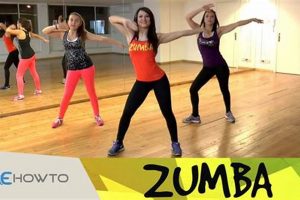
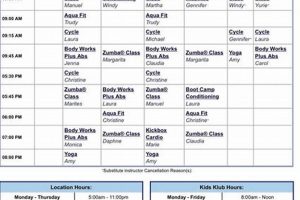
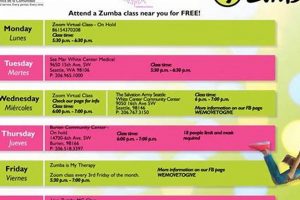
Zumba, geared towards beginners, represents an entry point into a popular dance fitness program. This modified version caters specifically to individuals with little to no prior experience in dance or formal exercise routines. The instructional approach prioritizes simple choreography, gradual progression, and a reduced intensity level to facilitate ease of learning and prevent injury.
The accessibility of this program is a significant attribute. It provides a fun and engaging way to improve cardiovascular health, enhance coordination, and build confidence. Originating as a spontaneous improvisation, it has evolved into a structured fitness format adapted for diverse skill levels, promoting a welcoming environment for participants of all shapes, sizes, and ages to embark on their fitness journey.
The subsequent discussion will delve into specific modifications within this beginner-focused program, strategies for effective participation, and considerations for achieving optimal results. Further sections will also explore potential challenges and solutions, safety precautions, and variations available to progress beyond the introductory level.
Beginner-Oriented Zumba Guidelines
The following guidelines aim to optimize the introductory experience. These suggestions, tailored for those new to this program, enhance safety and effectiveness during initial participation.
Tip 1: Prioritize Gradual Acclimation: Begin with shorter sessions, progressively increasing duration as fitness improves. Overexertion in early stages may lead to injury or discouragement.
Tip 2: Focus on Fundamental Steps: Mastery of basic movements forms the foundation. Correct form prevents injury and enhances the workout’s effectiveness.
Tip 3: Maintain Hydration: Water consumption is crucial. Dehydration impairs performance and can cause discomfort. Consume fluids before, during, and after sessions.
Tip 4: Wear Supportive Footwear: Proper athletic shoes are essential. They provide stability and cushioning, mitigating the risk of ankle or foot injury.
Tip 5: Listen to the Body’s Signals: Pain is a warning sign. Discontinue activity and consult with a healthcare professional if discomfort arises.
Tip 6: Modify Movements as Needed: Adaptation is encouraged. Adjust steps to accommodate individual limitations or physical conditions.
Tip 7: Utilize Beginner-Specific Resources: Seek instructional videos or classes designed explicitly for newcomers. These resources typically offer slower pacing and detailed explanations.
Adherence to these guidelines facilitates a safer and more enjoyable introduction to this fitness program, fostering long-term adherence and promoting positive health outcomes.
The subsequent section will address potential challenges, strategies for progression, and considerations for maintaining consistency.
1. Simplified Choreography

Simplified choreography serves as a cornerstone of “zumba fitness para principiantes.” Its presence directly impacts participant accessibility and adherence. By reducing the complexity of dance routines, beginners encounter a lower barrier to entry. Complex sequences can deter newcomers, leading to frustration and abandonment of the program. Conversely, straightforward, repetitive steps enable quicker mastery, fostering a sense of accomplishment and encouraging continued participation. For instance, instead of intricate salsa combinations, a beginner class might focus on basic steps like the salsa step, cumbia step, and simple turns. This focused approach allows participants to develop coordination and rhythm without feeling overwhelmed.
The implementation of simplified choreography necessitates a careful balance. It must be engaging enough to maintain interest while remaining accessible to individuals with varying levels of physical fitness and coordination. Instructors often achieve this balance through strategic repetition and gradual introduction of new steps. Furthermore, the simplification extends beyond the steps themselves; cues are delivered clearly and concisely, and instructors provide ample visual demonstrations. A typical beginner class will feature routines with fewer directional changes and less emphasis on advanced techniques, prioritizing foundational movements and correct form. This approach establishes a solid base upon which more complex choreography can be built.
In summary, simplified choreography is inextricably linked to the success of “zumba fitness para principiantes.” It is not merely a modification but a fundamental principle that determines the program’s inclusivity and effectiveness. Challenges may arise in maintaining participant engagement over time, requiring instructors to creatively adapt routines while preserving their simplicity. Understanding the critical role of simplified choreography is essential for both instructors and participants seeking to maximize the benefits of this introductory dance fitness program.
2. Reduced Intensity

Reduced intensity is an essential characteristic of beginner-focused dance fitness. Its primary function is to mitigate the risk of injury and overexertion among individuals new to physical activity or with limited fitness levels. High-impact movements and prolonged periods of vigorous activity can pose significant challenges for beginners, potentially leading to muscle strain, joint pain, or cardiovascular distress. The implementation of lower-impact modifications, such as stepping instead of jumping or reducing the range of motion in dance steps, is crucial for creating a safe and accessible environment. For instance, during a merengue routine, instead of incorporating high-energy jumps, the instructor might emphasize controlled hip movements and smaller steps.
The modification of intensity also directly impacts participant adherence. A workout that is too demanding can be discouraging and lead to early dropout rates. By reducing the physical strain, beginner classes become more enjoyable and sustainable. Participants are more likely to continue attending sessions when they feel challenged but not overwhelmed. This, in turn, promotes long-term adherence and fosters positive health outcomes. Instructors achieve reduced intensity through various techniques, including shorter routines, frequent rest periods, and simplified choreography that emphasizes lower-impact options. The careful selection of music tempo also plays a critical role, with slower tempos allowing for more controlled movements and reduced overall exertion.
In summary, reduced intensity is not simply a desirable feature of beginner-oriented dance fitness, but a fundamental requirement for ensuring safety, promoting adherence, and maximizing the benefits for novice participants. The challenge lies in maintaining a stimulating and engaging workout while adhering to the principles of reduced intensity. Successfully navigating this balance requires skilled instructors who can adapt routines to accommodate diverse fitness levels and prioritize the well-being of their students.
3. Gradual Progression
Gradual progression constitutes a fundamental element in the design and implementation of fitness programs aimed at beginners, including modified dance fitness routines. Its effective application directly influences participant safety, adherence, and the attainment of sustainable fitness improvements. This principle dictates a structured approach to increasing the intensity and complexity of exercises over time, accommodating the evolving capabilities of individuals with limited prior experience.
- Complexity of Choreography
The initial phase should prioritize simplified routines featuring basic steps and repetitive movements. As participants demonstrate proficiency, instructors can progressively introduce more intricate sequences and combinations. Abrupt transitions to complex choreography can overwhelm beginners, leading to frustration and discouragement. A gradual increase in complexity allows for the development of coordination, rhythm, and muscle memory, facilitating continued progress.
- Duration and Frequency of Sessions
Beginner programs often commence with shorter sessions, perhaps 30 minutes, conducted one to two times per week. As participants adapt to the physical demands, the duration and frequency can be incrementally increased. This approach allows for adequate recovery and prevents overtraining, minimizing the risk of injury. For example, a program might progress from two 30-minute sessions to three 45-minute sessions over several weeks.
- Intensity of Movements
The intensity of dance fitness movements should be carefully regulated in beginner programs. Low-impact modifications, such as stepping instead of jumping, are essential. As participants build strength and endurance, higher-impact options can be gradually introduced. A transition from walking lunges to jumping lunges, for instance, exemplifies a progressive increase in intensity. Monitoring heart rate and perceived exertion levels can provide valuable feedback.
- Range of Motion
Initially, participants may exhibit limited flexibility and range of motion. Exercises should be adapted accordingly, focusing on controlled movements within comfortable limits. As flexibility improves, the range of motion can be gradually expanded. For example, in arm movements, starting with smaller circles and progressively increasing the diameter promotes safe and effective stretching and strengthening.
These facets of gradual progression work in concert to create a structured learning environment within a beginner-level dance fitness context. The strategic application of these principles is not merely a pedagogical choice but a critical determinant of long-term success. Instructors must possess a thorough understanding of these concepts and the ability to adapt their teaching methods to accommodate the diverse needs and capabilities of their students. The absence of gradual progression can significantly hinder the positive effects of participation in this program.
4. Basic Steps
Basic steps form the foundational building blocks of “zumba fitness para principiantes,” serving as the entry point for individuals with limited or no prior dance or fitness experience. Mastery of these fundamental movements is paramount to participant success and long-term adherence to the program. The emphasis on core steps allows individuals to develop coordination, rhythm, and body awareness before progressing to more complex routines.
- Foundation of Choreography
The basic steps in a beginner-level dance fitness program provide the framework upon which all subsequent choreography is built. Common examples include the salsa step, merengue step, cumbia step, and reggaeton step. Each step introduces a specific rhythm and movement pattern. In the absence of these foundational steps, participants would lack the necessary skills to execute more elaborate routines. The proper execution of these basic steps is vital for preventing injuries and maximizing the workout’s effectiveness.
- Accessibility for All Fitness Levels
The selection and modification of basic steps contribute significantly to the accessibility of a dance fitness program for individuals of varying fitness levels. Low-impact variations of these steps are often incorporated to accommodate participants with joint issues or limited mobility. For example, a stepping version of the grapevine can replace the traditional jumping version. These modifications ensure that individuals of all physical abilities can participate and benefit from the program without risking injury. The emphasis on inclusivity is a key factor in promoting long-term engagement.
- Development of Rhythm and Coordination
Repetitive practice of basic steps facilitates the development of rhythm and coordination, crucial skills for success in any dance-based fitness program. As participants become more comfortable with the foundational movements, their ability to anticipate and execute more complex steps improves. This enhanced coordination not only contributes to the effectiveness of the workout but also increases self-confidence and enjoyment. The consistent repetition of fundamental steps builds a strong foundation of motor skills, essential for all dance-based activities.
- Instructor Cues and Instruction
The clarity and effectiveness of instructor cues are directly related to the participants’ understanding and execution of basic steps. Instructors must clearly demonstrate and explain each step, providing modifications and variations as needed. Effective cueing enables participants to learn and execute the steps correctly, minimizing confusion and frustration. The use of visual and verbal cues, combined with hands-on correction, ensures that all participants have a solid understanding of the fundamental movements. This is a critical aspect of effective instruction.
In summary, the connection between basic steps and “zumba fitness para principiantes” is inextricable. These steps are the fundamental building blocks upon which all subsequent routines and choreography are based. Their proper execution ensures safety, promotes accessibility, fosters the development of essential skills, and facilitates effective instruction. The success of a beginner-level dance fitness program hinges on a thorough understanding and mastery of these core movements.
5. Proper Form

Proper form in “zumba fitness para principiantes” represents a critical determinant of both effectiveness and safety. The introductory nature of this program necessitates a focused emphasis on correct execution of movements to mitigate the risk of injury and maximize the benefits derived from participation. Improper form can lead to musculoskeletal strain, joint pain, or, in severe cases, more serious injuries. Consider, for example, a participant performing a salsa step with excessive twisting in the lower back. This misalignment can place undue stress on the lumbar vertebrae, potentially resulting in back pain or disc injury. Conversely, maintaining proper posture, core engagement, and controlled movements during the same step ensures that the targeted muscle groups are effectively engaged while minimizing strain on vulnerable areas.
The implementation of proper form extends beyond injury prevention; it also enhances the overall effectiveness of the workout. Correct alignment and muscle activation optimize the calorie burn and improve muscle tone. For instance, engaging the core muscles during a cumbia step not only stabilizes the spine but also increases the intensity of the abdominal workout. The incorporation of proper form also promotes better biomechanics and improved posture, which can have long-term benefits beyond the duration of the class. Instructors play a pivotal role in emphasizing and reinforcing proper form through clear instruction, visual demonstrations, and individualized feedback. The provision of modifications for participants with physical limitations or mobility issues is also essential for ensuring that all individuals can participate safely and effectively.
In summary, proper form is not merely a suggestion but a fundamental requirement for safe and effective participation. Its integration into the design and delivery of “zumba fitness para principiantes” is essential for minimizing injury risk, maximizing workout benefits, and promoting long-term adherence. Challenges may arise in maintaining consistent attention to form, especially during high-energy routines, requiring instructors to prioritize safety and provide ongoing guidance. A comprehensive understanding of proper form and its practical application is indispensable for both instructors and participants seeking to optimize the benefits of this introductory fitness program.
6. Supportive Environment
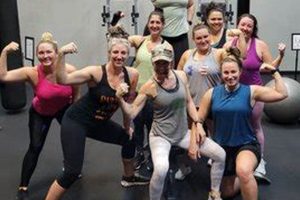
A supportive environment is a critical factor influencing participation and adherence to introductory dance fitness. Its presence or absence significantly impacts individual comfort levels, motivation, and overall experience within the program. This atmosphere serves as a catalyst for overcoming initial anxieties and fostering a sense of community, crucial for sustained engagement.
- Reduced Fear of Judgment
A non-judgmental atmosphere minimizes anxiety associated with learning new skills and performing in front of others. In a supportive environment, participants are less concerned about making mistakes or appearing uncoordinated, promoting greater willingness to participate and experiment with movements. Instructors can foster this environment by emphasizing individual progress over perfection and encouraging positive self-talk.
- Community Building and Social Interaction
Opportunities for social interaction and community building enhance the sense of belonging and shared experience. Participants are more likely to attend classes regularly and persevere through challenges when they feel connected to others within the group. Instructors can facilitate this through icebreaker activities, partner exercises, and post-class social gatherings.
- Positive Reinforcement and Encouragement
Constructive feedback and positive reinforcement from instructors and fellow participants bolster self-confidence and motivation. Recognizing individual progress and celebrating achievements, no matter how small, contributes to a positive self-image and encourages continued effort. This reinforcement can take the form of verbal praise, non-verbal cues, or tangible rewards.
- Inclusive and Accessible Environment
An inclusive environment ensures that all participants, regardless of their fitness level, age, body type, or cultural background, feel welcomed and respected. Modifying exercises to accommodate individual needs and avoiding language or imagery that could be perceived as exclusionary are crucial for creating a truly inclusive space. This fosters a sense of equity and encourages participation from a diverse range of individuals.
These facets of a supportive environment collectively contribute to a more positive and sustainable introductory dance fitness experience. By fostering a sense of belonging, reducing anxiety, and promoting positive self-image, a supportive environment facilitates long-term adherence and enables participants to reap the full benefits of the program. The cultivation of such an environment is not solely the responsibility of the instructor but also requires active participation from all members of the group.
7. Beginner Classes

Beginner classes form a core component of successfully implementing introductory dance fitness programs. These classes, specifically designed for individuals with little to no prior experience, provide a structured and supportive environment conducive to learning the fundamental movements and techniques. The accessibility of the overall program hinges on the availability and effectiveness of these beginner classes.
Without dedicated beginner classes, novice participants face the challenge of navigating potentially complex routines alongside more experienced individuals, leading to frustration, discouragement, and a higher risk of injury. Beginner classes, on the other hand, emphasize simplified choreography, slower pacing, and detailed instruction, catering to the specific needs of newcomers. For example, a beginner class might focus solely on mastering the basic steps of Salsa and Merengue, while an advanced class might incorporate intricate turns and variations. The presence of these structured learning environments directly affects the ability of individuals to safely and effectively participate in dance fitness activities. Gyms and fitness studios that prioritize these class types demonstrate a commitment to inclusivity and accessibility.
In summary, beginner classes are inextricably linked to the success of introductory dance fitness programs. They provide the necessary foundation for participants to develop skills, build confidence, and progress to more advanced levels. The emphasis on simplified routines, structured instruction, and a supportive environment significantly reduces the barriers to entry and promotes long-term adherence. The practical significance of understanding this connection is evident in the design and implementation of effective fitness programs that cater to individuals of all skill levels.
Frequently Asked Questions About Zumba Fitness for Beginners
The following section addresses common inquiries and misconceptions surrounding beginner-level dance fitness programs, providing clear and concise information to assist prospective participants.
Question 1: Is prior dance experience necessary to participate in a modified Zumba program?
Prior dance experience is not a prerequisite. These programs are specifically designed for individuals with little to no prior dance or fitness experience. The emphasis is on simplified choreography and gradual progression.
Question 2: What is the typical intensity level of a beginner-level dance fitness class?
The intensity level is intentionally reduced to minimize the risk of injury and overexertion. Low-impact modifications are incorporated, and routines are structured to allow for frequent rest periods.
Question 3: What type of footwear is recommended for participating in a beginner Zumba class?
Supportive athletic shoes are essential. These provide adequate cushioning and stability, reducing the risk of ankle and foot injuries. Shoes with good lateral support are particularly beneficial.
Question 4: How frequently should a beginner participate in dance fitness sessions?
Starting with two to three sessions per week is generally recommended. This allows for adequate recovery and prevents overtraining. Session duration can be gradually increased as fitness improves.
Question 5: What should be done if pain or discomfort is experienced during a session?
Activity should be immediately discontinued if pain or discomfort arises. Consulting with a healthcare professional is advised to rule out underlying conditions or injuries.
Question 6: Are there modifications available for individuals with physical limitations or pre-existing conditions?
Yes. Instructors are typically trained to provide modifications for various physical limitations and pre-existing conditions. Communicating specific needs to the instructor before the session is recommended.
In summary, beginner-level dance fitness programs offer a safe and accessible entry point into the world of dance and fitness. Adherence to recommended guidelines and open communication with instructors are crucial for maximizing benefits and minimizing risks.
The subsequent section will delve into strategies for progressing beyond the beginner level and maintaining long-term adherence to dance fitness programs.
Conclusion
This exploration of “zumba fitness para principiantes” has underscored its critical role in providing an accessible entry point into dance-based fitness. The emphasis on simplified choreography, reduced intensity, gradual progression, foundational steps, proper form, a supportive environment, and specifically designed beginner classes collectively contributes to a safer, more engaging, and sustainable experience for novice participants. The absence of these key elements can significantly impede the success and long-term adherence of individuals new to this form of exercise.
The principles and practices outlined herein serve as a guideline for instructors and participants alike. Continued diligence in prioritizing these fundamentals will not only enhance the benefits derived from participation but will also promote broader adoption of dance fitness as a viable and enjoyable pathway to improved health and well-being. A sustained focus on these tenets will ensure its continued efficacy and relevance within the evolving landscape of fitness modalities.