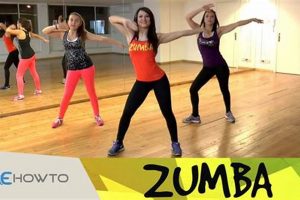
This interactive exercise program brought the high-energy dance workout directly into living rooms. It combined the popular Zumba dance fitness program with the motion-sensing capabilities of the Microsoft gaming console. Players followed on-screen instructors performing various dance routines set to energetic music, earning scores based on their accuracy and rhythm.
It offered a convenient and accessible way for individuals to engage in physical activity from the comfort of their homes, regardless of weather conditions or gym access. The program’s interactive nature made exercise more engaging than traditional workout videos. Furthermore, it often provided a less intimidating environment for beginners compared to group fitness classes.
The following sections will delve into the specific features, game mechanics, and potential fitness benefits of this interactive workout experience, while also considering its overall impact on the home fitness market.
Tips for Maximizing the Benefits of Zumba Fitness on Xbox
Achieving optimal results with home fitness programs requires a strategic approach. Adherence to the following guidelines can enhance the effectiveness and enjoyment of the interactive experience.
Tip 1: Prioritize Proper Calibration. Before initiating a workout, ensure the Kinect sensor is accurately calibrated to the user’s dimensions and environment. Incorrect calibration can lead to inaccurate motion tracking and reduced scoring, potentially hindering progress.
Tip 2: Maintain Adequate Play Area. Sufficient space is crucial for executing movements without obstruction. A clear and unobstructed area, free from furniture or other hazards, is essential for safe and effective participation.
Tip 3: Focus on Form Over Speed. Emphasize correct posture and technique over simply mimicking the instructor’s pace. Accurate execution of steps maximizes muscle engagement and reduces the risk of injury.
Tip 4: Utilize the Tutorial Mode. Familiarize yourself with the basic steps and routines through the built-in tutorial mode. Understanding the fundamentals enhances confidence and performance during full workout sessions.
Tip 5: Monitor Heart Rate and Intensity. While the program provides an estimate of calorie expenditure, consider using a heart rate monitor to track exertion levels. Adjust intensity as needed to maintain a challenging but sustainable workout.
Tip 6: Diversify Routine Selection. The program typically offers a variety of dance styles and routines. Regularly rotating routines prevents plateaus and engages different muscle groups, contributing to well-rounded fitness.
Tip 7: Supplement with Strength Training. While it offers cardiovascular benefits, consider incorporating supplementary strength training exercises to build overall muscle strength and endurance. This balanced approach enhances overall fitness outcomes.
Adhering to these tips promotes a more effective, safe, and rewarding workout experience, maximizing the potential of the interactive fitness program to contribute to a healthier lifestyle.
The following sections will provide a concluding analysis of this workout method.
1. Motion-Tracking Accuracy

Motion-tracking accuracy is a foundational element of the interactive exercise program. Inherent to this specific form of digital exercise is the sensor’s ability to precisely detect and translate a player’s movements into the game environment. Inaccurate tracking directly impacts the player’s score and sense of progression, thereby reducing engagement and motivation. For instance, if the sensor fails to register a correctly executed step, the player receives no credit, undermining the perception of fairness and accomplishment. The level of accuracy of this program is based on multiple sensor input in the game.
Furthermore, compromised motion-tracking can lead to incorrect form and technique during exercises. If the system misinterprets movements, it may reinforce improper execution, increasing the risk of injury. Consider a scenario where the game fails to detect the correct hip movement in a Zumba routine. The player, in an attempt to score points, may compensate with exaggerated or incorrect movements, placing undue stress on joints and muscles. Thus, the accuracy of motion tracking is not merely a matter of scoring but a critical determinant of user safety and the potential for achieving genuine fitness benefits.
Therefore, motion-tracking accuracy is not just a desirable feature but a necessity for the program to function effectively as a fitness tool. Addressing limitations of this key element, such as improvements in sensor technology, is essential for creating immersive, engaging and productive virtual experiences. Improving the sensor accuracy will enhance the player experience.
2. Rhythm-Based Gameplay

The core of the interactive fitness experience is intrinsically linked to rhythm-based gameplay. This central mechanic transforms traditional exercise into an engaging and immersive activity, directly affecting user participation and adherence to the fitness program.
- Synchronization and Scoring
The system rewards precise synchronization with the music’s beat. Accurate timing of movements translates to higher scores and positive feedback within the game. This immediate reinforcement encourages players to focus on rhythm, thereby improving their coordination and engagement. Scoring is directly tied to the sensor input.
- Immersive Experience
By aligning movements with the music, players become immersed in the experience, shifting the focus from the physical exertion of exercise to the enjoyment of dance. This immersion masks the perceived effort, potentially extending workout duration and improving adherence. The immersive experience helps with the exhaustion of the workout.
- Variety of Musical Genres
The program features a wide range of musical genres, each with its distinct rhythm and pace. This diversity caters to different preferences and prevents monotony, fostering continued engagement. Players may gravitate to specific genres.
- Progressive Difficulty
Rhythm-based gameplay incorporates a gradual progression of difficulty, introducing more complex routines and faster tempos as the player improves. This allows the system to constantly challenge the user. This encourages continued growth, skill development, and sustained motivation.
Ultimately, rhythm-based gameplay elevates the Zumba program from a mere workout regimen to an interactive and entertaining experience. By seamlessly blending movement with music, it motivates users to engage in physical activity, contributing to improved fitness and well-being. It is a key component for maximizing the benefits of this fitness system. This is the crucial component.
3. Variety of Routines

The availability of a diverse selection of dance routines is a critical component of the interactive fitness program. This element directly addresses the challenges of exercise adherence and long-term engagement that often plague home fitness solutions. The absence of varied content can lead to monotony, diminishing motivation and ultimately resulting in the abandonment of the program. For instance, a user consistently performing the same set of routines may experience reduced physical challenge and psychological boredom, thus negating the benefits of the program. Furthermore, variety in routines is key to a balanced workout.
The Zumba software typically incorporates a range of dance styles and musical genres. This not only caters to a wider audience with differing preferences, but also ensures that distinct muscle groups are engaged across the different routines, contributing to a more comprehensive fitness regimen. Some users may want to focus on one workout more than others based on intensity or skill level. The variety ensures this preference can be adhered to. Moreover, the inclusion of routines with varying levels of intensity and complexity allows individuals to progress gradually, building skills and confidence as they advance. Real-world examples of this can be found in programs with specific sections for beginners, intermediate and advanced players.
In conclusion, the provision of a diverse catalog of dance routines within the program is not simply a matter of aesthetic appeal, but a functional necessity. This variety directly impacts user engagement, long-term adherence, and the overall efficacy of the system as a viable fitness tool. This ensures the success of the game and its goal.
4. Calorie Expenditure Tracking

Calorie expenditure tracking provides users with a quantifiable measure of their physical activity during the Zumba sessions. Its accuracy and accessibility are critical factors influencing user motivation and the perceived effectiveness of the program.
- Estimation Methods
The program typically estimates calorie expenditure based on factors such as the user’s weight, the duration of the workout, and the intensity of the movements detected by the motion sensor. However, these estimations may not precisely reflect individual metabolic rates or account for variations in exercise form, limiting accuracy.
- Motivational Impact
The displayed calorie count serves as a direct form of feedback, potentially motivating users to increase workout intensity or duration. Seeing a higher calorie burn can reinforce positive behaviors and contribute to adherence to the program, particularly for users focused on weight management.
- Comparative Analysis
Calorie expenditure tracking facilitates comparison with other forms of exercise or different Zumba routines, enabling users to make informed decisions about their workout strategy. This comparative data can help users tailor their fitness plan to meet specific goals.
- Data Integration
The integration of calorie data with fitness tracking applications or platforms can enhance the overall utility of the program. Sharing exercise data can promote accountability and provide a more comprehensive view of the user’s activity levels and progress.
While the accuracy of calorie expenditure tracking may vary, its role in motivating users and providing quantifiable feedback remains a significant element of the Zumba program. These features aid in enhancing the exercise experience.
5. Interactive Tutorials

The interactive tutorials provided within “zumba fitness xbox” are a critical on-boarding component, directly influencing user adoption and long-term engagement. Their presence, quality, and accessibility serve as the initial bridge between novice players and the core gameplay loop of rhythm-based exercise. Without effective tutorials, new users may struggle to grasp fundamental movements, leading to frustration, inaccurate form, and a diminished likelihood of continued use. Consider, for instance, a player unfamiliar with basic Zumba steps like the “Salsa Step” or the “Merengue March.” If the tutorial fails to clearly demonstrate and allow practice of these steps, the player may develop incorrect habits or simply give up.
These tutorials often employ visual cues, on-screen prompts, and slowed-down demonstrations to break down complex movements into manageable segments. Effective tutorials provide opportunities for repetition and allow users to practice at their own pace, building confidence and muscle memory. Real-world examples within the “zumba fitness xbox” ecosystem typically include dedicated practice modes for individual steps, progress tracking to monitor mastery, and adaptive difficulty that adjusts based on user performance. The practical significance lies in the increased accessibility of the program to a wider audience, including individuals with varying levels of fitness and dance experience. This ensures that new players have the tools to learn.
In summary, interactive tutorials are not merely supplementary features but integral components of “zumba fitness xbox,” directly impacting user experience and the program’s effectiveness as a fitness tool. Overcoming the challenge of designing intuitive and engaging tutorials is paramount to maximizing user adoption, promoting correct form, and fostering long-term adherence to the exercise program.
Frequently Asked Questions about Zumba Fitness on Xbox
The following section addresses common inquiries regarding the Zumba Fitness program on the Xbox platform, offering clarifications on various aspects of its functionality and utility.
Question 1: Does the Xbox Zumba program require additional equipment beyond the Kinect sensor?
No, the core gameplay experience is designed to function primarily with the Kinect sensor. Additional accessories, while potentially enhancing the experience, are not essential for participation.
Question 2: Is prior dance experience necessary to effectively utilize the Zumba Fitness program?
Prior dance experience is not a prerequisite. The program incorporates interactive tutorials and adaptable difficulty levels, facilitating gradual skill acquisition for users of varying experience levels.
Question 3: How accurate is the calorie expenditure estimation provided by the program?
Calorie expenditure estimations are based on algorithms incorporating factors such as user weight and movement intensity. However, these estimations may not precisely reflect individual metabolic rates and should be regarded as approximations.
Question 4: Can the Xbox Zumba program be used as a standalone fitness solution?
While it offers cardiovascular benefits and promotes physical activity, a comprehensive fitness regimen should incorporate supplementary strength training exercises and a balanced diet to achieve optimal results.
Question 5: Is there a multiplayer mode available for the Zumba Fitness program on Xbox?
Select iterations of the program feature multiplayer modes, enabling collaborative participation and competitive scoring among multiple players within the same physical space. Specific game version details should be checked for current feature status.
Question 6: Does the program offer options for customizing workout intensity and duration?
Yes, the Xbox Zumba program generally includes options for adjusting workout intensity, selecting specific routines, and customizing the duration of sessions to accommodate individual fitness levels and time constraints.
This FAQ provides clarification on several key aspects of the interactive fitness program, aiming to equip potential users with the information needed to make informed decisions regarding its utility and suitability.
The next section will consider the overall impact.
Conclusion
The examination of Zumba Fitness Xbox reveals a multifaceted approach to home-based exercise. It combines the appeal of dance-based workouts with the interactivity of motion-sensing technology. Core components such as motion-tracking accuracy, rhythmic engagement, routine diversity, and calorie expenditure tracking contribute to the user experience and potential fitness outcomes. Interactive tutorials further enhance accessibility for newcomers, lowering the barrier to entry and fostering initial engagement.
While this interactive program offers a convenient and engaging alternative to traditional exercise methods, its effectiveness hinges on user commitment, proper technique, and realistic expectations. Further research and technological advancements may enhance motion-tracking precision and data accuracy, solidifying its role in the evolving landscape of home fitness solutions. Continued exploration of interactive fitness methodologies holds potential for promoting wider adoption of active lifestyles.