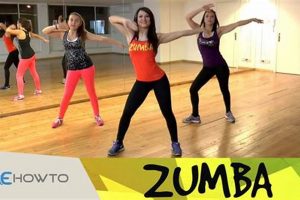
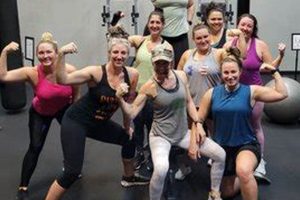
Attire for energetic dance fitness programs should prioritize comfort and freedom of movement. The chosen garments should facilitate a wide range of motion, allowing participants to execute various steps and routines without restriction. For instance, breathable athletic wear, such as moisture-wicking tops and flexible pants or shorts, is commonly suitable.
Appropriate garments enhance the workout experience and contribute to participant well-being. Outfits that allow the body to breathe help regulate temperature and prevent overheating during intense activity. Furthermore, wearing supportive athletic shoes is essential for minimizing impact and preventing potential injuries, ensuring a safe and enjoyable workout session. Selection based on these guidelines will help with comfort and reduce the risk of injury.
The following sections will explore specific recommendations for tops, bottoms, and footwear, along with considerations for supportive undergarments and accessories to optimize participation in dynamic fitness activities.
Clothing Recommendations for Dance Fitness Participation
Selecting appropriate attire is crucial for a comfortable and effective dance fitness experience. The following guidelines offer specific recommendations to optimize performance and prevent discomfort.
Tip 1: Prioritize Breathable Fabrics: Opt for fabrics like moisture-wicking polyester blends or cotton to facilitate ventilation and manage perspiration. These materials help regulate body temperature and prevent overheating during intense activity.
Tip 2: Choose Flexible Bottoms: Select pants, leggings, or shorts made from stretchable fabrics that allow a full range of motion. Avoid restrictive materials that may hinder movement during dance routines.
Tip 3: Opt for Supportive Footwear: Wear athletic shoes designed for lateral movements and impact absorption. Cross-training shoes are generally recommended, as they provide adequate support and cushioning for the dynamic nature of dance fitness.
Tip 4: Consider a Supportive Sports Bra: For individuals who require breast support, a high-impact sports bra is essential. It minimizes movement and provides the necessary support to prevent discomfort and potential injury.
Tip 5: Layer Clothing Appropriately: Dress in layers to accommodate changes in body temperature. A light jacket or sweatshirt can be worn during the warm-up and cool-down periods and removed as the workout intensifies.
Tip 6: Avoid Excessively Loose Clothing: While comfort is important, excessively loose clothing can pose a safety hazard by getting in the way of movements. Choose attire that fits comfortably but does not impede range of motion.
Tip 7: Accessorize Strategically: Limit jewelry and accessories that could potentially get caught on clothing or equipment, causing injury. A sweatband can be useful for managing perspiration during intense workouts.
Adhering to these tips will contribute to an enhanced and safer dance fitness experience, enabling participants to focus on the activity without distractions or discomfort.
The concluding section will address considerations for specific body types and provide recommendations for selecting attire that promotes confidence and comfort.
1. Breathable Fabrics and Dance Fitness Attire

The selection of breathable fabrics is intrinsically linked to suitable dance fitness attire. The capacity of a garment to facilitate ventilation and manage moisture significantly influences comfort, performance, and overall workout experience.
- Moisture-Wicking Properties
Breathable fabrics, particularly those with moisture-wicking capabilities, actively draw perspiration away from the skin. This process helps regulate body temperature, preventing overheating and reducing the likelihood of discomfort or skin irritation. Examples include polyester blends and merino wool, which are commonly used in athletic wear for their ability to efficiently manage moisture.
- Ventilation and Airflow
Certain fabrics, such as open-knit constructions or those with strategically placed ventilation panels, promote airflow and facilitate the evaporation of sweat. Enhanced ventilation helps keep the body cool during periods of intense activity. Mesh panels incorporated into tops and leggings are an example of this design principle.
- Reduced Risk of Skin Irritation
Breathable fabrics minimize the build-up of moisture against the skin, thereby reducing the risk of chafing, rashes, and other forms of skin irritation. This is particularly important in areas prone to friction, such as the inner thighs and underarms. Smooth, breathable materials create a comfortable barrier between the skin and clothing, minimizing potential irritation.
- Enhanced Comfort and Performance
By promoting temperature regulation and managing moisture, breathable fabrics contribute to enhanced comfort and improved athletic performance. Participants can focus on their workout without being distracted by discomfort or excessive sweating. This leads to increased endurance and a more enjoyable fitness experience.
The integration of breathable fabrics into dance fitness apparel is not merely a matter of comfort but a critical factor influencing health, performance, and overall enjoyment. Careful consideration of fabric properties allows participants to optimize their workout and minimize potential discomfort or risks associated with moisture build-up.
2. Supportive Footwear

The selection of supportive footwear is a critical component of appropriate attire for dance fitness programs. Its importance stems from the high-impact, dynamic nature of these activities, where feet are subjected to repetitive movements and varying degrees of stress. Therefore, selecting the right shoes significantly impacts performance, comfort, and injury prevention.
- Impact Absorption and Cushioning
Supportive footwear, designed with adequate cushioning in the midsole, absorbs impact forces generated during jumps, pivots, and other dance movements. This cushioning reduces stress on joints, particularly the ankles, knees, and hips. For example, shoes with gel or air cushioning systems provide enhanced shock absorption compared to basic athletic shoes. The reduction of impact force helps prevent overuse injuries common in dance fitness, such as shin splints and plantar fasciitis.
- Lateral Support and Stability
Dance fitness routines often involve rapid lateral movements, requiring shoes that offer adequate lateral support to prevent ankle rolling and instability. Footwear with reinforced sidewalls or outrigger soles enhances stability during these movements. Ankle sprains are a frequent injury in dance activities; therefore, shoes that provide lateral support are essential for minimizing this risk.
- Proper Fit and Arch Support
Footwear must fit correctly to provide optimal support and prevent discomfort. A shoe that is too loose can lead to instability, while a shoe that is too tight can cause blisters and foot pain. In addition, adequate arch support is crucial for maintaining proper foot alignment and distributing weight evenly. Individuals with flat feet may require shoes with increased arch support to prevent overpronation and associated injuries.
- Outsole Traction and Grip
The outsole of the shoe should provide sufficient traction and grip on the studio floor to prevent slipping and sliding during dance movements. Non-marking rubber outsoles are generally recommended for indoor fitness activities. Adequate traction ensures stability and control, allowing participants to execute dance steps with confidence and reducing the risk of falls.
In summary, supportive footwear plays a pivotal role in ensuring a safe and comfortable dance fitness experience. By prioritizing impact absorption, lateral support, proper fit, and adequate traction, individuals can minimize the risk of injury and maximize their performance. The selection of footwear should be carefully considered alongside other aspects of attire to create a comprehensive ensemble suitable for the demands of dynamic fitness activities.
3. Flexible Bottoms

The selection of flexible bottoms constitutes a fundamental element of appropriate attire for dance fitness activities. Restrictions imposed by inflexible garments impede the execution of movements integral to dance routines, hindering performance and potentially increasing the risk of injury. The cause-and-effect relationship is direct: restrictive bottoms limit range of motion, which results in compromised technique and potential musculoskeletal strain.
Flexible bottoms, such as leggings or athletic pants crafted from stretchable fabrics like spandex blends, facilitate a full range of motion, enabling participants to execute dance steps with precision and confidence. For example, a high kick or a deep squat, common movements in many dance fitness classes, are significantly easier and safer to perform when wearing flexible bottoms. This adaptability is crucial for maintaining proper form and maximizing the benefits of the workout. Furthermore, the absence of restrictive seams or waistbands enhances comfort, allowing participants to focus on the activity without distractions.
In summation, the integration of flexible bottoms into the ensemble is indispensable for a safe and effective dance fitness experience. The ability to move freely and without restriction not only enhances performance but also minimizes the risk of injury. Therefore, the selection of flexible bottoms should be a primary consideration when assembling appropriate attire, ensuring both comfort and functionality during vigorous physical activity. This promotes a more engaging and productive workout, aligning directly with the overarching goals of dance fitness.
4. Secure Top

The selection of a secure top is a critical consideration within the broader context of appropriate attire for dance fitness activities. The dynamic and often high-impact nature of such routines necessitates garments that remain securely in place, providing both support and preventing distractions.
- Adequate Support and Coverage
A secure top offers sufficient support for the bust area, minimizing movement and potential discomfort during vigorous activity. This is particularly crucial for individuals with larger bust sizes, who may require a high-impact sports bra for optimal support. Adequate coverage also ensures that the top remains securely in place, preventing wardrobe malfunctions that can disrupt focus and compromise performance. Examples include sports bras with wide straps and a supportive underband, designed to distribute weight evenly and prevent bouncing.
- Appropriate Fit and Closure Mechanisms
A secure top should fit snugly but not restrictively, allowing for a full range of motion without riding up or shifting out of place. Adjustable straps and closures, such as hooks or zippers, enable customization of the fit to ensure optimal security and comfort. Ill-fitting tops can lead to chafing, discomfort, and distractions, all of which can detract from the workout experience. Adjustable features allow individuals to tailor the top to their specific body shape and size, ensuring a secure and comfortable fit.
- Fabric Properties and Construction
The fabric of a secure top should be breathable and moisture-wicking, helping to regulate body temperature and prevent the build-up of sweat. Durable, high-quality materials and reinforced seams contribute to the garment’s longevity and ability to withstand repeated washing and wear. Fabrics like spandex blends and nylon provide both support and flexibility, while moisture-wicking properties enhance comfort during intense activity. The construction of the top, including the placement of seams and the design of the straps, also influences its overall security and comfort.
In summation, a secure top is not merely a matter of aesthetics; it is an essential component of functional and comfortable dance fitness attire. By prioritizing support, fit, fabric properties, and construction, individuals can ensure that their top remains securely in place, allowing them to focus on the workout without distractions or discomfort. The selection of a secure top, therefore, contributes significantly to a positive and effective dance fitness experience.
5. Moisture Wicking
Moisture-wicking fabrics are essential for optimal performance in dance fitness activities. The elevated heart rate and physical exertion inherent in these classes generate significant perspiration. The inability to effectively manage this moisture leads to discomfort, chilling, and potential skin irritation. Garments constructed from moisture-wicking materials, such as polyester blends or specialized synthetic fibers, mitigate these adverse effects by actively drawing sweat away from the skin’s surface. This process facilitates evaporation, thereby maintaining a more stable body temperature and preventing the uncomfortable sensation of damp clothing. The selection of dance fitness attire should, therefore, prioritize materials engineered for effective moisture management to ensure participant comfort and well-being.
The practical application of this principle is evident in the widespread adoption of moisture-wicking athletic wear by both participants and instructors of dance fitness programs. For instance, a participant wearing a cotton t-shirt during a Zumba class would likely experience discomfort due to sweat saturation, potentially hindering their ability to fully engage in the routine. Conversely, an individual outfitted in a moisture-wicking top would remain drier and more comfortable, allowing for sustained performance and increased enjoyment. The prevalence of moisture-wicking fabrics in commercially available athletic apparel underscores the recognition of their benefits in high-intensity physical activities. The enhanced breathability of these fabrics further contributes to temperature regulation, reducing the risk of overheating and potential heat-related illnesses.
In conclusion, the integration of moisture-wicking fabrics into dance fitness attire is not merely a matter of comfort but a critical factor influencing performance, hygiene, and overall safety. The ability to effectively manage perspiration is essential for maintaining a stable body temperature, preventing skin irritation, and maximizing the enjoyment and effectiveness of dance fitness participation. The selection of apparel should consistently prioritize moisture-wicking properties to ensure a positive and productive workout experience. Challenges remain in terms of cost and environmental impact, but the benefits of moisture-wicking materials in dance fitness contexts are undeniable.
6. Appropriate Support

The concept of appropriate support is intrinsically linked to the selection of attire for dance fitness classes. The dynamic movements inherent in these activities necessitate garments that provide adequate support to prevent injury and maximize comfort. The absence of such support can result in musculoskeletal strain, particularly in areas such as the breasts, ankles, and lower back. Thus, the selection of supportive clothing is not merely a matter of personal preference but a critical factor influencing participant safety and workout effectiveness. For instance, a high-impact sports bra is essential for individuals with larger breasts to minimize movement and prevent discomfort or potential long-term damage. Similarly, shoes with adequate arch support are vital for maintaining proper foot alignment and preventing plantar fasciitis.
The implementation of appropriate support extends beyond specific garments to encompass broader considerations of fit and construction. A secure top, for example, should fit snugly without restricting movement, while leggings should provide sufficient compression to stabilize muscles and joints. The integration of features such as adjustable straps, reinforced seams, and strategic padding further enhances the supportive qualities of dance fitness attire. Furthermore, the choice of materials plays a significant role, with moisture-wicking fabrics contributing to comfort and preventing chafing. Participants should therefore prioritize garments that are specifically designed to provide targeted support, ensuring that their attire complements the demands of the workout. The practical significance of this understanding is evident in the reduced incidence of injuries among individuals who consistently wear supportive clothing during dance fitness activities.
In conclusion, the selection of appropriate support mechanisms constitutes an integral component of suitable dance fitness attire. By prioritizing garments that provide targeted support, participants can minimize the risk of injury, maximize comfort, and enhance their overall workout experience. Challenges remain in terms of identifying and accessing garments that meet individual needs, but the benefits of appropriate support are undeniable. Therefore, the consideration of support requirements should be a primary factor when choosing attire for dance fitness classes, ensuring a safe and effective participation.
7. Movement Freedom
The concept of movement freedom directly informs decisions regarding appropriate attire for dynamic fitness programs. Restrictions imposed by clothing impede the execution of complex and rapid motions intrinsic to these activities, leading to diminished performance and heightened risk of musculoskeletal strain. Therefore, selection of garments should prioritize unrestricted range of motion, facilitating the full expression of dance fitness routines.
Specifically, garments designed for dance fitness should be constructed from flexible, stretchable materials that adapt to the body’s movements. Examples include leggings made from spandex blends, tops with raglan sleeves, or shorts with split hems. These features enable participants to execute a wide array of steps, turns, and leaps without hindrance. Furthermore, appropriate fit is essential, ensuring that clothing remains securely in place without binding or chafing, thus maintaining comfort and focus during periods of intense physical activity. The practical implications of this understanding are evident in the increased prevalence of athletic wear designed explicitly for unrestricted movement.
In conclusion, the principle of movement freedom serves as a guiding tenet in the selection of attire for dynamic fitness disciplines. Prioritizing garments that facilitate a full range of motion promotes optimal performance, minimizes injury risk, and enhances overall participant comfort and enjoyment. Therefore, individuals engaging in dance fitness programs should prioritize clothing designed to support unrestricted movement, ensuring a safe and effective workout experience.
Frequently Asked Questions
This section addresses common inquiries regarding the appropriate selection of clothing for dance fitness classes. The information provided is intended to promote informed decision-making and enhance the workout experience.
Question 1: Is specific attire mandated for participation in dance fitness classes?
While specific attire is generally not mandated, adherence to guidelines promoting comfort, safety, and freedom of movement is strongly advised. Studios and instructors may suggest or recommend particular items, but individual needs and preferences should ultimately guide selection.
Question 2: What fabrics are considered most suitable for dance fitness attire?
Fabrics that offer breathability and moisture-wicking properties are generally preferred. Synthetic blends, such as polyester and spandex, effectively manage perspiration and promote ventilation, contributing to comfort during high-intensity workouts. Natural fibers, such as cotton, may retain moisture and are therefore less ideal.
Question 3: What type of footwear is recommended for dance fitness activities?
Athletic shoes designed for lateral movements and impact absorption are highly recommended. Cross-training shoes typically offer a balance of support, cushioning, and flexibility suitable for the dynamic nature of dance fitness. Running shoes, with their focus on forward motion, may not provide adequate lateral support.
Question 4: Is it necessary to wear a sports bra during dance fitness classes?
For individuals who require breast support, a well-fitting sports bra is essential. High-impact sports bras minimize movement and provide the necessary support to prevent discomfort and potential strain. The level of support required depends on individual anatomy and activity intensity.
Question 5: Should attire be form-fitting or loose-fitting for dance fitness?
A balance between form-fitting and loose-fitting attire is generally recommended. Excessively loose clothing can impede movement and pose a safety hazard, while overly restrictive clothing can limit range of motion. Garments that fit comfortably and allow for a full range of motion are ideal.
Question 6: How should attire be adjusted for varying weather conditions or studio temperatures?
Layering is an effective strategy for managing temperature variations. A light jacket or sweatshirt can be worn during warm-up and cool-down periods and removed as the workout intensifies. Consideration should also be given to studio climate control, adjusting attire accordingly to prevent overheating or chilling.
Adhering to these recommendations fosters a more comfortable and safer dance fitness experience. Selecting appropriate attire helps prevent injuries, maximize performance, and enhance overall workout enjoyment.
The following section will discuss the importance of listening to individual needs regarding attire.
Attire Selection for Dance Fitness Participation
The preceding discussion underscores the importance of careful consideration when selecting attire for dance fitness activities. Key factors include fabric breathability, supportive footwear, flexible bottoms, and a secure top. Prioritizing moisture-wicking materials, adequate support, and unrestricted movement contributes to a more comfortable and effective workout experience. Attention to these details minimizes discomfort, reduces the risk of injury, and enables participants to fully engage in the physical activity.
Individuals involved in dance fitness should recognize the significance of appropriate attire. Selecting garments that meet the demands of dynamic movement enhances both physical well-being and performance. Continued awareness and thoughtful decision-making in attire selection are essential for sustained participation and a positive fitness journey. With informed choices, participants can maximize the benefits and enjoyment derived from dance fitness activities.