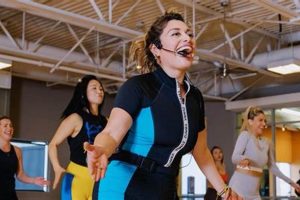
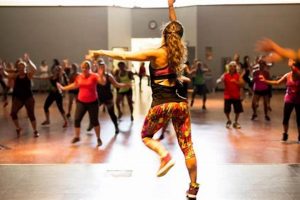
Compensation for those who lead Zumba classes varies significantly based on several factors. These factors encompass experience level, geographic location, the type of facility employing the instructor (such as a gym, dance studio, or community center), and whether the instructor is employed or operates independently. A new instructor at a small community center might earn less than an experienced instructor at a large, well-established gym in a metropolitan area.
Understanding typical income ranges is valuable for those considering a career in Zumba instruction. This knowledge aids in setting realistic expectations and making informed decisions regarding career development and financial planning. Examining the variables influencing earnings provides a clearer picture of the potential financial rewards and the steps instructors can take to maximize their income, such as obtaining additional certifications or specializing in specific class types.
The subsequent sections will delve into the specific variables influencing earnings, providing detailed information about salary ranges, regional differences, the impact of experience and certifications, and strategies for increasing earning potential in the field of Zumba instruction.
Maximizing Income as a Zumba Instructor
The following outlines key strategies for Zumba instructors seeking to enhance their earning potential. These tips focus on actionable steps to increase marketability and command higher rates.
Tip 1: Acquire Advanced Certifications: Obtaining certifications beyond the basic Zumba instructor license demonstrates expertise and allows instructors to offer specialized classes, commanding higher fees. Consider certifications in Zumba Kids, Zumba Gold, or other niche areas.
Tip 2: Build a Strong Personal Brand: Developing a unique and recognizable brand can attract a larger client base. This includes professional photos, a well-designed website or social media presence, and a consistent brand voice that emphasizes the instructor’s unique skills and personality.
Tip 3: Network Strategically: Actively networking with gyms, community centers, and other fitness professionals can lead to more opportunities. Attending industry events and workshops can expand professional contacts and open doors to new teaching positions.
Tip 4: Offer Private Lessons or Small Group Training: Supplementing group classes with private or small group sessions allows instructors to charge premium rates for personalized instruction. These sessions can cater to specific fitness goals or skill levels.
Tip 5: Negotiate Rates Effectively: When negotiating with potential employers or clients, research industry standards and highlight experience, qualifications, and the value the instructor brings to the class. Confidently articulate the worth of the services provided.
Tip 6: Continuously Improve Skills: Staying updated with the latest Zumba routines, fitness trends, and instructional techniques is essential for maintaining a high level of service. Investing in continuing education demonstrates a commitment to professional growth and enhances marketability.
Tip 7: Market Classes Proactively: Employing effective marketing strategies, such as online advertising, social media promotion, and offering introductory discounts, can attract new students and fill classes, leading to increased revenue.
By implementing these strategies, Zumba instructors can proactively manage their careers and significantly increase their earning potential. Continuous professional development and strategic marketing are essential for long-term success in this field.
The final section will summarize the factors influencing instructor income and provide resources for further information.
1. Experience Level

Experience level is a primary determinant of instructor compensation in the Zumba field. Increased experience typically translates to higher earning potential due to enhanced skill, established reputation, and greater demand.
- Initial Entry-Level Compensation
New instructors typically start with lower pay rates, reflecting their limited practical experience. Entry-level positions often involve assisting experienced instructors or teaching smaller, less-demanding classes. Compensation may be hourly or per-class, with rates generally lower than those of seasoned professionals.
- Intermediate Experience and Increased Rates
As instructors gain experience (typically 2-5 years), their rates often increase. This reflects their improved teaching skills, ability to manage larger classes, and development of a regular client base. Intermediate-level instructors may also take on more responsibilities, such as developing new class routines or training assistant instructors.
- Advanced Expertise and Premium Fees
Instructors with significant experience (5+ years) and a strong reputation can command premium fees. These instructors are often sought after for their expertise, ability to motivate and retain students, and established brand within the fitness community. They may also offer specialized classes, workshops, or private training sessions at higher rates.
- Reputation and Client Base Impact
Experience contributes directly to an instructor’s reputation and client base. Positive reviews, word-of-mouth referrals, and a loyal following translate to increased demand and higher earning potential. Established instructors often have the leverage to negotiate better rates with employers or attract more clients to their independent classes.
In summation, the trajectory of earnings in Zumba instruction is closely tied to experience level. Accumulating practical experience, honing teaching skills, and building a strong reputation are crucial steps toward maximizing income in this field.
2. Geographic Location

Geographic location exerts a considerable influence on potential income in the field of Zumba instruction. Regional economic conditions, population density, and local demand for fitness services contribute significantly to variations in earning potential across different areas.
- Cost of Living Adjustments
Areas with a higher cost of living typically offer higher wages to compensate for increased expenses such as housing, transportation, and everyday goods. A Zumba instructor in a major metropolitan area like New York City or San Francisco can expect to earn more than an instructor in a rural area with a lower cost of living. The higher rates reflect the need to attract and retain qualified professionals in competitive markets.
- Market Demand Variations
Demand for Zumba classes varies across different regions based on factors such as population demographics, fitness trends, and cultural preferences. Areas with a higher concentration of health-conscious individuals or a greater interest in dance-based fitness programs tend to have a stronger demand for Zumba instruction. Higher demand often translates to more class opportunities and the potential to command higher rates.
- Competition and Saturation
The level of competition within a specific geographic area can impact earning potential. Markets with a high saturation of Zumba instructors may experience downward pressure on rates as instructors compete for limited opportunities. Conversely, areas with fewer qualified instructors may present greater opportunities to establish a client base and charge premium rates.
- Local Economic Conditions
The overall economic health of a region influences the availability of disposable income for fitness activities. Areas with strong economies and high employment rates tend to have a greater number of individuals who can afford to participate in Zumba classes. Economic downturns can lead to reduced spending on non-essential services like fitness, potentially impacting instructor income.
Therefore, understanding the interplay between these geographical factors and individual qualifications is essential for Zumba instructors seeking to optimize their earning potential. Strategic location choices, coupled with relevant skills and certifications, can significantly impact financial outcomes in this profession.
3. Facility Type

The type of facility where a Zumba instructor works significantly affects their compensation. Pay scales often vary considerably between different venues due to factors like operational budget, clientele demographics, and the perceived value of Zumba classes within the facility’s overall offerings. For example, instructors employed by large, upscale gyms typically earn more per class or per hour than those working at smaller community centers or independently operated studios. This disparity arises from the gym’s capacity to charge higher membership fees and allocate a larger portion of revenue to instructor salaries.
Corporate fitness centers, often found within office complexes, may offer a unique compensation structure. These centers often cater to employees, providing subsidized fitness programs. While the pay per class might not be as high as that of a premium gym, the stability of a consistent schedule and the potential for additional perks, such as employee benefits, can make it an attractive option. Independent studios, on the other hand, present a different set of challenges and opportunities. Instructors at these locations may have greater autonomy in setting class prices and structuring their schedules, potentially leading to higher earnings. However, they also bear the responsibility for marketing, student recruitment, and administrative tasks.
In conclusion, the choice of facility profoundly impacts an instructors income potential. The scale, resources, and business model of the venue each influence compensation levels. Understanding these differences is crucial for instructors to make informed career decisions and negotiate favorable terms of employment or independent contracting. Moreover, the facility type also contributes significantly to an instructor’s growth and professional development within the Zumba industry.
4. Certification Specialties

Specialized certifications within the Zumba program have a direct correlation with an instructor’s earning potential. These certifications demonstrate a deeper expertise and allow instructors to cater to niche markets, thereby increasing their value and marketability.
- Zumba Kids and Zumba Kids Jr.
These certifications equip instructors to teach Zumba classes specifically designed for children. This specialization opens up opportunities to work with schools, community centers, and private parties, catering to a segment of the population often underserved by traditional fitness programs. Instructors holding these certifications can often command higher rates for children’s classes due to the specialized skill set and increased demand.
- Zumba Gold
Zumba Gold certification focuses on adapting Zumba routines for older adults and individuals with mobility limitations. As the senior population grows, so does the demand for accessible and engaging fitness programs. Instructors with Zumba Gold certification can find employment in retirement communities, assisted living facilities, and senior centers, often at competitive rates due to the specialized knowledge and skill required to work with this demographic.
- Zumba Toning
This certification trains instructors to incorporate light resistance training into Zumba classes, providing participants with a more comprehensive workout. Zumba Toning classes appeal to individuals seeking a blend of cardio and strength training. Instructors with this certification can attract a wider range of clients and often charge higher rates for these more specialized classes.
- Zumba Step
Zumba Step certification combines Zumba choreography with step aerobics, providing a high-intensity, calorie-burning workout. This certification allows instructors to offer a more challenging and dynamic class format, attracting fitness enthusiasts seeking a more advanced workout experience. Due to the increased intensity and specialized equipment required, instructors with Zumba Step certification can typically command higher fees for these classes.
In summary, acquiring specialized Zumba certifications enhances an instructor’s skill set, broadens their market appeal, and ultimately contributes to increased earning potential. These certifications enable instructors to tap into niche markets, offer specialized classes, and differentiate themselves from general Zumba instructors, leading to higher rates and greater demand for their services.
5. Class Size

Class size directly influences the compensation model for Zumba instructors, although the precise nature of this influence depends heavily on the instructor’s employment arrangement. For employed instructors, compensation may be based on a fixed salary, an hourly rate, or a per-class fee. In these arrangements, class size may not directly alter the instructor’s pay for any single class, but facilities often consider average class attendance when evaluating performance and determining future pay adjustments. Instructors consistently drawing larger classes demonstrate higher value to the facility, potentially leading to raises or more favorable scheduling opportunities. As a practical example, an instructor whose Zumba class averages 40 participants may be prioritized for prime time slots over another instructor whose class averages only 10 participants.
For independent Zumba instructors, the link between class size and income is more immediate. These instructors typically set their own class fees, and revenue is directly proportional to the number of participants. Filling a class to capacity is therefore a primary driver of income. Marketing efforts, reputation, and the perceived value of the instructor’s style all contribute to attracting larger classes. Some independent instructors also employ tiered pricing models, offering discounts for early registration or packages for multiple classes. This can incentivize larger class sizes, ensuring a more consistent revenue stream. For example, if an instructor charges $15 per class and consistently attracts 20 participants, the revenue is $300 per class. Increasing class size to 30 participants would raise revenue to $450, highlighting the direct impact of attendance.
The relationship between class size and instructor income is therefore multifaceted. While employed instructors may not see immediate financial gains from larger classes, the ability to attract and retain participants often translates to longer-term career advancement and increased earnings. For independent instructors, class size is a critical determinant of income, necessitating a focus on marketing and creating a positive class experience to maximize attendance. Ultimately, understanding this dynamic is essential for Zumba instructors seeking to optimize their earning potential, regardless of their employment status.
6. Employment Status

Employment status exerts a significant influence on instructor income in the Zumba field. The distinction between being an employee and an independent contractor dictates not only the compensation structure but also benefits eligibility, tax obligations, and overall earning potential.
- Employee Status: Salary and Benefits
Instructors employed by gyms, studios, or community centers typically receive a fixed salary or hourly wage. This provides a predictable income stream and access to benefits such as health insurance, paid time off, and retirement plans. However, employee status often involves less autonomy in setting class schedules and curriculum, potentially limiting earning potential compared to independent contractors. These arrangements frequently entail adherence to facility-specific policies, including limitations on outside teaching engagements.
- Independent Contractor: Flexibility and Higher Rates
Independent contractors operate as self-employed individuals, setting their own class fees, schedules, and curriculum. This model offers greater flexibility and the potential to earn higher rates, as contractors retain a larger portion of revenue. However, they bear the responsibility for marketing, administration, and all associated business expenses. Furthermore, independent contractors are not eligible for employer-provided benefits and must manage their own taxes, including self-employment taxes.
- Per-Class Compensation and Variable Income
Both employees and independent contractors may receive compensation on a per-class basis. In this model, income fluctuates depending on the number of classes taught and the attendance rates. Employed instructors may receive a set fee per class, while independent contractors retain a percentage of class revenue. This arrangement offers greater earning potential during periods of high demand but also introduces financial instability during slower periods.
- Tax Implications and Deductions
Employment status significantly impacts tax obligations. Employees have taxes withheld from their paychecks, while independent contractors are responsible for paying self-employment taxes and estimated taxes throughout the year. However, independent contractors can deduct business-related expenses, such as studio rentals, marketing costs, and professional development fees, potentially reducing their overall tax burden.
In conclusion, the choice between employee and independent contractor status has a profound impact on compensation structures, benefits eligibility, and tax responsibilities in the Zumba field. Each model presents distinct advantages and disadvantages, and instructors must carefully weigh these factors to determine the most financially advantageous arrangement based on their individual circumstances and career goals.
Frequently Asked Questions
This section addresses common inquiries regarding the financial aspects of a career in Zumba instruction, providing clarity and data-driven insights.
Question 1: What is the average hourly rate for a Zumba instructor?
The average hourly rate for a Zumba instructor varies significantly depending on location, experience, and the type of facility employing the instructor. Entry-level instructors may earn between $15 and $20 per hour, while experienced instructors in metropolitan areas can command $30 or more per hour.
Question 2: How does certification level affect earning potential?
Advanced certifications, such as Zumba Kids, Zumba Gold, or Zumba Toning, can increase earning potential by allowing instructors to offer specialized classes. These certifications cater to niche markets and often command higher rates due to the specialized knowledge and skills required.
Question 3: Is it more financially beneficial to be an employed instructor or an independent contractor?
The financial benefits of each employment status depend on individual circumstances. Employees receive a stable income and benefits, while independent contractors have the potential to earn more but bear the responsibility for expenses and taxes. Assess risk tolerance and business acumen to determine the optimal arrangement.
Question 4: Which geographic locations offer the highest compensation for Zumba instructors?
Metropolitan areas with a high cost of living and a strong demand for fitness services generally offer the highest compensation for Zumba instructors. Cities such as New York, Los Angeles, and San Francisco tend to have higher rates compared to rural areas.
Question 5: How can Zumba instructors increase their earning potential?
Zumba instructors can increase their earning potential by acquiring advanced certifications, building a strong personal brand, networking strategically, offering private lessons, negotiating rates effectively, and continuously improving their skills through professional development.
Question 6: What role does class size play in determining instructor income?
For independent instructors, class size directly correlates with income. For employed instructors, consistently larger class sizes can lead to performance-based raises and preferential scheduling. Both scenarios underscore the importance of attracting and retaining students.
In conclusion, the income of a Zumba instructor depends on a multifaceted interplay of factors. Individual skill, location, and employment choices all contribute to the final compensation.
The following section will provide a concluding summary and offer resources for those seeking further information on this topic.
Concluding Insights on Zumba Instructor Compensation
This exploration of “how much does a zumba instructor make” reveals a multifaceted landscape where earnings are influenced by a complex interplay of factors. Experience, location, certification, employment status, and class size all contribute significantly to an instructor’s income. Understanding these variables is crucial for individuals considering or currently engaged in a career as a Zumba instructor, allowing for informed decision-making and strategic career planning.
The potential to achieve financial stability and professional fulfillment exists within the Zumba instruction field, but requires proactive management and continuous skill development. Whether pursuing employment or operating independently, instructors who invest in their expertise, cultivate a strong professional network, and strategically position themselves within the market stand to achieve greater financial success. Further research into local market conditions and ongoing professional development are essential for maximizing earning potential in this dynamic profession.