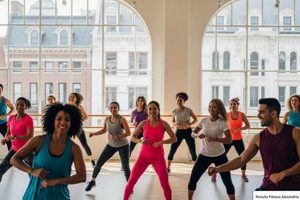
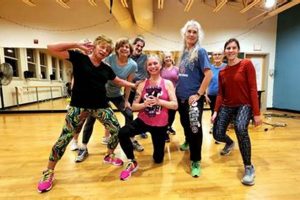
The duration of a typical Zumba session is approximately 60 minutes. This timeframe provides sufficient opportunity to engage in a comprehensive workout that combines dance and fitness elements. It allows participants to warm up, execute a series of routines, and cool down effectively, contributing to overall physical conditioning.
This standardized length is beneficial for several reasons. It allows for structured scheduling and facilitates consistent participation. Furthermore, the timeframe is long enough to provide a significant cardiovascular and muscular workout, promoting calorie expenditure and improved physical fitness. The length also considers participant endurance and prevents overexertion, ensuring safety and promoting adherence to the fitness regimen.
While the average timeframe hovers around one hour, variations can occur based on class format and instructor preference. Some instructors may offer express sessions that are shorter, targeting those with limited time. Conversely, extended sessions may incorporate additional fitness components or dedicate more time to specific dance styles. Understanding the standard timeframe and potential deviations is crucial for individuals planning their Zumba participation.
Maximizing Your Zumba Experience
To derive the maximum benefit from Zumba sessions, several considerations should be taken into account. These tips are designed to enhance participation and ensure optimal results.
Tip 1: Understand Class Duration. Familiarize yourself with the scheduled length of the class to manage personal time effectively. Punctuality ensures full participation in the warm-up and cool-down phases, crucial for injury prevention.
Tip 2: Pace Yourself. Even though a typical session lasts around an hour, it is important to listen to the body. Begin with modifications of the steps to suit individual fitness levels and gradually increase intensity as stamina improves. This approach will prevent overexertion.
Tip 3: Stay Hydrated. Bring a water bottle and drink water before, during, and after the session. This helps maintain energy levels and prevent dehydration during the hour-long workout. Proper hydration is important for peak performance.
Tip 4: Wear Appropriate Attire. Choose comfortable, breathable clothing that allows for a full range of motion. Opt for supportive athletic shoes designed for lateral movement to minimize the risk of injury during the one-hour session.
Tip 5: Arrive Early for New Classes. If attending a new class, arrive a few minutes early to introduce yourself to the instructor. Inquire about the structure of the hour-long class and any modifications that may be beneficial.
Tip 6: Be Aware of Express Classes. Some gyms offer shorter, express Zumba sessions. If time is limited, these shorter classes can still offer a good workout in less time. Check the schedule carefully, as the exact duration may vary.
Prioritizing preparation, appropriate pacing, and hydration are vital for a fulfilling Zumba experience. By implementing these suggestions, participants can effectively maximize the benefits of each session.
Applying these practices allows individuals to enjoy the physical and mental advantages of Zumba, contributing to a healthier lifestyle.
1. Typical duration

The phrase “Typical duration: 60 minutes” directly addresses the core question of how long Zumba sessions generally last. It represents a common standard widely adopted in the fitness industry, providing individuals with a predictable timeframe for planning and participation.
- Class Scheduling and Consistency
The 60-minute standard facilitates consistent class scheduling across various fitness centers and studios. This uniformity allows individuals to reliably plan their workouts around a set duration, enhancing adherence and promoting regular participation in Zumba. This consistency helps establish Zumba as a predictable and accessible fitness option.
- Structured Workout Format
A 60-minute class allows for a structured workout format including a warm-up phase, high-intensity routines, and a cool-down period. The duration supports a comprehensive exercise experience that adequately prepares the body for exertion, provides a sustained period of cardiovascular activity, and facilitates proper recovery, maximizing the benefits of the session.
- Instructor Planning and Choreography
The specified duration guides instructors in planning their choreography and structuring the class content. It enables them to develop routines that effectively utilize the available time, ensuring a balanced and engaging workout experience. This structured approach can lead to better class flow and increased participant satisfaction.
- Physiological Considerations
From a physiological perspective, a 60-minute session balances exercise intensity and duration, promoting cardiovascular health, calorie expenditure, and muscular engagement without exceeding reasonable limits of endurance. This duration optimizes the balance between effectiveness and participant comfort, making Zumba accessible to a broader range of fitness levels.
In summary, the “Typical duration: 60 minutes” is not merely an arbitrary figure but a carefully considered timeframe that supports consistent scheduling, structured workout formats, effective choreography, and physiological balance. Its importance underscores the practical and beneficial elements of standard Zumba classes.
2. Express classes
Express Zumba classes, characterized by their abbreviated duration, directly relate to the broader question of session length by offering an alternative to the standard timeframe. The existence of these shorter options acknowledges the varying time constraints individuals face and the need for flexible fitness solutions. The demand for efficient workouts has fueled the development of these express classes. For instance, fitness centers often schedule 30-45 minute express sessions during lunch breaks or before/after standard working hours to accommodate busy professionals. The availability of these shorter options significantly broadens the accessibility of Zumba to a wider audience.
The influence of express formats extends beyond scheduling. Instructors adapt class structures to maintain the core essence of Zumba within a compressed period. This often involves streamlining warm-up routines, focusing on high-impact, calorie-burning choreography, and implementing abbreviated cool-down procedures. A practical illustration of this adaptation can be observed in gym timetables where express classes are explicitly designated with the notation “30-min workout,” alerting participants to the adjusted timeframe. The effectiveness of these shorter classes still depends on participant effort and the instructor’s ability to maximize the use of time. Therefore, “Express classes: shorter options” are a subset of “how long do zumba classes last.”
In summary, express Zumba classes represent a significant adaptation in response to diverse time constraints. By providing shorter, focused sessions, they enhance accessibility and cater to individuals seeking efficient workout solutions. While the duration differs from standard classes, the underlying fitness principles and essential components are preserved. Ultimately, these shorter options exemplify the adaptability of Zumba in meeting evolving fitness demands. This offers participants who have time constraints to also benefit of Zumba workout for a shorter time.
3. Instructor flexibility

Instructor flexibility significantly influences the duration of Zumba classes. While a standard 60-minute timeframe is common, instructors often adapt the class length to accommodate various factors, including participant demographics, skill levels, and available time slots within a facility’s schedule. This adaptability represents a crucial component of effectively delivering Zumba instruction.
The primary effect of instructor flexibility on class duration lies in catering to specific needs. For instance, a class primarily composed of beginners may benefit from a slightly extended warm-up or a slower-paced routine, potentially adding a few minutes to the overall session. Conversely, a high-energy, advanced class might complete the same number of routines in less time. In some instances, instructors may shorten a class to align with a particular gym’s scheduling constraints, creating “express” Zumba options. Real-world examples can be seen in community centers offering shorter classes for seniors or corporate wellness programs fitting Zumba sessions into limited lunch breaks. This instructor-led modification of the class length directly impacts the overall participant experience.
Ultimately, instructor flexibility ensures that Zumba classes remain accessible and beneficial for a diverse range of individuals. The capacity to adjust the duration, while adhering to the core principles of Zumba, allows for greater inclusivity and engagement. While complete autonomy over time is often limited by facility schedules, the understanding and application of flexible teaching practices directly contribute to the overall success and adaptability of the Zumba program. Balancing consistency with customization is paramount to fostering a positive and sustainable fitness environment.
4. Warm-up inclusion

Warm-up inclusion is intrinsically linked to the overall duration of Zumba classes. The warm-up phase constitutes a necessary preamble to the higher-intensity routines that characterize the primary portion of the class. It functions as a preparatory stage designed to elevate heart rate, increase blood flow to muscles, and improve joint mobility, thereby mitigating the risk of injury during subsequent vigorous activity. The length of the warm-up directly contributes to the total session time. For example, a standard Zumba class lasting 60 minutes typically allocates approximately 5-10 minutes specifically to the warm-up portion. The inclusion of this segment, even in shorter express classes, dictates a baseline duration that the class cannot fall below without compromising participant safety and effectiveness.
The specific duration of the warm-up period often depends on various factors, including the overall intensity of the class and the experience level of the participants. Classes designed for beginners or individuals with limited mobility may incorporate a more extensive warm-up to gradually acclimate the body to exercise. Similarly, colder ambient temperatures might necessitate a longer warm-up to adequately prepare muscles for activity. Conversely, advanced classes may opt for a shorter, more dynamic warm-up to conserve time for more challenging routines. Irrespective of the specific length, the warm-up remains an indispensable element, influencing the ultimate duration of each Zumba session. To illustrate, fitness centers with strict class schedules will often communicate the “total class time includes warm-up and cool-down” to manage participant expectations and ensure punctual transitions between sessions.
In conclusion, warm-up inclusion is not merely an optional add-on but an integral determinant of the class length. It serves a critical physiological function, preparing the body for exertion and minimizing injury risk. The specific duration allocated to the warm-up, while subject to instructor discretion and participant needs, is always factored into the total class time, underscoring its significance in understanding the question of how long Zumba classes last. Disregarding the warm-ups role would provide an incomplete assessment of the classs total duration and its impact on participants’ physical well-being.
5. Cool-down importance

The cool-down period is a crucial element that contributes to the overall timeframe of Zumba classes. It is designed to facilitate a gradual return to a resting state after vigorous physical activity. Its inclusion is not merely a formality but a physiologically significant component influencing session duration.
- Physiological Recovery
The primary function of a cool-down is to allow the cardiovascular system to gradually adjust to a lower level of exertion. Abruptly ceasing intense activity can lead to blood pooling in the extremities, potentially causing dizziness or lightheadedness. A structured cool-down, often lasting 5-10 minutes, ensures a smoother transition, promoting more efficient recovery. The necessity of this process extends the total class time, distinguishing Zumba from workout formats that may neglect this aspect. Failing to include a cool-down can increase the risk of discomfort and hinder subsequent exercise performance.
- Muscle Soreness Mitigation
The cool-down phase aids in reducing delayed-onset muscle soreness (DOMS), a common consequence of intense physical activity. Gentle stretching and low-impact movements during the cool-down help to remove metabolic waste products from muscles and alleviate muscle tension. While a cool-down may not completely eliminate DOMS, it can significantly lessen its severity. This consideration directly impacts the design of Zumba classes, necessitating a defined period for cooling down to promote participant comfort and long-term adherence. The allocation of time for this reduces potential muscle problems and supports subsequent workouts.
- Flexibility Enhancement
Cool-down periods often incorporate static stretching exercises, providing an opportunity to improve flexibility. Holding stretches for extended periods allows muscles to lengthen, enhancing range of motion and reducing the risk of injury. This flexibility component is particularly beneficial in Zumba, which involves a variety of dynamic movements. The inclusion of flexibility exercises extends the cool-down duration and, consequently, the overall class length. These practices enhance muscle flexibility which helps overall.
- Psychological Transition
Beyond the physiological benefits, the cool-down provides a valuable psychological transition, allowing participants to mentally disengage from the high-energy activity and prepare for a return to their daily routines. This period of reduced intensity can promote relaxation and mindfulness, contributing to the overall well-being of participants. The psychological benefits of cool-down should not be underestimated.
The necessity of an effective cool-down underscores that session is more than just the time spent actively dancing. The incorporation of this period ensures participant safety, reduces muscle soreness, enhances flexibility, and facilitates psychological well-being. The duration, though varying between individuals and class formats, invariably affects the entire class length.
6. Variations in routines

Variations in routines within a Zumba class directly influence its duration. The complexity and number of routines incorporated into a session affect the time required to complete the workout. A class featuring intricate choreography or a higher volume of distinct routines will naturally extend the overall session length compared to a class with simpler, fewer routines.
The inclusion of diverse routines serves a critical function: it prevents monotony and maintains participant engagement. Zumba instructors often introduce variations to cater to different fitness levels and musical preferences. For example, a class might incorporate a faster-paced routine to elevate cardiovascular intensity, followed by a slower, more deliberate routine focusing on muscle toning. This strategic alternation, while enhancing the workout’s overall benefit, necessitates adjustments to the allotted time. Express Zumba classes address time constraints by featuring a reduced number of routines or simplifying the choreography, effectively shortening the session. The diversity in workout routines has a direct cause and effect on overall class duration, as adding variety can easily increase the length of the workout.
In conclusion, the scope and nature of routines performed within a Zumba class are integral factors determining its length. Instructors actively manage these variations to optimize the workout experience, balancing challenge, engagement, and time constraints. Understanding this relationship enables participants to anticipate and effectively plan their participation, thereby maximizing the benefits derived from each session.
Frequently Asked Questions About Zumba Class Duration
The following addresses commonly asked questions concerning the duration of Zumba fitness sessions.
Question 1: What is the typical duration of a standard Zumba class?
A standard Zumba session typically lasts approximately 60 minutes. This timeframe includes a warm-up period, a series of routines, and a cool-down phase.
Question 2: Are there shorter Zumba class options available?
Yes, “express” Zumba classes are offered in many locations. These sessions are abbreviated versions of the standard format, often lasting between 30 and 45 minutes.
Question 3: Does the instructor have the flexibility to adjust the class duration?
Instructors often have some flexibility in adjusting the length of the class, though it is frequently dictated by facility scheduling. Minor adjustments may be made based on participant skill level or class format.
Question 4: Is a warm-up period included in the class duration?
Yes, the specified class time encompasses a mandatory warm-up period. This portion of the session prepares the body for more intense exercise, mitigating the risk of injury.
Question 5: Is there a cool-down period at the end of Zumba sessions, and is it included in the class time?
A cool-down period is a vital component of Zumba, and is factored into the advertised timeframe. This phase aids in gradual physiological recovery, and reduces risk of muscle soreness.
Question 6: Do variations in routines affect the duration of the class?
The complexity and quantity of routines included in a Zumba class directly influence the session’s length. More varied and complex routines will require additional time.
The duration of Zumba sessions can vary, participants need to consider instructor flexibility, inclusion of warm-up/cool-down, and express/standart sessions.
The following section will explore how to effectively integrate Zumba into a structured fitness regimen.
Determining Zumba Class Duration
The duration of Zumba sessions presents a multifaceted consideration. While the standard class approximates 60 minutes, the availability of express options, instructor adaptations, and the integral inclusion of warm-up and cool-down segments contribute to potential variations. Understanding these factors is crucial for effective scheduling and maximizing participation benefits.
The informed selection of a Zumba class that aligns with individual time constraints and fitness goals becomes paramount. A comprehensive grasp of the elements influencing the time commitment allows for a productive, safe, and enjoyable fitness experience, ensuring that Zumba effectively contributes to a broader health and wellness strategy. Individuals should review the class description and or consult with the instructor about time allocation to maximize personal benefits.