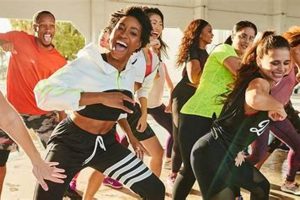
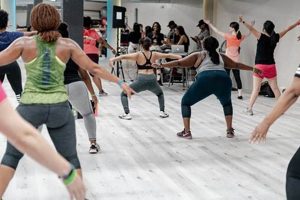
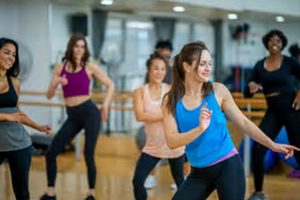
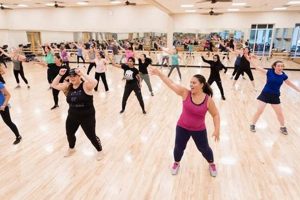
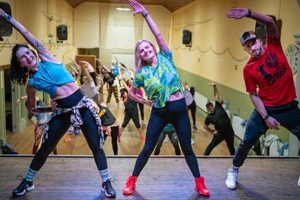
The combination of Latin-inspired dance movements and aerobic exercise creates a fitness program tailored for older adults. These sessions modify traditional Zumba routines to accommodate a range of mobility levels and physical capabilities commonly found in this demographic. The intention is to provide a low-impact, enjoyable workout experience.
Participation offers a variety of potential advantages. Improvements in cardiovascular health, increased muscle strength, enhanced balance, and cognitive stimulation are often reported. Moreover, the social interaction inherent in group fitness can combat feelings of isolation and contribute to an improved overall sense of well-being. The concept adapts a popular dance fitness trend for accessibility and safety for a specific age group.
The following sections will delve into the specific modifications made to standard Zumba routines, the precautions necessary to ensure participant safety, the various benefits, and locations where these specially designed programs are available.
Guidance for Safe and Effective Participation
To maximize the benefits and minimize potential risks, certain considerations are vital before and during involvement in modified dance fitness programs for older adults.
Tip 1: Consult Healthcare Professionals: Prior medical clearance is essential. A physician can assess individual health status and provide guidance on appropriate exercise intensity and limitations.
Tip 2: Choose Qualified Instructors: Ensure instructors possess certification and experience working with older adult populations. Knowledge of geriatric exercise principles and modifications is crucial.
Tip 3: Start Slowly and Progress Gradually: Begin with shorter sessions and less intense movements. As fitness improves, gradually increase duration and intensity while monitoring for any adverse effects.
Tip 4: Modify Movements as Needed: Adaptations are paramount. Participants should feel comfortable modifying steps to suit their individual range of motion, balance, and comfort level. Using a chair for support is acceptable.
Tip 5: Pay Attention to Body Signals: Discomfort or pain signals the need to stop. Ignoring these signals can lead to injury. Rest and hydration are important.
Tip 6: Wear Appropriate Footwear: Supportive athletic shoes with good traction are essential to prevent slips and falls. Avoid wearing sandals or shoes with slick soles.
Tip 7: Hydrate Adequately: Drink water before, during, and after each session to maintain proper hydration and prevent dehydration-related complications.
Adherence to these guidelines can significantly enhance safety and contribute to a positive and effective fitness experience. Awareness and preparation are crucial for maximizing the positive impacts.
The following sections will delve into the locations where these programs are offered.
1. Modified Movements

The adaptation of dance fitness routines represents a fundamental aspect of programs designed for older adults. This alteration acknowledges the unique physical needs and capabilities of this demographic, prioritizing safety and accessibility.
- Reduced Impact
The incorporation of low-impact steps is central to the concept. High-impact movements, such as jumping or running, are typically removed or modified to minimize stress on joints. An example is replacing a jump with a step-touch or a march in place, thereby maintaining the cardiovascular benefit while reducing the risk of injury. This adaptation is crucial for individuals with arthritis or other joint-related conditions.
- Increased Stability
Modifications often incorporate movements that enhance balance and stability. This could involve widening the stance during certain steps or providing options for using a chair for support. For instance, during lateral movements, participants may be encouraged to maintain a wider base of support or to lightly hold onto a chair for balance. The focus is on preventing falls and promoting confidence in movement.
- Range of Motion Adaptation
The routines are adjusted to accommodate a diverse range of motion capabilities. Movements that require extreme flexibility or rotation are typically modified or replaced with gentler alternatives. For example, deep squats or lunges may be replaced with shallower versions or with alternative exercises that target the same muscle groups without placing undue stress on joints. Respecting individual limitations is paramount.
- Simplified Choreography
The choreography is simplified to facilitate ease of learning and execution. Complex sequences are broken down into smaller, more manageable steps. Instructors often provide clear verbal cues and visual demonstrations to guide participants through the routines. The aim is to make the class accessible to individuals with varying levels of dance experience and cognitive function.
Collectively, these modifications are essential for creating an inclusive and safe fitness environment for older adults. By adapting the intensity, complexity, and impact of traditional routines, these programs enable participants to experience the physical and social benefits of dance fitness while minimizing the risk of injury and maximizing comfort and enjoyment.
2. Qualified Instruction
The efficacy and safety of dance fitness programs designed for older adults are intrinsically linked to the presence of qualified instruction. The instruction ensures appropriate modifications and attentive monitoring. The absence of adequately trained instructors can lead to increased risk of injury and diminished program benefits. The cause-and-effect relationship between instructor expertise and participant well-being is, therefore, of paramount importance.
Consider a scenario where an instructor lacks specific training in geriatric exercise principles. In this case, the instructor may inadvertently lead participants through movements that exceed their physical capabilities or exacerbate existing conditions. For example, failure to provide appropriate modifications for individuals with arthritis could result in joint pain and inflammation. Conversely, a qualified instructor will be adept at recognizing individual limitations, offering suitable alternatives, and fostering a supportive environment where participants feel comfortable modifying movements as needed. Their knowledge of anatomy, physiology, and common age-related conditions is essential for providing safe and effective guidance.
Consequently, the role of qualified instruction extends beyond simply leading a dance routine. It encompasses the ability to assess participant needs, adapt exercises accordingly, and provide ongoing support and encouragement. In conclusion, the inclusion of qualified instructors is not merely a desirable attribute but a critical determinant of the success and safety of dance fitness programs for older adults. Ensuring that instructors possess the necessary training and experience is essential for maximizing the potential benefits and minimizing the risks associated with physical activity in this population.
3. Health Considerations
The integration of health considerations into dance fitness programs specifically designed for older adults is not merely an added benefit but a foundational requirement for ensuring participant safety and maximizing positive health outcomes. Pre-existing medical conditions, such as cardiovascular disease, arthritis, diabetes, and osteoporosis, significantly impact an individual’s ability to participate safely and effectively. Therefore, a comprehensive understanding of these conditions and their potential implications is essential.
Consider, for example, an individual with a history of hypertension. The intensity and duration of the exercise must be carefully monitored to avoid excessive increases in blood pressure. Qualified instructors should be trained to recognize signs of distress, such as dizziness, chest pain, or shortness of breath, and to modify the exercise accordingly. Similarly, individuals with arthritis may require modifications to reduce stress on affected joints. Programs without careful assessment could exacerbate existing conditions. The failure to address these considerations can have serious consequences, ranging from minor discomfort to serious medical events. Practical understanding of these considerations, along with the individualization of exercise programs, is essential for promoting health within this demographic.
In conclusion, health considerations represent a critical component of dance fitness programs for older adults. These considerations provide the framework for safely implementing exercise regimes. Addressing individual limitations maximizes potential benefits. Overlooking these issues increases risk. Integrating this approach is fundamental in any successful dance-based fitness option, helping facilitate health.
4. Social Engagement

The element of social interaction within dance fitness programs for older adults is a significant factor influencing participation rates and perceived benefits. Group exercise environments offer opportunities to cultivate interpersonal relationships, combat social isolation, and enhance overall well-being.
- Reduced Loneliness
Group fitness provides structured opportunities for interaction and shared experiences, mitigating feelings of isolation and loneliness. Participation can create a sense of belonging and camaraderie among individuals who may otherwise lack regular social contact. This combats negative effects on both mental and physical health.
- Peer Support and Motivation
The group dynamic fosters peer support and mutual encouragement, which can enhance motivation and adherence to the exercise program. Participants may find inspiration from observing others’ progress and receiving positive reinforcement from their peers and instructors. Shared commitment promotes consistency.
- Cognitive Stimulation
Social interaction inherently provides cognitive stimulation through conversation, shared problem-solving, and reciprocal learning. These activities can help maintain cognitive function and potentially reduce the risk of cognitive decline. Engaging the mind during fitness routines can have dual benefits.
- Enhanced Emotional Well-being
Positive social interactions can improve mood, reduce stress, and enhance overall emotional well-being. Laughter, shared accomplishment, and feelings of connectedness contribute to a more positive outlook on life. This boost is particularly important for seniors who may be experiencing other life stressors.
These facets demonstrate the integral role of social engagement. This approach fosters an environment supporting positive relationships. It also strengthens both physical and mental health. This environment leads to improved mental outlook. These factors can improve and further the program as a whole.
5. Cardiovascular Benefits

The integration of dance fitness programs, adapted for older adults, presents a tangible mechanism for enhancing cardiovascular health. The rhythmic movements and aerobic nature of the activity elevate heart rate and improve circulation, directly impacting the cardiovascular system. Consistent participation can lead to a reduction in resting heart rate, lower blood pressure, and improved cholesterol levels, all of which are critical indicators of cardiovascular well-being. This is achieved through the strengthening of the heart muscle and improved efficiency of blood vessels.
Consider a scenario where an individual, previously sedentary, begins attending these adapted fitness sessions regularly. Over time, their exercise tolerance increases, and they may experience less shortness of breath during daily activities. The structured nature of the classes, combined with the social support, encourages adherence to the exercise program, leading to sustained cardiovascular improvements. Furthermore, modifications to the routines ensure that individuals with pre-existing heart conditions can participate safely, under the guidance of qualified instructors. Practical application extends to improvements in everyday functionality, like climbing stairs or carrying groceries.
In summary, these dance-based fitness options offer a feasible approach to improving and maintaining cardiovascular health in the senior demographic. The structured, social, and adaptable nature of the classes addresses many common barriers to exercise, promoting consistent participation and yielding positive cardiovascular outcomes. This understanding underscores the importance of promoting and supporting accessible fitness initiatives within senior communities, contributing to both individual and public health benefits.
Frequently Asked Questions
The following addresses common inquiries regarding dance fitness programs tailored for older adults. Information presented aims to provide clarity and address potential concerns.
Question 1: What specific modifications are implemented in dance fitness programs for older adults?
The programs incorporate low-impact movements, simplified choreography, and options for using chairs for support. Instructors provide modifications to accommodate varying levels of mobility and fitness.
Question 2: Is a medical consultation necessary before participation?
Consultation with a healthcare provider is strongly advised prior to commencing any new exercise program, particularly for individuals with pre-existing medical conditions. The healthcare provider can assess individual risk factors and provide personalized recommendations.
Question 3: What qualifications should instructors possess to adequately teach dance fitness to older adults?
Instructors should hold relevant certifications in fitness instruction and ideally possess specialized training in geriatric exercise. A thorough understanding of age-related physiological changes and common medical conditions is also essential.
Question 4: What are the potential risks associated with participation, and how can they be minimized?
Potential risks include falls, joint pain, and cardiovascular events. Risks can be minimized by choosing qualified instructors, modifying movements as needed, wearing appropriate footwear, and adhering to guidelines regarding hydration and exertion levels.
Question 5: How do modified dance fitness programs address the risk of falls?
The routines incorporate balance-enhancing exercises, and instructors provide guidance on maintaining stability. The use of chairs for support is encouraged, and participants are advised to be aware of their surroundings to minimize fall risk.
Question 6: How long are typical dance fitness sessions for older adults, and how frequently should they be attended?
Typical sessions range from 30 to 60 minutes. Attending classes 2-3 times per week is generally recommended to achieve optimal benefits. The exercise intensity and frequency should be based on individual fitness levels and tolerance.
In conclusion, these programs provide opportunities for improved fitness and well-being. A comprehensive approach, addressing both individual needs and potential risks, is crucial for maximizing effectiveness.
The subsequent section will discuss resources and further information.
Conclusion
This exploration has elucidated key aspects of dance fitness programs tailored for older adults. Modified movements, qualified instruction, health considerations, social engagement, and cardiovascular benefits represent critical components. The adaptation of Zumba principles ensures accessibility and safety for this demographic. The importance of qualified instructors in injury prevention and the necessity of considering individual health factors have been underscored. The potential for social interaction and improved cardiovascular health further contributes to the overall value of these programs.
The information presented provides a framework for understanding the value and implementation of dance fitness for older adults. Increased awareness of program benefits and appropriate safety precautions can lead to more informed participation. Continued emphasis on research and resource development will further optimize the impact of these fitness initiatives on the well-being of the senior population. Consideration must be given to resources and available locations.