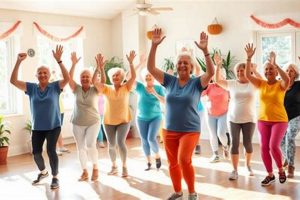
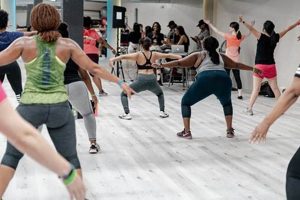
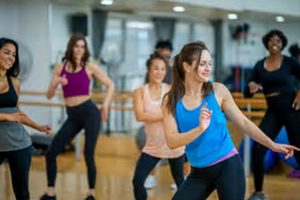
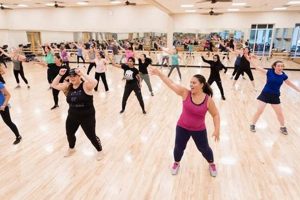
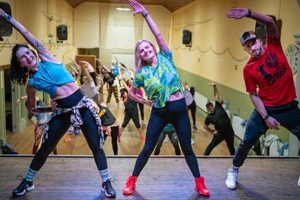
The act of instructing individuals in Zumba, a fitness program that combines Latin and international music with dance moves, necessitates a unique skill set. This instruction involves demonstrating routines, providing modifications for varying fitness levels, and maintaining an energetic and motivating atmosphere for participants.
Proficiency in this domain offers multiple benefits, including enhanced physical fitness for the instructor, opportunities for personal growth and development, and the satisfaction of contributing to the health and well-being of others. The history of this instruction mirrors the increasing popularity of Zumba as a globally recognized fitness modality, evolving alongside trends in exercise and dance.
The subsequent sections will delve into the specific qualifications required, the challenges encountered, effective strategies for success, and the career pathways available within the realm of guiding groups through Zumba sessions.
Guidance for Leading Zumba Sessions
The following provides actionable advice for effectively conducting Zumba sessions, ensuring participant engagement and safety.
Tip 1: Master the Fundamentals: A strong foundation in basic Zumba steps is crucial. Dedicate time to refine technique, understand rhythmic variations, and internalize cueing methods. Mastery allows for confident demonstration and clear instruction.
Tip 2: Plan Thoroughly: Each session requires meticulous planning. Construct a playlist with varying tempos and styles to maintain interest. Choreograph routines that cater to diverse fitness levels, incorporating modifications as needed.
Tip 3: Cultivate a Positive Environment: While maintaining a professional demeanor, foster an inclusive and encouraging atmosphere. Positive reinforcement and personalized attention enhance participant motivation and adherence.
Tip 4: Prioritize Participant Safety: Emphasize proper form and technique to minimize the risk of injury. Regularly assess participants’ physical capabilities and adjust routines accordingly. Provide clear and concise safety instructions at the beginning of each session.
Tip 5: Continuously Seek Improvement: The field of fitness is dynamic. Engage in ongoing professional development through workshops, certifications, and peer learning to stay abreast of the latest trends and techniques.
Tip 6: Effective Cueing Techniques: Employ clear and concise verbal and non-verbal cues to guide participants through the choreography. Anticipate transitions and provide ample warning before changing steps. Visual cues, such as hand gestures, can enhance understanding.
Effective instruction is essential for successful Zumba sessions. By implementing these guidelines, instructors can deliver engaging, safe, and beneficial experiences for all participants.
The article will continue to address the business aspects of Zumba instruction and strategies for professional advancement.
1. Choreography Mastery

Choreography mastery forms a fundamental cornerstone of effective Zumba instruction. The ability to accurately and confidently execute Zumba routines directly impacts the participant experience and the overall success of a Zumba class. Instructors lacking a strong grasp of choreography may struggle to deliver clear and consistent instruction, leading to participant confusion, frustration, and a decreased likelihood of continued engagement.
Consider, for example, a Zumba class where the instructor frequently hesitates or incorrectly performs steps. Participants may lose faith in the instructor’s competence, leading to a less enjoyable and less effective workout. Conversely, an instructor with mastery of the routines can seamlessly guide participants through complex movements, creating a fluid and engaging experience. Real-world application also includes the ability to improvise modifications for participants with physical limitations, a skill directly dependent on a thorough understanding of the choreography’s underlying structure and movement principles. Moreover, mastery often translates to improved instructor confidence, which in turn fosters a more positive and motivating classroom environment.
In summary, choreography mastery is not merely an optional attribute for Zumba instructors but rather a critical prerequisite for delivering high-quality, engaging, and effective classes. Deficiencies in this area directly undermine the instructor’s credibility and diminish the overall benefit for participants. Therefore, investing time and effort in achieving and maintaining choreography proficiency is essential for any individual pursuing a career in Zumba instruction.
2. Music Selection

Music selection plays a pivotal role in determining the effectiveness and participant engagement in Zumba instruction. The music provides the rhythmic foundation for the dance movements, dictating the tempo and style that participants follow. Inappropriate music selection can lead to a disconnect between the instructor’s movements and the participants’ ability to synchronize, resulting in a disorganized and demotivating experience. Conversely, thoughtfully curated music enhances the energy and enjoyment of the class, promoting greater participation and adherence. For example, a selection of high-energy Latin beats will naturally encourage faster and more dynamic movements, while a selection of slower, more sensual rhythms may be better suited for focusing on core engagement and coordination. A Zumba class utilizing generic or ill-suited music would likely suffer from low attendance and minimal participant enthusiasm, highlighting the practical significance of careful music selection.
Further analysis reveals that music selection extends beyond simply choosing upbeat songs. Instructors must consider the cultural relevance of the music to Zumba’s Latin roots, ensuring authenticity and respect for the origins of the dance form. Variation in musical styles is also crucial for maintaining interest and providing a diverse workout experience. The use of familiar songs alongside less well-known tracks can create a balance that appeals to a wide range of participants. Moreover, music selection requires consideration of licensing and copyright regulations to avoid legal complications. A Zumba instructor planning a class must, therefore, be adept at curating playlists that are both engaging and legally compliant.
In summary, music selection is not merely an ancillary component of Zumba instruction but rather an integral element that directly influences participant engagement, enjoyment, and the overall effectiveness of the class. Neglecting this aspect can lead to a diminished participant experience, while strategic and thoughtful music curation can significantly enhance the success of the instructional setting. The challenge for instructors lies in striking a balance between diverse musical styles, cultural authenticity, legal compliance, and participant preferences, ultimately contributing to a dynamic and rewarding Zumba experience.
3. Clear Cueing

Clear cueing represents a critical component of effective Zumba instruction. The capacity to provide readily understandable and timely instructions directly impacts participant comprehension, coordination, and safety during a Zumba session. Ambiguous or delayed cues can result in participant confusion, incorrect execution of movements, and an increased risk of injury.
- Verbal Cueing Synchronization
The temporal alignment of verbal cues with the rhythmic structure of the music is essential. An instructor must anticipate transitions in the choreography and provide verbal cues slightly ahead of the actual movement change. For example, an instructor might say “Next, cha-cha to the right in four counts,” allowing participants to mentally prepare for the transition. This anticipatory cueing enhances coordination and reduces the cognitive load on participants.
- Non-Verbal Cueing Techniques
Non-verbal cues, such as hand gestures and facial expressions, serve as a visual reinforcement of verbal instructions. The instructor might use a hand signal to indicate the direction of a step or a facial expression to convey the intensity of a movement. These non-verbal cues complement verbal instructions, particularly for participants who are visually oriented or who may not be fluent in the language of instruction. For instance, the instructor could point in the direction of the next move while simultaneously calling it out.
- Progressive Cueing Implementation
Progressive cueing involves gradually building complexity in the instructions as the class progresses. Initially, cues might focus on basic steps and directional movements. As participants become more familiar with the choreography, the instructor can introduce more nuanced cues related to arm movements, body posture, and stylistic variations. This approach ensures that participants are not overwhelmed with information at the outset and allows them to progressively master the choreography.
- Cueing for Modifications and Safety
Clear cueing is indispensable for providing modifications to accommodate participants with varying fitness levels or physical limitations. The instructor must clearly communicate alternative movements and emphasize proper form to prevent injuries. For example, the instructor might say “If jumping is uncomfortable, step side-to-side instead.” Additionally, clear cues should be used to highlight safety considerations, such as maintaining proper posture and avoiding hyperextension of joints.
The effectiveness of Zumba instruction hinges upon the instructor’s ability to convey clear and concise cues, both verbally and non-verbally. By mastering the art of cueing, Zumba instructors can create a more engaging, safe, and rewarding experience for all participants, maximizing the benefits derived from each session and reinforcing the professional character of Zumba instruction.
4. Class Management

Effective class management is inextricably linked to successful Zumba instruction. A well-managed Zumba class fosters a positive and safe environment conducive to learning and engagement. Conversely, poor class management can lead to participant frustration, reduced motivation, and even potential safety hazards. For instance, a failure to adequately address crowding issues within the class space could result in collisions and injuries. Similarly, neglecting to monitor participants’ physical condition and adjusting the intensity of the class accordingly could lead to exhaustion or exacerbate pre-existing health conditions. Thus, skillful class management is not merely an ancillary skill but a core competency within the practice of teaching Zumba classes.
Specific aspects of class management in a Zumba setting include establishing clear expectations and guidelines at the beginning of each session. This entails outlining safety procedures, demonstrating proper form, and providing modifications for participants with varying fitness levels. Furthermore, effective class management involves maintaining control of the class’s energy and momentum. This is often achieved through the strategic use of music, vocal cues, and non-verbal communication. Real-world application reveals that an instructor who proactively anticipates and addresses potential issues, such as participant fatigue or difficulty with specific choreography, is far more likely to create a positive and rewarding experience for all. A practical example involves an instructor noticing a participant struggling to keep up with the pace of the choreography. The instructor might discreetly approach the participant and offer personalized guidance or suggest a modified version of the exercise.
In summary, competent class management is an indispensable element of effective Zumba instruction. Neglecting this aspect can undermine the learning experience and compromise participant safety. By mastering the art of class management, instructors can create a supportive and engaging environment, maximizing the benefits derived from each session and ensuring the ongoing success of their Zumba classes. Challenges may arise from diverse fitness levels, varying participant experience, and space constraints. Effective adaptation and preparedness remain the keys for skilled Zumba instruction.
5. Safety Protocols
Adherence to stringent safety protocols is paramount in the context of instructing Zumba classes. These protocols mitigate the risk of injury and ensure a secure environment for all participants, thereby upholding the instructor’s professional responsibility and fostering trust within the class.
- Pre-Participation Screening
The implementation of a pre-participation screening process is essential to identify individuals with pre-existing conditions that may be exacerbated by Zumba activities. This can involve a brief questionnaire or verbal inquiry regarding medical history, physical limitations, and current fitness level. For example, individuals with joint problems or cardiovascular issues may require modified routines or closer monitoring during class. This practice aligns with responsible instruction by tailoring the exercise environment to the specific needs of the participants.
- Proper Warm-up and Cool-down Procedures
Adequate warm-up and cool-down routines are critical for preparing the body for exertion and facilitating recovery. Warm-up exercises increase blood flow to the muscles and improve joint mobility, reducing the risk of strains and sprains. Cool-down exercises, conversely, help to gradually lower heart rate and prevent muscle soreness. Failing to incorporate these routines increases the likelihood of musculoskeletal injuries and cardiovascular complications, particularly among novice participants. This proactive measure underlines the importance of pre and post-exercise stages for better class outcomes.
- Appropriate Class Environment and Equipment
The physical environment of a Zumba class must be carefully assessed to ensure safety. This includes adequate space to prevent collisions, a suitable floor surface to minimize impact on joints, and appropriate ventilation to maintain air quality. Additionally, any equipment used, such as weights or resistance bands, must be inspected for defects and used correctly. For instance, uneven or slippery flooring can lead to falls, while inadequate ventilation can cause dizziness or overheating. This holistic approach ensures a safer and more comfortable setting for participants and instructor alike.
- Emergency Preparedness and Response
Zumba instructors must be prepared to respond effectively to medical emergencies that may arise during class. This involves having a readily available first-aid kit, knowledge of basic first-aid procedures, and a clear communication plan for contacting emergency medical services. In the event of a serious injury, the instructor must be able to provide immediate assistance and ensure that appropriate medical care is obtained promptly. The proactive approach protects participants, reducing any risks or dangers involved when an emergency arises.
Collectively, these safety protocols form an integral framework for responsible Zumba instruction. By prioritizing participant safety, instructors can create a secure and enjoyable environment that promotes fitness and well-being, thereby upholding the ethical and professional standards of the fitness industry. Further refinement and continuous updating of these protocols based on current best practices is essential for mitigating evolving safety risks and enhancing the overall quality of Zumba class experience.
6. Motivation techniques
The incorporation of effective motivation techniques is essential for fostering sustained participant engagement and optimizing the benefits derived from Zumba instruction. These techniques serve to encourage consistent attendance, promote active participation, and cultivate a positive and supportive class environment.
- Positive Reinforcement and Encouragement
The strategic use of positive reinforcement, such as verbal praise and non-verbal cues like smiles and applause, can significantly boost participants’ confidence and motivation. Acknowledging individual effort and progress, regardless of skill level, encourages continued participation and fosters a sense of accomplishment. An instructor might comment positively on a participant’s improved coordination or increased energy, reinforcing positive behavior and motivating further effort. This approach contrasts with a demotivating environment characterized by criticism or a lack of recognition.
- Goal Setting and Achievement Recognition
Facilitating goal setting allows participants to define personal objectives related to fitness, weight management, or skill development. Regularly checking in on progress and celebrating achievements, whether large or small, reinforces commitment and fosters a sense of ownership. For example, an instructor might help participants track their attendance, monitor their heart rate, or measure their waist circumference, providing concrete evidence of progress. Recognizing these achievements, both individually and as a group, strengthens motivation and encourages continued effort. An example could include acknowledging participants reaching their fitness goals and sharing progress to encourage others.
- Variety and Novelty in Routines
Introducing variety and novelty into Zumba routines prevents monotony and maintains participant interest. Regularly incorporating new songs, choreographic variations, and dance styles challenges participants both physically and mentally, fostering a sense of excitement and discovery. An instructor might dedicate a portion of each class to learning new steps or experimenting with different musical genres, keeping the experience fresh and engaging. This approach contrasts with repetitive routines that can lead to boredom and decreased motivation, and ensures continuous learning among Zumba students.
- Community Building and Social Interaction
Cultivating a sense of community within the Zumba class encourages social interaction and strengthens bonds among participants. Creating opportunities for participants to connect with one another, such as group activities, social events, or online forums, fosters a supportive and inclusive environment. An instructor might organize team-based choreography challenges or encourage participants to share their experiences and successes with one another. This sense of belonging fosters loyalty, increases attendance, and enhances the overall enjoyment of the Zumba experience. Encouraging participants to connect makes each class more enjoyable.
In summation, the effective integration of motivation techniques is not merely an adjunct to Zumba instruction but a core element that determines its overall success. By employing strategies that foster positive reinforcement, goal achievement, routine variety, and community building, instructors can significantly enhance participant engagement, promote sustained commitment, and cultivate a vibrant and rewarding Zumba experience for all.
7. Adaptability
Adaptability, in the context of instructing Zumba classes, denotes the capacity to modify routines, teaching styles, and communication strategies to accommodate the diverse needs and abilities of participants. This skill is not merely a desirable attribute but a fundamental requirement for effective and inclusive instruction. A rigid adherence to a pre-determined choreography, without considering variations in fitness levels, physical limitations, or learning styles, can lead to participant discouragement, injury, and attrition. The absence of adaptability directly undermines the instructor’s capacity to create a positive and accessible learning environment. For example, an instructor teaching a class with a wide age range must be able to offer modifications for participants with limited mobility, ensuring that all individuals can participate safely and effectively. Thus, adaptability acts as a critical bridge between the instructor’s expertise and the diverse needs of the participant group.
Further illustrating its importance, adaptability extends beyond physical modifications to encompass communication strategies. An instructor must be able to explain complex movements in a clear and concise manner, using language appropriate for the target audience. The ability to recognize and respond to non-verbal cues indicating confusion or discomfort is equally essential. Consider a scenario where a participant struggles to grasp a particular step. An adaptable instructor will not simply repeat the instruction verbatim but will instead offer alternative explanations, visual demonstrations, or tactile cues to facilitate understanding. This iterative process of assessment and adjustment is crucial for maximizing learning outcomes and fostering participant confidence. The successful implementation of adaptability depends on the instructor’s attentiveness, empathy, and a commitment to meeting the individual needs of each participant.
In conclusion, adaptability is not a static skill but a dynamic and evolving competency that requires ongoing self-reflection and refinement. While the challenges associated with accommodating diverse participant needs can be significant, the rewards in terms of increased engagement, reduced injury risk, and enhanced participant satisfaction are substantial. Adaptability represents a core tenet of responsible and effective Zumba instruction, aligning with the broader goal of promoting physical well-being and fostering a positive and inclusive fitness community. The ability to adapt is not just useful; it’s essential for success.
Frequently Asked Questions Regarding Zumba Instruction
This section addresses common inquiries concerning the practice of teaching Zumba classes, providing concise and informative answers to aid prospective and current instructors.
Question 1: What are the fundamental prerequisites for instructing Zumba classes?
The primary requirement is obtaining a valid Zumba Instructor Training certificate, specifically the Zumba Basic 1 certification. Subsequent specialized certifications, such as Zumba Kids or Zumba Gold, may be pursued to target specific demographics.
Question 2: Is prior dance experience mandatory to become a Zumba instructor?
While prior dance experience can be beneficial, it is not a mandatory prerequisite. Successful instructors often demonstrate strong rhythmic coordination, effective communication skills, and the ability to motivate participants.
Question 3: What are the legal considerations involved in teaching Zumba classes, particularly regarding music licensing?
Instructors must comply with copyright laws regarding the use of music in their classes. This typically involves obtaining the appropriate licenses from performing rights organizations such as ASCAP and BMI to legally play copyrighted music.
Question 4: How can Zumba instructors effectively manage classes with participants of varying fitness levels?
Adaptability is crucial. Instructors should provide modifications and progressions for each movement, allowing participants to adjust the intensity and complexity of the routine to suit their individual abilities.
Question 5: What strategies can be employed to market and promote Zumba classes to attract and retain participants?
Effective marketing strategies include leveraging social media platforms, offering introductory discounts or promotions, partnering with local businesses, and cultivating a strong community among existing participants.
Question 6: How often should a Zumba instructor update their routines and choreography to maintain participant engagement?
Regularly updating routines is recommended to prevent monotony and maintain participant interest. Introducing new songs and choreographic variations every few months can significantly enhance the class experience.
In summary, successful Zumba instruction requires a combination of formal training, effective communication skills, adherence to legal guidelines, and a commitment to providing a safe and engaging experience for participants.
The subsequent section explores strategies for career advancement and professional development within the Zumba instruction field.
Concluding Remarks on Teaching Zumba Classes
This exploration has detailed the multifaceted aspects of teaching Zumba classes, encompassing choreographic proficiency, strategic music selection, clear cueing techniques, effective class management strategies, stringent safety protocols, motivating methodologies, and adaptive practices. These elements converge to establish a framework for effective and responsible Zumba instruction. The material presented reinforces the significance of thorough preparation, ongoing professional development, and a commitment to providing a safe and engaging environment for all participants.
The sustained success of any Zumba program hinges on the instructor’s dedication to mastering these essential skills and consistently adapting their approach to meet the evolving needs of their clientele. The principles outlined serve as a foundation for further exploration and refinement, ensuring the delivery of high-quality Zumba instruction and the continued promotion of physical well-being within the community.