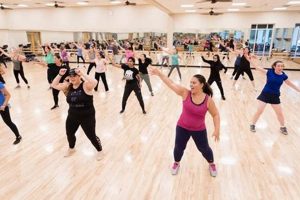
Instructional fitness sessions conducted online, these sessions offer participants the opportunity to engage in Zumba routines from remote locations. These sessions replicate the experience of a traditional Zumba class through live streaming or pre-recorded videos, enabling individuals to participate from their homes or any suitable environment with internet access.
The rise of digital fitness platforms has facilitated access to exercise programs for a wider audience. Participants benefit from increased convenience, schedule flexibility, and a broader selection of instructors. This format also addresses geographical limitations, enabling access to specialized fitness instruction regardless of location, and offers a means for maintaining physical activity during periods when in-person classes are restricted.
The subsequent discussion will delve into the specific equipment needs, strategies for effective online instruction, and considerations for ensuring participant safety and engagement within the realm of remote fitness participation.
Enhancing the Virtual Zumba Experience
Optimizing the effectiveness of remote Zumba sessions requires careful consideration of several key elements to ensure both participant engagement and safety.
Tip 1: Space Preparation: Ensure a clear, unobstructed area for movement. Adequate space prevents injury and allows for full range of motion during routines. Consider a minimum area of 6ft x 6ft per participant.
Tip 2: Equipment Considerations: While minimal equipment is typically required, access to a stable internet connection and a device with a sufficiently large screen are essential. Optional equipment may include supportive footwear and a water bottle.
Tip 3: Instructor Qualifications: Verify the instructor’s certification and experience in teaching Zumba, particularly in a virtual format. Qualified instructors adapt routines for diverse fitness levels and provide clear, concise instructions.
Tip 4: Camera Positioning: Optimal camera placement allows the instructor to observe participant movements and provide feedback. Participants should position their cameras to ensure a full view of their body during the session.
Tip 5: Audio Quality: Clear audio is crucial for understanding instructions and maintaining rhythm. Utilizing external speakers or headphones can improve audio quality for both instructors and participants.
Tip 6: Hydration and Breaks: Encourage participants to hydrate regularly and incorporate short breaks throughout the session to prevent fatigue and maintain energy levels.
Tip 7: Modification Awareness: Be mindful of physical limitations. Modifications should be offered for individuals with injuries or mobility constraints. Instructors should emphasize the importance of listening to one’s body.
By adhering to these guidelines, individuals can maximize the benefits of digital Zumba programs, fostering a positive and effective fitness experience.
The concluding section will offer a synthesis of the key considerations presented and address potential future trends in the evolution of remote fitness programs.
1. Accessibility

The proliferation of digital fitness platforms significantly broadens access to Zumba instruction. Geographical barriers, previously restricting participation to individuals residing near physical studios, are effectively eliminated. Individuals in remote areas or those with limited transportation options can engage in structured exercise. Schedule constraints, such as inflexible work hours or family obligations, are mitigated through the availability of on-demand or pre-recorded sessions, permitting participation at times convenient for the individual. Affordability can also be a factor, as subscription costs may be lower than traditional studio fees. For example, individuals with mobility limitations, who may find traveling to or participating in a physical class challenging, can engage in Zumba from the comfort and safety of their own homes.
Accessibility extends beyond physical location and scheduling to encompass adaptive features catering to diverse needs. Closed captions can be enabled for participants with hearing impairments, ensuring comprehension of instruction. Instructors can offer modifications to routines, accommodating varying fitness levels and physical limitations. Language options may also be provided, increasing the inclusivity of the experience for non-native speakers. Platforms that are compatible with assistive technologies, such as screen readers, further enhance the experience for users with disabilities. A person recovering from an injury might find this format valuable, allowing them to modify movements as needed and still engage in the activity.
In summary, accessibility is a cornerstone of digital Zumbas expanding reach. The removal of geographical, scheduling, and physical barriers empowers a wider demographic to participate in fitness activities. While challenges remain in ensuring equitable access to technology and internet connectivity, the potential for virtual Zumba to democratize fitness opportunities is undeniable. Ongoing efforts to refine adaptive features and address technological disparities are essential to fully realize the inclusive potential of this digital modality.
2. Instructor Certification

The efficacy and safety of virtual Zumba classes are fundamentally linked to the instructor’s certification status. Certification validates the instructor’s competence in Zumba techniques, choreography, and safety protocols. Lack of proper certification introduces a risk of injury due to incorrect form or inadequate modifications for varying fitness levels. Certified instructors possess the knowledge and skills to adapt routines for diverse populations, ensuring inclusivity and minimizing potential harm. This direct correlation underscores the importance of verifying an instructor’s credentials before engaging in digital fitness programs. For example, an uncertified instructor might lead participants through high-impact movements without providing appropriate regressions for individuals with joint problems, potentially resulting in injuries. The practical significance of this understanding is evident in the emphasis placed by reputable digital fitness platforms on employing certified instructors.
Real-world examples highlight the contrast between certified and uncertified instruction. Certified instructors demonstrate a deeper understanding of biomechanics and exercise physiology, allowing them to provide informed guidance and cueing. They are also trained to recognize signs of fatigue or overexertion, enabling them to modify the session accordingly. In contrast, uncertified instructors may rely on rote memorization of choreography without a comprehensive understanding of the underlying principles, potentially leading to ineffective or even harmful instruction. The difference is palpable in the overall participant experience; certified instruction fosters a supportive and safe environment, while uncertified instruction can be inconsistent and potentially dangerous. Reputable fitness studios and online platforms prioritize certified instructors, reflecting an understanding of its influence on the quality of the fitness experience.
In summation, instructor certification serves as a critical safeguard within the realm of virtual Zumba classes. It ensures that participants are guided by qualified professionals who prioritize safety, efficacy, and inclusivity. While digital platforms offer expanded access to fitness opportunities, the importance of verifying an instructor’s credentials cannot be overstated. The future of virtual fitness hinges on maintaining quality control through rigorous certification standards, fostering a sustainable and safe environment for participants. The challenges include monitoring and enforcing certification requirements across various platforms, but the benefits of prioritizing instructor competence are substantial.
3. Space Optimization

Within the context of virtual Zumba classes, space optimization is a foundational element for ensuring participant safety and maximizing the effectiveness of the exercise routine. The physical environment significantly impacts movement execution, injury prevention, and overall engagement. Careful consideration of spatial parameters is, therefore, paramount.
- Injury Prevention
Sufficient unobstructed space minimizes the risk of collisions with surrounding objects or furniture. A clear zone allows for unimpeded movement during high-energy routines, reducing the likelihood of strains, sprains, or more serious injuries. For instance, a participant attempting a grapevine step in a confined area may stumble and fall. Space optimization, in this context, serves as a proactive safety measure.
- Range of Motion
Adequate space enables participants to execute the full range of motions required in Zumba choreography. Restricted movement can compromise the effectiveness of the exercise and potentially lead to muscle imbalances or compensatory movements. A side lunge, for example, requires lateral extension. If space is limited, the participant may reduce the depth of the lunge, diminishing the exercise’s benefits and potentially straining other muscle groups. Therefore, allowing for a full range of motion is essential.
- Visibility and Camera Positioning
Space management is also related to optimal camera positioning. Participants need to position themselves so the instructor can clearly view their form and provide feedback. Cramped conditions can force suboptimal camera angles, hindering the instructor’s ability to assess and correct movement patterns. Correct camera positioning allows the instructor to observe and assist participants.
- Psychological Comfort and Engagement
A spacious environment can foster a sense of freedom and psychological comfort, enhancing participant engagement. A cramped setting may create feelings of constraint or anxiety, negatively impacting motivation and adherence. Participants with less freedom to move may be less motivated to actively participate and more likely to disengage from the session.
In conclusion, space optimization within digital Zumba instruction is not merely a logistical concern but a critical component impacting safety, exercise effectiveness, and psychological well-being. A well-defined and adequately sized exercise area is essential for realizing the full benefits of virtual Zumba classes.
4. Technical Infrastructure

The functionality and accessibility of digital Zumba programs hinge significantly on a robust and reliable technological foundation. This infrastructure encompasses the hardware, software, and network connectivity necessary to deliver a seamless and engaging virtual fitness experience. A deficient or unreliable technical setup can impede instruction, diminish participation, and ultimately compromise the value of the session.
- Reliable Internet Connectivity
Stable and high-speed internet access is paramount for both instructors and participants. Lagging video streams, audio disruptions, or dropped connections can disrupt the flow of instruction and hinder the ability to follow choreography. A high-bandwidth connection ensures real-time interaction and minimizes technical glitches, facilitating a smooth and immersive fitness experience. For example, a participant with a low-bandwidth connection may experience frequent buffering, making it difficult to synchronize movements with the instructor and other participants.
- Hardware Capabilities
Adequate hardware capabilities, including devices with sufficient processing power, memory, and camera resolution, are essential for both transmitting and receiving high-quality video and audio. Outdated or underpowered devices can result in poor video quality, audio distortion, and overall performance issues. Instructors often require higher-end equipment to ensure a professional presentation, while participants benefit from devices capable of displaying clear visuals and transmitting audio effectively. For example, an instructor using a low-resolution webcam may appear pixelated, making it difficult for participants to see their movements clearly.
- Software Platform Functionality
The software platform used to host virtual Zumba classes must provide essential features such as live video streaming, interactive communication tools, and potentially integrated music playback. The platform’s stability, user interface, and available support resources are crucial for both instructors and participants. Features like screen sharing, chat functionality, and breakout rooms can enhance engagement and facilitate personalized instruction. A platform with frequent crashes or a complex user interface can deter participation and detract from the overall experience. For example, a platform that lacks audio mixing capabilities may make it difficult for the instructor to balance their voice with the music, leading to a suboptimal audio experience.
- Cybersecurity Protocols
Protecting the privacy and security of participant data is of paramount importance. Virtual Zumba platforms must implement robust cybersecurity protocols to safeguard personal information, prevent unauthorized access, and ensure the integrity of the session. Data encryption, secure payment gateways, and adherence to privacy regulations are essential components of a secure technical infrastructure. For instance, a platform that does not use encryption may expose participant data to potential breaches, compromising their privacy and potentially leading to identity theft.
These interconnected components underscore the critical role that technical infrastructure plays in the delivery and reception of digital Zumba classes. Investments in robust internet connectivity, capable hardware, functional software platforms, and stringent cybersecurity measures are essential for creating a positive, effective, and secure virtual fitness environment.
5. Participant Engagement

Participant engagement is a critical determinant of the success and effectiveness of virtual Zumba classes. It encompasses the extent to which individuals are actively involved, motivated, and connected during the online session. High levels of engagement correlate with improved adherence, enhanced physical outcomes, and a more positive overall experience. Conversely, low engagement can lead to attrition and diminished benefits. The following facets delineate the key elements contributing to participant engagement in this digital fitness context.
- Interactive Communication
The ability to communicate directly with the instructor and other participants fosters a sense of community and connection. Features such as live chat, Q&A sessions, and visual feedback mechanisms enable real-time interaction, promoting engagement. For example, an instructor who solicits questions and provides personalized feedback creates a more dynamic and engaging environment than a passive broadcast. If participants are provided the chance to share tips and strategies, it contributes to community building. This direct exchange of information enhances participant involvement and increases satisfaction.
- Varied Choreography and Music Selection
Maintaining participant interest requires varied choreography and music selection that appeal to diverse tastes and fitness levels. Monotonous routines or repetitive playlists can lead to boredom and disengagement. Instructors who incorporate new dance styles, adjust the intensity of routines, and solicit music preferences contribute to a more stimulating and engaging experience. A session might include classic rhythms, and blend into newer more contemporary arrangements. Variation in choreography, can prevent boredom and keep participants engaged.
- Goal Setting and Progress Tracking
Establishing clear goals and providing mechanisms for progress tracking can significantly enhance participant motivation and engagement. Setting attainable fitness goals, monitoring progress towards those goals, and celebrating milestones fosters a sense of accomplishment and reinforces positive behaviors. Digital fitness platforms may offer features such as workout logs, progress charts, and virtual badges to support goal setting and tracking. Goal setting, can motivate and engage.
- Community Building and Social Support
Fostering a sense of community and providing social support is essential for promoting long-term engagement and adherence. Creating opportunities for participants to connect with each other, share experiences, and offer encouragement can significantly enhance the overall virtual fitness experience. This can be achieved through online forums, group challenges, or virtual social events. Social connections motivate people to join classes regularly.
The multifaceted nature of participant engagement underscores the importance of a holistic approach to virtual Zumba instruction. By prioritizing interactive communication, varied content, goal setting, and community building, instructors and platform providers can cultivate a more engaging and effective virtual fitness experience. It has been seen that more participation means greater enjoyment, which is a significant component of Zumba.
Frequently Asked Questions Regarding Virtual Zumba Classes
The following addresses common inquiries concerning remote participation in Zumba fitness programs. The information presented aims to clarify misconceptions and provide a comprehensive understanding of this exercise modality.
Question 1: What specific equipment is required to participate effectively in remote Zumba sessions?
Aside from a stable internet connection and a device equipped with a screen and audio output, minimal specialized equipment is necessary. Adequate space, typically a cleared area of approximately 6ft x 6ft, is essential for safe movement. Supportive footwear is recommended to minimize the risk of foot or ankle strain. A water bottle is advisable for maintaining hydration throughout the session.
Question 2: How can the safety of participants be ensured during remote Zumba classes?
Participants should ensure adequate space for movement and be mindful of potential hazards within their immediate surroundings. Instructors should provide clear instructions and offer modifications to accommodate varying fitness levels and physical limitations. It is imperative that participants listen to their bodies and avoid pushing themselves beyond their comfort zones. Prior consultation with a healthcare professional is recommended for individuals with pre-existing medical conditions.
Question 3: What are the primary benefits of engaging in remote Zumba sessions as compared to traditional in-person classes?
Remote participation offers increased convenience and flexibility, allowing individuals to participate from any location with internet access and at times that accommodate their schedules. This format eliminates geographical limitations and reduces travel time and costs. Moreover, virtual sessions may offer a wider selection of instructors and class styles.
Question 4: What measures are in place to ensure the quality and certification of instructors conducting remote Zumba sessions?
Reputable digital fitness platforms typically require instructors to possess valid Zumba instructor certifications. These platforms may also implement quality control measures, such as session monitoring and participant feedback mechanisms, to ensure that instructors adhere to established standards of practice.
Question 5: How is participant engagement maintained within the context of digital Zumba instruction?
Engagement can be fostered through interactive communication tools, such as live chat and Q&A sessions. Instructors may incorporate varied choreography, solicit music preferences, and provide personalized feedback to maintain participant interest. The creation of a supportive online community can also enhance engagement and adherence.
Question 6: What technical specifications are necessary to ensure optimal participation in virtual Zumba sessions?
A stable internet connection with a minimum bandwidth of 5 Mbps is recommended. Devices with sufficient processing power and memory are essential for smooth video playback and audio transmission. Updated web browsers and software applications are also necessary to ensure compatibility with the virtual platform.
In summary, participation requires mindful attention to preparation, technical setup, and safety precautions. Remote programs offer both flexibility and fitness options to its user base.
The subsequent section explores the potential future trends and innovations within the evolving landscape of digital fitness programs.
Concluding Remarks on Virtual Zumba Classes
This examination has highlighted the pivotal aspects of virtual Zumba classes, encompassing instructor qualification, space optimization, technical infrastructure, and participant engagement. The analysis underscores the modality’s capacity to democratize fitness access, while simultaneously emphasizing the need for rigorous adherence to safety protocols and quality control measures. The inherent convenience and flexibility of this format position it as a significant component of the contemporary fitness landscape.
Future developments in virtual Zumba classes necessitate continued refinement of pedagogical approaches, technological advancements, and strategies for fostering community cohesion. Stakeholders must prioritize the delivery of effective, safe, and engaging experiences to realize the full potential of remote fitness programs and cultivate sustained participation within the digital sphere. Continued efforts towards expanding equitable access and addressing potential limitations are essential for ensuring the long-term viability and positive impact of this evolving exercise medium.
![Find Fun Zumba Classes in Columbus, OH - [Location] | The Ultimate Zumba Guide: Dance Your Way to a Healthier You](https://mamazumba.com/wp-content/uploads/2026/05/th-270-300x200.jpg "Find Fun Zumba Classes in Columbus, OH - [Location] The Ultimate Zumba Guide: Dance Your Way to a Healthier You")