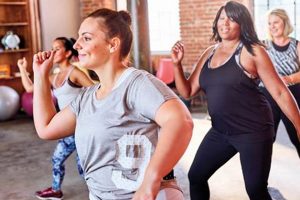
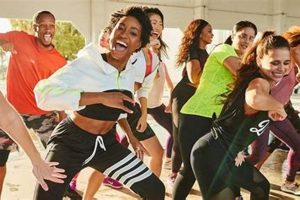
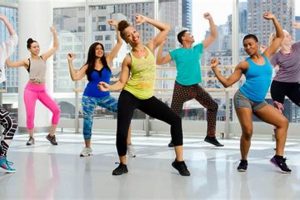
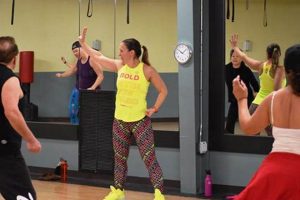
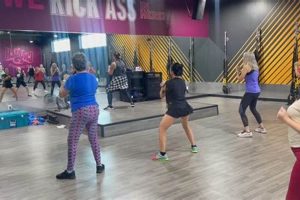
Attire selection for Zumba participation is a significant consideration for comfort and performance. The class involves high-energy dance movements, requiring clothing that allows for a full range of motion and effective temperature regulation. Appropriate garments facilitate unrestricted movement and prevent overheating during the activity.
Selecting suitable clothing enhances the Zumba experience by contributing to participant confidence and physical comfort. Freedom of movement directly impacts the ability to follow the instructor and perform the choreography effectively. Furthermore, appropriate clothing can aid in preventing injuries associated with restricted movement or excessive sweating.
Subsequent sections will outline specific recommendations for tops, bottoms, footwear, and accessories, providing guidance on materials, fit, and features that optimize participation in a Zumba class.
Guidance on Appropriate Zumba Class Attire
The following suggestions offer practical advice for selecting garments that enhance comfort, safety, and performance during Zumba classes.
Tip 1: Prioritize Moisture-Wicking Fabrics: Select fabrics designed to draw sweat away from the body, such as synthetic blends or performance materials. This helps regulate body temperature and prevents discomfort caused by excessive moisture.
Tip 2: Opt for Breathable Top Options: Choose loose-fitting or semi-fitted tops that allow for ventilation. Avoid overly tight garments that can restrict movement and trap heat. Tank tops, t-shirts, or lightweight athletic shirts are generally suitable.
Tip 3: Consider Flexible Bottoms: Leggings, yoga pants, or athletic shorts provide the necessary flexibility for Zumba’s dance movements. Ensure the waistband is comfortable and secure to avoid adjustments during class.
Tip 4: Select Supportive Footwear: Cross-training shoes or dance sneakers offer adequate support and cushioning for the high-impact nature of Zumba. Avoid running shoes, which may not provide sufficient lateral support, and opt for shoes with a smooth sole to facilitate easy turning and pivoting.
Tip 5: Wear a Supportive Sports Bra: A properly fitted sports bra is essential for minimizing movement and providing support during high-intensity activity. Choose a style that offers adequate impact control based on individual needs.
Tip 6: Incorporate Layers as Needed: Depending on the temperature of the studio, consider wearing a light jacket or sweater at the beginning of class, which can be removed as the body warms up.
Tip 7: Consider Accessories: A sweatband can help keep hair and perspiration out of the eyes, while lightweight accessories such as fitness trackers or heart rate monitors can enhance workout tracking. Avoid heavy or dangling jewelry that could pose a safety hazard.
Adhering to these guidelines ensures the selection of apparel that maximizes comfort, functionality, and safety during Zumba participation. This leads to a more enjoyable and effective workout experience.
The subsequent section provides insights regarding specific material choices and brands known for their suitability in high-intensity dance fitness settings.
1. Comfort

The correlation between comfort and appropriate attire selection for Zumba classes is fundamental to the overall experience. Uncomfortable clothing can distract from the workout, limit range of motion, and potentially lead to skin irritation or chafing. These negative effects can diminish the enjoyment of the class and hinder the ability to execute movements effectively. The selection of breathable, moisture-wicking fabrics and well-fitting garments is crucial in prioritizing comfort.
For example, wearing tight-fitting jeans to a Zumba class would significantly restrict movement, potentially causing discomfort and hindering the ability to perform the dance steps. Conversely, selecting loose-fitting athletic pants made from a breathable fabric would allow for a full range of motion and help regulate body temperature, thereby contributing to a more comfortable and productive workout. Similarly, opting for a supportive sports bra, as opposed to a regular bra, can mitigate discomfort associated with breast movement during high-impact activity.
In summary, prioritizing comfort through careful clothing selection is not merely a matter of preference but a practical necessity for maximizing the benefits of a Zumba class. The ability to move freely, maintain a comfortable body temperature, and avoid distractions stemming from ill-fitting or inappropriate attire directly enhances engagement and overall workout efficacy. Neglecting comfort can lead to a less enjoyable and potentially less effective exercise session.
2. Flexibility

The attribute of flexibility, as it pertains to attire selected for Zumba participation, directly influences a participant’s ability to execute dance movements correctly and safely. Garments that impede range of motion can hinder performance and potentially increase the risk of injury.
- Material Elasticity
Fabric elasticity is a primary determinant of clothing flexibility. Materials with inherent stretch properties, such as spandex or Lycra blends, allow for a greater range of motion compared to rigid fabrics like denim or non-stretch cotton. Garments constructed from elastic materials adapt to body movements, facilitating unrestricted execution of Zumba choreography.
- Garment Design and Cut
The design and cut of a garment contribute significantly to its overall flexibility. Form-fitting clothing that is too tight can restrict movement, while overly loose garments may impede balance or become entangled during dance routines. Optimal design features include articulated knees in pants or strategically placed seams that allow for a greater range of motion in key areas.
- Layering Considerations
When layering attire for Zumba, it is crucial to select garments that do not restrict flexibility. Multiple layers of constricting clothing can impede movement and create discomfort. Prioritizing lightweight, flexible layers ensures freedom of motion while providing the option to adjust to varying temperature conditions.
- Impact on Technique
Restricted flexibility due to inappropriate attire can negatively impact a participant’s technique in Zumba. The inability to fully extend limbs or execute complex movements can lead to improper form, potentially increasing the risk of strains or sprains. Garments that allow for a full range of motion enable participants to perform the exercises with proper technique, maximizing the benefits of the workout.
The connection between flexibility and attire choice in Zumba underscores the importance of selecting garments that prioritize freedom of movement. Materials, design, layering, and impact on technique all contribute to the overall flexibility of the selected attire, thereby influencing a participant’s ability to engage fully and safely in the activity.
3. Breathability

The characteristic of breathability in attire selected for Zumba class participation is a critical determinant of comfort and performance. Zumba, by its nature, elicits significant physical exertion, leading to elevated body temperatures and increased perspiration. Garments that lack breathability inhibit the evaporation of sweat, creating a humid microclimate against the skin. This environment can result in discomfort, skin irritation, and a decline in overall performance. Therefore, the selection of breathable materials is a fundamental aspect of appropriate Zumba attire. For instance, a cotton t-shirt, while absorbent, retains moisture and restricts airflow, leading to a clammy and uncomfortable sensation during a vigorous Zumba session. Conversely, a technical fabric engineered for breathability allows for efficient moisture wicking and ventilation, maintaining a cooler and drier skin surface.
The selection of breathable materials extends beyond the primary garment layers. Undergarments, such as sports bras and underwear, should also prioritize breathability to minimize moisture accumulation in sensitive areas. Furthermore, the fit of the clothing impacts its breathability. Tight-fitting garments, even if constructed from breathable materials, can restrict airflow and impede sweat evaporation. A slightly looser fit, while maintaining appropriate support, allows for greater ventilation and enhances the cooling effect. The practical application of this understanding involves careful consideration of fabric composition and garment construction when purchasing Zumba attire. Prioritizing materials like moisture-wicking synthetics or natural fibers like merino wool, coupled with a fit that allows for adequate airflow, is essential for optimizing comfort and performance during the class. The specific needs regarding breathability may vary based on individual physiology and environmental conditions.
In conclusion, the connection between breathability and appropriate Zumba attire is undeniable. Selecting garments that facilitate efficient moisture wicking and ventilation is crucial for maintaining comfort, preventing skin irritation, and maximizing performance during the high-intensity activity. While challenges may exist in identifying truly breathable materials and balancing fit with airflow, understanding the principles outlined herein provides a solid foundation for making informed choices. Prioritizing breathability is a fundamental element in selecting attire that supports a positive and effective Zumba experience.
4. Support

The concept of support, particularly concerning bras and footwear, is integral when considering suitable attire for Zumba classes. Zumba involves high-impact movements, potentially causing discomfort or injury without adequate support. The selection of appropriate supportive garments mitigates these risks, allowing participants to engage fully in the activity without compromising their physical well-being. For instance, a high-impact sports bra reduces breast movement, minimizing discomfort and preventing potential long-term damage to Cooper’s ligaments. Similarly, supportive footwear with adequate cushioning and lateral stability protects joints from excessive stress during dance routines.
The consequences of neglecting support in Zumba attire are tangible. Insufficient breast support can lead to pain, chafing, and long-term sagging. Inadequate footwear can contribute to ankle sprains, shin splints, and knee pain. Conversely, the benefits of prioritizing support extend beyond injury prevention. Proper support enhances posture, improves body alignment, and increases comfort, allowing participants to focus on the workout rather than physical discomfort. A real-world example of the importance of support lies in the experience of many Zumba participants who initially wore non-supportive clothing and subsequently experienced pain or discomfort. After switching to appropriate sports bras and footwear, they reported a significant improvement in their ability to participate comfortably and effectively.
In summary, the connection between support and appropriate Zumba attire is clear. Prioritizing support, particularly through well-fitted sports bras and supportive footwear, is crucial for injury prevention, enhanced comfort, and improved performance. While specific support needs may vary depending on individual body type and fitness level, the fundamental principle remains: adequate support is an essential component of suitable Zumba attire.
5. Footwear

Footwear is an indispensable component of appropriate attire for Zumba classes due to the activity’s dynamic nature and potential for impact-related injuries. Zumba incorporates a variety of dance styles, involving lateral movements, pivots, and jumps. Consequently, footwear must provide adequate cushioning, lateral support, and a smooth sole to facilitate these movements safely and effectively. Inadequate footwear selection directly increases the risk of ankle sprains, knee injuries, and stress fractures. For instance, wearing running shoes, designed primarily for forward motion, can hinder lateral movement and increase the risk of ankle instability during Zumba routines. Similarly, shoes with excessive grip can impede pivoting, leading to knee strain. Selecting appropriate footwear, therefore, is not merely a matter of comfort but a crucial safety consideration.
The practical application of this understanding involves a careful evaluation of footwear characteristics before participating in a Zumba class. Cross-training shoes are often recommended, as they provide a balance of cushioning and lateral support. Dance sneakers, specifically designed for dance fitness activities, are also a suitable option. Considerations should include the shoe’s midsole, which provides cushioning, the outsole, which affects traction and ease of movement, and the upper, which should offer support and breathability. Individuals with specific foot conditions, such as flat feet or high arches, may require specialized insoles or orthotics to provide additional support and prevent injuries. Furthermore, the lifespan of footwear should be considered; worn-out shoes lose their cushioning and support, increasing the risk of injury. Regular assessment and replacement of footwear are essential for maintaining optimal safety and performance during Zumba classes.
In summary, footwear is a crucial aspect of “what should I wear to Zumba class” due to its direct impact on safety and performance. Inadequate footwear increases the risk of injuries, while appropriate footwear enhances comfort, stability, and maneuverability. The challenge lies in selecting footwear that provides the right balance of cushioning, support, and flexibility for the specific demands of Zumba. However, by understanding the principles outlined herein and carefully evaluating footwear characteristics, participants can minimize their risk of injury and maximize the benefits of their Zumba workout.
6. Moisture-wicking

The property of moisture-wicking in fabric is a significant factor in determining the suitability of attire for Zumba classes. This characteristic dictates the fabric’s ability to draw perspiration away from the skin, facilitating evaporation and promoting thermal regulation. Understanding moisture-wicking is essential for selecting garments that optimize comfort and performance during high-intensity Zumba sessions.
- Mechanism of Action
Moisture-wicking fabrics function through capillary action, drawing liquid sweat away from the body and dispersing it across a wider surface area on the exterior of the fabric. This process enhances the rate of evaporation, thereby cooling the body and preventing the discomfort associated with prolonged skin contact with moisture. A practical illustration of this mechanism can be observed by comparing the drying time of a cotton t-shirt versus a moisture-wicking athletic shirt after equivalent physical exertion. The latter will typically dry significantly faster, demonstrating its enhanced ability to manage perspiration.
- Fabric Composition
Synthetic fibers such as polyester, nylon, and polypropylene are commonly employed in the construction of moisture-wicking fabrics. These materials possess inherent hydrophobic properties that repel water while facilitating the movement of moisture through the fabric’s structure. Natural fibers like merino wool also exhibit moisture-wicking capabilities, although their performance may vary depending on weave and treatment. The choice of fabric composition directly influences the effectiveness of moisture-wicking, impacting the overall comfort and dryness experienced during a Zumba class.
- Impact on Performance
The selection of moisture-wicking attire has a direct impact on physical performance during Zumba. By maintaining a drier skin surface, these fabrics reduce the likelihood of chafing, skin irritation, and overheating. This, in turn, allows participants to focus on the workout without distraction, maximizing their engagement and effectiveness. Individuals who wear non-moisture-wicking clothing often experience discomfort and reduced performance due to excessive sweat accumulation.
- Garment Design Considerations
The effectiveness of moisture-wicking fabrics can be further enhanced through strategic garment design. Mesh panels, ventilation zones, and looser fits promote airflow and facilitate the evaporation process. Conversely, tight-fitting garments, even if constructed from moisture-wicking materials, may restrict airflow and reduce the fabric’s effectiveness. The interaction between fabric properties and garment design is crucial in optimizing the overall moisture management capabilities of Zumba attire.
These elements underscore the critical connection between moisture-wicking capabilities and the appropriateness of attire for Zumba classes. The ability of a garment to effectively manage perspiration directly influences comfort, performance, and the overall experience. Therefore, prioritizing moisture-wicking is an essential consideration when deciding “what should I wear to Zumba class,” as it contributes significantly to an effective and enjoyable workout.
7. Layering

The strategy of layering garments is a relevant consideration when selecting appropriate attire for Zumba classes. It addresses the body’s temperature fluctuations that occur during the warm-up, high-intensity activity, and cool-down phases. Effective layering allows for adaptability to varying levels of exertion and environmental conditions.
- Initial Warm-up Phase
During the initial warm-up, a light outer layer, such as a breathable jacket or cardigan, can provide warmth as the body prepares for activity. This layer should be easily removable to prevent overheating once the workout intensity increases. An example is a lightweight fleece jacket that can be tied around the waist as the body warms up. The aim is to maintain a comfortable body temperature without restricting movement.
- Peak Activity Considerations
During the most intense portion of the Zumba class, the primary focus shifts to moisture-wicking base layers that facilitate effective sweat evaporation. The outer layer may no longer be necessary, and the base layer should be breathable and allow for a full range of motion. A technical fabric tank top or t-shirt serves as an appropriate base layer, allowing for efficient heat dissipation.
- Cool-Down Regulation
As the body cools down, an additional layer may be necessary to prevent chills. The previously removed outer layer, or a similar garment, can be reapplied to provide insulation as the body’s metabolic rate decreases. A lightweight long-sleeved shirt or wrap is suitable for this phase, aiding in a gradual return to a resting state.
- Environmental Factors
Studio temperature and personal preferences influence the layering strategy. In cooler environments, multiple thin layers may be more effective than a single heavy layer, providing greater control over thermal regulation. Conversely, in warmer environments, a single, breathable layer may suffice. The overall goal is to adapt the attire to create a comfortable and functional environment for the Zumba class.
The application of layering principles directly impacts the comfort and effectiveness of attire selected for Zumba participation. Recognizing the fluctuations in body temperature throughout the class, and adapting the garment configuration accordingly, allows for optimal thermal regulation and enhanced overall experience. The choices made for initial warm-up, peak activity, cool down regulation, and environmental factors, all affect the ultimate outcome of what should be worn to a Zumba class.
Frequently Asked Questions
The following addresses common inquiries regarding appropriate garments for participation in Zumba activities. These answers aim to provide clarity and guidance for optimal comfort and performance.
Question 1: Are tight-fitting clothes suitable for Zumba?
The suitability of tight-fitting clothing depends on the material and degree of restriction. While form-fitting attire can be acceptable, excessively tight garments may impede movement and restrict breathability. Garments should allow a full range of motion without causing discomfort.
Question 2: Is cotton a recommended fabric choice for Zumba attire?
Cotton is generally not recommended as a primary fabric due to its moisture-absorbing properties. While comfortable initially, cotton retains moisture and can become heavy and uncomfortable during high-intensity activity. Moisture-wicking synthetic fabrics are preferable.
Question 3: What type of footwear is most appropriate for Zumba?
Cross-training shoes or dance sneakers are generally recommended. These shoes provide adequate cushioning, lateral support, and a smooth sole to facilitate dance movements. Running shoes are not ideal due to their lack of lateral support.
Question 4: Is a sports bra necessary for Zumba?
A properly fitted sports bra is highly recommended, particularly for individuals with larger bust sizes. High-impact activities like Zumba require adequate support to minimize breast movement and prevent discomfort.
Question 5: Should accessories be worn during Zumba?
Accessories should be chosen carefully. Lightweight accessories like fitness trackers are generally acceptable. However, heavy or dangling jewelry should be avoided due to the risk of entanglement or injury.
Question 6: How important is layering for Zumba attire?
Layering can be beneficial for adapting to temperature fluctuations during class. A light outer layer can be worn during the warm-up and removed as the body temperature increases. This allows for greater comfort and temperature regulation.
In summary, selecting appropriate attire for Zumba involves careful consideration of fabric, fit, and support. Prioritizing comfort, breathability, and freedom of movement enhances the overall experience and performance.
The subsequent section provides information regarding brands and retailers specializing in activewear suitable for Zumba activities.
Conclusion
This exploration of “what should I wear to Zumba class” has detailed crucial considerations for garment selection. Factors such as fabric breathability, moisture-wicking properties, support, footwear characteristics, and the potential benefits of layering have been examined to provide a comprehensive understanding of optimal attire choices. The emphasis has consistently been on maximizing comfort, safety, and performance during high-intensity Zumba activities.
Adherence to these guidelines enables participants to enhance their Zumba experience significantly. The knowledge acquired should inform future apparel purchases, leading to increased enjoyment and effectiveness in each Zumba session. Understanding the impact of garment selection empowers individuals to prioritize their well-being and optimize their physical activity pursuits.