The undertaking of initiating Zumba instruction involves a multifaceted process. This process encompasses instructor certification, securing appropriate venue space, marketing the class to potential participants, and managing administrative tasks like registration and payment processing. An example of successfully navigating this venture includes an individual obtaining a Zumba Instructor Training certificate, leasing a studio in a populated area, implementing targeted social media advertising, and utilizing an online booking system for class management.
Launching such a venture provides opportunities for individuals to foster community engagement, promote physical fitness, and generate income. Zumba, since its inception in the late 1990s, has grown into a globally recognized fitness program. Its popularity stems from its fusion of dance and aerobic movements, appealing to a broad demographic seeking an enjoyable and effective workout. Establishing local classes contributes to the overall wellness of the community and provides access to a structured fitness activity.
Subsequent sections will detail specific aspects of beginning Zumba instruction, including the prerequisites for instructor certification, considerations for selecting suitable venues, strategies for effectively promoting classes, and best practices for managing the operational elements of this type of business. Detailed insights into these areas will enable aspiring instructors to establish successful and sustainable Zumba programs.
Essential Guidance for Initiating Zumba Instruction
The following guidance provides key considerations for those contemplating the process of beginning Zumba classes. Each point emphasizes critical actions needed for successful implementation.
Tip 1: Obtain Official Zumba Instructor Certification: Completion of a certified Zumba Instructor Training course is paramount. This certification provides the foundational knowledge of Zumba movements, rhythms, and class structure, ensuring adherence to the program’s established methodology. Certification is necessary to legally teach Zumba classes under the brand name.
Tip 2: Develop a Comprehensive Business Plan: Prior to launching classes, a detailed business plan should be created. This plan must outline target demographics, financial projections, marketing strategies, and operational procedures. A well-defined business plan serves as a roadmap for sustainable growth.
Tip 3: Secure an Appropriate Venue: Selection of a suitable location is critical. The venue should offer adequate space for participants to move freely, proper ventilation, suitable flooring (ideally sprung or dance-specific), and accessibility for the target demographic. Consider factors such as parking, public transportation access, and proximity to potential clients.
Tip 4: Implement a Strategic Marketing Approach: Effective marketing is essential for attracting participants. Utilize various channels, including social media marketing, local advertising (newspapers, community boards), and partnerships with local businesses (gyms, community centers). Highlight the benefits of Zumba, such as improved fitness, stress reduction, and social engagement.
Tip 5: Establish a Clear Pricing Structure: Define a competitive and sustainable pricing structure. Consider factors such as class length, frequency, and the local market rates. Offer various payment options (drop-in rates, class packages, monthly memberships) to cater to different customer preferences.
Tip 6: Prioritize Safety and Insurance: Ensure adequate liability insurance coverage to protect against potential injuries or accidents. Implement safety protocols during classes, including proper warm-up and cool-down exercises, modifications for participants with limitations, and clear communication regarding any safety concerns.
Tip 7: Maintain Continuous Professional Development: The field of fitness is constantly evolving. Staying current with industry trends, attending workshops, and pursuing advanced Zumba certifications can enhance instructor skillsets and ensure the delivery of high-quality instruction. This fosters continued growth and market relevance.
Adherence to these guiding principles will enhance the likelihood of establishing a thriving and impactful Zumba program, contributing to both personal and community well-being.
The subsequent section will provide guidance on avoiding common pitfalls when initiating Zumba classes.
1. Certification Requirements

Instructor certification represents a foundational component in establishing Zumba classes. It ensures instructors possess the requisite knowledge and skills to deliver safe and effective instruction, directly impacting class quality and participant satisfaction. Meeting certification standards is not merely a formality; it is integral to upholding the integrity of the Zumba program and mitigating potential liabilities.
- Basic Zumba Instructor Training (B1)
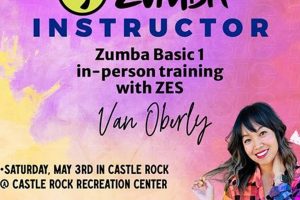
This initial certification provides fundamental knowledge of Zumba basics, including core steps, rhythms, and cueing techniques. It equips instructors with the ability to teach foundational Zumba classes. Completing the B1 training is the minimum requirement to legally teach Zumba classes under the Zumba Fitness, LLC brand. Failure to obtain this certification results in unauthorized instruction, potentially leading to legal repercussions and reputational damage.
- Specialty Certifications
Beyond the B1 certification, various specialty certifications exist, catering to specific demographics or fitness goals. Examples include Zumba Kids, Zumba Gold (for active older adults), and Zumba Toning (incorporating light weights). These certifications allow instructors to diversify their class offerings and target specific market segments. Acquiring additional certifications can enhance instructor credibility and attract a wider range of participants.
- License Renewal and Continuing Education
Zumba instructor licenses are not perpetual; they require periodic renewal, typically annually. Renewal often necessitates completing continuing education units (CEUs) through workshops, masterclasses, or online training modules. These requirements ensure that instructors remain current with evolving fitness trends, refine their teaching techniques, and maintain adherence to Zumba’s standards. Failure to renew the license prohibits the instructor from advertising or teaching Zumba classes officially.
- Adherence to Zumba Brand Guidelines
Certification entails adhering to specific brand guidelines established by Zumba Fitness, LLC. This includes utilizing approved terminology, music playlists, and marketing materials. Brand adherence ensures consistency across all Zumba classes, reinforcing brand recognition and maintaining the program’s reputation. Deviating from these guidelines can result in the revocation of certification and legal action.
The multifaceted nature of Zumba certification directly influences the success and legitimacy of launching Zumba classes. From obtaining the initial B1 certification to maintaining ongoing professional development and adhering to brand standards, instructors must prioritize certification requirements to provide a quality experience and establish a sustainable program. The failure to recognize and address these requirements can jeopardize the entire enterprise, impacting both the instructor and the participants.
2. Venue Selection
The process of venue selection is a critical determinant in establishing viable Zumba classes. The chosen space directly impacts participant comfort, safety, and overall class experience. Careful consideration of various factors ensures the selected venue aligns with the specific needs of a Zumba program.
- Space Adequacy and Layout
Sufficient square footage is essential to accommodate anticipated participant numbers while allowing for unrestricted movement. The layout should minimize obstructions and maximize visibility for all attendees. An example of inadequate space includes overcrowded classes where participants risk collisions, hindering their ability to fully engage in the Zumba routine and potentially leading to injuries. Conversely, a well-designed layout facilitates fluid movement and enhances the overall exercise experience.
- Flooring Type and Condition
The flooring surface must provide adequate cushioning and grip to support high-impact movements and reduce the risk of joint strain or injury. Sprung floors, commonly found in dance studios, are ideal due to their shock-absorbing properties. Concrete or tile floors are generally unsuitable, as they lack cushioning and increase the risk of slips and falls. The condition of the flooring, including the absence of cracks or uneven surfaces, is also paramount to ensuring participant safety.
- Acoustics and Sound System
Clear audio quality is crucial for delivering effective instruction and maintaining the energy level of the Zumba class. The acoustics of the venue should minimize echo and distortion, allowing participants to clearly hear the instructor’s cues and the music. A high-quality sound system, capable of producing a balanced and powerful sound, is essential. Poor acoustics or a subpar sound system can detract from the class experience, making it difficult for participants to follow the choreography and maintain motivation.
- Accessibility and Amenities
The venue should be easily accessible to the target demographic, with convenient parking, public transportation options, and wheelchair accessibility, if applicable. Essential amenities include clean and well-maintained restrooms, changing rooms, and adequate ventilation or climate control. The absence of these amenities can deter potential participants and negatively impact the overall class experience. A venue that prioritizes accessibility and comfort enhances its appeal to a broader range of individuals.
Effective venue selection, encompassing considerations of space, flooring, acoustics, and accessibility, directly contributes to the success of Zumba classes. Failing to adequately address these factors can compromise participant safety, diminish the overall class experience, and ultimately impede the program’s sustainability. Prioritizing careful venue assessment and selection is therefore a critical component of launching a thriving Zumba program.
3. Marketing Strategies

Effective implementation of marketing strategies is paramount to the successful initiation of Zumba classes. These strategies facilitate the attraction of potential participants and establish a consistent class attendance, contributing to the long-term viability of the Zumba program.
- Target Audience Identification
Defining the intended participant demographic allows for focused marketing efforts. Identification of age ranges, fitness levels, and lifestyle preferences informs the selection of appropriate marketing channels and messaging. For instance, marketing aimed at younger adults might emphasize social media platforms and energetic class promotions, while targeting older adults could involve community center partnerships and highlighting the low-impact benefits of Zumba Gold. Precise targeting maximizes the efficiency of marketing expenditure and increases the likelihood of attracting relevant participants.
- Channel Selection and Content Creation
Strategic channel selection ensures that marketing materials reach the intended audience. This encompasses both online and offline channels, including social media platforms (Facebook, Instagram), local community newsletters, flyers distributed in relevant areas (gyms, community centers), and partnerships with local businesses. Content creation must be tailored to each platform, with visually appealing images and videos for social media, concise and informative text for print materials, and engaging presentations for community events. A diversified approach increases overall visibility and caters to varying consumer preferences.
- Promotional Offers and Incentives
Offering introductory discounts, free trial classes, or referral bonuses can incentivize potential participants to try Zumba classes. These promotional tactics reduce the initial barrier to entry and encourage participation. Examples include offering a discounted rate for the first month of classes, providing a free class to individuals who refer new participants, or partnering with local businesses to offer exclusive discounts to their customers. Such offers create a sense of value and urgency, driving initial enrollment and fostering long-term customer loyalty.
- Performance Monitoring and Adjustment
Ongoing monitoring of marketing campaign performance is essential for optimizing effectiveness. Tracking metrics such as website traffic, social media engagement, and class enrollment numbers allows for data-driven decision-making. If a particular marketing channel is not generating the desired results, adjustments can be made to the messaging, targeting, or channel allocation. This iterative process of monitoring and adjustment ensures that marketing resources are deployed efficiently and that campaigns remain aligned with overall business objectives.
In conclusion, the integration of targeted marketing strategies is inextricably linked to the successful commencement of Zumba classes. By precisely defining the target audience, strategically selecting marketing channels, implementing promotional incentives, and continuously monitoring campaign performance, instructors can effectively attract participants, establish a sustainable class base, and ensure the long-term viability of their Zumba program. Inefficient marketing practices can limit class enrollment and jeopardize the financial stability of the program.
4. Legal Compliance
Legal compliance forms an indispensable cornerstone for individuals embarking on the endeavor of initiating Zumba classes. It encompasses adherence to a spectrum of regulations and requirements, ranging from intellectual property rights to liability insurance coverage. The failure to navigate these legal considerations effectively can result in significant financial penalties, legal action, and reputational damage, ultimately jeopardizing the viability of the Zumba program. For example, unauthorized usage of copyrighted music in classes constitutes a breach of intellectual property law, potentially exposing instructors to lawsuits from copyright holders. Similarly, operating without adequate liability insurance can render instructors personally liable for injuries sustained by participants during classes. Therefore, a proactive and comprehensive approach to legal compliance is crucial for establishing a sustainable and legally sound Zumba business.
The practical applications of legal compliance extend beyond mere adherence to regulations; they encompass risk mitigation and the establishment of a professional and trustworthy business operation. Obtaining appropriate licenses and permits, such as a business license and potentially a permit to operate in a specific location, demonstrates a commitment to legitimacy and transparency. Furthermore, implementing comprehensive waivers and release forms, signed by participants before commencing classes, provides legal protection against potential liability claims. Documenting all business transactions, including revenue, expenses, and contracts, facilitates compliance with tax regulations and ensures accurate financial reporting. These proactive measures not only safeguard the instructor’s personal and professional interests but also foster trust and confidence among participants.
In summary, legal compliance is not a peripheral consideration but an essential element in the process of establishing Zumba classes. From safeguarding intellectual property rights to mitigating liability risks and ensuring adherence to tax regulations, a comprehensive understanding of relevant legal requirements is paramount. Challenges may arise in navigating complex legal frameworks and staying abreast of evolving regulations. However, prioritizing legal compliance is critical for ensuring the long-term sustainability and success of the Zumba program, contributing to a professional and legally sound business operation. This ultimately aligns with the broader theme of responsible entrepreneurship within the fitness industry.
5. Financial Planning

The establishment of viable Zumba classes hinges significantly on meticulous financial planning. A structured financial framework provides a roadmap for resource allocation, expense management, and revenue generation, influencing the long-term sustainability of the instructional program.
- Initial Investment Assessment
Determining the requisite capital for initiating Zumba instruction is paramount. This involves evaluating costs associated with instructor certification, venue rental or acquisition, marketing materials, insurance coverage, and equipment purchases (sound systems, flooring). Underestimating initial investment requirements can lead to financial strain and hinder operational effectiveness. A thorough assessment, considering potential contingencies, ensures sufficient funding for launching the program.
- Revenue Projection and Pricing Strategy
Developing realistic revenue projections, based on anticipated class attendance and pricing structures, is crucial for financial viability. The pricing strategy should consider market rates, competitor pricing, and the value proposition of the Zumba classes. Offering diverse payment options (drop-in rates, class packages, monthly memberships) caters to varied customer preferences. Overly optimistic revenue projections can result in inaccurate financial planning, while an uncompetitive pricing strategy may deter potential participants.
- Expense Management and Budgeting
Implementing a detailed budget encompassing all operational expensesrent, utilities, marketing, music licensing, insurance, and instructor compensationis essential. Rigorous tracking of expenses and adherence to the budget prevents overspending and ensures efficient resource allocation. Failure to monitor and control expenses can erode profitability and jeopardize the financial health of the program. Regular review and adjustment of the budget are necessary to adapt to changing market conditions.
- Profitability Analysis and Financial Sustainability
Conducting regular profitability analyses allows for assessing the financial performance of the Zumba classes. Monitoring key metrics such as revenue, expenses, and net profit provides insights into the program’s financial sustainability. Identifying areas for cost reduction and revenue enhancement ensures the long-term viability of the operation. A program consistently operating at a loss is unsustainable; proactive measures, based on profitability analysis, are essential for ensuring continued operation.
Integrating these financial planning facets into the process of beginning Zumba instruction allows for establishing a financially sound and sustainable program. Neglecting these crucial aspects can lead to financial instability and ultimately compromise the success of the Zumba classes.
Frequently Asked Questions
The following section addresses common inquiries related to the establishment of Zumba classes. The provided information aims to clarify key aspects and dispel potential misconceptions.
Question 1: What are the prerequisites for becoming a certified Zumba instructor?
The primary prerequisite is the completion of the Basic Zumba Instructor Training (B1) course offered by Zumba Fitness, LLC. This course provides foundational knowledge of Zumba choreography, rhythms, and teaching techniques. No prior fitness certification is universally required, although a background in dance or fitness can be beneficial.
Question 2: Is it necessary to own a dedicated studio space to teach Zumba classes?
Owning a dedicated studio space is not mandatory. Zumba classes can be conducted in rented spaces, community centers, gyms, or even outdoors, contingent upon weather conditions and permitting requirements. The key consideration is securing a space that is adequate for the number of participants and conducive to a safe and effective workout.
Question 3: How can potential participants be attracted to newly established Zumba classes?
Effective marketing strategies are crucial for attracting participants. These strategies include utilizing social media platforms, distributing flyers in local communities, partnering with local businesses (gyms, health food stores), and offering introductory discounts or free trial classes. Emphasis should be placed on highlighting the benefits of Zumba, such as fitness improvement, stress reduction, and social engagement.
Question 4: What type of insurance coverage is required for Zumba instructors?
Liability insurance is essential to protect against potential claims arising from participant injuries during classes. The specific coverage amount should be determined based on the size of the classes and the potential risks involved. Consultations with insurance professionals are recommended to ensure adequate coverage.
Question 5: How often does Zumba instructor certification need to be renewed?
Zumba instructor licenses typically require annual renewal. Renewal often necessitates completing continuing education units (CEUs) through workshops, masterclasses, or online training modules offered by Zumba Fitness, LLC. Failure to renew the license prohibits the instructor from advertising or teaching Zumba classes officially.
Question 6: What are the legal implications of using copyrighted music in Zumba classes?
Unauthorized use of copyrighted music in Zumba classes constitutes copyright infringement. To legally utilize music, instructors must obtain the appropriate licensing rights from performing rights organizations (PROs) such as ASCAP, BMI, and SESAC. Failure to secure these licenses can result in legal action and financial penalties.
In summary, initiating Zumba instruction necessitates careful consideration of certification, venue selection, marketing, insurance, license renewal, and music licensing. Adherence to these guidelines is crucial for establishing a sustainable and legally compliant Zumba program.
The subsequent section will provide actionable steps for optimizing Zumba class attendance.
How to Start Zumba Classes
The preceding analysis has delineated the multifaceted nature of “how to start Zumba classes.” The exploration encompassed essential considerations, including instructor certification prerequisites, venue selection criteria, marketing strategy implementation, legal compliance adherence, and financial planning imperatives. Each facet represents a critical determinant in the potential for establishing a sustainable and successful Zumba instruction program. Neglecting any element can jeopardize the viability of the initiative.
Aspiring Zumba instructors are urged to rigorously evaluate and implement the discussed guidelines. The initiation of Zumba classes represents a significant undertaking requiring commitment, planning, and diligence. Success hinges on adherence to professional standards, legal requirements, and sound business practices. The potential rewards community enrichment, fitness promotion, and professional fulfillment are commensurate with the effort expended. The careful consideration and application of the principles outlined herein represent the optimal pathway to a thriving Zumba instruction program.