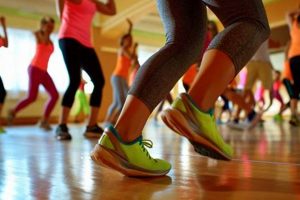
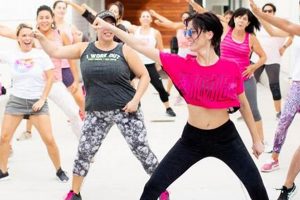
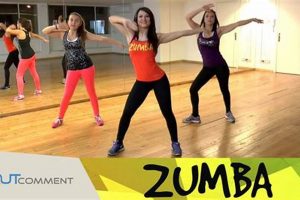
This group activity combines energetic dance movements with popular music, adapted for participants of varying ages and fitness levels. The sessions foster a fun and supportive environment where individuals can engage in physical exercise alongside their relatives. As an example, a session might include simplified choreography from various Latin dance styles, ensuring accessibility for both children and adults.
The significance of this shared physical activity lies in its potential to promote healthy habits and strengthen familial bonds. The collaborative nature of the workout encourages teamwork and communication, while the enjoyable atmosphere reduces stress and increases overall well-being. Historically, communal dance activities have played a vital role in social cohesion and physical conditioning across various cultures, and this modern iteration builds upon that foundation.
The following sections will delve into the specific advantages, age-appropriate modifications, and practical considerations for implementing effective and engaging group fitness experiences for families.
Guidance for Group Dance Fitness Activities for Families
Effective planning is crucial for ensuring a positive and beneficial group dance fitness experience. The following tips provide guidance for instructors and organizers aiming to create successful and engaging sessions.
Tip 1: Age-Appropriate Modification: The core choreography requires adjustment to suit the physical capabilities and attention spans of younger participants. Simpler steps and shorter routines are essential for maintaining engagement and preventing frustration.
Tip 2: Music Selection: The musical choices must be carefully curated to appeal to a diverse age range. Incorporating familiar and upbeat songs that are both age-appropriate and motivating contributes to a more enjoyable experience.
Tip 3: Inclusive Environment: Emphasize the importance of participation and enjoyment over perfect execution. Creating a non-competitive atmosphere encourages individuals of all fitness levels to feel comfortable and confident.
Tip 4: Safety Considerations: Proper warm-up and cool-down routines are non-negotiable to minimize the risk of injury. Clear instructions and demonstrations should be provided, emphasizing correct form and technique.
Tip 5: Interactive Elements: Integrate interactive games and activities to maintain engagement, particularly for younger participants. Incorporating props, such as scarves or maracas, can also add an element of fun and excitement.
Tip 6: Qualified Instruction: Sessions are ideally led by certified instructors with experience in adapting fitness routines for various age groups. This ensures safe and effective guidance.
Tip 7: Clear Communication: Open and honest communication with participants and their guardians regarding expectations, safety protocols, and physical limitations is vital for fostering a safe and supportive environment.
Adhering to these guidelines promotes a safe, enjoyable, and beneficial experience for all involved, contributing to improved physical health and strengthened familial bonds.
The final section will summarize the key benefits and provide concluding remarks regarding the long-term value of engaging in group dance fitness activities.
1. Inclusivity

In the context of group dance fitness programs, inclusivity serves as a cornerstone for program efficacy and broad appeal. Specifically, in a “zumba family class,” inclusivity dictates the degree to which individuals of varying ages, physical abilities, and cultural backgrounds can participate and benefit from the activity. Without careful consideration of inclusivity, the potential benefits of this group activity may be limited to a specific demographic, thereby undermining the intended goals of community building and universal access to physical fitness. An example of this is adjusting the movements to accommodate individuals with mobility limitations or developing music playlists that feature songs from different genres and cultures.
The incorporation of inclusive practices within a “zumba family class” often necessitates modifications to the standard program format. This may include simplifying dance steps, providing alternative movements for individuals with physical limitations, and fostering a non-competitive environment where participation is valued over performance. For instance, a class might offer chair-based modifications for those who have difficulty standing for extended periods, or it might incorporate call-and-response elements to engage children with shorter attention spans. The success of these modifications hinges on the instructor’s ability to anticipate and address the diverse needs of the participants.
Ultimately, the effective integration of inclusivity into “zumba family class” creates a positive and supportive environment where individuals of all backgrounds feel welcome and empowered to participate. This not only increases participation rates but also contributes to the overall well-being of the community. The challenge lies in continuously adapting program content and delivery to meet the evolving needs of the participants, thereby ensuring the long-term sustainability and relevance of the activity. Real-world impact extends beyond physical benefits, creating moments to enjoy to build strong relations between all participants.
2. Adaptability

Adaptability represents a critical attribute within the framework of “zumba family class,” allowing for the successful integration of diverse participants and the sustainable delivery of a beneficial physical activity. Its importance stems from the inherent variability in age, physical capability, and attention span present in familial groups.
- Modifiable Choreography
Choreography modification allows complex dance routines to be simplified, ensuring accessibility for younger children and individuals with limited mobility. This can involve breaking down complex steps into smaller, more manageable movements, or offering alternative low-impact options. For example, a high-energy jump can be modified into a step touch for those with joint issues. The modification ensures that all participants, regardless of their physical condition, can engage in the activity without risk of injury or discouragement.
- Variable Intensity Levels
The intensity of the workout should be adjustable to accommodate different fitness levels. This can be achieved by incorporating options for high-impact and low-impact movements, as well as varying the pace of the routine. Instructors should explicitly demonstrate these variations, allowing participants to self-select the intensity level that best suits their individual needs. The implementation allows for sustained engagement and reduces the risk of overexertion, making “zumba family class” accessible to individuals with diverse fitness backgrounds.
- Flexible Duration of Sessions
Session durations must be flexible to accommodate the attention spans of younger participants. Shorter sessions with frequent breaks may be necessary to maintain engagement and prevent fatigue. This can involve breaking a longer class into smaller segments with built-in rest periods or incorporating interactive games and activities to re-engage participants. The adaptability promotes increased participation and reduces the likelihood of disengagement, ensuring the activity remains enjoyable for all age groups.
- Diverse Musical Selection
Musical selection requires diversification to appeal to a broad range of ages and cultural backgrounds. Incorporating both contemporary and classic songs, as well as music from various genres and cultures, can enhance the inclusivity of the activity. The instructors need to be receptive to suggestions and incorporate popular requests into the playlist. Musical adaptability fosters a more engaging and enjoyable environment for all participants.
These facets of adaptability, when effectively integrated, transform “zumba family class” from a standardized workout into a customized experience tailored to the unique needs of each family group. This customization enhances participation rates, promotes physical well-being, and strengthens familial bonds, solidifying the activity’s long-term value within the community.
3. Engagement

Within the structure of a “zumba family class,” engagement functions as a critical determinant of participant adherence, program effectiveness, and the realization of anticipated benefits. A lack of engagement diminishes the potential for positive outcomes, whereas heightened engagement correlates with increased participation, improved physical conditioning, and stronger familial connections. The following details outline key facets that drive engagement within this specific activity.
- Age-Appropriate Choreography Adaptation
The successful adaptation of choreography to suit various age groups is paramount. Choreography that is excessively complex for younger participants can lead to frustration and disengagement. Conversely, oversimplified routines may fail to stimulate older participants adequately. Adaptation strategies involve modifying movements, incorporating interactive elements, and providing clear, concise instructions. An example would be simplifying a complex salsa step into a basic step-touch for younger children, while simultaneously offering a more challenging arm variation for adults. These choreographic changes will improve focus and interest within the activity.
- Music Selection and Pacing
The selection of music significantly impacts participant motivation and overall enjoyment. The music has to be diverse. The implementation involves integrating genres that appeal to multiple age groups and cultures, while also maintaining a consistent and appropriate tempo. Rapid changes in pace can lead to fatigue, particularly among younger or less physically fit participants, while a monotonous tempo may result in boredom. Musical adjustments will allow for better pacing and maintain overall focus.
- Interactive Game and Activity Integration
The incorporation of interactive games and activities can enhance engagement, particularly among children. These elements introduce an element of playfulness, reducing the perceived exertion and increasing enjoyment. This integration may involve incorporating props, such as scarves or maracas, or introducing call-and-response elements. These activities help to sustain interest and promote active participation. Participants of all ages can enjoy the overall activities.
- Positive and Supportive Environment Creation
A positive and supportive atmosphere contributes significantly to participant engagement. This involves creating a non-competitive environment where individuals feel comfortable expressing themselves and making mistakes. The promotion should emphasize fun and participation over technical perfection. Encouragement and positive reinforcement from instructors and fellow participants foster a sense of belonging and motivation, thereby increasing engagement levels.
The effective implementation of these facets within “zumba family class” cultivates a highly engaging and enjoyable experience for all participants. This increased engagement, in turn, leads to improved physical outcomes, stronger familial relationships, and a greater likelihood of sustained participation. The continuous monitoring and adaptation of these elements are essential for maximizing the long-term benefits of the activity.
4. Wellness

Wellness, in the context of a “zumba family class,” transcends the mere absence of illness, representing a holistic state of physical, mental, and social well-being. It encompasses the active pursuit of a healthy lifestyle and is intrinsically linked to the benefits derived from participation in such group fitness activities.
- Physical Health Improvement
The physical health benefits of a “zumba family class” are multifaceted. Engaging in regular aerobic exercise improves cardiovascular function, reduces the risk of chronic diseases such as type 2 diabetes and heart disease, and aids in weight management. The dance-based movements enhance muscle strength, flexibility, and coordination. A real-world example is a family experiencing increased energy levels and improved sleep patterns after consistent participation in the activity. These physiological improvements directly contribute to overall physical wellness.
- Mental and Emotional Well-being Enhancement
Participation in a “zumba family class” extends beyond physical benefits to encompass mental and emotional well-being. Exercise stimulates the release of endorphins, which have mood-boosting effects and can alleviate symptoms of anxiety and depression. The social interaction inherent in a group setting fosters a sense of community and reduces feelings of isolation. For instance, a family dealing with stress or grief may find solace and support through shared activity and positive social interaction. This contributes to emotional resilience and mental clarity.
- Social Bonding and Family Cohesion
The shared experience of participating in a “zumba family class” strengthens social bonds and promotes family cohesion. Engaging in a fun and interactive activity together creates opportunities for positive communication, teamwork, and shared memories. For example, families may develop a stronger sense of connection and mutual support through the shared challenge of learning new dance steps. This fosters a sense of belonging and strengthens interpersonal relationships within the family unit.
- Stress Reduction and Relaxation Promotion
A “zumba family class” provides a structured outlet for stress reduction and relaxation. The combination of physical activity, music, and social interaction can help individuals to release pent-up tension and anxiety. The focus on movement and rhythm allows for a temporary escape from daily stressors. For instance, a family grappling with work or school-related pressures may find that participation in the class provides a welcome respite and promotes a sense of calm and relaxation. This reduces the negative impacts of chronic stress on both physical and mental health.
These facets, when collectively experienced within a “zumba family class,” contribute significantly to a holistic sense of wellness. The activity promotes physical fitness, enhances mental and emotional well-being, strengthens social bonds, and reduces stress, thereby fostering a healthier and more resilient family unit.
5. Connection

The concept of connection, in the context of “zumba family class,” represents the strengthening of interpersonal bonds and the cultivation of shared experiences among family members. It moves beyond mere co-existence to foster a sense of unity, understanding, and mutual support, achieved through collaborative physical activity.
- Enhanced Communication
Participation in a “zumba family class” necessitates and promotes improved communication within the family unit. The learning of new routines requires clear instruction and cooperative practice. Real-world examples include family members assisting one another with challenging steps, offering encouragement, and coordinating movements. This collaborative effort enhances verbal and non-verbal communication skills, fostering a more supportive and understanding environment. Effective communication will enhance interpersonal relationship.
- Shared Achievement and Pride
The successful completion of a “zumba family class,” or the mastery of a particularly difficult routine, instills a sense of shared achievement and pride within the family. The shared challenge creates a collective goal, and the subsequent accomplishment strengthens the bonds between family members. Example in real life, families celebrate a milestone or successful class completion by sharing a healthy meal, acknowledging each other’s efforts, and reinforcing positive self-image of their members. Shared successes and pride promote positive experiences and bonding.
- Increased Empathy and Understanding
Observing family members engage in physical activity, particularly when faced with challenges, cultivates empathy and understanding. Witnessing a parent or child struggle with a step, and then persevere, fosters a greater appreciation for their efforts and limitations. Real-world examples are seen when family member helps the other understand the rhythm and adapt the step. This understanding translates into increased patience, support, and compassion within the family dynamic.
- Creation of Shared Memories
Participation in a “zumba family class” generates a collection of shared memories that strengthen familial bonds over time. The shared experiences, both positive and humorous, become touchstones for future conversations and reflections. Real-life scenarios may include recalling a particularly funny mistake during a class, reminiscing about a favorite song or routine, or celebrating a significant achievement together. These shared memories contribute to a sense of collective identity and strengthen the fabric of the family unit.
In summary, the concept of connection within a “zumba family class” is multifaceted, encompassing enhanced communication, shared achievement, increased empathy, and the creation of shared memories. These elements, when cultivated through collaborative physical activity, strengthen familial bonds and contribute to a more cohesive and supportive family environment. These experiences support well-being.
6. Safety
The incorporation of safety protocols is paramount to the success and sustainability of any physical activity program, particularly “zumba family class,” where participants of varying ages and physical capabilities engage in coordinated movements. Neglecting safety measures can result in injuries, decreased participation, and a negative perception of the program.
- Qualified Instruction and Supervision
Certified instructors with specific training in adapting fitness routines for diverse age groups are essential. The instructor must be proficient in demonstrating proper form, providing clear instructions, and modifying movements to accommodate individual needs. Adequate supervision ensures that participants adhere to safety guidelines and receive immediate assistance if needed. Example: A trained instructor should be able to identify incorrect posture during a routine and provide immediate feedback to prevent potential injuries.
- Age-Appropriate Modifications and Intensity Levels
Routines must be adapted to suit the physical capabilities and developmental stages of all participants. Younger children may require simplified choreography and shorter activity periods. Older adults may need modifications to reduce the impact on joints. Intensity levels should be adjustable to accommodate varying fitness levels. Real-world application: A high-impact jump in a routine should be modified to a step-touch for individuals with joint issues or for younger children who may lack the necessary coordination and strength.
- Adequate Warm-Up and Cool-Down Procedures
A comprehensive warm-up is crucial to prepare the muscles and joints for physical activity. This should include dynamic stretching and light cardiovascular exercise. A proper cool-down, consisting of static stretching, helps to gradually reduce heart rate and prevent muscle soreness. Example: A five to ten-minute warm-up period prior to the main class routine is an important step that will minimize muscle strains. Likewise, a proper cool-down exercise after the program. It is as important as doing the zumba exercise itself.
- Safe Environment and Equipment Considerations
The physical environment must be free from hazards. The flooring should provide adequate traction and cushioning. Sufficient space should be available to prevent collisions. Equipment, such as weights or resistance bands, must be in good condition and used properly. Real-world requirement: Classrooms or training facilities must be spacious, well ventilated and free of obstruction that might cause harm to the participants.
The integration of these safety facets into “zumba family class” ensures a secure and positive experience for all participants. Adherence to these guidelines minimizes the risk of injury, promotes long-term participation, and fosters a culture of safety within the program.
7. Rhythm

Rhythm serves as the foundational element upon which the structure and efficacy of “zumba family class” are built. The synchronized movement to a consistent beat underpins the physical coordination, cardiovascular benefits, and overall enjoyment derived from participation. Without a discernible rhythmic framework, the activity devolves into disorganized movement, diminishing its effectiveness and potentially increasing the risk of injury. For instance, participants attempting to follow a complex routine without a clear understanding of the underlying rhythm are more prone to errors in execution, leading to frustration and reduced engagement.
The importance of rhythm extends beyond the physical domain, influencing the psychological and social dimensions of the activity. A well-defined rhythm facilitates a sense of shared experience, fostering a sense of community among participants. The ability to move in unison with others to a common beat enhances feelings of belonging and synchronicity. Furthermore, the predictable nature of rhythm provides a sense of stability and control, which can be particularly beneficial for individuals seeking stress reduction and emotional regulation. An example of its practical application would be instructors emphasizing distinct beat patterns, and breaking down complex routines into rhythmic components that make it easy for younger people to learn. Families can even benefit by practicing with one another during their personal time.
In conclusion, rhythm is not merely a component of “zumba family class,” but rather its essential organizing principle. It dictates the flow of movement, influences psychological well-being, and fosters social connection. Challenges may arise in adapting rhythmic complexity to suit diverse age groups and skill levels, necessitating careful consideration in program design. The understanding of rhythm’s central role is crucial for maximizing the benefits of this group fitness activity and ensuring its long-term sustainability.
Frequently Asked Questions Regarding Zumba Family Class
The following section addresses common inquiries and clarifies misconceptions surrounding participation, benefits, and logistical considerations of Zumba Family Class programs.
Question 1: What age range is suitable for participation in Zumba Family Class?
Zumba Family Class programs are typically designed to accommodate a broad age range, often including children as young as four years old and adults of all ages. However, specific age recommendations may vary depending on the program provider and the intensity level of the class. Consultation with the instructor or program organizer is advised to determine suitability.
Question 2: Is prior dance experience required to participate in Zumba Family Class?
No prior dance experience is necessary. The routines are designed to be accessible to individuals of all skill levels, with modifications offered to accommodate beginners. The emphasis is on participation and enjoyment rather than technical proficiency.
Question 3: What are the primary physical benefits of participating in Zumba Family Class?
Participation in Zumba Family Class provides several physical benefits, including improved cardiovascular health, increased muscular strength and endurance, enhanced flexibility, and weight management. The activity also promotes improved coordination and balance.
Question 4: Are there specific attire requirements for attending a Zumba Family Class?
Comfortable clothing that allows for a full range of motion is recommended. Athletic shoes that provide adequate support are also essential. Avoid restrictive clothing or footwear that may impede movement or increase the risk of injury.
Question 5: What safety precautions are implemented during Zumba Family Class sessions?
Qualified instructors provide clear instructions, demonstrate proper form, and offer modifications to accommodate individual needs and limitations. Adequate warm-up and cool-down periods are incorporated to minimize the risk of injury. A safe and spacious environment is maintained to prevent collisions and ensure freedom of movement.
Question 6: How can Zumba Family Class contribute to overall family well-being?
Beyond the physical benefits, Zumba Family Class promotes social interaction, strengthens familial bonds, and provides a shared experience that fosters a sense of community. The activity also offers a structured outlet for stress reduction and improves overall mood and emotional well-being.
In summation, Zumba Family Class offers a multifaceted approach to health and wellness, providing physical, social, and emotional benefits for participants of all ages and skill levels. Its accessibility and adaptability make it a viable option for families seeking a fun and engaging way to promote a healthy lifestyle.
The subsequent section will explore strategies for maximizing the long-term benefits of Zumba Family Class participation.
Concluding Remarks on Zumba Family Class
This exposition has detailed numerous facets of Zumba Family Class, underscoring its capacity to foster physical fitness, enhance social connections, and promote holistic well-being within the context of familial participation. Key points have included the importance of age-appropriate adaptations, the necessity of qualified instruction, and the critical role of safety protocols in ensuring a positive and sustainable experience.
The continued exploration and refinement of Zumba Family Class methodologies will be essential to maximizing its long-term impact on community health and family dynamics. Further research into the specific benefits for diverse populations, coupled with the development of evidence-based best practices, will solidify its position as a valuable tool for promoting active and connected lifestyles.