Variations exist within Zumba instruction, meaning that experiences in different classes can differ significantly. This stems from instructor training, musical choices, and the overall focus of the session, leading to a diverse range of Zumba formats. For instance, one class might emphasize high-intensity interval training (HIIT) while another prioritizes a more relaxed, low-impact approach.
Understanding the potential for variation is essential for participants seeking to optimize their fitness goals. A thorough investigation into the instructor’s background, the class’s intensity level, and the musical styles employed can facilitate a more informed decision. This deeper understanding enhances individual engagement and ensures the fitness regimen aligns with personal preferences and health considerations.
The following sections will delve into specific elements that contribute to the unique character of individual Zumba classes, including instructor style, musical selection, class formats, and modifications available to accommodate diverse fitness levels. These aspects are key to appreciating the breadth of possibilities within the Zumba fitness program.
The diverse nature of Zumba instruction requires potential participants to actively seek information for optimal class selection. Considering the following aspects will aid in choosing a Zumba class that aligns with individual fitness levels and preferences.
Tip 1: Research Instructor Credentials. Prioritize instructors with valid Zumba certifications and continuing education. This ensures a foundation of proper technique and safety protocols.
Tip 2: Inquire About Class Format. Zumba incorporates various formats, including Zumba Toning, Aqua Zumba, and Zumba Gold. Identify the specific format offered to determine its suitability for individual fitness goals and limitations.
Tip 3: Assess Class Intensity. Class intensity can vary significantly. Evaluate the class description or consult with the instructor to understand the expected level of physical exertion. Beginners should opt for lower-intensity options.
Tip 4: Consider Musical Preferences. Zumba classes utilize a diverse range of musical styles. Determine if the instructor’s typical playlist aligns with personal tastes. Music is a crucial element in maintaining motivation and engagement.
Tip 5: Evaluate Class Size. Overcrowded classes can hinder proper form and increase the risk of injury. Smaller classes often provide more individualized attention and instructor guidance.
Tip 6: Seek Trial Opportunities. Many studios offer introductory trial classes or discounted packages. Taking advantage of these opportunities allows prospective participants to experience the class firsthand before committing to a full membership.
Tip 7: Inquire About Modifications. Participants with physical limitations or injuries should inquire about available modifications. A qualified instructor will be able to provide alternative movements to accommodate individual needs.
Selecting a Zumba class necessitates a proactive approach to information gathering. By carefully considering these guidelines, individuals can find a suitable Zumba experience that promotes fitness and enjoyment.
The concluding sections will summarize key considerations and offer further insights into maximizing the benefits of Zumba fitness.
1. Instructor's Choreography Style

The instructor’s individual choreography style stands as a significant factor in differentiating Zumba classes. While core Zumba moves are foundational, the interpretation, sequencing, and emphasis placed on various steps are subject to the instructor’s creativity and experience. This individuality directly counters any assumption of uniformity across Zumba classes.
- Movement Sequencing and Transitioning
Instructors vary significantly in their approach to sequencing movements. Some may favor rapid transitions between high-energy and recovery steps, while others adopt a more gradual flow. This impacts the class’s overall intensity and feel. A class with a strong emphasis on seamlessly stringing together movements might be perceived as more advanced, while another with simpler transitions could be more beginner-friendly.
- Emphasis on Specific Dance Styles
Zumba incorporates various dance styles, including salsa, merengue, cumbia, and reggaeton. However, instructors may emphasize certain styles over others based on their personal expertise or preferences. A class heavily influenced by Latin rhythms will differ substantially from one featuring a broader range of international beats. The instructor’s chosen emphasis alters the class’s cultural flavor and the types of movements practiced.
- Inclusion of Original Choreography
While Zumba provides a base set of moves, instructors often incorporate their own original choreography. This personal flair allows instructors to tailor the class to their specific target audience and fitness goals. The addition of original moves and routines creates a more unique and engaging class experience, further distinguishing it from standardized Zumba offerings.
- Level of Complexity and Modification
Instructors differ in the complexity of their choreography. Some may introduce challenging variations and layering, while others focus on simplified movements and modifications for accessibility. The instructor’s approach to complexity directly impacts the suitability of the class for individuals with varying fitness levels and experience. A class designed for advanced participants may involve faster tempos and intricate steps, requiring a higher degree of coordination and stamina. Classes providing modifications can provide accessible workouts to broad range of fitness levels.
These facets of instructor choreography style collectively demonstrate the heterogeneity within Zumba. The specific movements, transitions, dance style emphasis, and complexity all contribute to a distinct class experience, mitigating the likelihood of any two Zumba classes being identical. Participants are encouraged to research instructors before selecting a class.
2. Music Selection Diversity

The diversity of musical styles employed in Zumba classes fundamentally contradicts the notion of uniformity. Music selection functions as a primary driver in shaping the class’s energy, rhythm, and overall participant experience. The instructor’s choices in musical genres and specific songs significantly influence participant motivation and the physical intensity of the workout. For instance, a class incorporating predominantly high-energy Latin tracks will evoke a different physiological response compared to a class featuring a mix of international beats with varying tempos.
The instructor’s personal preferences and cultural background often dictate musical selections. Some instructors may specialize in specific genres, such as salsa or reggaeton, while others curate playlists encompassing a broader spectrum of global music. This directly impacts the participants’ exposure to different rhythms and dance styles, leading to a more or less diverse fitness experience. Consequently, the perceived effectiveness and enjoyment of a Zumba class are inextricably linked to the participant’s affinity for the music being played. A Zumba instructor who utilizes the top 40 songs will give participants familiar music to dance to and keep participants engaged.
In summation, the wide range of musical genres and song choices available to Zumba instructors ensures that each class possesses a unique sonic identity. This inherent variability in music selection challenges the assumption that all Zumba classes offer a standardized experience. The practical implication of this understanding is that individuals seeking Zumba classes should consider the musical preferences of the instructor and how those preferences align with their own tastes and fitness goals, as music can be a strong driver of motivation and enjoyment during the workout.
3. Format Variation (e.g., Toning)

The spectrum of Zumba class formats, such as Zumba Toning, directly contradicts any notion of uniformity. These variations cater to distinct fitness goals and participant preferences, demonstrating the inherent diversity within the Zumba program.
- Zumba Toning’s Targeted Resistance Training
Zumba Toning incorporates light weights or toning sticks to augment the cardiovascular workout with resistance training. This format targets specific muscle groups, offering increased strength and definition benefits compared to standard Zumba classes. The integration of weights fundamentally alters the exercise experience, moving beyond pure cardio and introducing elements of muscular endurance. Thus, a Zumba Toning class is demonstrably distinct from a traditional Zumba class.
- Aqua Zumba’s Low-Impact Alternative
Aqua Zumba, conducted in a pool, provides a low-impact alternative suitable for individuals with joint issues or those seeking a less strenuous workout. The buoyancy of water reduces stress on the joints, allowing for a wider range of motion and enhanced cardiovascular benefits with reduced risk of injury. This adaptation radically changes the class’s physical demands and targets a different segment of the population, highlighting the non-uniformity of Zumba formats.
- Zumba Gold’s Senior-Focused Adaptation
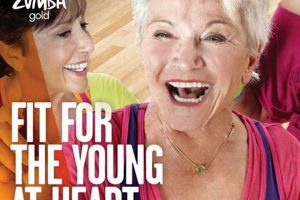
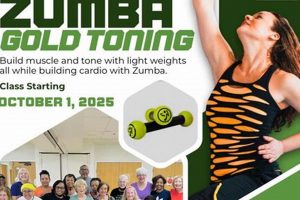
Zumba Gold is tailored for older adults or individuals with limited mobility. The choreography is simplified, and the intensity is reduced to accommodate age-related physical limitations. This format focuses on maintaining cardiovascular health, improving balance, and enhancing coordination in a safe and accessible manner. The adjustments made in Zumba Gold create a fundamentally different experience compared to the typical high-energy Zumba class.
- Zumbini and Other Specialty Classes
Zumbini is a program designed for young children and their caregivers. These classes incorporate music, movement, and instruments to promote cognitive and motor skill development. Specialty classes like these demonstrate the versatility of Zumba as a fitness platform, reaching far beyond the traditional adult-focused cardio workout. Its existence emphasizes the heterogeneous nature of Zumba program options.
The variety of Zumba formats demonstrates that the program is far from a monolithic entity. These adaptations cater to diverse fitness levels, age groups, and specific needs. Consequently, the assumption that all Zumba classes are the same is demonstrably false, as each format offers a unique and tailored fitness experience.
4. Intensity Level Differences
Intensity level differences invalidate any generalization about Zumba classes. Variation in exertion levels directly impacts the physiological response and overall effectiveness of the workout, thus demonstrating that experiences are not uniform. An instructor’s choreography choices, tempo of music, and inclusion of high-impact moves all contribute to the class’s overall intensity. One class might incorporate extensive jumping and plyometrics, leading to a high-intensity cardiovascular workout. In contrast, another may focus on controlled movements and modified steps, resulting in a lower-intensity session. This differentiation is not merely cosmetic; it significantly affects calorie expenditure, muscle engagement, and the overall fitness benefits derived from participation. Therefore, a sedentary individual entering a high-intensity Zumba class may find the activity unsustainable, while a seasoned athlete might find the same class insufficiently challenging.
Real-world examples of intensity level differences are readily observable. Some studios offer “Zumba Step” classes, which incorporate step aerobics platforms to elevate the cardiovascular challenge and increase lower body muscle activation. These classes are explicitly designed for a higher intensity level than standard Zumba formats. Conversely, “Zumba Gold” classes cater to seniors or individuals with mobility limitations, explicitly reducing the intensity through modified choreography and slower tempos. Furthermore, within any given class, instructors may provide modifications to movements, offering low-impact alternatives for participants with varying fitness levels or physical limitations. The practical significance of recognizing these differences lies in enabling individuals to select classes that appropriately match their fitness level, personal goals, and any physical constraints. Blindly assuming that all Zumba classes offer the same level of exertion can lead to discouragement, injury, or a failure to achieve desired fitness outcomes.
In conclusion, intensity level differences are a critical element in understanding the diversity within Zumba offerings. The variable exertion demands directly influence the workout’s physiological impact and suitability for different populations. Recognizing these distinctions allows individuals to make informed choices, selecting classes that align with their individual fitness levels and objectives. Ignoring intensity levels perpetuates the misconception of uniformity and undermines the potential for personalized fitness experiences within the Zumba program.
5. Adaptability and Modifications

The capacity for adaptability and modification within Zumba classes directly addresses the misconception of uniformity. The availability and implementation of modifications demonstrate a fundamental deviation from a standardized approach, acknowledging diverse fitness levels and physical limitations among participants. This facet challenges the notion that all Zumba classes offer a singular, rigid experience.
- Accommodation of Physical Limitations
Instructors providing viable modifications for injuries, pregnancy, or other physical constraints ensure wider accessibility. These adaptations might involve low-impact alternatives, reduced range of motion, or alternative positioning. A class lacking such accommodations presents a significantly different experience for individuals requiring modification, thereby highlighting the lack of uniformity across classes.
- Varied Fitness Level Adjustments
Skilled instructors offer progressions and regressions of movements to accommodate varying fitness levels. This allows beginners to participate comfortably while advanced participants can increase the challenge. The presence or absence of these adjustments drastically alters the class’s suitability for different individuals, thus reinforcing the point that all Zumba classes are not the same.
- Cultural Sensitivity in Movement
Adaptability also extends to cultural sensitivity. Modifications might be implemented to avoid movements that could be offensive or inappropriate based on cultural backgrounds represented in the class. The incorporation of such considerations enhances inclusivity and creates a more welcoming environment for a diverse participant group, distinguishing the class from potentially insensitive or culturally homogenous settings.
- Inclusion of Seated Options
Instructors allowing Seated option for participants is essential. Some fitness participants have physical limitations or injuries that prevent them from safely and comfortably performing standing exercises. Thus, a class with seating options can facilitate inclusive options, and accommodate individual needs.
Ultimately, adaptability and modifications represent a crucial departure from a standardized Zumba experience. The degree to which instructors prioritize and effectively implement these adaptations directly influences the accessibility, inclusivity, and overall suitability of the class for a diverse range of participants. This emphasizes the importance of researching individual instructors and class formats to ensure a fitness experience that meets personal needs and promotes safe and effective participation.
Frequently Asked Questions
The following section addresses common inquiries regarding the variability found within Zumba fitness programs. These answers aim to clarify misconceptions and provide a more comprehensive understanding of the Zumba experience.
Question 1: Are all Zumba classes the same in terms of intensity?
No, intensity levels vary significantly. Factors such as the instructor’s choreography choices, the tempo of the music, and the incorporation of high-impact movements influence the overall exertion demanded. Classes can range from low-impact options suitable for beginners to high-intensity workouts targeting advanced participants.
Question 2: Does the music selection remain consistent across all Zumba classes?
Music selection is not standardized. Instructors possess considerable autonomy in choosing musical styles and specific songs. This leads to substantial differences in the class’s atmosphere, rhythmic focus, and participant motivation. Genres range from Latin rhythms to international beats, reflecting the instructor’s personal preferences and cultural background.
Question 3: Do all Zumba instructors teach the same choreography?
While instructors utilize a core set of Zumba moves, their individual choreography style introduces considerable variation. This includes the sequencing of movements, the emphasis on specific dance styles, and the incorporation of original steps. Instructor creativity is a significant factor in differentiating one class from another.
Question 4: Are Zumba Toning classes identical to regular Zumba classes?
Zumba Toning classes incorporate light weights or toning sticks to enhance muscle engagement, distinguishing them from traditional Zumba sessions. This format introduces resistance training elements, targeting muscle strength and definition alongside cardiovascular fitness. Consequently, the physical demands and fitness benefits differ substantially.
Question 5: Is Zumba suitable for individuals with physical limitations?
Adaptability and modification are crucial aspects of many Zumba classes. Skilled instructors offer variations to accommodate injuries, pregnancy, or other physical constraints. These modifications ensure wider accessibility, allowing participants with diverse needs to engage safely and effectively.
Question 6: Are there different Zumba formats tailored for specific age groups?
Yes, Zumba offers specialized formats such as Zumba Gold, designed for older adults or individuals with limited mobility. Zumba Gold features simplified choreography and reduced intensity to accommodate age-related physical limitations. Zumbini is another format design for young children. Different Zumba formats serve different purposes.
The diversity within the Zumba program provides opportunities for individuals to find a suitable and enjoyable fitness experience. By carefully considering factors such as intensity, music, choreography, and the availability of modifications, participants can optimize their Zumba workout for personalized results.
The following sections will summarize key considerations and offer further insights into maximizing the benefits of Zumba fitness.
Are All Zumba Classes the Same? A Final Assessment
This exploration demonstrates definitively that Zumba classes exhibit significant variability across multiple dimensions. Instructor style, musical selection, format variations, intensity levels, and the provision of modifications all contribute to a diverse range of fitness experiences. The notion of uniformity is therefore a misrepresentation of the Zumba program’s adaptable structure. Understanding this diversity is essential for participants to make informed choices, aligning their fitness goals with appropriate class selections.
The inherent variations within Zumba provide opportunities for tailored fitness experiences. Individuals are encouraged to research instructors, explore different class formats, and assess intensity levels to optimize their participation. Recognizing that Zumba is not a monolithic entity fosters realistic expectations, enhances enjoyment, and promotes safe and effective engagement in this dynamic fitness activity.