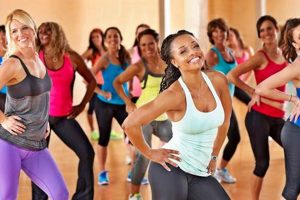
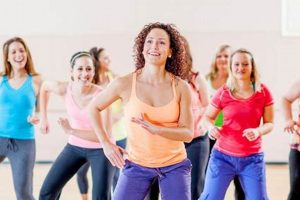
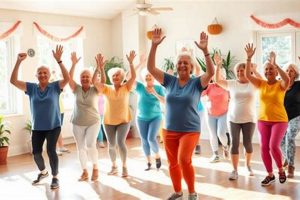
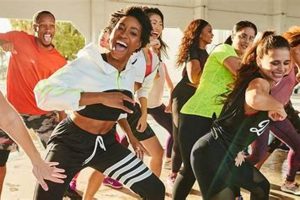
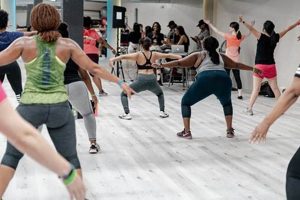
Essential items for participation in a Zumba fitness session typically encompass comfortable athletic attire, supportive footwear, hydration, and optionally, a small towel. The selection of appropriate garments allows for unrestricted movement during the high-energy dance routines. For instance, breathable fabrics are preferable to minimize discomfort from perspiration.
Proper preparation enhances the overall exercise experience and contributes to participant safety. Adequate hydration is crucial for maintaining stamina and preventing dehydration during the physically demanding activity. The use of supportive footwear reduces the risk of injury by providing stability and cushioning impact. A towel can be beneficial for managing perspiration and maintaining hygiene.
The subsequent sections will provide detailed recommendations regarding suitable clothing choices, footwear options, hydration strategies, and other potentially useful accessories for optimal engagement in this dynamic fitness program.
Essential Considerations for Zumba Class Participation
The following recommendations address key aspects to consider when preparing for a Zumba fitness session to maximize both comfort and performance.
Tip 1: Prioritize Moisture-Wicking Apparel: Choose fabrics designed to draw perspiration away from the body. Synthetic materials like polyester or blends offer superior moisture management compared to cotton, which retains moisture and can cause discomfort.
Tip 2: Select Supportive Footwear: Opt for athletic shoes with adequate cushioning and lateral support. Cross-training shoes or dance sneakers are generally suitable, providing both impact absorption and stability for various movements.
Tip 3: Maintain Hydration: Bring a water bottle and consume fluids before, during, and after the class to prevent dehydration and maintain optimal performance levels. Electrolyte-enhanced beverages can also be beneficial, particularly during longer or more intense sessions.
Tip 4: Consider Layers: Depending on the studio temperature, wearing layers allows for adjustments to maintain comfort. A light jacket or sweatshirt can be easily removed as the workout progresses.
Tip 5: Secure Hair Appropriately: If applicable, tie back long hair to prevent obstruction of vision and ensure freedom of movement during the class. Hair ties or headbands are effective accessories for this purpose.
Tip 6: Protect Any Injuries: Any current injury that may be affected by the dance movements such as knee, feet, back or shoulders, seek for professional medical advice, or bring any supporting equipment such as supporting wrap or anything that will ease and prevent your injury during the Zumba class.
Tip 7: Respect The Teacher: To prepare for the class and to not feel embarrased ask for any move to do with the teacher for any concern or injuries as mentioned. The teacher is there to make sure you have a good time, and is not injured, if they are not aware of the injuries they cannot provide any support to you.
Adherence to these considerations will contribute to a more comfortable, effective, and enjoyable Zumba experience.
The subsequent sections will delve deeper into specific clothing and footwear recommendations, offering further guidance on optimizing preparation.
1. Hydration

The role of hydration is critical in the context of preparing for a Zumba fitness session. Dehydration, even in its early stages, can impair physical performance, reducing stamina and coordination during the high-energy dance routines. Inadequate fluid intake leads to decreased blood volume, increasing cardiovascular strain and potentially causing muscle cramps. Consequently, maintaining optimal hydration levels is not merely a suggestion but a necessity for safe and effective participation. For example, an individual experiencing muscle fatigue or dizziness during a Zumba class may likely be experiencing the effects of dehydration.
Practical application of this understanding involves strategic fluid consumption. Pre-hydration, consuming water in the hours leading up to the class, is a proactive measure. Intra-exercise hydration, taking small sips of water throughout the session, replenishes fluids lost through perspiration. Post-exercise hydration, continuing to drink water after the class, aids in recovery and restores fluid balance. The type of fluid consumed is also a factor; water is generally sufficient for shorter sessions, while electrolyte-enhanced beverages may be beneficial during prolonged or more intense workouts to replenish lost electrolytes such as sodium and potassium.
In summary, hydration is an indispensable element of preparation. Neglecting this aspect can undermine the benefits of the workout and potentially pose health risks. Awareness of the physiological effects of dehydration, coupled with a strategic approach to fluid intake, is essential for optimizing performance and ensuring a safe and enjoyable Zumba experience.
2. Footwear

Footwear selection is a crucial element in preparing for a Zumba fitness session. Proper footwear directly impacts participant safety, comfort, and performance. The dynamic movements inherent in Zumba routines necessitate footwear that provides adequate support, cushioning, and traction.
- Ankle Support and Stability
Footwear designed with sufficient ankle support mitigates the risk of ankle sprains or twists, common injuries associated with high-impact dance movements. Shoes with reinforced ankle collars or lateral support structures enhance stability during quick changes in direction. For example, a shoe with a higher cut around the ankle provides increased stability compared to a low-cut sneaker.
- Cushioning and Impact Absorption
The repetitive jumping and landing inherent in Zumba classes place considerable stress on the joints. Footwear with adequate cushioning, particularly in the midsole, absorbs impact and reduces the strain on knees, hips, and ankles. Gel or foam cushioning technologies are frequently incorporated into athletic shoes to enhance impact absorption. A shoe with a thick, responsive midsole is preferable to a minimalist shoe lacking cushioning.
- Traction and Grip
Sufficient traction is essential to prevent slipping and maintain control during Zumba’s fast-paced movements. Outsoles constructed from non-slip rubber compounds provide reliable grip on various studio surfaces. A shoe with a multi-directional tread pattern offers superior traction compared to a shoe with a smooth sole. For instance, dance sneakers often feature split soles or textured outsoles designed for optimal grip.
- Flexibility and Range of Motion
While support is crucial, footwear should also allow for a natural range of motion. Excessive rigidity can restrict movement and lead to discomfort. Shoes with flexible soles or segmented designs enable greater freedom of movement and reduce the risk of foot strain. The ability to point, flex, and turn the foot without restriction is key to enjoying the Zumba movements. If the footwear do not feel right, change it immediately for the sake of your health.
The selection of appropriate footwear is thus an indispensable aspect of preparation, directly influencing the safety, comfort, and overall effectiveness of participation. Neglecting this consideration can increase the risk of injury and detract from the overall exercise experience.
3. Attire
Appropriate attire forms an integral component in preparing for a Zumba fitness session. The selection of suitable clothing contributes significantly to both comfort and the ability to execute movements effectively, thereby enhancing the overall exercise experience.
- Breathable Fabrics
Fabrics that facilitate ventilation and moisture-wicking are essential. Materials such as polyester blends or performance knits promote airflow, preventing overheating and minimizing discomfort caused by perspiration. Cotton, while comfortable in some contexts, tends to retain moisture and can become heavy or clingy during intense physical activity. Performance-oriented garments enhance comfort and allow for greater freedom of movement.
- Flexible Fit
Clothing should allow for a full range of motion without restriction. Form-fitting or slightly loose garments are preferable to overly restrictive attire that impedes movement. Elastic waistbands or adjustable drawstrings can provide a secure and comfortable fit. For example, leggings or athletic pants paired with a fitted top offer both support and flexibility during Zumba routines.
- Supportive Undergarments
For female participants, a supportive sports bra is crucial. High-impact activities such as Zumba require adequate chest support to minimize discomfort and prevent potential strain. Sports bras constructed from moisture-wicking materials with wide straps and a secure band offer optimal support. Consideration should also be given to the selection of appropriate undergarments that minimize chafing and provide comfort throughout the workout.
- Appropriate Coverage
Attire should provide sufficient coverage to ensure comfort and modesty. While freedom of movement is important, garments should not be so revealing as to cause self-consciousness or distraction. Athletic shorts, capri pants, or leggings paired with a tank top or t-shirt generally provide adequate coverage while allowing for unrestricted movement. Individual preferences and cultural norms should also be considered when selecting attire.
The selection of suitable attire is a critical consideration, significantly impacting both comfort and performance. Prioritizing breathable fabrics, a flexible fit, supportive undergarments, and appropriate coverage ensures a more enjoyable and effective Zumba workout.
4. Towel

The inclusion of a towel among the essential items for a Zumba fitness session stems from the exercise’s inherent physical demands. Zumba routines involve sustained periods of high-intensity movement, leading to increased perspiration. The presence of a towel serves a practical function, enabling participants to manage excess moisture on the skin and prevent it from becoming a distraction or a safety hazard. For example, excessive perspiration can cause hands to become slippery, potentially compromising grip during certain movements, or it can drip into the eyes, temporarily impairing vision.
The towel’s role extends beyond mere comfort; it contributes to hygiene and safety within the workout environment. By absorbing perspiration, the towel helps maintain a more sanitary environment, reducing the likelihood of spreading germs and bacteria. Furthermore, wiping away moisture prevents it from accumulating on the floor, mitigating the risk of slips and falls. A compact, absorbent towel is therefore a practical and responsible addition to a Zumba participant’s gear.
In summary, the necessity of a towel for a Zumba class derives from its ability to manage perspiration, promote hygiene, and enhance safety. The towel represents a small but significant component in ensuring a more comfortable, hygienic, and secure exercise experience. Neglecting to bring a towel could lead to discomfort, compromised grip, and increased risk of slips, highlighting its practical importance.
5. Hair Tie

The inclusion of a hair tie in the inventory of items necessary for a Zumba fitness session directly addresses practical considerations related to physical activity and personal comfort. Its relevance is predicated on the management of hair during high-intensity movement.
- Visibility Enhancement
A primary function of the hair tie is to secure long hair away from the face. This enhances visibility by preventing strands from obstructing vision during dynamic movements. Unobstructed vision is critical for maintaining spatial awareness and coordinating movements, thus reducing the risk of collisions or missteps. Securing hair minimizes distractions and allows for greater focus on the exercise routine.
- Temperature Regulation
During periods of physical exertion, body temperature increases. Securing hair off the neck and shoulders can facilitate greater airflow and ventilation, contributing to temperature regulation and minimizing discomfort. Long hair left unconstrained can trap heat and exacerbate feelings of discomfort, potentially hindering performance. The use of a hair tie promotes thermal comfort.
- Hygiene Maintenance
A hair tie aids in maintaining hygiene by preventing hair from coming into contact with perspiration. Hair can absorb sweat, becoming damp and potentially transferring moisture to the face and body. This can lead to skin irritation or breakouts. Securing hair minimizes this contact, contributing to a cleaner and more comfortable workout experience. Additionally, it helps prevent the spread of sweat and oil from the hair to the floor.
- Safety Considerations
Unsecured long hair can pose a safety hazard during certain movements. It can become entangled in equipment or be inadvertently grabbed by other participants. A hair tie minimizes these risks by keeping hair securely contained. This reduces the likelihood of accidental injuries and promotes a safer workout environment for all participants. For example, rapid turns or jumps can become hazardous if hair obscures vision or becomes entangled.
The multifaceted benefits afforded by a hair tie, encompassing visibility, temperature regulation, hygiene, and safety, underscore its practical value as a component of preparing for a Zumba fitness session. Its presence contributes to a more comfortable, focused, and secure exercise experience. Its small size belies its significant contribution to overall workout efficacy and well-being.
6. Injury Support

Consideration of injury support is a critical, often overlooked, aspect of preparing for a Zumba fitness session. The high-impact nature of Zumba, involving rapid movements and dynamic steps, can place considerable stress on joints and muscles. For individuals with pre-existing conditions or vulnerabilities, proactive injury support becomes paramount to prevent exacerbation of existing issues or the onset of new ones.
- Joint Braces and Supports
Individuals with a history of joint instability, such as ankle weakness or knee problems, may benefit from wearing appropriate braces or supports. An ankle brace can provide added stability, reducing the risk of sprains during quick lateral movements. Similarly, a knee brace can offer support and alleviate pressure on the joint. These supports serve to stabilize the joint and minimize the potential for injury resulting from the repetitive impact and twisting motions inherent in Zumba routines.
- Muscle Support and Compression Garments
Compression garments, such as compression shorts or sleeves, can aid in muscle support and circulation. These garments apply gentle pressure to the muscles, reducing muscle fatigue and soreness. For individuals prone to muscle strains or cramps, compression garments can provide an added layer of support and improve blood flow, potentially minimizing the risk of injury. They are particularly beneficial for supporting the quadriceps, hamstrings, and calves, which are actively engaged during Zumba movements.
- Protective Padding
Depending on the specific Zumba movements incorporated into a particular class, certain individuals may benefit from protective padding. For example, if the routine involves floor work or kneeling, knee pads can provide cushioning and prevent abrasions or pressure sores. Similarly, wrist guards may be beneficial for individuals with wrist sensitivities or those prone to carpal tunnel syndrome, particularly if the class includes movements that place weight on the wrists.
- Appropriate Footwear Modifications
Insoles or orthotics can provide customized support and cushioning within athletic shoes. Individuals with flat feet, high arches, or other foot conditions may benefit from orthotics that provide arch support and improve foot alignment. These modifications can help distribute weight evenly, reduce stress on joints, and minimize the risk of foot pain or injuries resulting from improper foot mechanics during Zumba activities. Orthotics should be professionally fitted to ensure optimal support and comfort.
The integration of injury support measures into Zumba preparation is not merely an optional consideration but a proactive step towards ensuring safety and promoting long-term participation. The utilization of joint braces, compression garments, protective padding, and footwear modifications, tailored to individual needs and vulnerabilities, can significantly mitigate the risk of injury and allow individuals to engage in Zumba with confidence and comfort. Neglecting these considerations can lead to unnecessary strain, discomfort, and potential injuries, ultimately hindering the enjoyment and effectiveness of the Zumba experience.
Frequently Asked Questions
The following questions address common inquiries regarding necessary items and preparations for engaging in a Zumba fitness session. These are posed to ensure participant safety and optimize the exercise experience.
Question 1: What specific type of athletic shoes is most suitable for Zumba, and what features are critical?
Footwear that offers lateral support, cushioning for impact absorption, and a non-slip sole is highly recommended. Cross-training shoes or dance-specific sneakers generally meet these requirements. Avoid running shoes, as they primarily focus on forward motion and lack adequate lateral support for Zumba’s dynamic movements.
Question 2: Are there particular fabrics or materials that should be avoided when selecting attire for a Zumba class?
Avoid clothing made primarily of cotton, as it tends to retain moisture and can become heavy and uncomfortable during intense physical activity. Synthetic fabrics such as polyester blends or moisture-wicking materials are preferable, promoting airflow and keeping the body dry.
Question 3: What is the recommended quantity of water to consume before, during, and after a Zumba session?
Hydration guidelines are dependent on individual factors such as body weight and intensity of exercise. A general recommendation is to consume approximately 16-20 ounces of water 1-2 hours before class, 4-8 ounces every 15-20 minutes during class, and 16-24 ounces post-exercise to replenish fluids lost through perspiration.
Question 4: Is a sports bra truly necessary for Zumba, and what features should be considered when selecting one?
A supportive sports bra is essential for female participants, providing critical support to minimize breast movement and prevent discomfort or strain. Look for sports bras with wide straps, a secure band, and moisture-wicking fabric to ensure optimal support and comfort during high-impact activities.
Question 5: If an individual has a pre-existing knee or ankle injury, what types of supports or modifications are advisable for Zumba participation?
Consultation with a medical professional is advised prior to participation. Depending on the nature and severity of the injury, a knee or ankle brace may provide added stability and support. Modifications to certain movements or a reduced range of motion may also be necessary to prevent further injury.
Question 6: Are there any specific considerations for individuals with sensory sensitivities when preparing for a Zumba class?
Individuals with sensory sensitivities may benefit from wearing comfortable, non-restrictive clothing made from soft, breathable fabrics. They may also prefer to position themselves near the back of the class to minimize visual and auditory stimulation. Bringing earplugs or noise-canceling headphones can also help manage sensory overload.
These FAQs are designed to address the most pressing inquiries concerning preparation for a Zumba class. Adherence to these recommendations will contribute to a safer and more enjoyable fitness experience.
The subsequent section will summarize key takeaways and provide a final perspective on essential considerations for participating in this fitness program.
Essential Preparations for Zumba Class
The preceding examination of essential preparations elucidates the critical components required for successful and safe participation in a Zumba fitness session. Hydration, appropriate footwear and attire, the presence of a towel, hair tie, and due consideration for injury support each contribute significantly to the overall exercise experience. Neglecting any of these aspects can lead to discomfort, reduced performance, or increased risk of injury.
Prioritizing these preparations represents a commitment to personal well-being and responsible engagement in physical activity. Consistent adherence to these guidelines will ensure a more effective, enjoyable, and sustainable participation in this dynamic fitness program. Thoughtful preparation facilitates an environment where the focus remains on achieving fitness goals without unnecessary impediments or preventable setbacks.