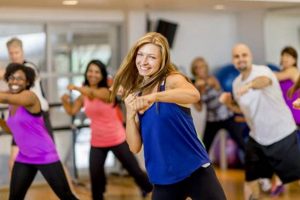
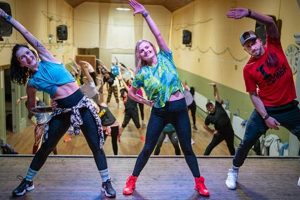
The selection of appropriate attire for a Zumba session is paramount for comfort, performance, and injury prevention. Clothing should permit a full range of motion, facilitate breathability, and provide adequate support where needed. Footwear considerations must prioritize cushioning and lateral stability to accommodate the dynamic movements inherent in the activity. For example, breathable athletic wear coupled with supportive cross-training shoes represents a practical and safe ensemble.
Proper clothing enhances the overall exercise experience, boosting confidence and allowing participants to fully engage in the dance-fitness routine. Historically, activewear design has evolved to meet the specific demands of various physical activities. Benefits of well-chosen attire extend beyond comfort, including moisture-wicking properties to regulate body temperature and reduce the risk of overheating. The right gear can contribute significantly to maximizing the effectiveness and enjoyment of a Zumba workout.
Further discussion will detail specific clothing items suitable for Zumba, including top and bottom choices, supportive undergarments, and ideal footwear. Considerations for different body types and personal preferences will also be addressed, along with accessories that can enhance the workout experience.
Guidance on Attire Selection for Zumba
This section provides specific recommendations for clothing and footwear suitable for a Zumba class, focusing on functionality, comfort, and safety.
Tip 1: Prioritize Breathable Fabrics: Select moisture-wicking materials such as polyester blends or nylon. These fabrics facilitate air circulation and draw sweat away from the body, preventing overheating and discomfort during intense activity. Avoid cotton, as it retains moisture and can lead to chafing.
Tip 2: Opt for a Comfortable Fit: Clothing should allow for a full range of motion without restriction. Test the flexibility of chosen garments by performing basic Zumba movements, such as squats and arm raises, prior to class participation. Avoid overly tight or loose clothing that may impede movement or pose a tripping hazard.
Tip 3: Choose Supportive Footwear: Cross-training shoes are recommended. These shoes provide adequate cushioning for impact absorption and lateral support for side-to-side movements, crucial for minimizing the risk of ankle injuries. Ensure the shoes fit properly and provide sufficient arch support.
Tip 4: Consider Layering: Layering clothing allows for adjustments based on individual body temperature and the intensity of the workout. A light jacket or zip-up hoodie can be easily removed as the body warms up, providing versatility throughout the class.
Tip 5: Ensure Adequate Support: A supportive sports bra is essential for women to minimize breast movement and prevent discomfort. Select a sports bra appropriate for high-impact activities to provide the necessary support and reduce strain.
Tip 6: Accessorize Thoughtfully: Consider accessories that enhance comfort and performance. Headbands or sweatbands can keep hair out of the face and absorb perspiration. Avoid wearing bulky jewelry that may pose a safety hazard or impede movement.
Tip 7: Evaluate Dance-Specific Options: Some individuals prefer dance sneakers with split soles, which offer greater flexibility for specific dance moves. If considering dance sneakers, ensure adequate support and cushioning are present to prevent injuries.
Adhering to these guidelines promotes a more comfortable and effective Zumba experience, minimizing distractions and potential for injury. The selection of appropriate attire is a key factor in maximizing the benefits of the workout.
The following sections will elaborate on how personal style can be incorporated while maintaining a focus on functionality and safety in the selection of Zumba attire.
1. Breathable Materials

The connection between breathable materials and the suitability of attire for a Zumba class centers on the physiological demands of the activity. Zumba, characterized by high-energy dance movements, elevates body temperature and induces perspiration. Breathable fabrics, such as polyester, nylon blends, or merino wool, facilitate the evaporation of moisture from the skin’s surface. This evaporative cooling mechanism aids in thermoregulation, preventing overheating and promoting comfort during prolonged exercise. In contrast, non-breathable materials like cotton retain moisture, creating a damp environment that can lead to chafing, discomfort, and potentially increase the risk of skin irritation or fungal infections.
The integration of breathable materials into activewear directly impacts performance and endurance. When the body is able to efficiently regulate its temperature, less energy is expended on thermoregulation, allowing for greater focus and stamina during the Zumba session. For instance, a participant wearing a moisture-wicking top is likely to experience less discomfort and maintain a higher level of activity compared to someone wearing a cotton t-shirt, which would become heavy and clingy with sweat. Garments designed with mesh panels in strategic areas, such as under the arms or along the back, further enhance ventilation and promote airflow. These design features are integral to the functionality of clothing intended for high-intensity workouts.
In summary, the selection of breathable materials constitutes a fundamental aspect of choosing appropriate attire for a Zumba class. The physiological benefits of moisture-wicking fabrics, including improved thermoregulation, enhanced comfort, and increased endurance, directly contribute to a more effective and enjoyable workout experience. Therefore, prioritizing breathable materials is not merely a matter of preference but a practical necessity for individuals engaging in high-intensity physical activities like Zumba.
2. Flexible fit

The concept of a flexible fit in attire directly correlates with the functional requirements of a Zumba class. Garments should accommodate the extensive range of motion inherent in the dance-based workout, ensuring unhindered movement and optimal performance. A rigid or restrictive fit can impede participation and increase the risk of injury.
- Range of Motion Accommodation
Clothing with a flexible fit facilitates a complete range of motion in the limbs and torso. Activities such as lunges, pivots, and arm extensions necessitate garments that stretch and move with the body. A flexible fit ensures that the clothing does not restrict movement, allowing participants to fully engage in the Zumba routine without physical limitations. For example, leggings made with a high percentage of spandex offer a greater degree of flexibility compared to rigid denim jeans, making them more suitable for this type of exercise.
- Injury Prevention
A restrictive fit can compromise proper form during exercises. For example, if a shirt is too tight across the shoulders, it may limit the ability to fully extend the arms during certain dance moves, potentially leading to muscle strain or impingement. Flexible fit, conversely, supports proper alignment and technique by allowing unrestricted movement. This is especially crucial during high-impact portions of the class where improper form can increase the risk of injury.
- Comfort and Endurance
Beyond the technical aspects of movement, a flexible fit contributes significantly to comfort. Restrictive clothing can cause chafing, skin irritation, and discomfort, especially during prolonged periods of physical activity. The discomfort can lead to reduced endurance and a diminished overall workout experience. Garments that conform to the body’s movements, without constricting it, enhance comfort, allowing individuals to focus on the workout and maintain a higher level of activity for a longer duration.
- Psychological Impact
Attire impacts psychological well-being. Restrictive clothing can increase self-consciousness and hinder one’s willingness to fully participate in the Zumba class. Conversely, apparel with a flexible fit promotes a sense of freedom and confidence, encouraging individuals to embrace the workout without reservation. This positive psychological impact contributes to a more enjoyable and effective exercise experience.
In conclusion, a flexible fit represents a critical aspect of appropriate attire for Zumba classes. By accommodating a wide range of motion, minimizing the risk of injury, enhancing comfort, and promoting a positive mindset, flexible clothing contributes significantly to the effectiveness and enjoyment of the exercise routine. The selection of garments that prioritize a flexible fit is essential for maximizing the benefits of Zumba participation.
3. Supportive footwear

The selection of supportive footwear is a critical component of appropriate attire for a Zumba class. The dynamic movements inherent in Zumba place significant stress on the feet and lower extremities, necessitating footwear that provides adequate cushioning, stability, and support to mitigate the risk of injury and enhance performance.
- Impact Absorption
Supportive footwear is engineered with cushioning materials, such as gel or foam, to absorb the impact forces generated during Zumba’s high-energy movements. This cushioning reduces stress on joints, including the ankles, knees, and hips, minimizing the risk of impact-related injuries. For instance, running shoes with substantial cushioning in the midsole are often recommended for Zumba due to their ability to attenuate the forces experienced during jumping and landing. Without adequate impact absorption, participants are at a higher risk of developing stress fractures, plantar fasciitis, or other overuse injuries.
- Lateral Stability
Zumba involves frequent lateral movements and changes in direction. Supportive footwear provides lateral stability through features such as reinforced sidewalls and outsoles designed to prevent excessive pronation or supination of the foot. This stability is crucial for maintaining balance and preventing ankle sprains. Cross-training shoes, specifically designed for multi-directional movements, offer superior lateral support compared to running shoes, making them a preferred choice for Zumba. Inadequate lateral support can lead to instability and an increased risk of ankle injuries, particularly during fast-paced dance routines.
- Arch Support
Proper arch support is essential for maintaining foot alignment and distributing weight evenly across the foot. Supportive footwear incorporates features such as contoured footbeds or orthotic inserts to provide adequate arch support, preventing overpronation or supination. Insufficient arch support can lead to foot pain, plantar fasciitis, and other foot-related issues. Individuals with flat feet or high arches may require specialized orthotics to ensure proper arch support during Zumba. Footwear that accommodates orthotic inserts offers a customizable solution for addressing individual arch support needs.
- Traction and Grip
The outsole of supportive footwear should provide adequate traction and grip to prevent slipping and sliding during Zumba’s dynamic movements. Rubber outsoles with multi-directional tread patterns offer optimal traction on various floor surfaces, ensuring stability and preventing falls. Inadequate traction can increase the risk of slips, trips, and falls, particularly on smooth or polished surfaces. Footwear designed for indoor workouts typically features non-marking outsoles to prevent damage to the studio floor.
In summation, supportive footwear plays a crucial role in ensuring a safe and effective Zumba experience. By providing impact absorption, lateral stability, arch support, and adequate traction, supportive footwear minimizes the risk of injury and allows participants to fully engage in the workout. The selection of appropriate footwear tailored to individual foot type and activity level is paramount for maximizing the benefits of Zumba and minimizing potential complications.
4. Moisture-wicking properties

The connection between moisture-wicking properties and appropriate attire for Zumba classes is fundamentally linked to the body’s thermoregulatory response during physical exertion. Zumba, as a high-intensity aerobic activity, elevates core body temperature and induces significant perspiration. The primary function of moisture-wicking fabrics is to facilitate the transport of sweat away from the skin’s surface. This process enhances evaporative cooling, a critical mechanism for maintaining a stable body temperature during exercise. Without this functionality, moisture accumulates on the skin, leading to discomfort, reduced performance, and an increased risk of overheating. For instance, synthetic fibers like polyester and nylon, engineered with specific weave patterns, create capillary action to draw moisture away from the skin and spread it across the fabric’s surface, promoting rapid evaporation.
The practical implication of prioritizing moisture-wicking properties in Zumba apparel extends to injury prevention and enhanced workout efficacy. Damp clothing, particularly cotton, can cause chafing and skin irritation in areas of high friction, such as the underarms and inner thighs. Furthermore, the added weight of moisture-laden garments can impede movement and reduce agility. Moisture-wicking fabrics mitigate these issues, allowing participants to maintain a full range of motion without discomfort. The enhanced evaporative cooling also reduces the likelihood of heat exhaustion or heat stroke, particularly in warm environments. Consider the difference between a cotton t-shirt and a performance top made of moisture-wicking material; the former will quickly become saturated and heavy, while the latter will remain relatively dry and comfortable throughout the Zumba session, thereby contributing to an improved workout experience and reduced risk of adverse physiological effects.
In conclusion, moisture-wicking properties constitute a vital characteristic of appropriate Zumba attire, directly impacting comfort, performance, and safety. The benefits of these materials extend beyond mere comfort to encompass physiological advantages, such as improved thermoregulation and reduced risk of skin irritation. The selection of Zumba apparel should, therefore, prioritize fabrics designed to effectively manage moisture, ensuring an optimal and safe workout environment. While challenges may include cost considerations or concerns about the environmental impact of synthetic materials, the performance benefits of moisture-wicking fabrics are undeniable, making them an essential component of appropriate Zumba attire.
5. Adequate support

The integration of adequate support into the attire chosen for a Zumba class is paramount for optimizing participant comfort, performance, and safety. This encompasses both anatomical and physiological considerations, demanding attention to garments that provide necessary stabilization and reduce potential strain.
- Thoracic Support for Women
For female participants, a properly fitted sports bra is essential. The high-impact nature of Zumba necessitates a sports bra that minimizes breast movement to prevent discomfort and potential long-term tissue damage. Garments offering encapsulation and compression features distribute the load, reducing bounce and strain on the ligaments of Cooper. Failure to utilize adequate thoracic support can result in pain, compromised posture, and reduced exercise efficacy.
- Musculoskeletal Stabilization
Attire that provides gentle compression, such as supportive leggings or compression shorts, can enhance proprioception and stability in the lower extremities. This can improve body awareness and reduce the risk of joint instability, particularly in the knees and ankles. The compression aids in venous return, reducing muscle fatigue and soreness during and after the Zumba session. The selection should prioritize garments that offer graduated compression, ensuring adequate support without restricting circulation.
- Core Engagement Enhancement
While specialized garments are not always required, snug-fitting tops or tanks can encourage greater awareness and engagement of the core muscles. This awareness can improve posture, balance, and overall body control during the dynamic movements of Zumba. Avoiding overly loose clothing can also prevent it from interfering with movement or becoming a distraction, allowing participants to focus on proper form and technique.
- Foot and Ankle Stabilization
Supportive footwear contributes significantly to overall stability during Zumba. Shoes with adequate arch support, cushioning, and lateral stability protect the feet and ankles from stress and potential injuries. The footwear should also provide a secure fit to prevent slippage or excessive movement within the shoe, which can compromise balance and increase the risk of sprains or strains. Furthermore, appropriate sock selection can enhance comfort and support, contributing to foot health during the workout.
In conclusion, the consideration of adequate support is a critical aspect of selecting attire for Zumba classes. From supportive sports bras to compression garments and appropriate footwear, the chosen items should collectively contribute to anatomical stabilization, injury prevention, and enhanced exercise efficacy. Prioritizing support ensures that participants can engage in the activity safely and comfortably, maximizing the benefits of the Zumba workout.
6. Unrestrictive movement

The principle of unrestrictive movement is a foundational consideration in the selection of appropriate attire for a Zumba class. The dynamic and varied nature of Zumba routines necessitates clothing that permits a full range of motion, ensuring participants can execute movements effectively and safely. Restrictive clothing can impede performance, increase the risk of injury, and diminish the overall workout experience.
- Fabric Elasticity and Stretch
The elasticity and stretch properties of fabrics directly influence the degree of movement freedom. Materials such as spandex, elastane, and blends thereof provide the necessary give to accommodate Zumba’s diverse range of motions, including lunges, twists, and arm extensions. Garments constructed from these materials conform to the body without constricting it, allowing participants to perform exercises with proper form and technique. The absence of adequate stretch can lead to muscle strain or joint impingement, compromising the effectiveness of the workout.
- Garment Cut and Design
The cut and design of clothing significantly impact the ability to move freely. Form-fitting garments should be tailored to allow for a full range of motion in the limbs and torso. Avoidance of overly tight seams, constricting waistbands, or restrictive sleeves is crucial. Specific design features, such as raglan sleeves or gusseted crotches, enhance mobility by reducing friction and preventing binding. Ill-fitting or poorly designed clothing can impede movement and contribute to discomfort, hindering participation in the Zumba class.
- Layering Considerations
The concept of unrestrictive movement extends to layering choices. Multiple layers of clothing should not impede range of motion. Outer layers, such as jackets or hoodies, should be easily removable and constructed from lightweight, flexible materials. Overly bulky or restrictive outer layers can inhibit movement and contribute to overheating. The selection of layering options should prioritize garments that allow for adaptability to changing body temperatures without compromising mobility.
- Undergarment Selection
Undergarments can also influence freedom of movement. Sports bras should provide adequate support without constricting the rib cage or restricting arm movement. Underwear should be seamless and made from breathable, moisture-wicking materials to prevent chafing and discomfort. Restrictive or ill-fitting undergarments can detract from the overall workout experience by causing irritation and limiting mobility.
The aforementioned facets collectively underscore the importance of unrestrictive movement in the context of appropriate Zumba attire. The selection of fabrics, garment design, layering options, and undergarments should all prioritize the ability to move freely and comfortably. By ensuring unrestrictive movement, participants can maximize the benefits of the Zumba workout, enhance performance, and minimize the risk of injury.
7. Layering options

The strategic implementation of layering options in Zumba attire directly addresses the fluctuating physiological demands presented by the activity’s varying intensity levels and ambient environmental conditions. The ability to add or remove layers permits participants to maintain thermal comfort and optimize performance throughout the class.
- Temperature Regulation
Layering facilitates efficient temperature regulation by allowing individuals to adapt their clothing to match their body’s heat production. A light outer layer, such as a breathable jacket or zip-up hoodie, can be worn during the initial warm-up phase when body temperature is lower. As the intensity of the workout increases, the outer layer can be removed to prevent overheating. This adjustability is particularly relevant in environments where the ambient temperature is variable or when individual metabolic rates differ.
- Moisture Management
Layering also contributes to effective moisture management. Base layers constructed from moisture-wicking fabrics can draw sweat away from the skin, keeping the body dry and comfortable. Outer layers made from breathable materials allow moisture vapor to escape, preventing the buildup of condensation within the clothing system. This combined effect enhances evaporative cooling and reduces the risk of chafing or discomfort caused by damp clothing.
- Versatility and Adaptability
Layering provides versatility, enabling participants to adapt to diverse workout conditions. A lightweight, packable jacket can be carried easily and deployed in response to sudden changes in temperature or unexpected weather conditions. This adaptability is particularly beneficial for outdoor Zumba sessions or when transitioning between indoor and outdoor environments. The selection of layering garments should prioritize versatility and ease of use.
- Personal Comfort and Preference
Layering allows individuals to customize their attire to suit personal preferences and comfort levels. Some participants may prefer to wear a long-sleeved base layer for added warmth, while others may opt for a sleeveless top for maximum breathability. Layering provides the flexibility to adjust clothing based on individual comfort thresholds and aesthetic considerations. The selection of layering garments should reflect individual needs and preferences, ensuring a personalized and comfortable workout experience.
These facets collectively underscore the importance of considering layering options when selecting attire for Zumba classes. The ability to adjust clothing to maintain thermal comfort, manage moisture, adapt to changing conditions, and accommodate personal preferences contributes significantly to the overall effectiveness and enjoyment of the Zumba experience. The strategic use of layering allows participants to optimize their workout and minimize potential discomfort or distractions caused by inappropriate clothing.
Frequently Asked Questions
This section addresses common inquiries regarding appropriate clothing choices for participation in a Zumba class, aiming to provide clarity and guidance for optimal performance and safety.
Question 1: What types of fabrics are most suitable for Zumba attire?
Fabrics with moisture-wicking properties, such as polyester, nylon blends, or merino wool, are recommended. These materials facilitate evaporative cooling and prevent discomfort caused by accumulated perspiration. Cotton fabrics should be avoided due to their tendency to retain moisture.
Question 2: How should clothing fit for a Zumba class?
Clothing should provide a flexible fit, allowing for a full range of motion without restriction. Garments should not be excessively tight or loose, as either extreme can impede movement or pose a safety hazard.
Question 3: What style of footwear is appropriate for Zumba?
Cross-training shoes are generally recommended. These shoes offer adequate cushioning for impact absorption and lateral support for side-to-side movements. Running shoes may lack sufficient lateral support, increasing the risk of ankle injuries. Bare feet are not recommended.
Question 4: Is it necessary to wear a sports bra during Zumba?
A supportive sports bra is essential for female participants to minimize breast movement and prevent discomfort. A sports bra designed for high-impact activities is recommended.
Question 5: Are there any specific accessories that are recommended or should be avoided?
Headbands or sweatbands can be beneficial for keeping hair out of the face and absorbing perspiration. Bulky jewelry should be avoided, as it may pose a safety hazard or impede movement. A water bottle is a recommended accessory for hydration.
Question 6: How should attire choices be adjusted for varying weather conditions or indoor temperatures?
Layering is recommended. Light, breathable layers can be added or removed as needed to maintain thermal comfort. In colder conditions, a lightweight jacket or long-sleeved base layer may be appropriate. In warmer conditions, minimal clothing constructed from moisture-wicking fabrics is advisable.
In summary, appropriate attire for Zumba balances functionality, comfort, and safety. The selection of moisture-wicking fabrics, a flexible fit, supportive footwear, and thoughtful accessories contribute to an optimal workout experience.
The following section will address the importance of personal preferences and style considerations within the framework of functional and safe Zumba attire.
Attire Considerations for Zumba Class
The preceding examination underscores the necessity of selecting appropriate attire for Zumba participation. Key factors, including moisture-wicking materials, flexible fit, supportive footwear, and layering options, collectively contribute to enhanced comfort, performance, and injury prevention. Adherence to these guidelines optimizes the workout experience and mitigates potential risks associated with inappropriate clothing choices.
The selection of attire should not be regarded as a trivial matter, but as a critical component of preparation for a demanding physical activity. Prioritizing functionality and safety over purely aesthetic considerations ensures a more effective and enjoyable Zumba experience. Individuals are encouraged to apply the principles outlined herein to make informed decisions regarding their Zumba wardrobe, thereby maximizing the benefits of the workout and safeguarding their well-being. The principles of adequate attire extend beyond Zumba, informing best practices for all forms of intense physical exercise.
![Find: What Gyms Have Zumba Classes Near You [Guide] | The Ultimate Zumba Guide: Dance Your Way to a Healthier You](https://mamazumba.com/wp-content/uploads/2026/05/th-232-300x200.jpg "Find: What Gyms Have Zumba Classes Near You [Guide] The Ultimate Zumba Guide: Dance Your Way to a Healthier You")