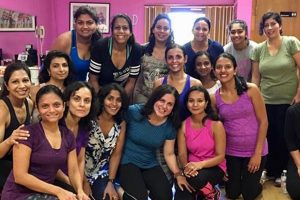
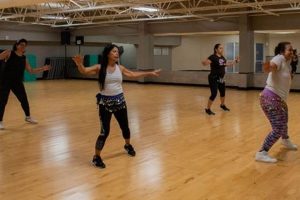
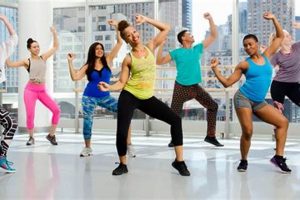
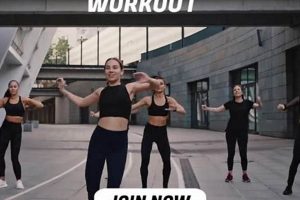
Appropriate attire for Zumba participation typically consists of clothing that allows for a full range of motion and breathability. For example, flexible athletic wear such as leggings, shorts, or sweatpants combined with a moisture-wicking top are commonly chosen. Footwear should provide adequate support and cushioning, such as cross-training shoes or sneakers specifically designed for dance fitness.
Selecting suitable garments and footwear is essential for maximizing comfort and preventing injury during Zumba sessions. The ability to move freely enhances the workout experience, while appropriate footwear reduces the risk of slips, trips, and impact-related strain. Historically, dance fitness participants have gravitated toward apparel that prioritizes functionality and comfort, reflecting the dynamic nature of the activity. The development of specialized athletic fabrics has further improved the options available, enhancing moisture management and breathability.
The following sections will detail specific considerations for top, bottom, and footwear selection, as well as additional accessories that can contribute to a more effective and enjoyable Zumba experience.
Apparel Selection Guidance for Zumba Participation
This section provides guidelines to assist in choosing garments that enhance comfort, performance, and safety during Zumba sessions. Careful consideration of fabric, fit, and support can significantly impact the overall workout experience.
Tip 1: Prioritize Breathable Fabrics: Opt for materials such as moisture-wicking polyester blends, nylon, or merino wool. These fabrics facilitate ventilation and draw perspiration away from the body, reducing discomfort and preventing overheating.
Tip 2: Ensure Unrestricted Movement: Select clothing that allows for a full range of motion. Avoid garments that are overly tight or restrictive, as they can impede movement and potentially cause chafing. Consider styles designed for athletic activities.
Tip 3: Choose Supportive Footwear: Footwear should provide adequate cushioning and stability. Cross-training shoes are generally recommended, as they offer the necessary support for lateral movements and high-impact activities. Avoid running shoes, which are designed primarily for forward motion.
Tip 4: Consider Layering: Layering allows for temperature regulation throughout the workout. Begin with a base layer that wicks away moisture, followed by a mid-layer for warmth if needed. An outer layer may be useful for traveling to and from the class.
Tip 5: Support Where Needed: High impact can make it necessary for women to wear a sports bra. The goal is to make sure you feel comfortable and supported.
Tip 6: Assess Climate: Consider the climate where the class takes place. Indoor versus outdoor and seasonality can make a large impact on choosing garments.
Adhering to these guidelines will help ensure a comfortable and effective Zumba workout, reducing the risk of discomfort and potential injury. Selecting apparel that prioritizes breathability, flexibility, and support is crucial for maximizing the benefits of the activity.
The subsequent section will address additional factors to consider, including accessory choices and post-workout care for athletic wear.
1. Breathable fabrics

The selection of breathable fabrics is a critical factor in determining appropriate attire for Zumba classes. Fabrics with inherent breathability facilitate the effective transfer of heat and moisture away from the body’s surface. This process is essential during high-intensity activities like Zumba, where the body generates significant heat and perspiration. Failure to manage these factors effectively can lead to discomfort, reduced performance, and, in some cases, increased risk of heat-related illness.
Materials such as moisture-wicking polyester, merino wool, and certain nylon blends are commonly chosen for their ability to enhance evaporative cooling. Consider a scenario where a participant wears non-breathable cotton clothing during a Zumba session. The cotton would absorb sweat but retain moisture, leading to a sensation of dampness and reduced ability for the body to cool itself efficiently. In contrast, a polyester garment would wick away the sweat, allowing it to evaporate and maintaining a more comfortable body temperature. Garment construction, such as mesh panels in areas of high heat generation (e.g., the back and underarms), further enhances breathability.
The use of breathable fabrics, therefore, is not merely a matter of preference but a practical consideration that directly impacts comfort, performance, and overall safety during Zumba classes. Proper fabric selection contributes to effective thermoregulation, enabling participants to engage in the activity with greater efficiency and reduced risk of discomfort or adverse health effects.
2. Full range motion

Clothing selection for Zumba directly impacts the ability to achieve a full range of motion, which is fundamental to the activity. Restrictive garments impede the execution of dance steps and fitness movements integral to Zumba, reducing the efficacy of the workout and potentially increasing the risk of injury. For instance, wearing tight jeans or a non-stretchable skirt during a Zumba class limits hip and leg movement, hindering the ability to perform squats, lunges, and turns correctly. Conversely, athletic leggings or loose-fitting athletic pants allow for the uninhibited extension and flexion of limbs, facilitating proper technique and maximizing the benefits of each exercise. Thus, garments chosen must permit a comprehensive range of motion to enable safe and effective participation. Understanding garment construction, specifically stretch and cut, is essential.
The connection extends to upper body mobility. Clothing should not restrict shoulder rotation, arm extension, or torso twists. A tight-fitting, non-stretch top can limit these movements, interfering with choreography that requires arm movements and core engagement. Selecting tops made of flexible, breathable fabrics promotes unrestricted movement and allows for proper form. A practical application of this understanding involves choosing athletic wear designed for activities requiring a wide range of motion, like yoga or dance, which are often suitable for Zumba. Recognizing the intended use of a garment helps ensure its compatibility with the demands of the workout. Also, ill fitting garments can move and rub against the body leading to chafing and distractions.
In summary, the ability to achieve a full range of motion is an indispensable element of appropriate Zumba attire. Clothing that restricts movement compromises workout effectiveness and elevates the risk of injury. Prioritizing flexible, well-fitting garments designed for athletic activity ensures freedom of movement, facilitating optimal performance and minimizing potential harm. Recognizing this principle is crucial for participants to experience the full benefits of Zumba while maintaining safety and comfort.
3. Supportive footwear

Footwear plays a critical role in determining appropriate attire for Zumba classes. The impact and rapid movements characteristic of Zumba place considerable stress on the feet, ankles, and knees. Selection of supportive footwear is therefore not merely a matter of comfort, but a crucial factor in injury prevention and performance optimization.
- Impact Absorption
Adequate cushioning in the midsole of the shoe is essential for absorbing impact during high-intensity Zumba routines. Insufficient cushioning can lead to increased stress on joints, potentially resulting in conditions such as plantar fasciitis, shin splints, or knee pain. Cross-training shoes designed with shock-absorbing materials mitigate these risks, allowing participants to sustain longer workouts with reduced discomfort.
- Lateral Stability
Zumba involves frequent lateral movements and quick changes in direction. Shoes lacking adequate lateral support increase the risk of ankle sprains and instability. Features such as reinforced sidewalls and a wider base provide stability during side-to-side movements, minimizing the likelihood of injury. The shoe should provide this support without restricting necessary agility.
- Traction and Grip
The outsole of the shoe should offer sufficient traction to prevent slips and falls on studio floors. Smooth-soled shoes may be unsuitable, particularly on polished surfaces. Non-marking rubber outsoles with a patterned tread enhance grip, allowing for secure footing during dynamic movements. Uneven or worn traction significantly increases the risk of injury.
- Fit and Comfort
A properly fitting shoe is essential for both support and comfort. Shoes that are too tight can restrict circulation and cause blisters, while shoes that are too loose provide inadequate support and increase the risk of instability. Consideration of arch support and width is crucial in ensuring a comfortable and secure fit that accommodates individual foot anatomy.
The foregoing considerations underscore the interconnectedness of supportive footwear and appropriate Zumba attire. A holistic approach to attire selection must prioritize footwear that provides adequate cushioning, lateral stability, traction, and a proper fit to mitigate injury risks and enhance the overall Zumba experience. Failure to consider these elements compromises both safety and performance. Selecting appropriate footwear can significantly influence a participants ability to engage in Zumba effectively and without injury.
4. Moisture management

Moisture management in athletic attire is critical for maintaining comfort, preventing skin irritation, and optimizing performance during Zumba sessions. The high-intensity nature of Zumba results in significant perspiration, necessitating fabrics that effectively wick moisture away from the skin.
- Fabric Composition and Wicking Properties
The effectiveness of moisture management is directly related to the composition of the fabric. Synthetic materials like polyester, nylon, and polypropylene are hydrophobic, meaning they repel water and promote its movement away from the body. Conversely, natural fibers like cotton are hydrophilic, absorbing moisture and becoming saturated, leading to discomfort and potential chafing. Athletic wear designed for moisture management utilizes specialized weaving techniques and finishes to enhance wicking capabilities. For example, fabrics treated with durable water repellent (DWR) finishes further improve moisture transport, maintaining a dry surface even during intense activity. The specific composition determines how effective the fabric is.
- Ventilation and Airflow
Moisture management is not solely dependent on fabric wicking properties but also on garment design that promotes ventilation and airflow. Mesh panels strategically placed in areas of high perspiration, such as the back and underarms, facilitate evaporative cooling. Loose-fitting garments allow for increased airflow, further aiding in the dissipation of moisture and heat. Garments that are excessively tight can restrict airflow, inhibiting moisture management and contributing to discomfort. Design and construction features play important roles.
- Odor Control
Moisture retention in athletic wear can promote bacterial growth, leading to unpleasant odors. Moisture-wicking fabrics with antimicrobial properties inhibit bacterial proliferation, reducing odor buildup. Silver-based treatments are commonly used in athletic wear to provide long-lasting odor control. Garments lacking these features may require more frequent washing and can still retain odors over time, impacting hygiene and comfort. Odor control affects maintenance of garments.
- Layering and Environmental Factors
The effectiveness of moisture management is influenced by layering practices and environmental conditions. In colder climates, layering with moisture-wicking base layers helps maintain a dry and comfortable microclimate next to the skin. In warmer climates, lightweight, breathable garments that promote airflow are optimal. Overdressing or wearing inappropriate layers can impede moisture management and lead to overheating. External temperature impacts performance of fabrics.
The principles of moisture management, encompassing fabric composition, ventilation, odor control, and layering, are central to selecting appropriate attire for Zumba classes. By prioritizing these factors, participants can enhance comfort, optimize performance, and maintain hygiene during high-intensity workouts. The selection process should consider both the inherent properties of the fabric and the design features of the garment to ensure effective moisture management under varying conditions. Ultimately, this selection contributes to an enjoyable and effective Zumba experience.
5. Temperature regulation

Effective temperature regulation through appropriate attire is paramount in Zumba participation. The strenuous nature of Zumba necessitates clothing choices that facilitate the dissipation of heat and moisture, thereby maintaining core body temperature within an optimal range and preventing overheating or chilling.
- Fabric Breathability and Insulation
The inherent breathability of fabrics directly influences temperature regulation. Materials like moisture-wicking polyester and merino wool permit the escape of body heat, while simultaneously insulating against external cold. In contrast, non-breathable fabrics trap heat and moisture, leading to elevated body temperature and potential discomfort. The selection of appropriate fabric weight and construction based on ambient temperature is crucial. Example: A lightweight, breathable top is preferable in a warm studio, whereas a layered approach with an insulated base layer is more suitable in a colder environment.
- Layering Strategies
The strategic layering of garments allows for dynamic adjustment of insulation based on individual needs and changing levels of activity. A base layer of moisture-wicking fabric, a mid-layer for insulation, and an outer layer for wind or water resistance provide versatility. Layers can be added or removed to maintain a comfortable core temperature. An example includes starting a Zumba class with a light jacket that can be removed as the workout progresses and body temperature rises.
- Impact of Garment Fit
The fit of clothing also influences temperature regulation. Loose-fitting garments promote air circulation, facilitating heat dissipation, whereas tight-fitting garments can restrict airflow and impede evaporative cooling. However, excessively loose clothing may interfere with movement. The ideal fit strikes a balance between freedom of movement and adequate ventilation. An example is opting for athletic pants with a relaxed fit rather than restrictive leggings in warmer conditions.
- Environmental Considerations
The ambient temperature and humidity levels of the Zumba class environment necessitate adjustments in attire. In humid conditions, moisture-wicking fabrics are especially important to prevent the buildup of sweat and subsequent chilling. In cold environments, insulating layers are crucial to prevent heat loss. An example is choosing breathable shorts and a tank top for a Zumba class held outdoors in the summer and opting for long-sleeved athletic shirts and leggings for a class in a poorly heated gym during winter.
The aforementioned considerations emphasize the significance of temperature regulation in selecting appropriate Zumba attire. By carefully considering fabric breathability, layering strategies, garment fit, and environmental factors, participants can optimize comfort, enhance performance, and minimize the risk of heat-related or cold-related health issues during Zumba sessions. The careful selection allows comfort and effectiveness of the exercise program.
6. Comfort

The relationship between attire and comfort is paramount in Zumba participation, directly impacting performance, motivation, and overall well-being. Garments and footwear that prioritize comfort enable unrestricted movement, minimize distractions, and reduce the risk of skin irritation or chafing. The selection of appropriate Zumba attire, therefore, hinges on the consideration of comfort as a central component. For example, ill-fitting shoes can cause blisters, diverting attention from the workout and potentially leading to injury. Similarly, restrictive clothing limits range of motion, hindering the execution of Zumba steps and diminishing the effectiveness of the exercise. Prioritizing comfort can influence participation frequency.
Practical application of this understanding involves selecting clothing made from soft, breathable fabrics that minimize skin irritation. Seams should be flat or strategically placed to avoid chafing during repetitive movements. Supportive sports bras are essential for women to provide adequate support and reduce discomfort during high-impact activities. Shoes should be properly fitted with sufficient cushioning to absorb impact and provide stability. Individuals with sensitive skin may benefit from hypoallergenic fabrics and avoiding garments with harsh dyes or chemicals. A well known brand uses garments made of soft materials to maximize customer comfort in zumba class.
In summary, comfort is an indispensable consideration in selecting appropriate Zumba attire. Garments and footwear that prioritize comfort enhance the workout experience, promote motivation, and reduce the risk of physical discomfort or injury. Understanding this relationship enables participants to make informed choices that optimize both performance and well-being, promoting consistent participation and maximizing the benefits derived from Zumba. Discomfort can lead to distraction during the class or avoidance of participating.
Frequently Asked Questions
This section addresses common inquiries regarding the selection of appropriate attire for Zumba participation, providing clarity on key considerations and dispelling misconceptions.
Question 1: Is specialized Zumba apparel required for participation?
No, specialized branded apparel is not a prerequisite for attending Zumba classes. The primary requirement is comfortable athletic wear that allows for a full range of motion and adequate breathability.
Question 2: Are there specific types of fabrics to avoid when selecting Zumba attire?
Garments made entirely of cotton are generally discouraged, as they tend to retain moisture and become heavy during exercise. Fabrics that restrict movement, such as stiff denim or non-stretchable materials, should also be avoided.
Question 3: Are there specific footwear recommendations for Zumba classes?
Cross-training shoes are typically recommended, as they provide the necessary support for lateral movements and high-impact activities. Running shoes, designed primarily for forward motion, may not offer adequate stability for Zumba’s dynamic routines.
Question 4: Is there a suggested layering strategy for Zumba attire?
Layering is advisable, particularly in cooler environments. A moisture-wicking base layer, followed by a mid-layer for insulation, and an optional outer layer for weather protection, allows for temperature regulation throughout the workout.
Question 5: Are compression garments suitable for Zumba participation?
Compression garments can be suitable, provided they do not excessively restrict movement. Benefits may include enhanced muscle support and improved circulation; however, comfort and freedom of movement should remain paramount.
Question 6: How should Zumba attire be cared for to maintain its quality and performance?
Following the manufacturer’s care instructions is essential. Generally, washing athletic wear in cold water with a mild detergent and avoiding fabric softeners will help preserve the fabric’s wicking properties and prevent odor buildup.
In summary, the selection of appropriate Zumba attire should prioritize comfort, breathability, and freedom of movement. Adhering to these guidelines ensures an enjoyable and effective workout experience.
The subsequent section will explore supplementary considerations, including accessory choices and the long-term maintenance of athletic wear.
Conclusion
The preceding analysis has comprehensively explored the factors influencing suitable attire for Zumba participation. Prioritization of breathable fabrics, unrestricted movement, supportive footwear, and effective moisture management is paramount. Furthermore, consideration of temperature regulation and individual comfort levels is crucial for an optimal workout experience.
Adherence to these guidelines ensures not only enhanced performance and reduced risk of injury but also promotes consistent engagement in this beneficial form of exercise. The informed selection of appropriate garments and footwear represents a tangible investment in personal well-being and long-term fitness goals. The informed choice is to allow a better zumba class experience.